Why Planting Trees Is Not Enough to Save the Planet?
    ProjectsOnly trees?ApiCycle

    Why Planting Trees Is Not Enough to Save the Planet?

    The protection of the environment and biodiversity is becoming an increasingly important issue. Pollution, deforestation, climate change and the increase in greenhouse gases are just some of the issues that are most frequently discussed today. But what can we really do about it?

    Read the article
    27/11/2019Of 3Bee, Elena Fraccaro
    440 Views
    27/11/2019Of 3Bee, Elena Fraccaro
    440 Views

    New tree-planting projects

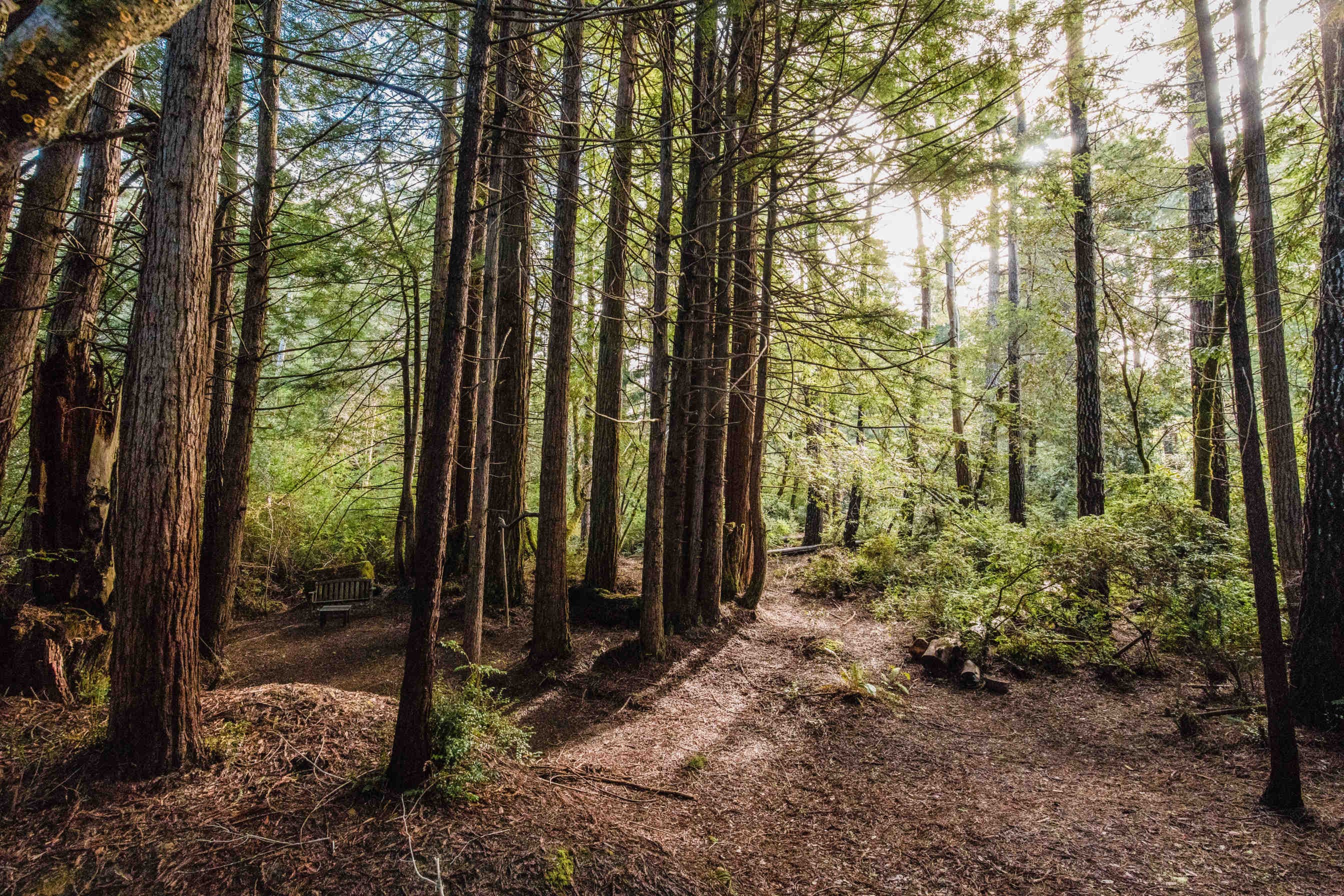
    One of these is certainly the Bonn Challenge, launched by Germany in 2011 and aiming to restore 150 million hectares of deforested and degraded land by 2020 and 350 million hectares by 2030. We can also mention the UN's The Billion Tree Campaign. It is not necessary, however, to look that far. Even just in our municipalities or schools there is more and more talk of projects to plant new trees. How many of us have thought about doing the same in our own garden or giving a tree to the person we love most? There are hundreds of good reasons to plant new trees: they reduce CO2 and produce oxygen, make our cities more beautiful, clean the air and prevent soil erosion. However, there are some considerations to be made and a professor emeritus of biological sciences at the University of Cape Town, William John Bond, tells us about them very clearly.
    New tree-planting projects

    Can trees be enough to save our planet?

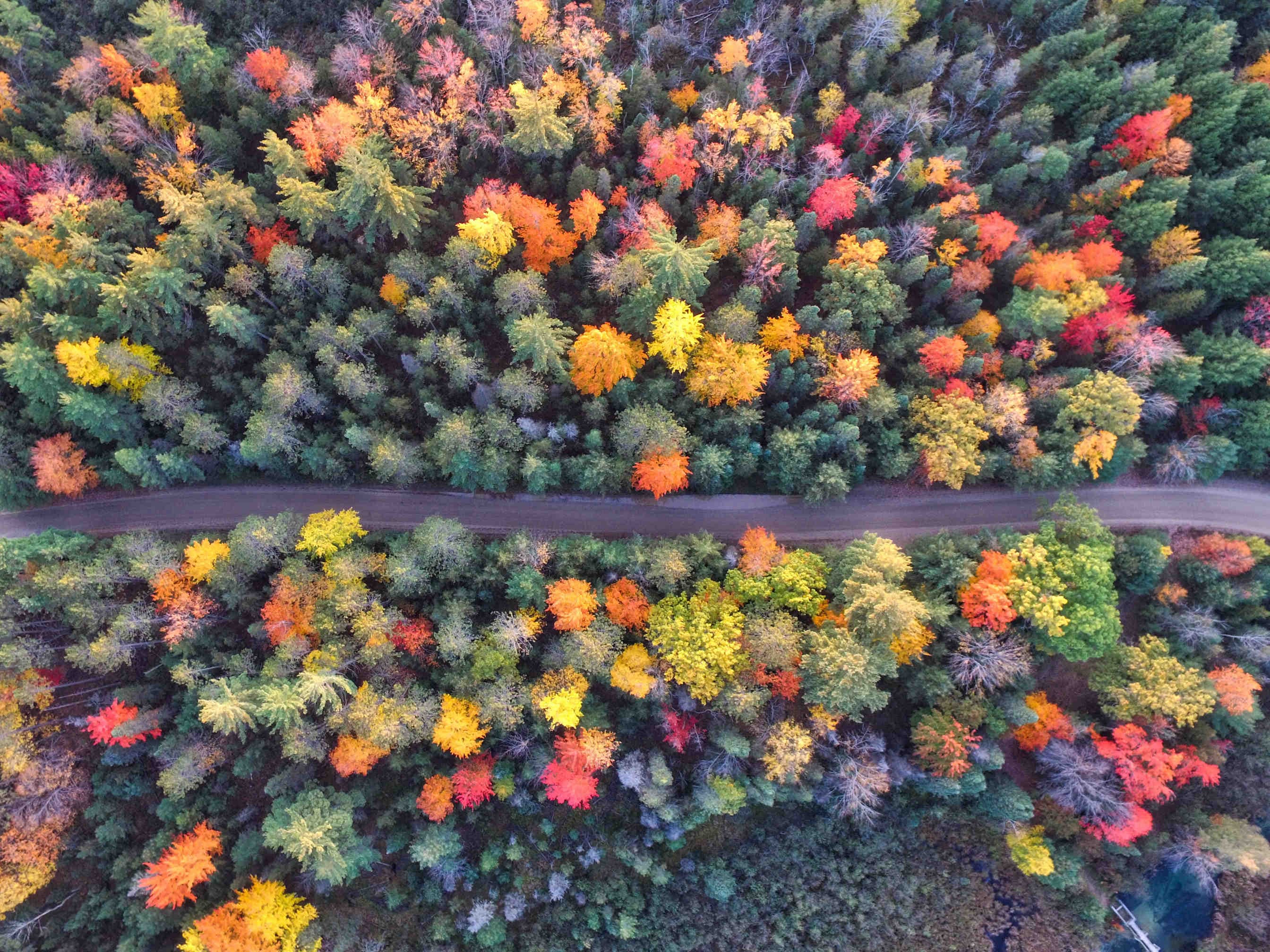
    Apart from criticising international projects that do not take into account the natural habitats in which new trees are planted, pushing for massive land use in a tight timeframe, Professor William John Bond also talks about the actual climate benefits of planting. Currently, the carbon released into the atmosphere each year amounts to about 4.7 billion tonnes. The contribution from planting new trees is far less than from natural reforestation. However, estimates of uptake are uncertain. Trees grow at different rates if planted or if natural, but climate also plays its part. Moreover, once a tree has reached maturity, its capacity to absorb carbon dioxide decreases to almost zero. What could be really useful to do is not only to reduce emissions, but to take concrete action to conserve ecosystems!

    Can trees be enough to save our planet?
    XNatura

    Bees, environment and biodiversity

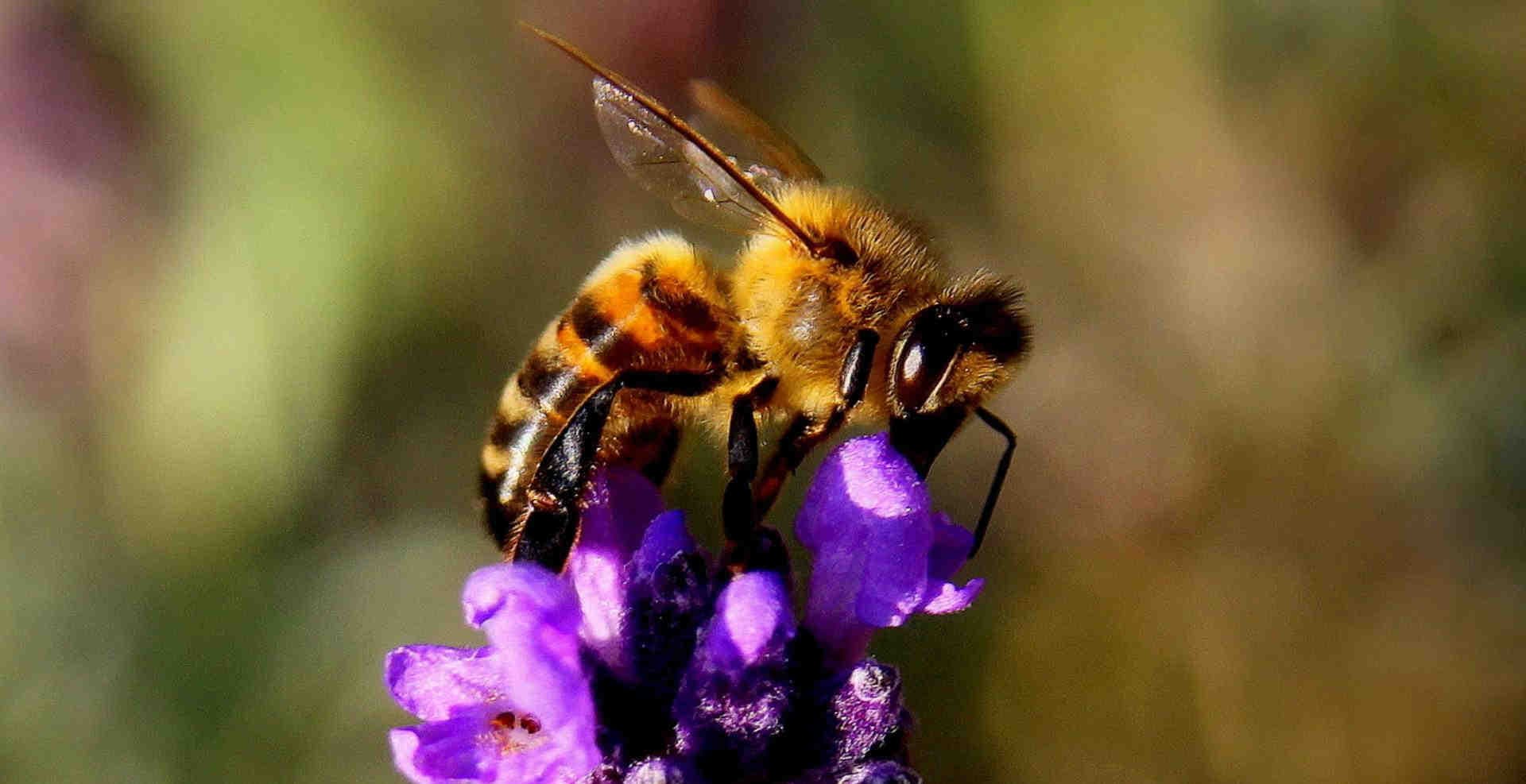
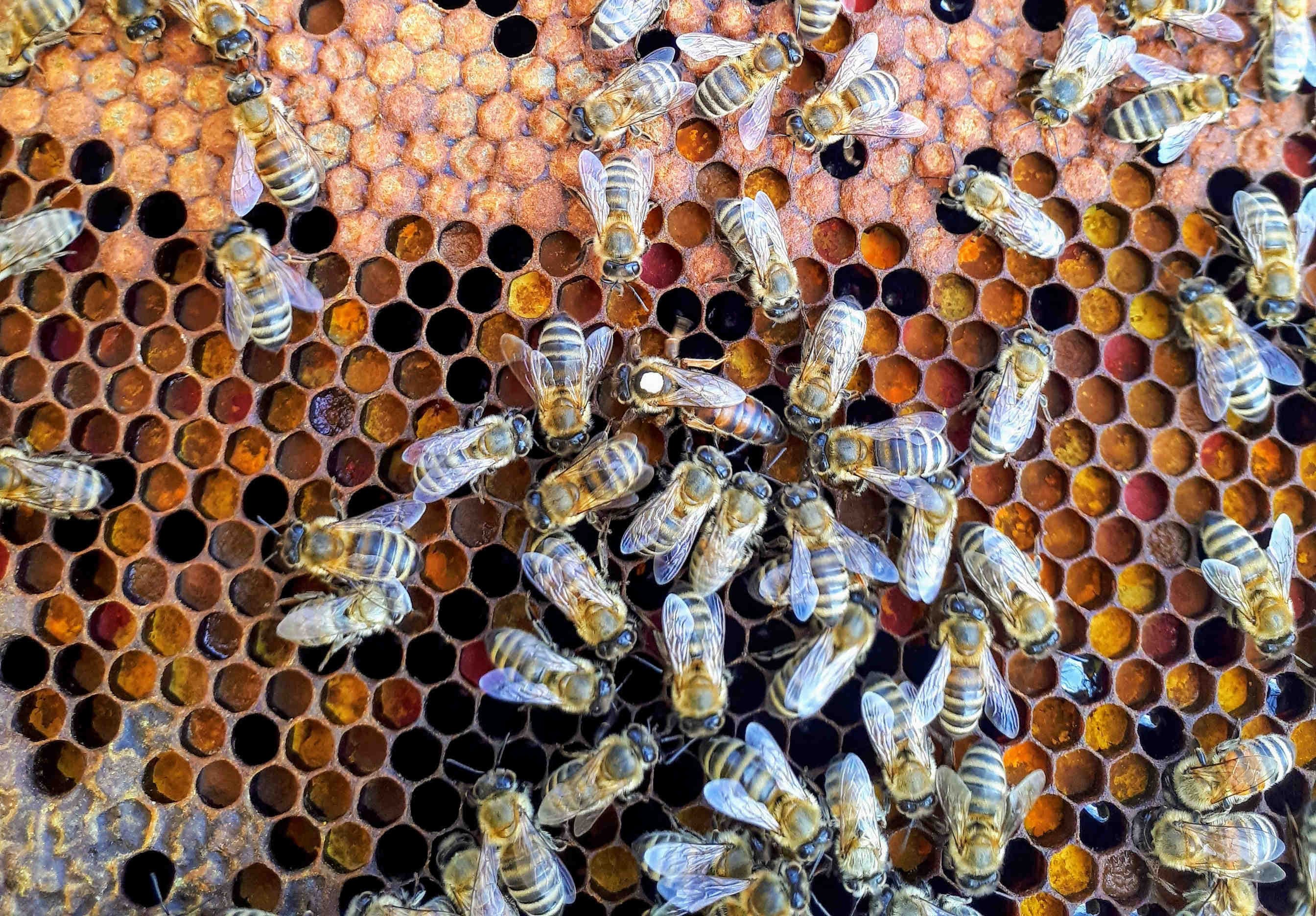
    We already know that bees play a very important role in agriculture, but what about the environment? About 80 per cent of wild and cultivated plants are pollinated by bees, which become even more valuable given the increasing decline of wild pollinators (source: Contessi, Le Api. Biologia, allevamento, prodotti). If we consider that there are about 200 cultivated plants in the world compared to about 350,000 wild plants, it is easy to understand how crucial bees are for our planet and different ecosystems. Without bees, many plants could no longer reproduce and would be doomed to extinction. What we may not realise is that the disappearance of even one plant due to a lack of pollination by bees could have enormous consequences in the long run. The repercussions could be so gigantic as to endanger biodiversity itself. The contribution of bees is therefore invaluable.
    Bees, environment and biodiversity

    The pollination cycle

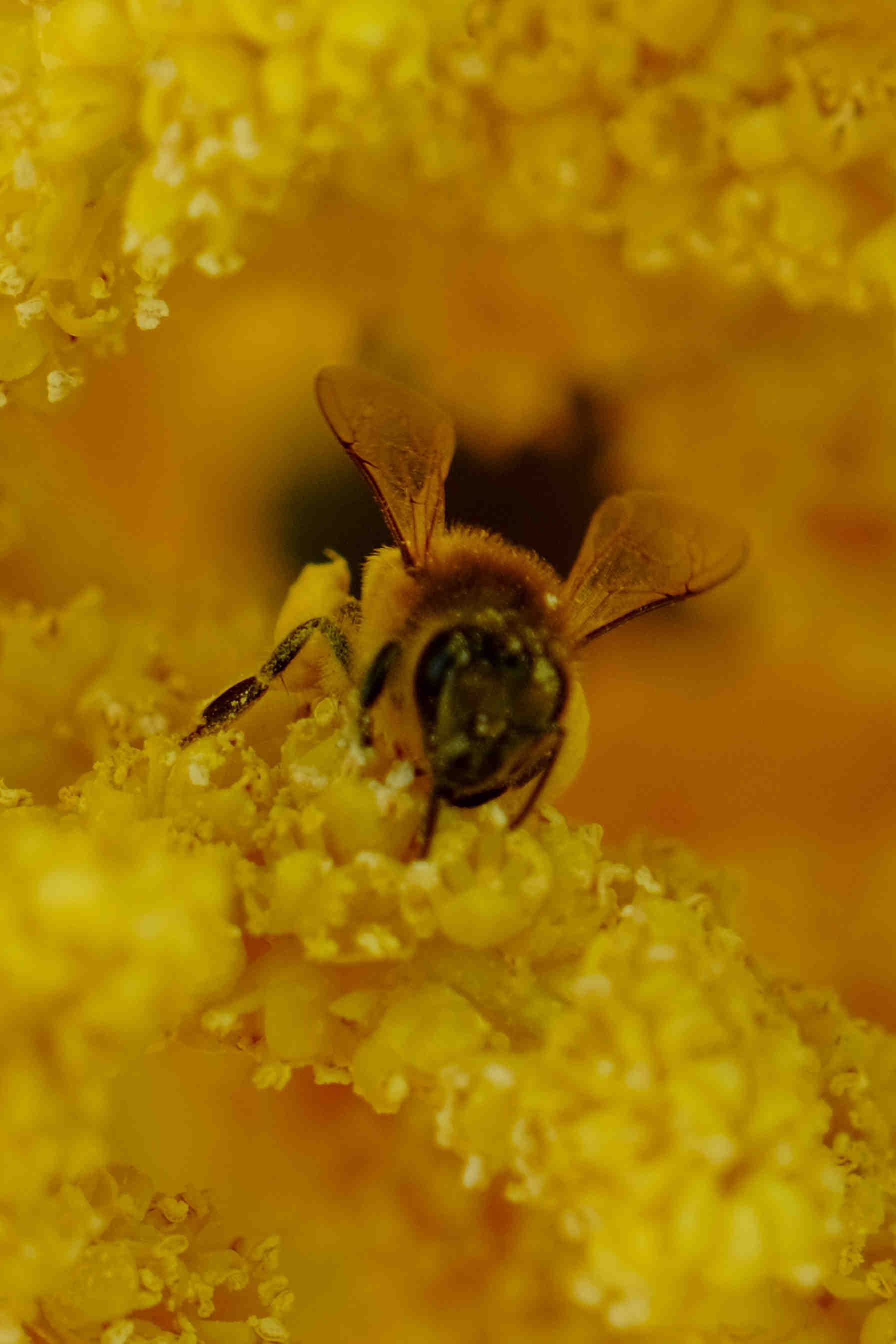
    Thanks to pollination, of which bees are the 'protagonists' as a result of their daily work of collecting pollen and nectar, many plants are able to reproduce. We know that a fertilised flower generates a fruit, essential for our food, but also the keeper of seeds that, dispersed in the environment, will give birth to new plants. New flowers will be born from them, which will attract new bees, thus creating a wonderful virtuous circle, of which we are the first beneficiaries.

    The pollination cycle
    XNatura

    To grow faster and counter soil erosion

    The extraordinary thing, however, is that the role of bees does not stop there! Studies carried out in Tunisia and Liguria, where there are respectively desert and fire-ravaged areas, have shown that vegetation grows back faster thanks to the intervention of bees. For some plant species, more than 50% more seeds were produced, and all thanks to the help of our honey bees! What about soils at risk of erosion? It has been shown that pollination by bees allows the rapid development of leguminous plants, which contribute to the fixation of nitrogen in the soil. In this way, the soil becomes more fertile, also benefiting those plant species that help consolidate the soil itself, thus counteracting its possible erosion.
    To grow faster and counter soil erosion
    3Bee

    Helping bees to help the environment

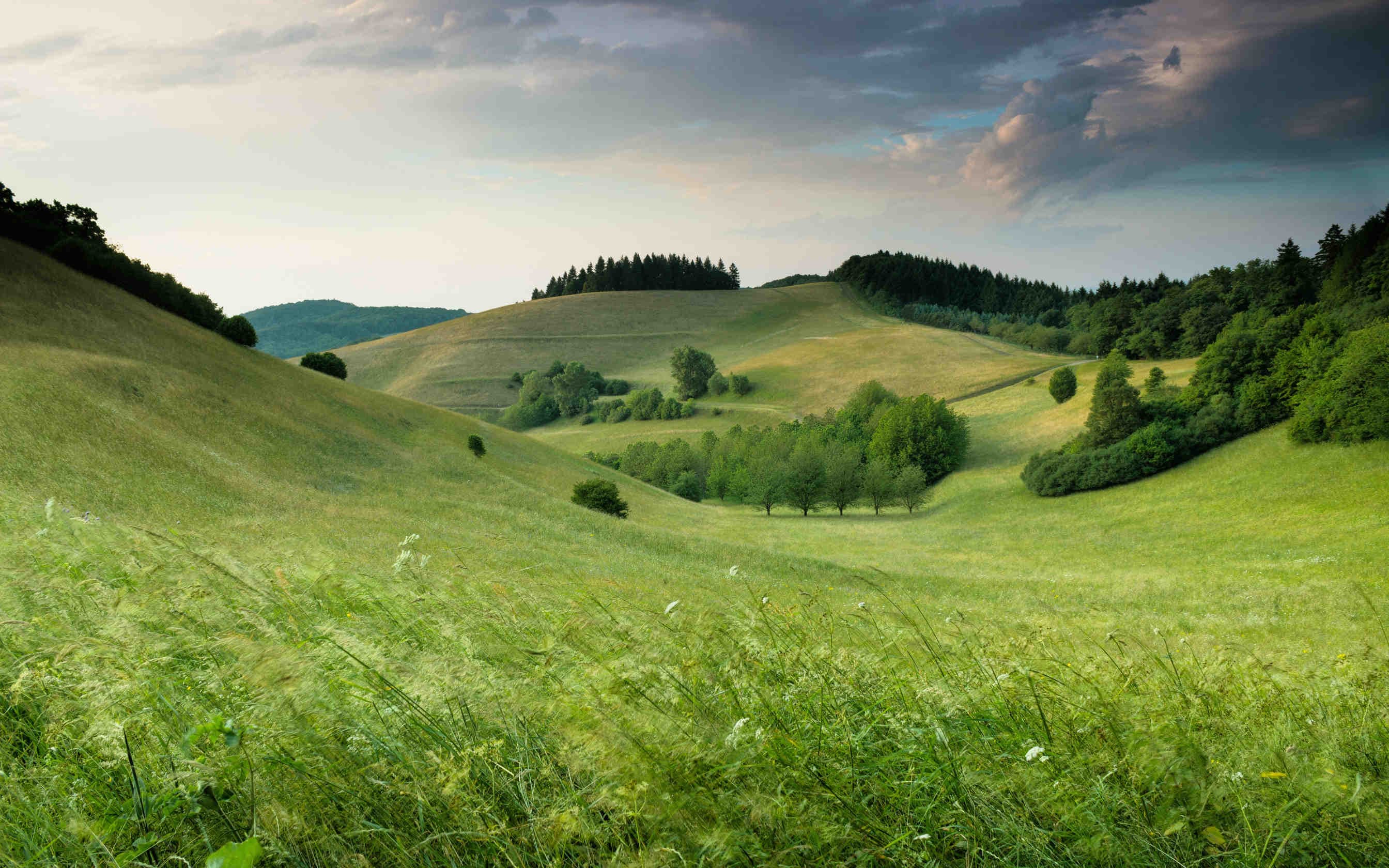
    By helping bees, therefore, we really help the environment, in many different ways. And bees really do need help. There are many factors that are seriously harming wild pollinators, which are dangerously diminishing. This makes our honeybees even more important! Reckless use of agro-pharmaceuticals, depletion of natural habitats, pests and diseases are just some of the threats that are endangering the lives of bees. And let us remember: without bees, all plants that depend on their daily contribution could no longer survive.
    Helping bees to help the environment

    Support bees by adopting a hive

    We can, however, lend a hand to those who already have bees and are experiencing more and more problems with their management, amidst a climate gone mad and ever new threats on the horizon. By adopting a beehive monitored with 3Bee technology, you will be supporting a beekeeper and his bees and be able to monitor your hive 24 hours a day! At the end of the beekeeping season, you will receive directly at your home the honey produced by the bees you support and you will be able to taste the fruit of their hard work, bringing to your table a genuine product that is a clear expression of the territory in which it is produced. Giving a beehive is also an ethical and innovative gift: do good for the environment and you will leave your loved ones speechless!
    Support bees by adopting a hive
    27/11/2019Of 3Bee, Elena Fraccaro
    440 Views
    Newsletter
    newsletter
    Subscribe to the Blog about bees and biodiversity