Why do some animals play dead? The strategy of thanatosis
    ThanatosisDeathPredatorsMating

    Why do some animals play dead? The strategy of thanatosis

    Thanatosis, or playing dead, is a defensive strategy used by many animal species to escape predators. Through immobility or mimicking death, animals attempt to deceive their aggressors, thereby increasing their chances of survival.

    Read the article
    12/02/2025Of 3Bee, Lara Vivarelli
    2424 Views
    12/02/2025Of 3Bee, Lara Vivarelli
    2424 Views

    What is thanatosis?

    Disclaimer: this is an automated translation from Italian. Go to the original article.

    The term thanatosis, or tonic immobility, in ethology, refers to a defensive behavior of animals that consists of simulating an apparent death state with complete suspension of movements, total stiffening of the body, sometimes accompanied by the exposure of ventral parts and the opening of the mouth. This type of behavior is widespread in insects but is also present in spiders, amphibians, reptiles, fish, birds, and mammals. It is a behavior that manifests itself against predators that usually feed on live prey when the distance is so close that it does not allow the use of defense mechanisms such as fleeing. Among all the tactics that animals have developed to escape predators, simulating one’s own death is perhaps one of the most creative but also risky.
    tanatosi immobilità tonica

    Why do some prey simulate death to survive?

    Thanatosis derives from the Greek word "thánatos", meaning death. It is a defensive strategy adopted by many prey in danger, simulating death to avoid predator attacks. Unlike “freezing,” which serves to go unnoticed, thanatosis is used when escape is impossible and is often the last resort to survive. The animal enters a state of immobility, with slowed heartbeat and respiration, yet remains vigilant, ready to "awaken" when the threat has passed. This strategy can work because many predators do not feed on decomposing carcasses, and some animals, like frogs, can even escape if regurgitated after being swallowed whole. Thanatosis is a widespread phenomenon across various species, from insects to vertebrates, representing an instinct for self-preservation that activates when all other defenses have failed. Although not always effective, it often saves lives.
    tanatosi insetti
    XNatura

    Thanatosis: how do predators deceive their prey?

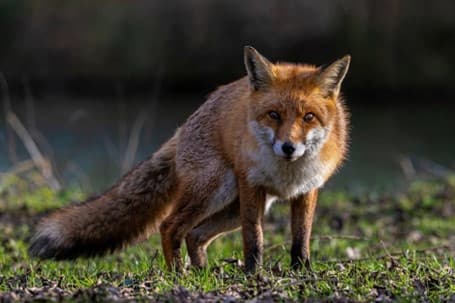
    Thanatosis, although more common in prey, can also be adopted by predators to deceive victims. An example is the common fox (Vulpes vulpes), which uses this tactic to lure crows. The crows, mistaking the fox for a carcass, approach unsuspectingly, but once within reach, they are caught and devoured. Another case is found in the African cichlid fish Nimbochromis livingstonii, which, lying on the sandy bottom appearing dead, attracts scavengers and then snatches them up as soon as they approach.
    volpe tanatosi

    Thanatosis and mating in animals

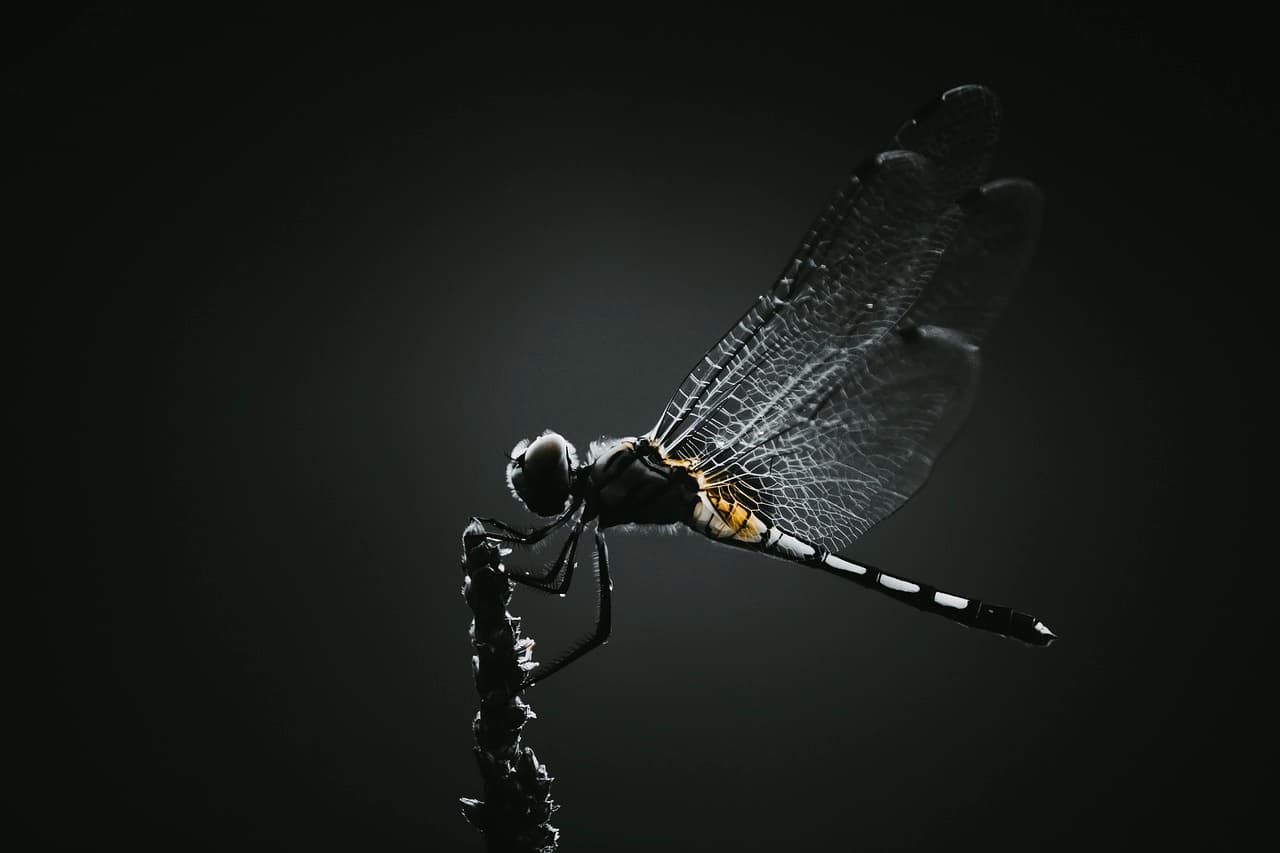
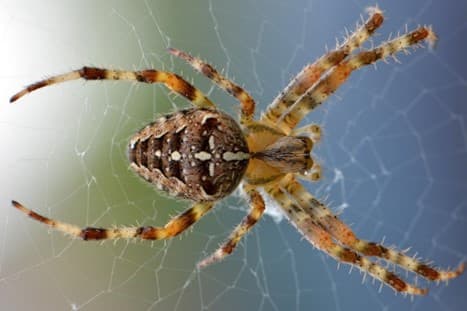
    Most animals play dead to avoid danger, but some use it differently. An example is the Pisauridae spider, also known as the "nursery web spider." Females of this species often kill and eat males, so the males, to mate, create a diversion: they prepare a ball of food to which they attach themselves pretending to be dead. The female, attracted by the food, drags it along with the immobile male, but when she starts eating, the male wakes up and tries to mate, sometimes succeeding. In this case, playing dead seems to be a mating strategy as well as a defense against female cannibalism. In contrast, the female alpine dragon, a large dragonfly, adopts the opposite behavior: to avoid mating, it stops flying and drops to the ground to escape overly aggressive males.
    tanatosi ragni accoppiamenti
    XNatura

    The strategy of thanatosis in invertebrates

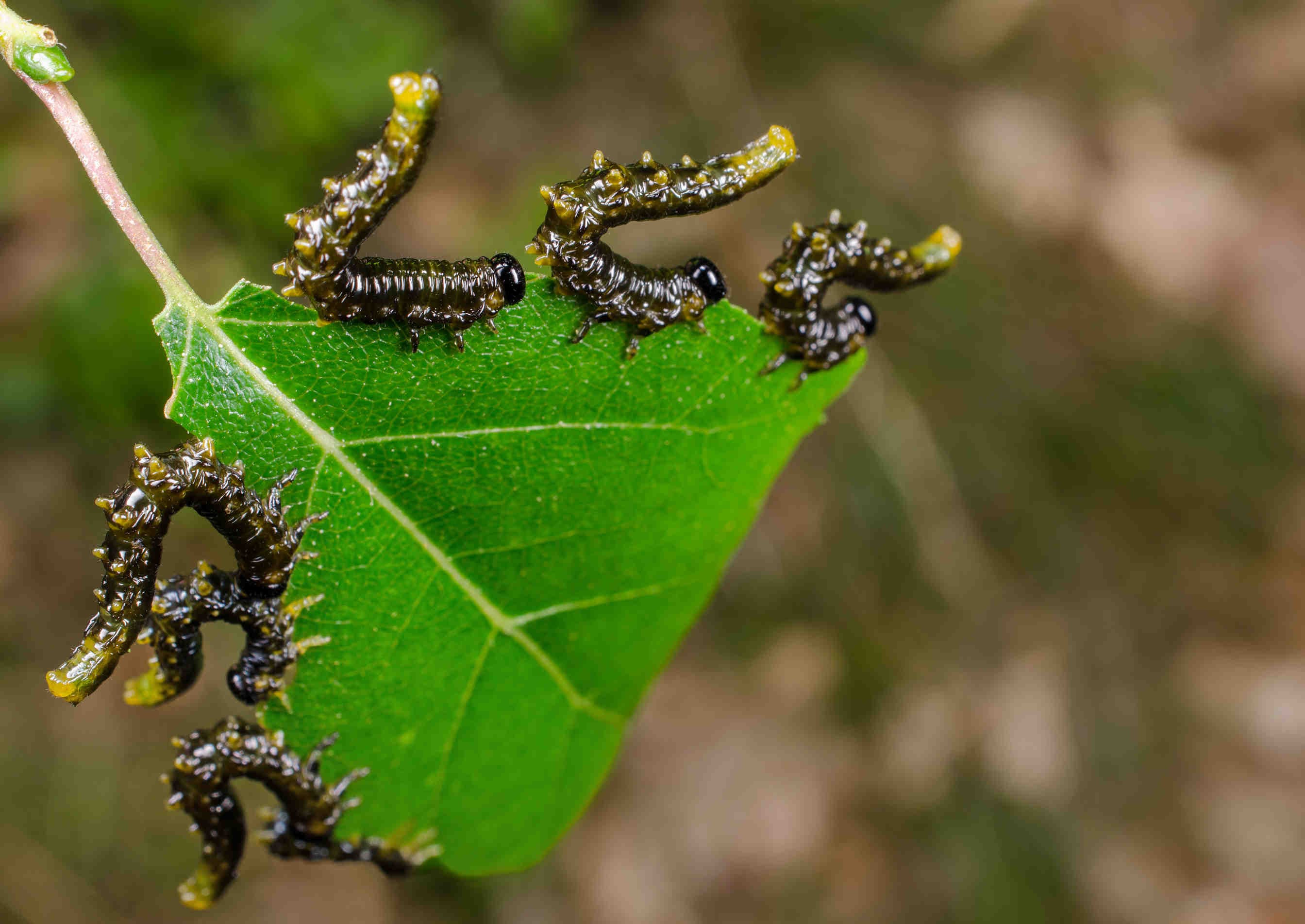
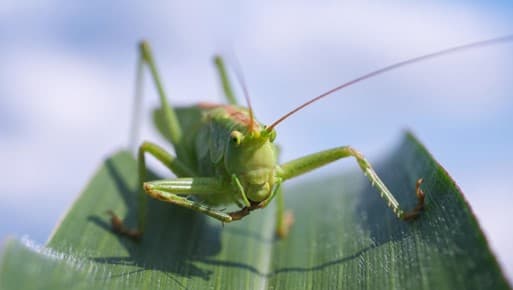
    Thanatosis is a behavior observed in many invertebrates, including crustaceans, stick insects, spiders, butterflies, blowflies, cicadas, crickets, beetles, ants, bees, and wasps. It is particularly common among insects, especially beetles. Many of them simulate death after being captured, a phenomenon known as "post-contact immobility". For example, the Japanese grasshopper Tetrix ornata stiffens its legs to make it difficult to swallow by frogs. The larvae of the antlion Euroleon nostras, on the other hand, can pretend to be dead for 61 minutes: if a sparrow catches them, it drops them and the immobile larva avoids the predator.
    tanatosi insetti invertebrati
    3Bee

    The thanatosis strategy in amphibians

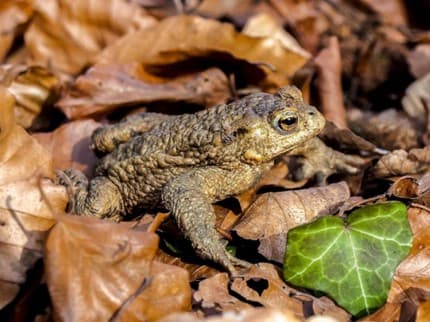
    Examples of thanatosis are also observed among amphibians. For instance, the African toad, when threatened, lies on its back with its limbs folded, apparently dead. A similar behavior is found in the common toad: when attacked, it first tries to puff up to make itself difficult to swallow, releasing a milky and irritating secretion to discourage the predator. If these attempts fail, it lies on its back, simulating death. Similar behaviors have also been observed in some European species, such as the agile frog.
    rospo tanatosi

    The strategy of thanatosis in fish

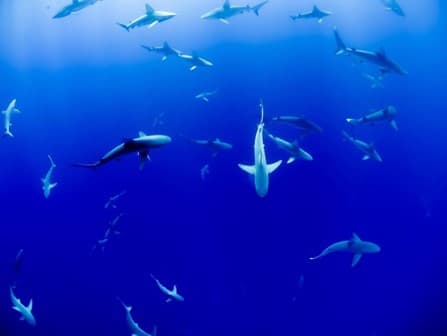
    Thanatosis is also observed among fish. In sharks, for example, it can be induced by turning them over or stimulating their snout, which is rich in nerve endings. Orcas use this technique to stun and flip sharks, inducing thanatosis in them and allowing them to feed without risking attacks. A similar behavior occurs in rays. Among fish, neon fish and cardinalfish, belonging to the Characidae, simulate death when caught, floating inertly until returned to the aquarium. Surprisingly, some predatory cichlids, like Haplochromis livingstoni and Parachromis friedrichsthalii, use thanatosis as a hunting tactic. They position themselves to appear like corpses on the bottom, attracting scavenger fish, only to "awaken" and attack. Similarly, the comb grouper of Brazil plays dead to attract fry.
    tanatosi pesci

    The strategy of thanatosis in reptiles

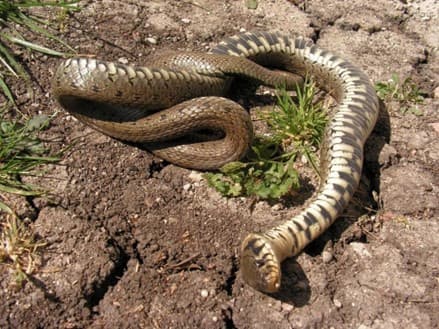
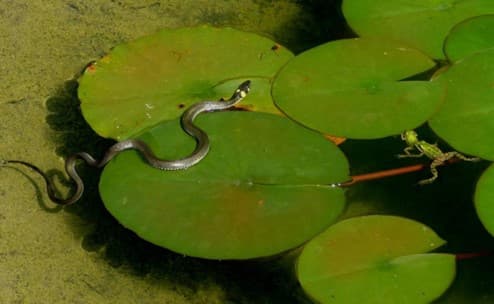
    Thanatosis is common in reptiles. The African earless chameleon pretends to be dead by rapidly expanding its melanophores, changing its color to appear lifeless to predators. Some snakes, such as the grass snake and the hog-nosed snake, also use this strategy. The hog-nosed snake, when threatened, turns over to show its pale belly, with its mouth open and a foul smell that simulates decay. If the predator does not give up, the snake resumes its death pose. Among the Ticino grass snakes, like the Natrix tessellata and the Natrix helvetica, if the danger persists, they simulate defensive bites without biting and then pretend to be dead, exposing their belly, opening their mouth, and sometimes bleeding. This behavior, accompanied by foul-smelling secretions, makes the snake unappealing to predators. Once the danger has passed, the snake gets up and moves away to safety.
    tanatosi rettili serpenti natrici

    The strategy of thanatosis in birds and mammals

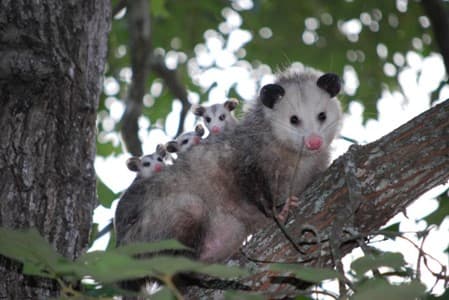
    Some birds and mammals also adopt thanatosis as a defensive strategy. The kingfisher, when frightened, stiffens its muscles to appear dead, while the corncrake pretends to be dead to escape, then suddenly takes flight. Among mammals, the most well-known example is the Virginia opossum (Didelphis virginiana), which, when threatened, enters a coma-like state for hours. It lies on its side, with its mouth and eyes wide open, tongue hanging out, and secretes a green and foul-smelling liquid, simulating death. This behavior, which includes an immobile body and glazed eyes, can last from a few seconds to a few hours and is intended to deceive predators.

    tanatosi uccelli e mammiferi opossum della virginia
    12/02/2025Of 3Bee, Lara Vivarelli
    2424 Views
    Newsletter
    newsletter
    Subscribe to the Blog about bees and biodiversity

    Frequently Asked Questions

    Do you have any doubts or other curiosities about this article? Here you will find some insights