Killer whales: queens of the seas
Killer whales (Orcinus corca) are
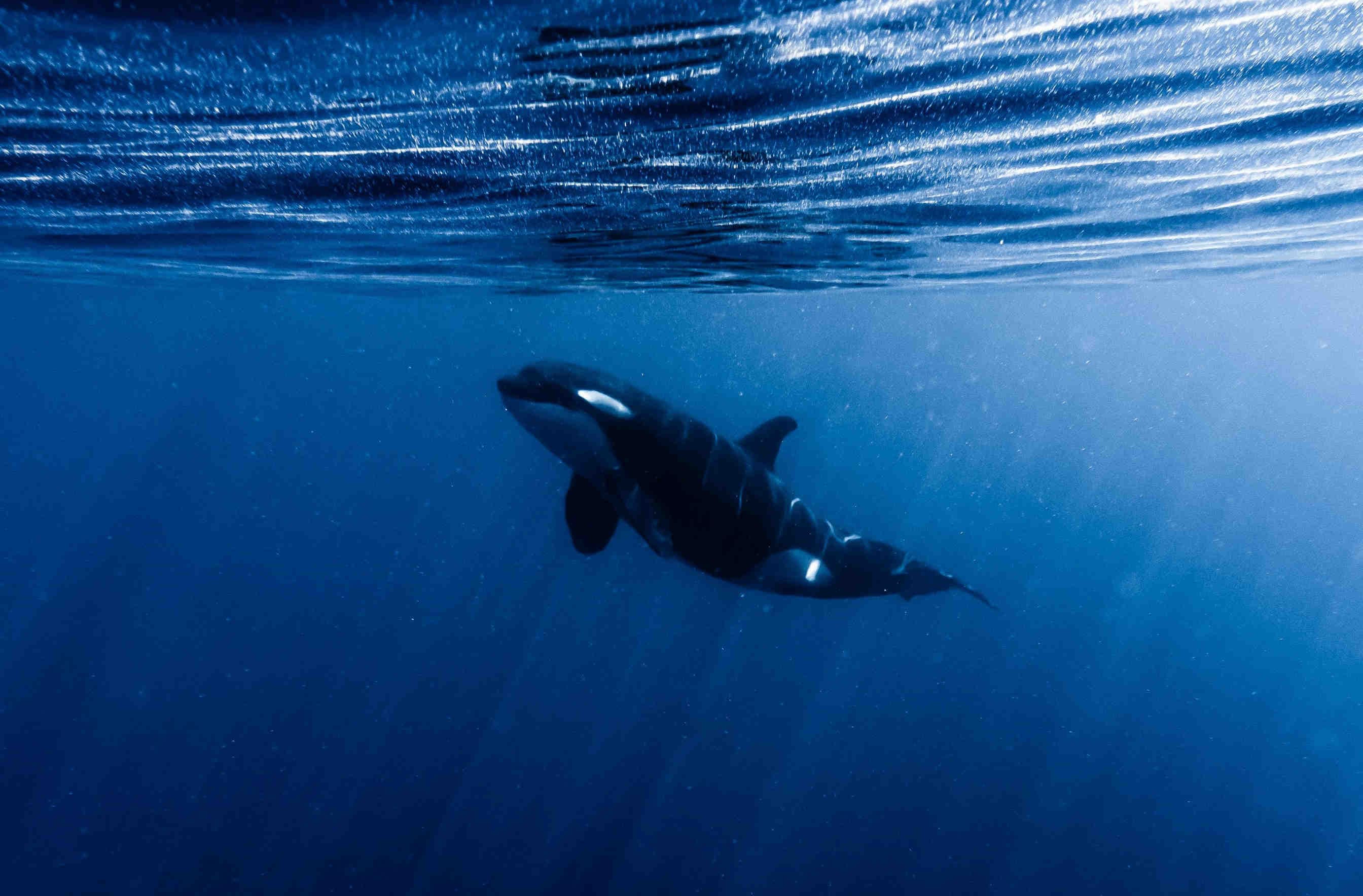
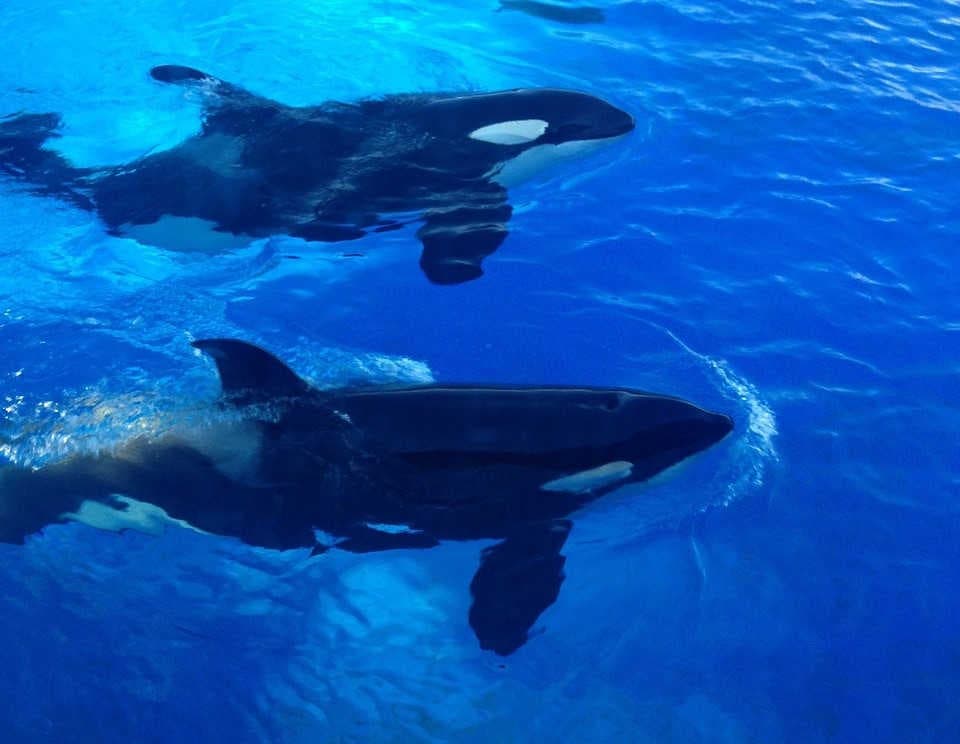
Cultural traditions are not exclusive to humans. Even in the animal world, they play a crucial role in the development and transmission of behaviour. But can they influence the evolution of species themselves? Let us find out in this article by analysing the case of killer whales.
Read the articleKiller whales (Orcinus corca) are
Highly intelligent animals with a complex social structure, killer whales live in groups called


Killer whales are formidable killers and have no predators in the wild. For this reason, they are considered

For example, there are two distinct ecotypes of killer whales in the North Pacific Ocean: the
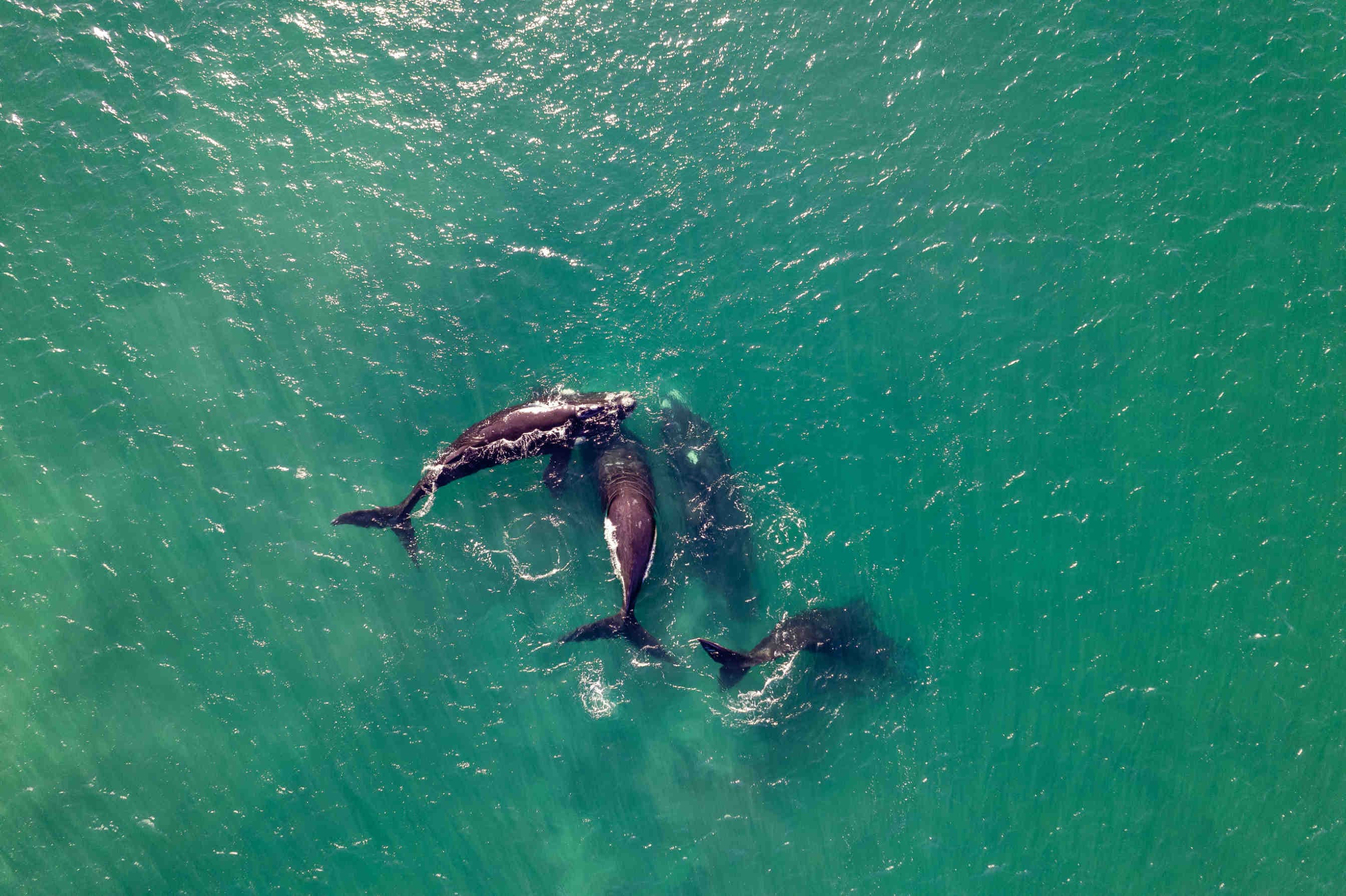

If we define


Well, according to a study published in Nature communications and titled "Genome-culture co-evolution promotes rapid divergence of killer whale ecotypes", cultural practices may have influenced, and may still influence, the evolution of these extraordinary animals. Genetic analyses conducted by the researchers revealed that the separation between the two main ecotypes (transient and resident) occurred around 68,000 and 35,000 years ago, respectively. Furthermore, it emerged that
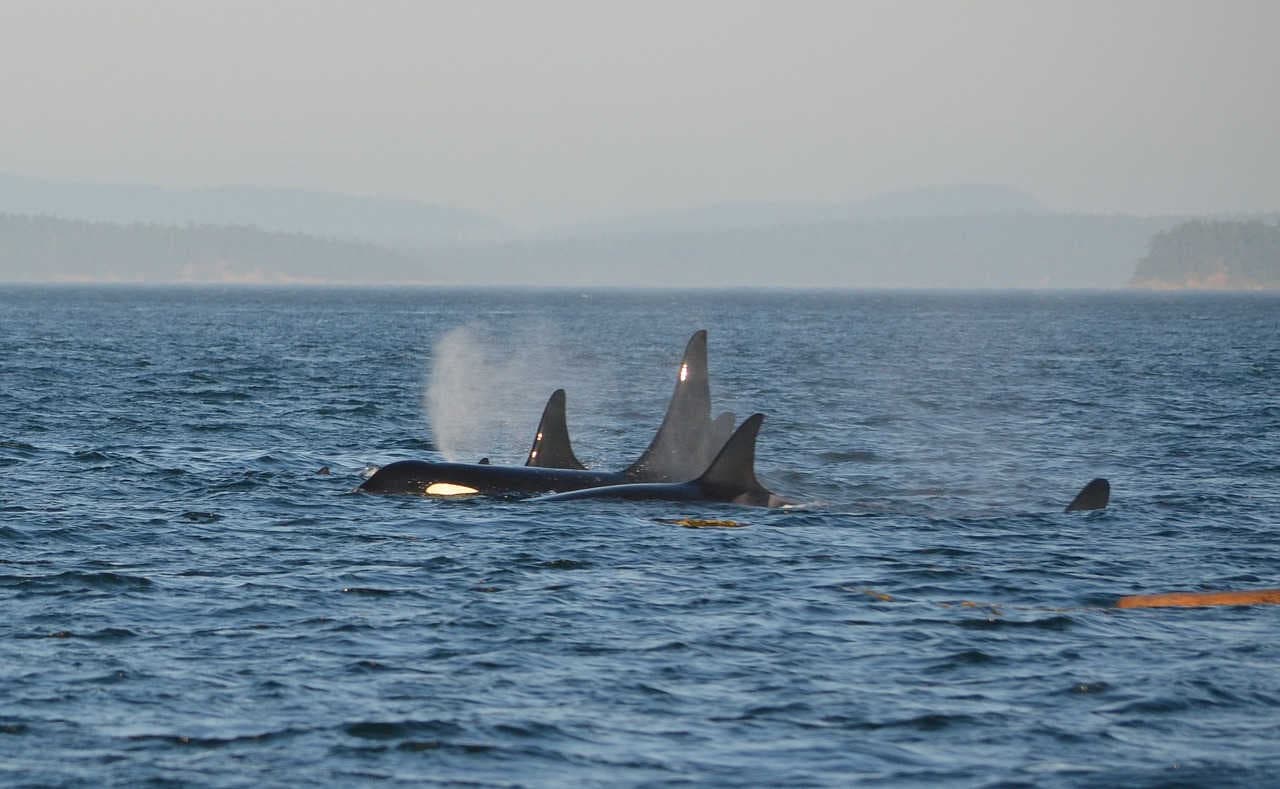
Furthermore, according to the study, the diet of different killer whale groups
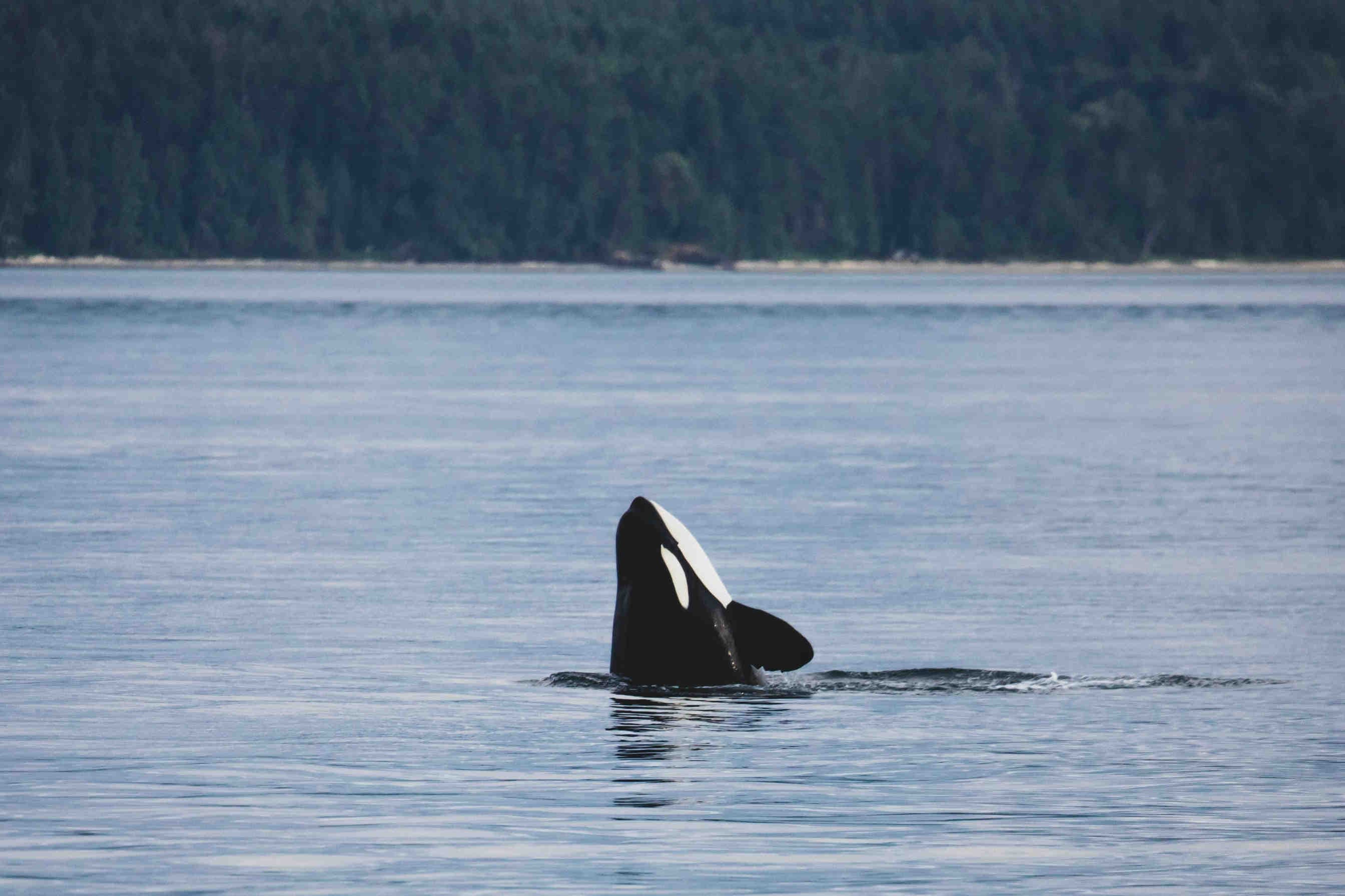
Despite being incredible predators of extraordinary intelligence, the survival of orcas is under constant threat. A recent study has, for instance, highlighted the inexorable decline of the last 75 resident killer whales along the Pacific coast of North America, attributing it mainly to the intensive fishing of king salmon, their main food. Not only that, despite the official 1982 hunting ban by the IWC, humans and their illegal activities continue to threaten these magnificent animals. Killer whales are considered a nuisance to fishing vessels, and are often intentionally attacked, as they are wrongly blamed for the dwindling fish stocks in the seas. Furthermore,


Do you have any doubts or other curiosities about this article? Here you will find some insights