What is the melanocetus? The 'black devil' fish spotted in Tenerife
    Black devilDimorphismSightingCuriosities

    What is the melanocetus? The 'black devil' fish spotted in Tenerife

    The Melanocetus johnsonii, known as the 'black devil' fish, was recently spotted in Tenerife. This species is one of the most fascinating and mysterious in the oceans. Discover its characteristics, habitat, and role in the marine ecosystem in this article.

    Read the article
    10/02/2025Of 3Bee, Lisa Santillo
    5702 Views
    10/02/2025Of 3Bee, Lisa Santillo
    5702 Views

    "Black devil" fish: main characteristics

    Disclaimer: this is an automated translation from Italian. Go to the original article.

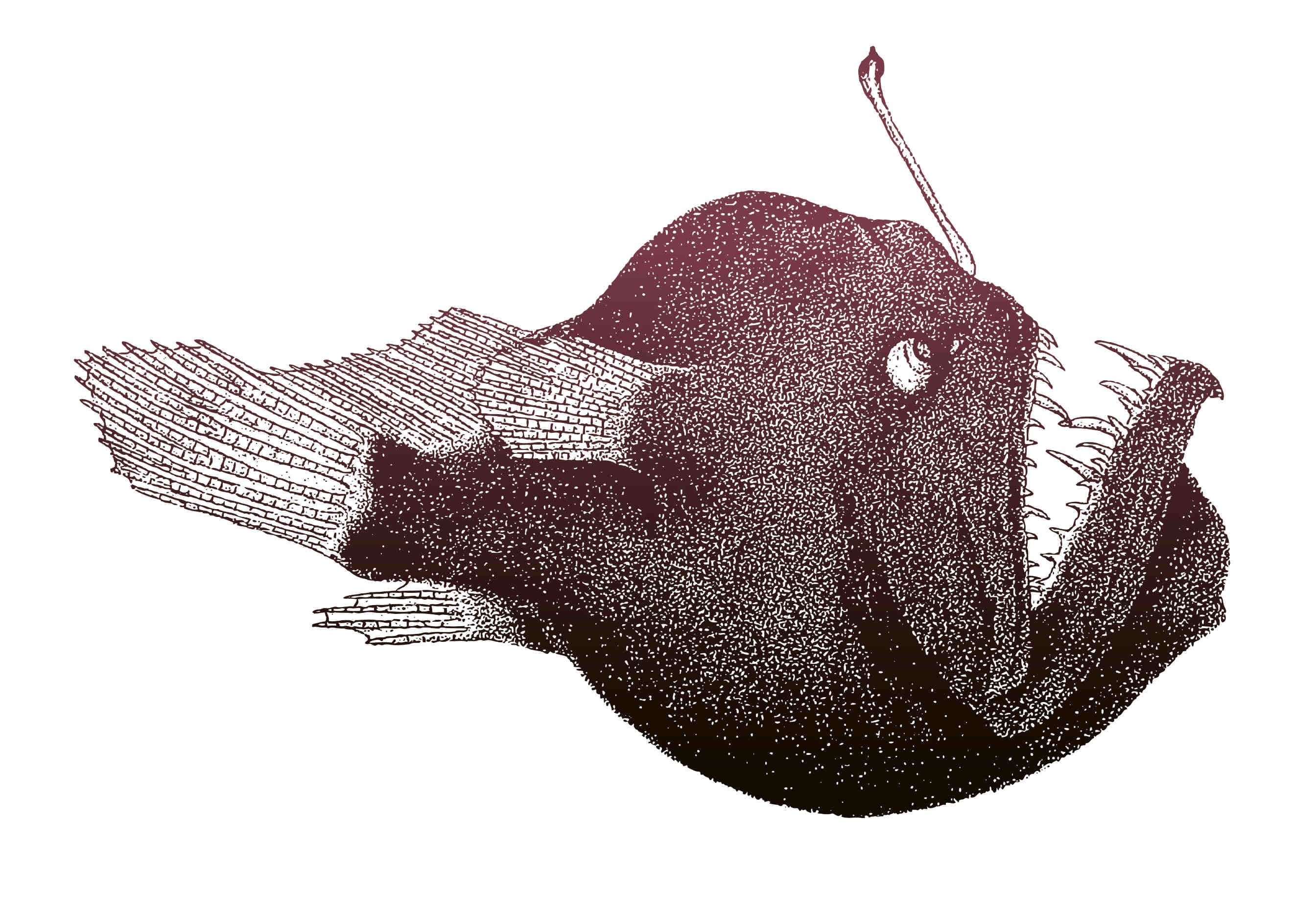
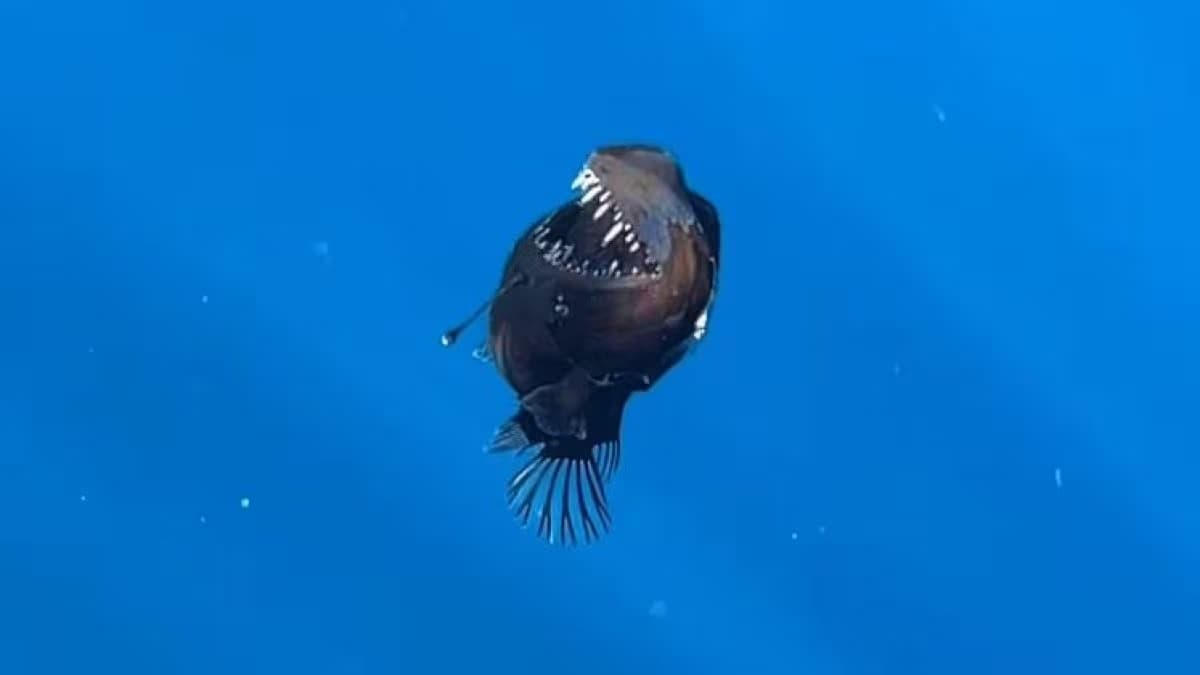
    The Melanocetus johnsonii, known as the "black devil" fish, is a deep-sea species that lives at depths ranging from 200 to 2000 meters below sea level. In these dark and high-pressure areas, the black devil has developed extraordinary adaptations. The melanocetus belongs to the order Lophiiformes, animals generally known as "anglerfish" due to the characteristic presence of the illicium, a small dorsal appendage that emits light to lure prey using bioluminescence (just like fireflies). These, attracted by the light, get trapped in its wide mouth full of sharp teeth.

    Credits: David Jara Boguñá / Condrik Tenerife / Instagram

    melanoceto pesce diavolo nero

    Sexual dimorphism and parasitism in the 'black devil' fish

    Female anglerfish can reach up to 18 cm in length, while the males, much smaller, measure only 3 cm. This sexual dimorphism is a distinctive characteristic of the 'black devil' fish and is quite rare in the animal kingdom. The females are larger and have a well-developed illicium and a wide mouth, with sharp and pointed teeth, ideal for capturing prey. The males, on the other hand, are almost microscopic and, in many species of anglerfish, can transform into sexual parasites. In fact, they bite the females on the sides to attach themselves to their body, thus joining their circulatory systems. In this way, the males depend entirely on the females for nourishment, intervening only during reproduction. This phenomenon is known as sexual parasitism. However, in the case of Melanocetus johnsonii, scientists have observed that the males detach from the females after mating to search for another.
    melanoceto pesce diavolo nero
    XNatura

    "Black devil fish": the incredible sighting in Tenerife

    An extraordinary sighting recently occurred in the waters of the Atlantic Ocean, off the coast of Tenerife in the Canary Islands. The wildlife photographer David Jara Boguñá filmed a specimen of Melanocetus johnsonii while swimming vertically towards the surface, sharing the images on his Instagram profile along with the non-profit organization Condrik Tenerife, which specializes in chondrichthyan research (sharks and rays). According to Jara Boguñá, this could be the world's first recorded sighting of an adult black devil fish observed during the day and close to the surface. Until today, in fact, recordings included only larvae, dead specimens, or footage taken with submarines, at depth. The reason for this behavior is not known for certain, but among the hypotheses, it is suggested that the female was sick, had been driven by an upward current, or was trying to escape a predator.

    Some curiosities about the "black devil" fish

    The scientific name of the melanocetus, Melanocetus johnsonii, is a tribute to the naturalist James Yates Johnson, who was the first to describe it in 1863, in the waters of the Madeira archipelago in Portugal. The term "melanocetus" derives from Latin and means "black sea monster," a name that perfectly fits its frightening appearance and particularly its sharp teeth, useful for biting prey. Another interesting anecdote concerns a very famous Disney-Pixar animated film, Finding Nemo. Remember the scene in which Marlin and Dory find the diving mask? The ferocious monster fish that appears is the Melanocetus johnsonii, and it is thanks to its bioluminescent appendage, the illicium, that Dory can read the label on the diving mask while Marlin is constantly being chased.

    XNatura
    10/02/2025Of 3Bee, Lisa Santillo
    5702 Views
    Newsletter
    newsletter
    Subscribe to the Blog about bees and biodiversity

    Frequently Asked Questions

    Do you have any doubts or other curiosities about this article? Here you will find some insights