What is climate change?
    Climate - WeatherClimate crisisCausesGreenhouse gases

    What is climate change?

    For years, there has been talk of climate change and its increasingly evident impact, but what exactly is it? Why do greenhouse gases cause such significant changes in the global climate? In this article, we will answer these questions and clarify this fundamental topic.

    Read the article
    23/01/2025Of 3Bee, Lara Vivarelli
    151 Views
    23/01/2025Of 3Bee, Lara Vivarelli
    151 Views

    What is the difference between climate and weather?

    Disclaimer: this is an automated translation from Italian. Go to the original article.

    Weather and climate are distinct phenomena but often confused. The weather describes the atmospheric conditions at a given time and in a specific area, such as temperature and precipitation. It is an instant "snapshot" of atmospheric conditions, which vary from day to day. The climate, on the other hand, is the average of weather conditions over a long period, usually 30 years. It does not refer to single events, but to the frequency and trend of certain phenomena over time. These differences are fundamental: while weather changes rapidly, climate evolves slowly, also influenced by human activities.
    differenza tra clima e meteo, cambiamento climatico

    What is climate change?

    Climate change refers to long-term alterations in temperatures and weather patterns. These changes can be caused by natural factors, such as seasonal, decadal, and centennial fluctuations due to Earth's orbit, solar radiation, ocean circulation, and volcanic eruptions; in recent decades, climate change has intensified and accelerated. This phenomenon is primarily linked to anthropogenic activities, which have led to a significant increase in greenhouse gases in the atmosphere. Since the first World Climate Conference in 1979, scientists have been committed to studying how to predict and address the effects of climate change, recognizing their negative impact on human well-being and the environment.

    cosè il cambiamento climatico
    XNatura

    What are the causes of climate change?

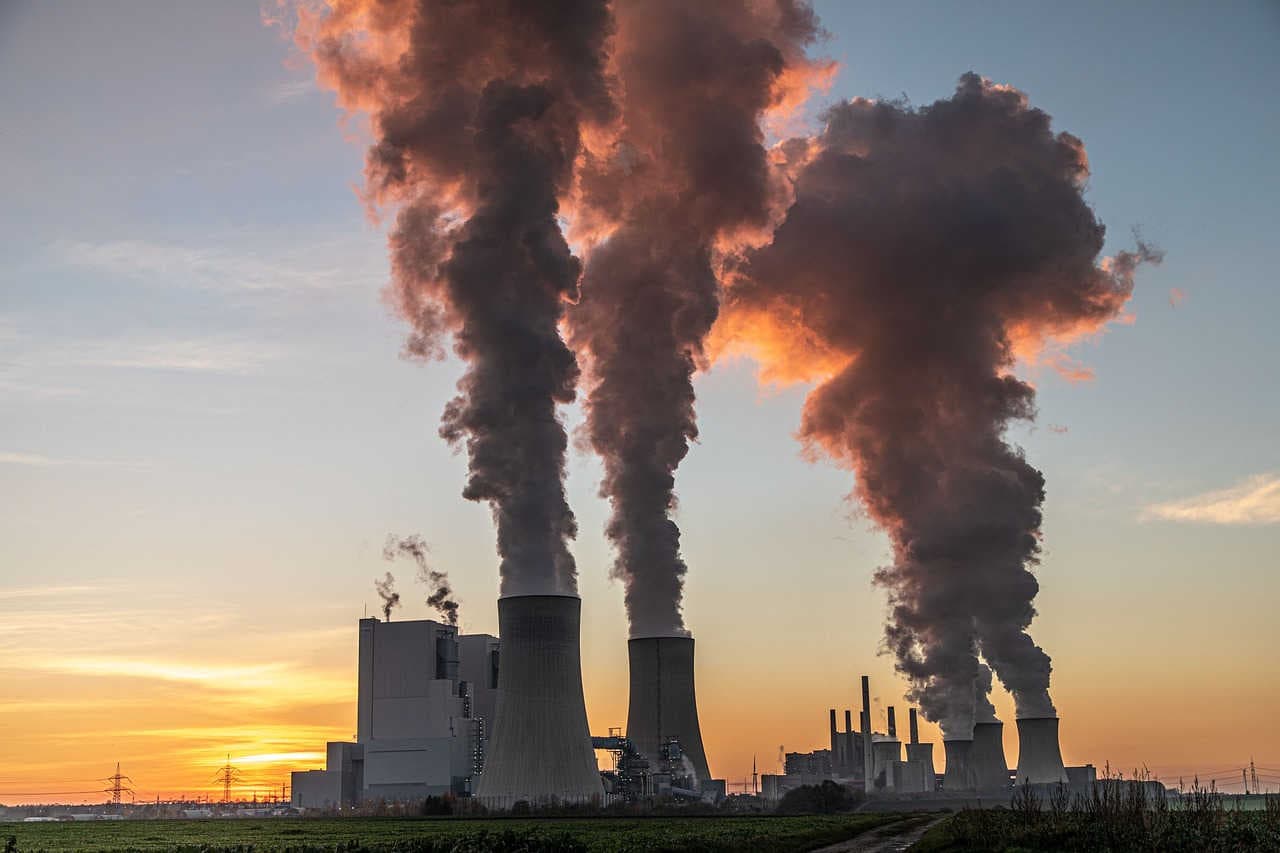
    Climate change refers to long-term changes in temperature and weather patterns. These changes can be natural, such as those caused by solar activity or volcanic eruptions. However, since the 1800s, human activities have become the main driver of climate change, primarily through the burning of fossil fuels like coal, oil, and gas. This process releases greenhouse gases, such as carbon dioxide and methane, which trap heat in the atmosphere, increasing temperatures. The main sources of emissions are transportation, energy, industry, agriculture, and deforestation. Such activities contribute to global warming, with significant impacts on the Earth's climate.
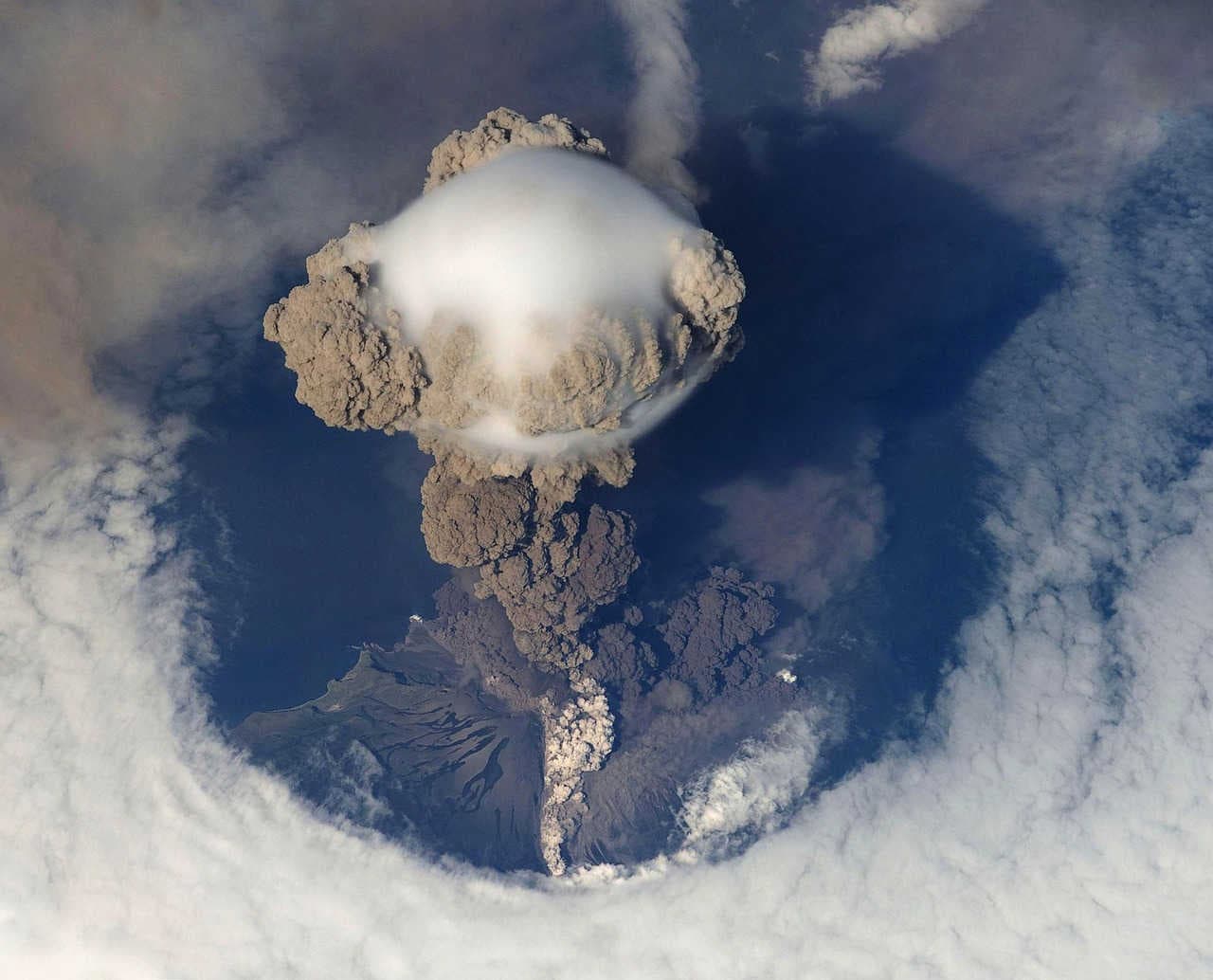
    fattori naturali e antropici che contribuiscono al cambiamento climatico

    How do greenhouse gases affect global warming?

    The greenhouse gases are among the main causes of Earth's warming and have likely contributed to the development of life on our planet. However, their concentrations, such as CO2, methane, and nitrous oxide, are rapidly increasing and are currently at the highest levels in history. Since 1750, CO2 has increased by 31% and methane even by 151%. This increase is mainly due to human activities, such as agriculture, the use of fossil fuels, and land exploitation, which have increased with population growth and related lifestyles. Anthropogenic emissions of greenhouse gases are so significant for the consequent warming of the Earth's surface because they are able to reflect infrared radiation that heats the atmosphere.

    gas serra cambiamento climatico
    XNatura

    Is humanity responsible for climate change?

    Climate change is primarily caused by human activities, which have accelerated global warming over the past two centuries. Greenhouse gas emissions from fossil fuel combustion and other practices, such as intensive agriculture and deforestation, are causing unprecedented warming. The global average temperature has increased by about 1.2°C compared to the pre-industrial period, a rise unmatched in the last 100,000 years. Furthermore, the recent decades have recorded the warmest periods, with each consecutive decade surpassing the previous one in terms of temperatures. While many associate climate change with rising temperatures, its effects also extend to phenomena such as extreme weather events, sea level rise, and ecosystem changes.
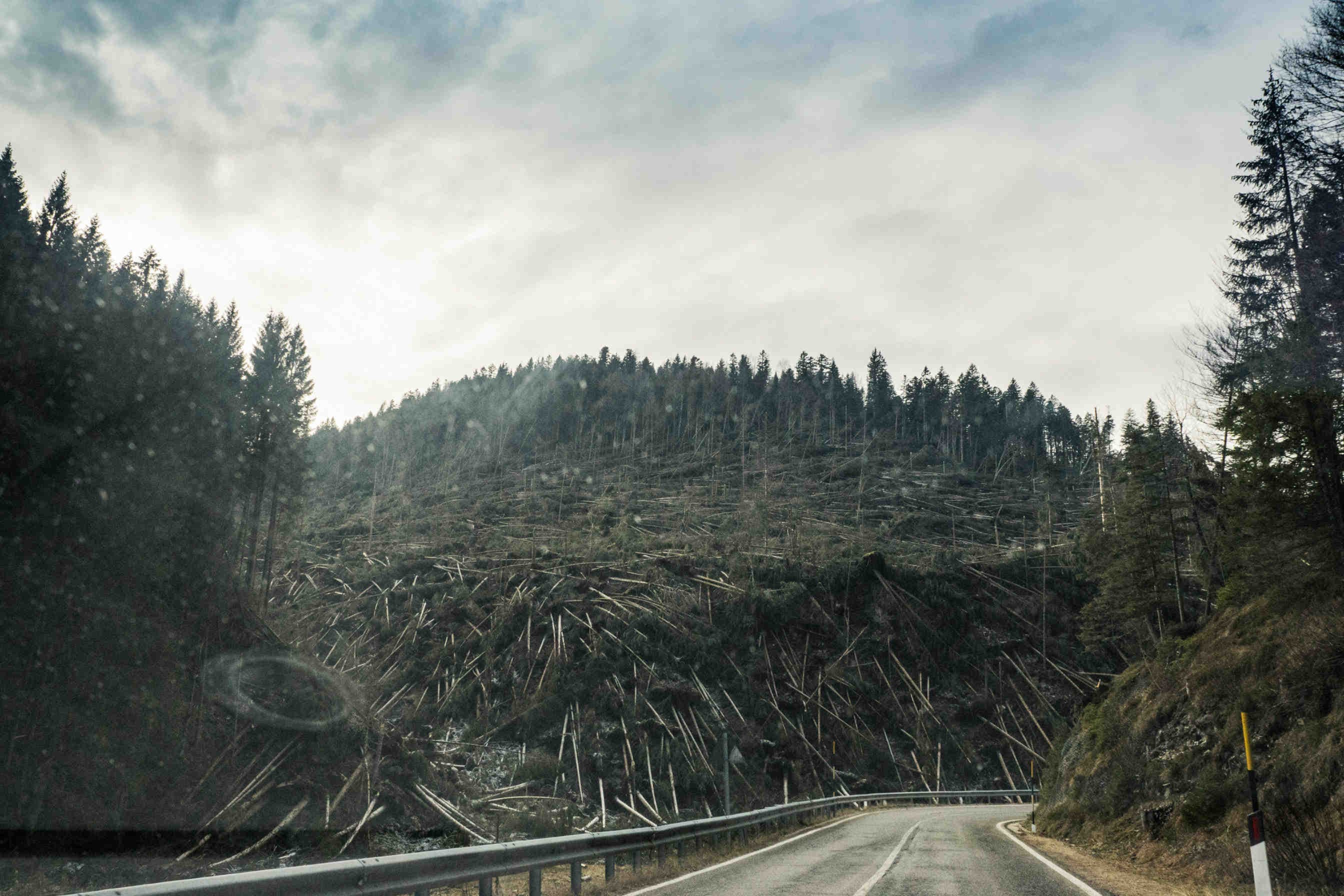
    responsabilità umana cambiamento climatico
    3Bee

    What are the consequences of climate change?

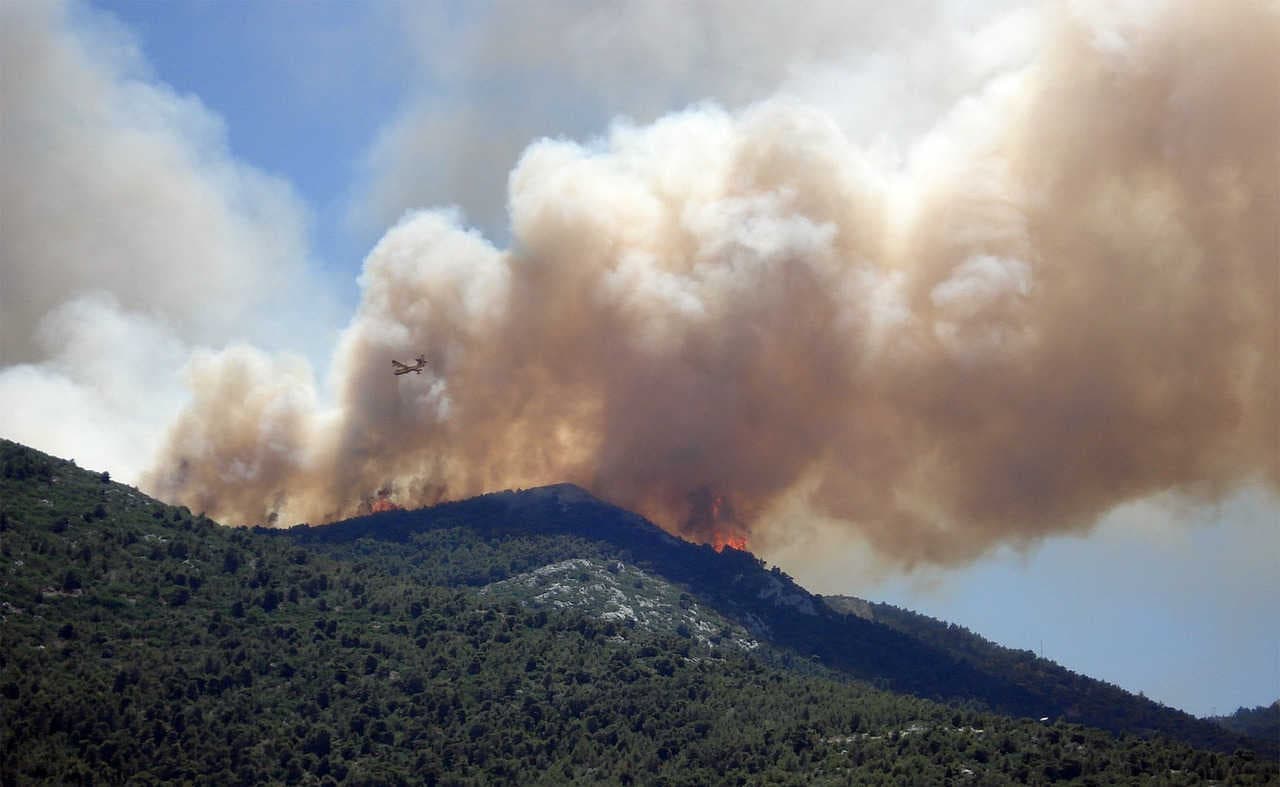
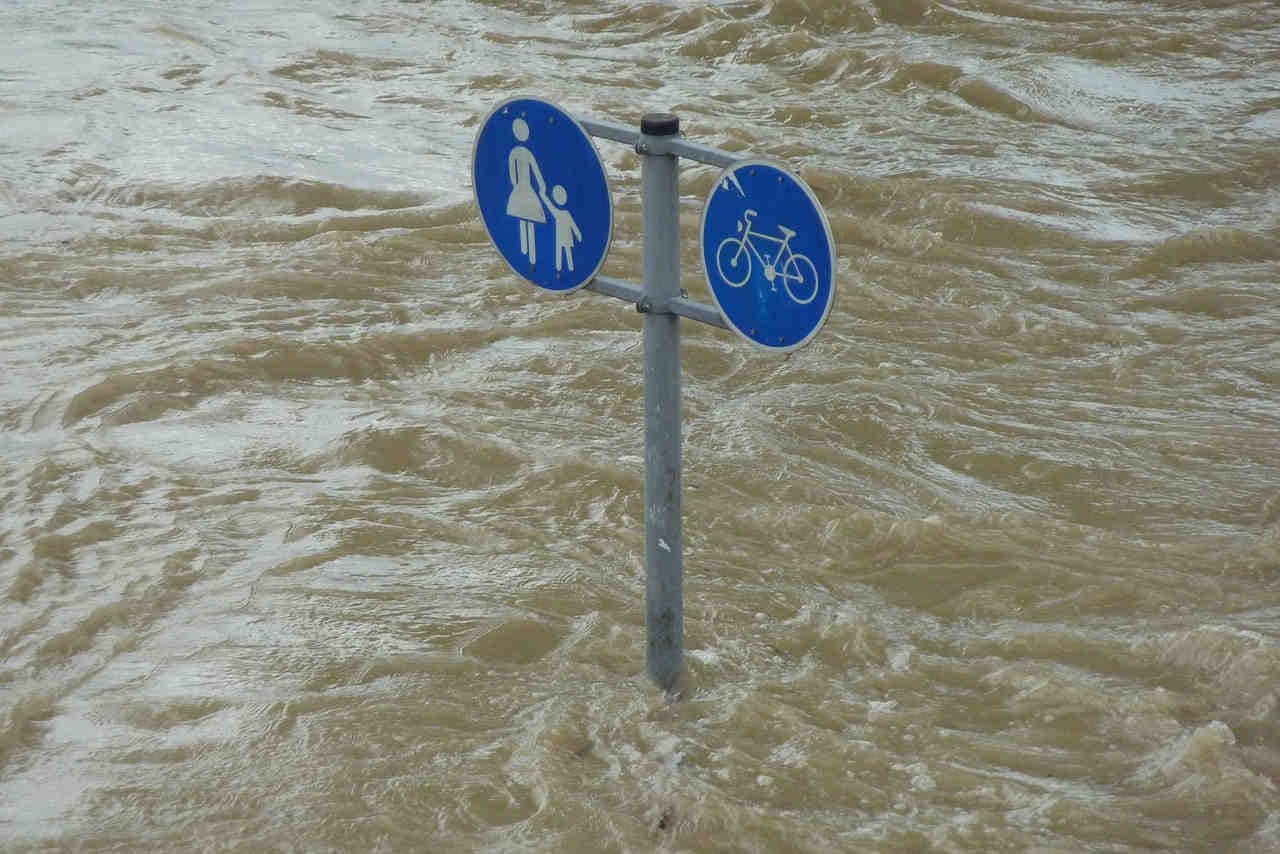
    The increase in global temperatures is just one of the effects of climate change. Since the climate is an interconnected system, changes in one region have global repercussions. The consequences include extreme events such as heatwaves, droughts, fires, floods, and violent storms. The rising sea level threatens coasts and the melting ice alters natural balances. These changes threaten food security, health, and cause forced migrations. Vulnerable regions, such as islands and developing countries, face erosion, water scarcity, and agricultural losses, with an expected increase in displacements and humanitarian crises.
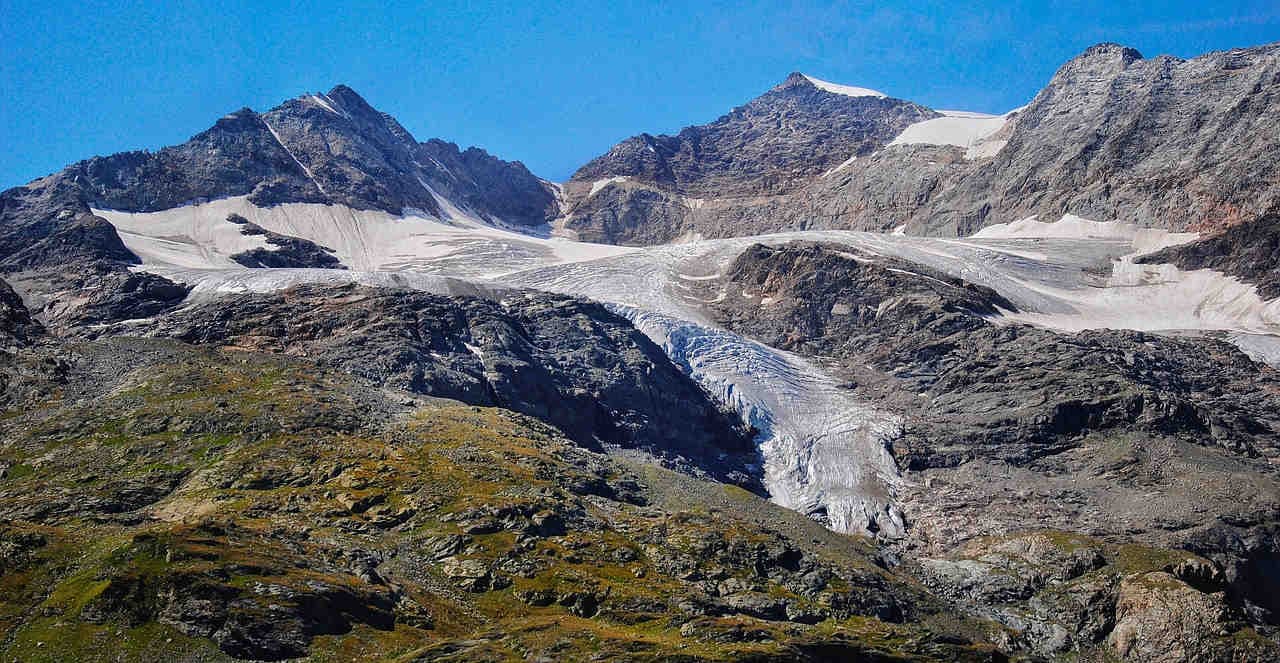
    conseguenze cambiamenti climatici

    Is climate change impacting biodiversity?

    Climate change, altering the physical and inorganic components of the Earth's system, directly influences the living species that depend on these elements. This causes changes in their specific tolerance ranges and forces many species to shift their seasonal activities or geographic distribution areas, adapting to new habitats. However, not all species are able to adapt at such a rapid pace: some, in fact, will not be able to cope with these changes and are destined for extinction. The rate at which the climate is changing today far exceeds that of past changes, making adaptation difficult for many species. This phenomenon is threatening biodiversity globally, with serious consequences for ecosystems and the services they provide. The extinction of some species could cause a domino effect, further compromising ecosystem stability.
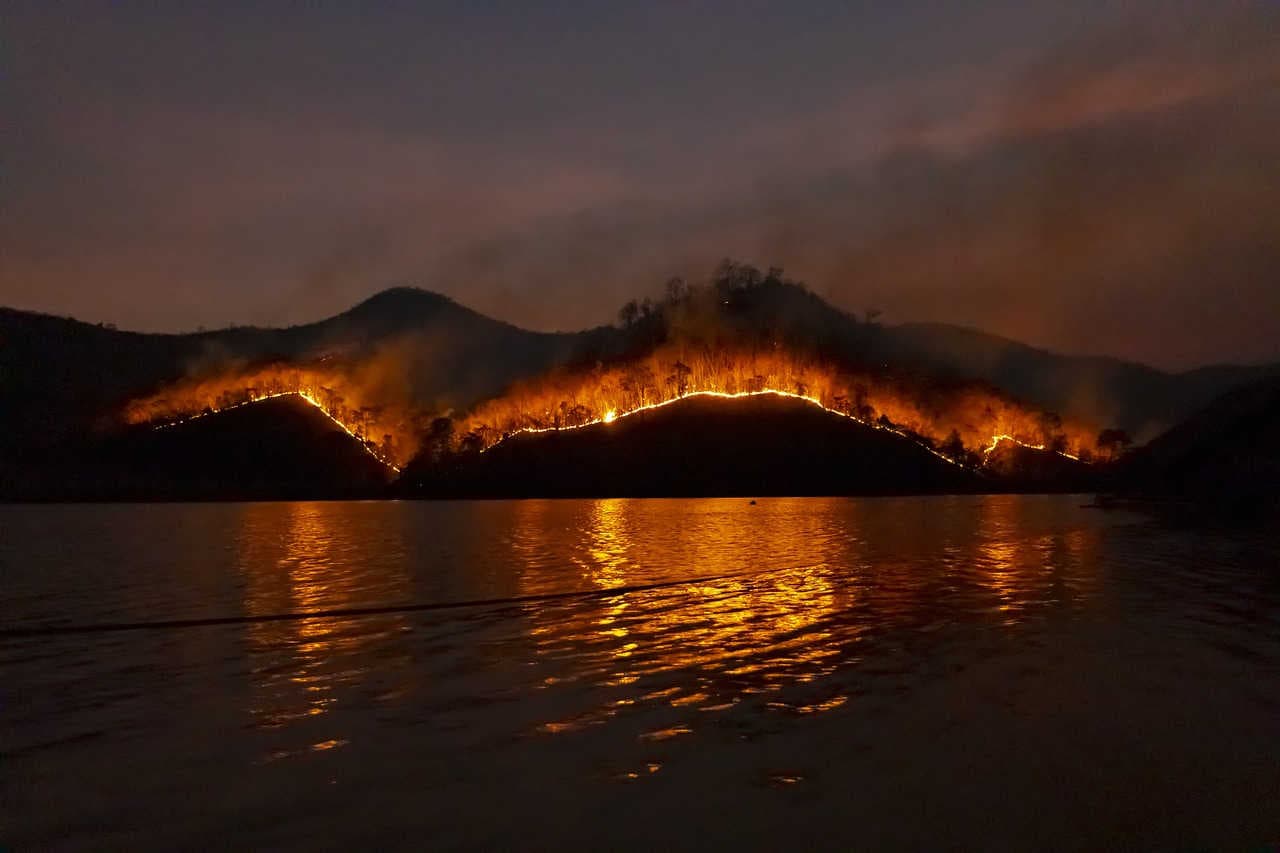
    biodiversità cambiamenti climatici

    What is the body that assesses climate change?

    The IPCC (Intergovernmental Panel on Climate Change) is an international scientific body established in 1988 by the United Nations and the World Meteorological Organization (WMO). Its main task is to assess scientific, technical, and socio-economic information related to climate change. The IPCC provides periodic reports that summarize the latest studies on the effects of climate change, its causes, and possible solutions. Its reports are essential for the formulation of global climate policies, and its conclusions are often used as a basis for international negotiations, such as those under the United Nations Framework Convention on Climate Change (UNFCCC).
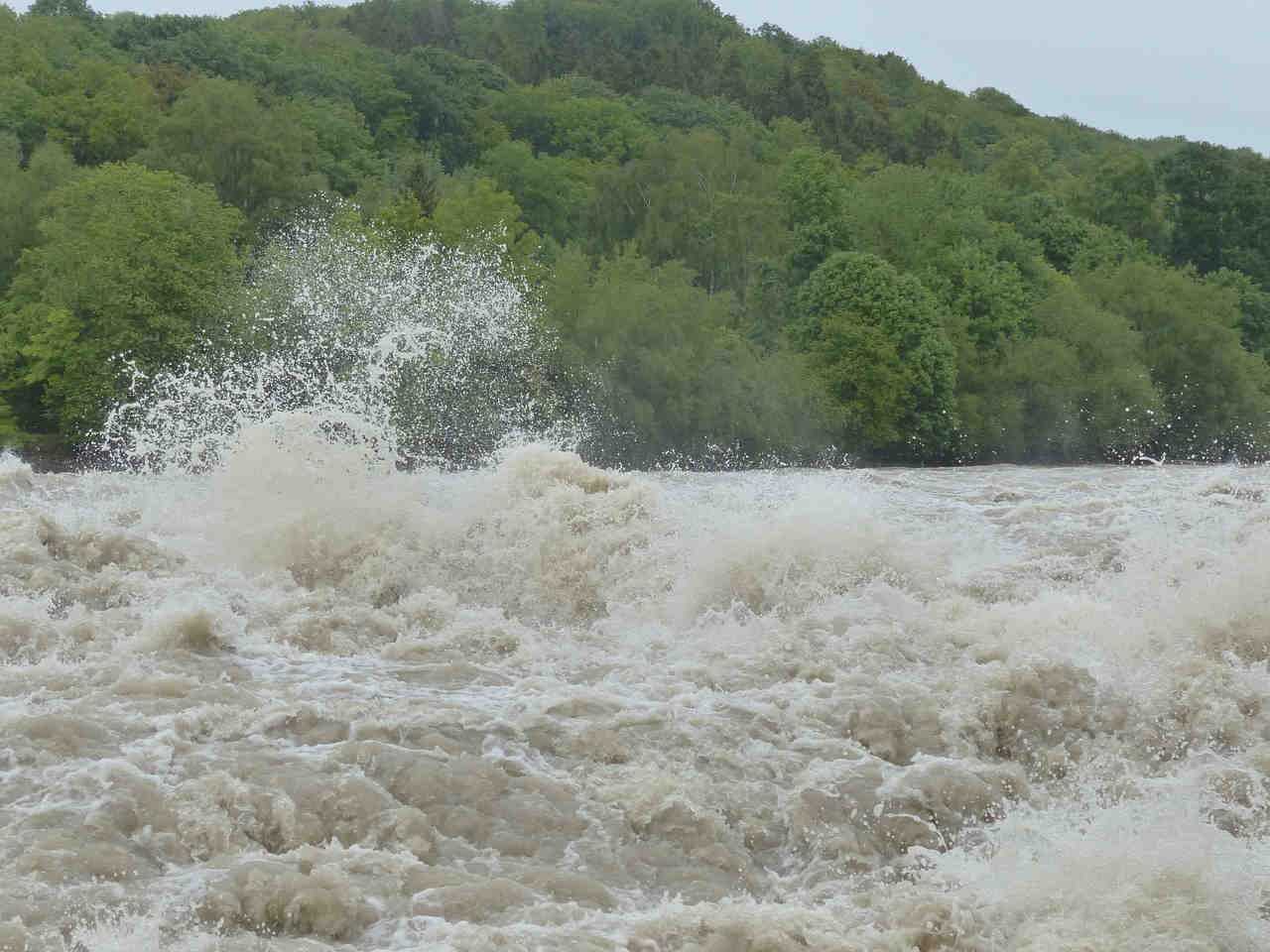
    ipcc cambiamento cllimatico

    How can we stop global warming?

    The IPCC has examined various models to predict the evolution of future climate, and in all greenhouse gas emission scenarios, a further increase in the global average temperature is expected. Warming will continue even beyond 2100, with high temperatures remaining stable for centuries, even if anthropogenic CO2 emissions were to completely cease. This is because human-caused climate change is irreversible on timescales ranging from centuries to millennia, unless prolonged measures are taken to remove CO2 from the atmosphere. It is therefore urgent to develop long-term strategies to contain the effects of global warming, accompanied by immediate actions such as a significant reduction in greenhouse gas emissions.
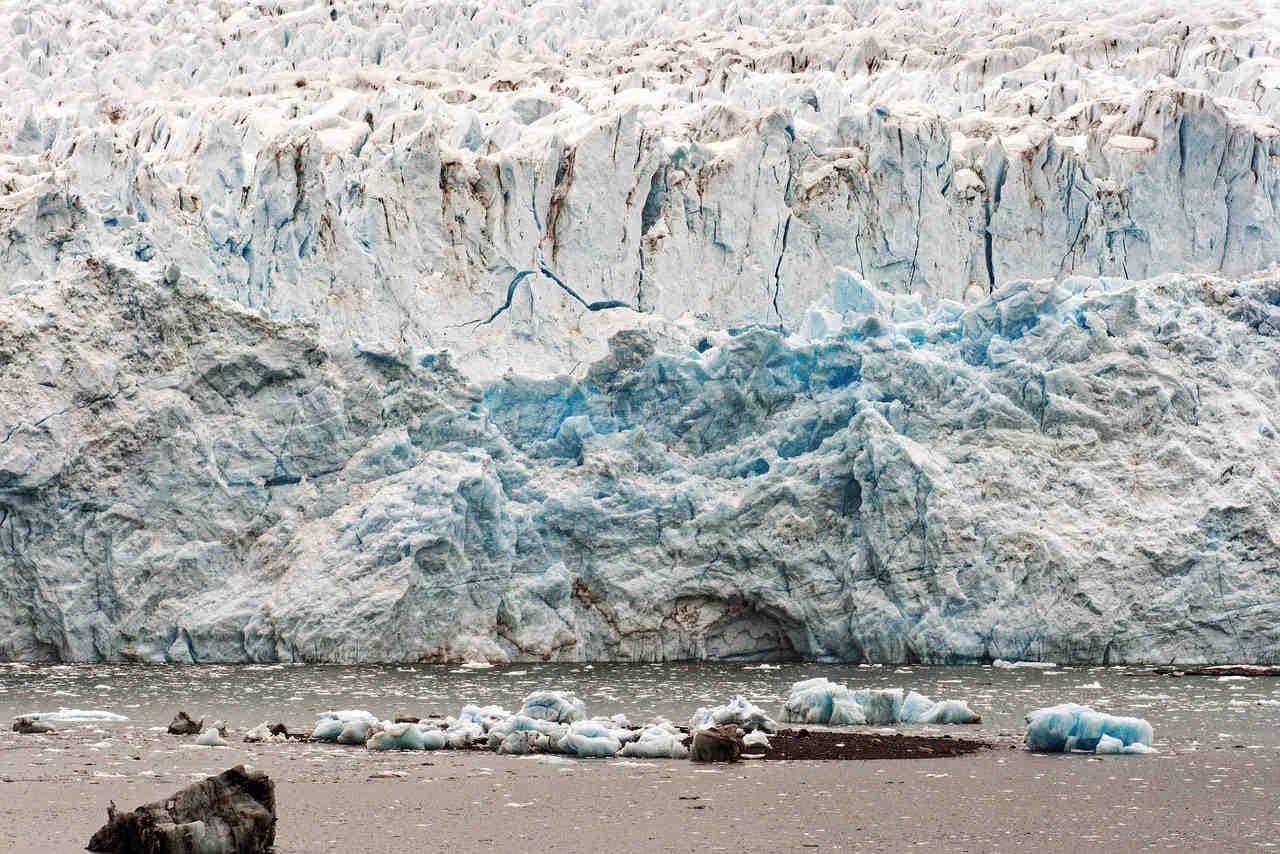
    mitigazione cambiamenti climatici
    23/01/2025Of 3Bee, Lara Vivarelli
    151 Views
    Newsletter
    newsletter
    Subscribe to the Blog about bees and biodiversity

    Frequently Asked Questions

    Do you have any doubts or other curiosities about this article? Here you will find some insights