Wasps in figs: how does pollination work?
    ficoreportlife cyclecaprification

    Wasps in figs: how does pollination work?

    Are there really dead wasps in figs? A common belief that we want to answer with this article. Find out what the fig is (spoiler: it is not a single fruit) and how wasp pollination works

    Read the article
    03/10/2023Of 3Bee, Elena Fraccaro
    4112 Views
    03/10/2023Of 3Bee, Elena Fraccaro
    4112 Views

    What is the fig?

    What we commonly refer to as the fico is actually not a single fruit, but a infructescence, i.e. a set of fruits that in the case of the fig is enclosed in a structure called a syconium. Without going into too much technical detail, the common fig (Ficus carica) comes in two distinct botanical forms: the capriccium or male fig, the pollen donor plant, and the true or female fig that receives the succulent, edible infructescences. The infructescences that we all eat are the result of two distinct natural phenomena, more or less predominant depending on the cultivar, which are the entomophilous pollination (very common in nature) and the parthenocarpy (rarer). Parthenocarpy allows the inflorescence to develop into infructescence without pollination, whereas entomophilous pollination requires the help of pollinating insects. In this case, we are talking about a specific insect, the Blastophaga psenes, commonly called, albeit erroneously, the fig 'wasp'.

    fico

    An exclusive relationship

    The Blastophaga psenes belongs to the Agaonidae family, which comprises just over 700 species. The main characteristic of this family is that between it and the species belonging to the genus Ficus there is a strictly species-specific relationship, the result of a co-evolutionary process that has been in place for a very long time. This relationship implies that the life and reproduction of each Ficus species depends exclusively on a species belonging to the Agaonidae (with a couple of exceptions, of course).

    Blastophaga psenes ficus
    XNatura

    Life cycle of Blastophaga psenes

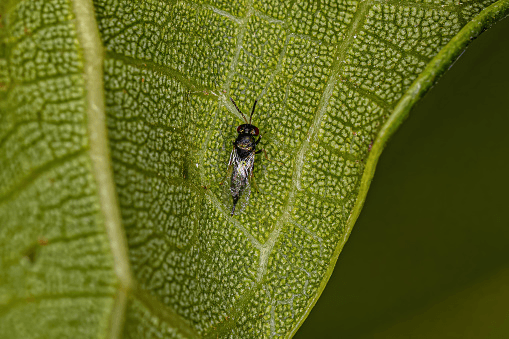
    The B. psenes is a very small insect (about 2 mm) and its life cycle is well distinguished between males and females. Both are born within the sicons of the caprifigy, but the males, after fertilising the female, die. The females, on the other hand, are more mobile (unlike the males, they have wings) and after loading themselves with pollen they leave their birth syconium and go in search of other figs. If they enter a male fig tree they will lay eggs, starting another generation. If, on the other hand, they enter a female fig, they will pollinate the internal flowers, which will then develop seeds and allow the plant to reproduce (in which case they fail to lay eggs and die shortly afterwards). Once it is dead, do its remains remain inside the fig and do we eat it? Actually no, because being so small, its body is literally digested inside the phicus by special enzymes, first among them the plant protease ficin, without leaving a trace.

    Blastophaga psenes femmina

    Pollination and caprification

    The B. psenes is able to complete up to 3 generations per year, which allows the many fig cultivars to complete the ripening of their fruit (this is of primary importance for fruit production). In many areas of Italy, the fecundation of fig blossoms from production is still assisted manually through the ancient technique of 'caprification'. Already used in Roman times, it consists of placing 'collans' between the branches of the production plant, made up of mature shoots containing B. psenes, thus bringing it closer to the figs to be pollinated: this results in a increased yield.

    vespe e fichi
    XNatura

    The confusion between wasps and Blastophaga psenes

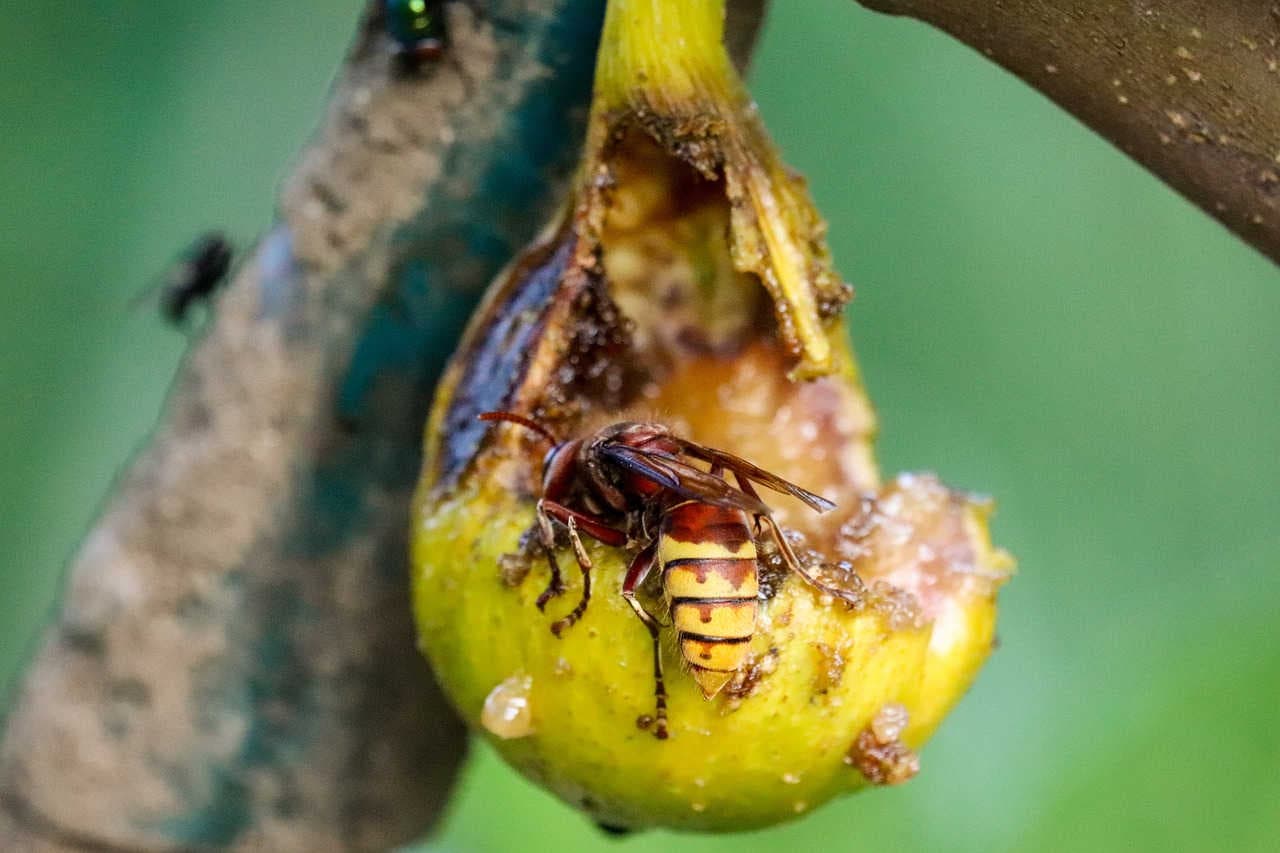
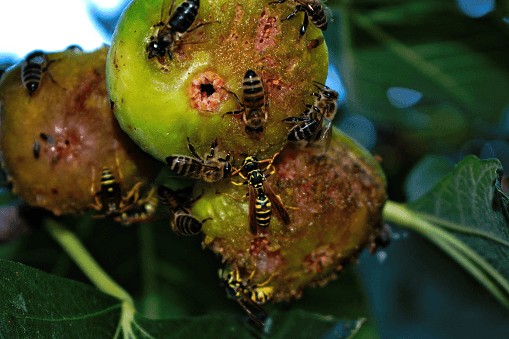
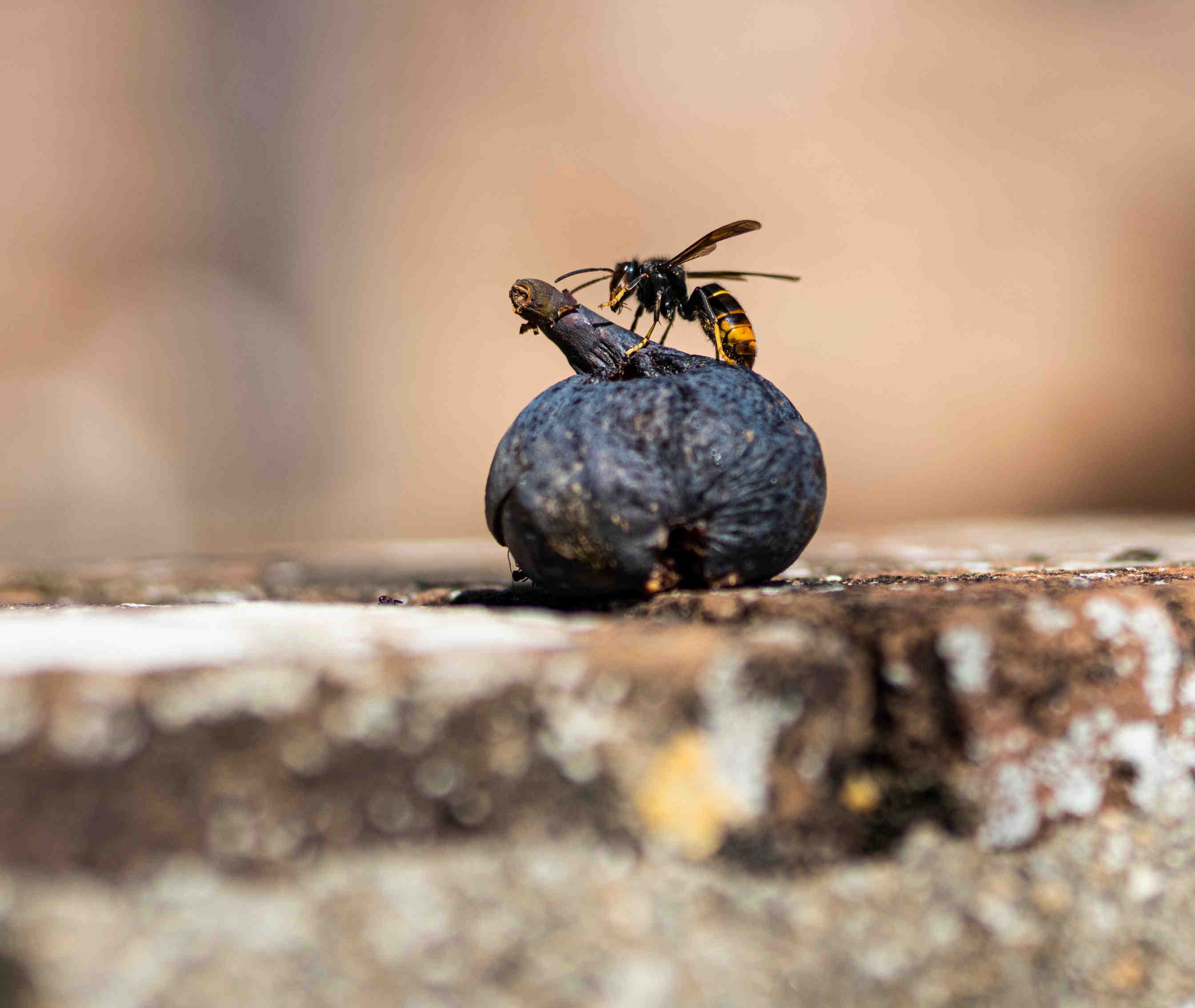
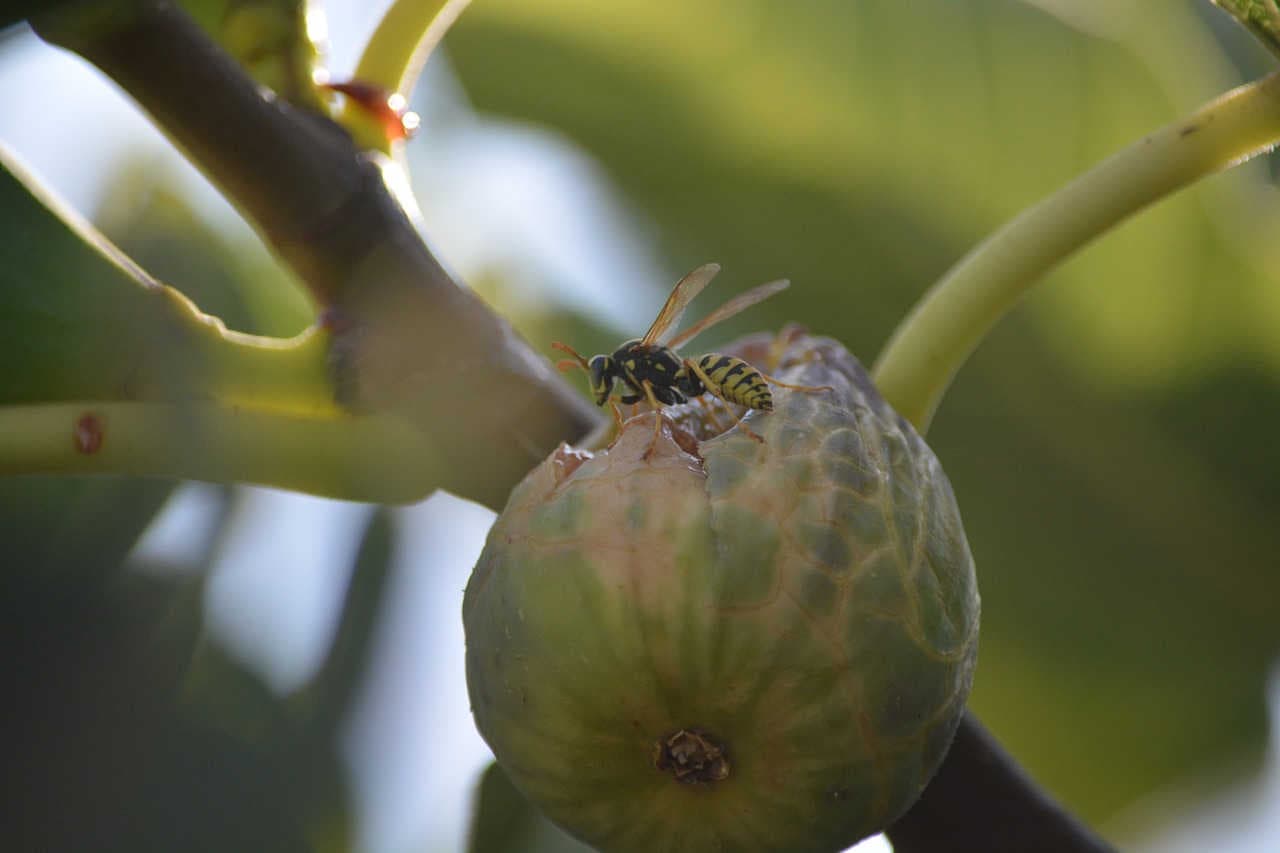
    But what is the origin of the confusion between wasps and B. psenes? This is probably due to the fact that the sweet and juicy fruitiness of female figs attracts many insects such as bees, beetles and wasps. It is precisely in the latter case that a close encounter with us is relatively dangerous. Usually the bees tear at the fig tree from the outside with their powerful mandibles and little by little feed on it, sometimes cutting off actual portions. In this case, thanks to the gaudy livre, they are easily visible, which is why we will certainly not go bothering them. The opposite is the case when they penetrate inside the fig tree through the ostiole without making their presence known outside. This is why plucking a pic and eating it whole without checking first for the presence of any tenants inside could lead to unpleasant inconvenience that could be potentially fatal if one is allergic to the venom of a sting from one of these imenoptera (including bees).

    vespe fichi confusione
    3Bee
    03/10/2023Of 3Bee, Elena Fraccaro
    4112 Views
    Newsletter
    newsletter
    Subscribe to the Blog about bees and biodiversity

    Frequently Asked Questions

    Do you have any doubts or other curiosities about this article? Here you will find some insights