Violin spider, biodiversity and protection in the 3Bee Oasis
    Violin spiderOasesBiodiversityCreating an Oasis

    Violin spider, biodiversity and protection in the 3Bee Oasis

    The violin spider is often talked about because of its alleged dangerousness. But what do we really know about the creatures that live beside us? 3Bee's Biodiversity Oases offer us a new way to observe, learn about and protect even the most invisible species.

    Read the article
    04/07/2025Of 3Bee, 3Bee
    75 Views
    04/07/2025Of 3Bee, 3Bee
    75 Views

    A silent but useful predator

    Disclaimer: this is an automated translation from Italian. Go to the original article.

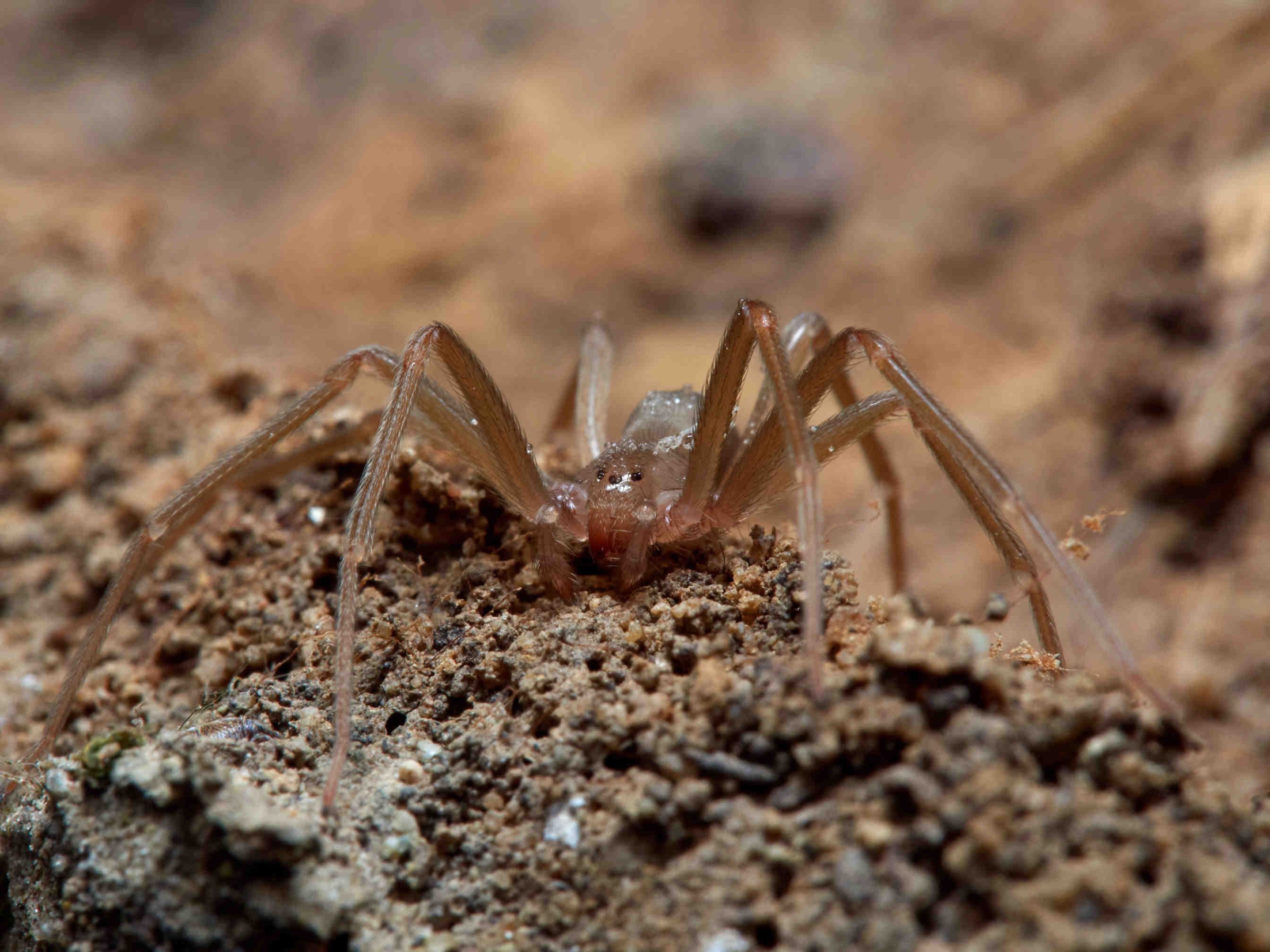
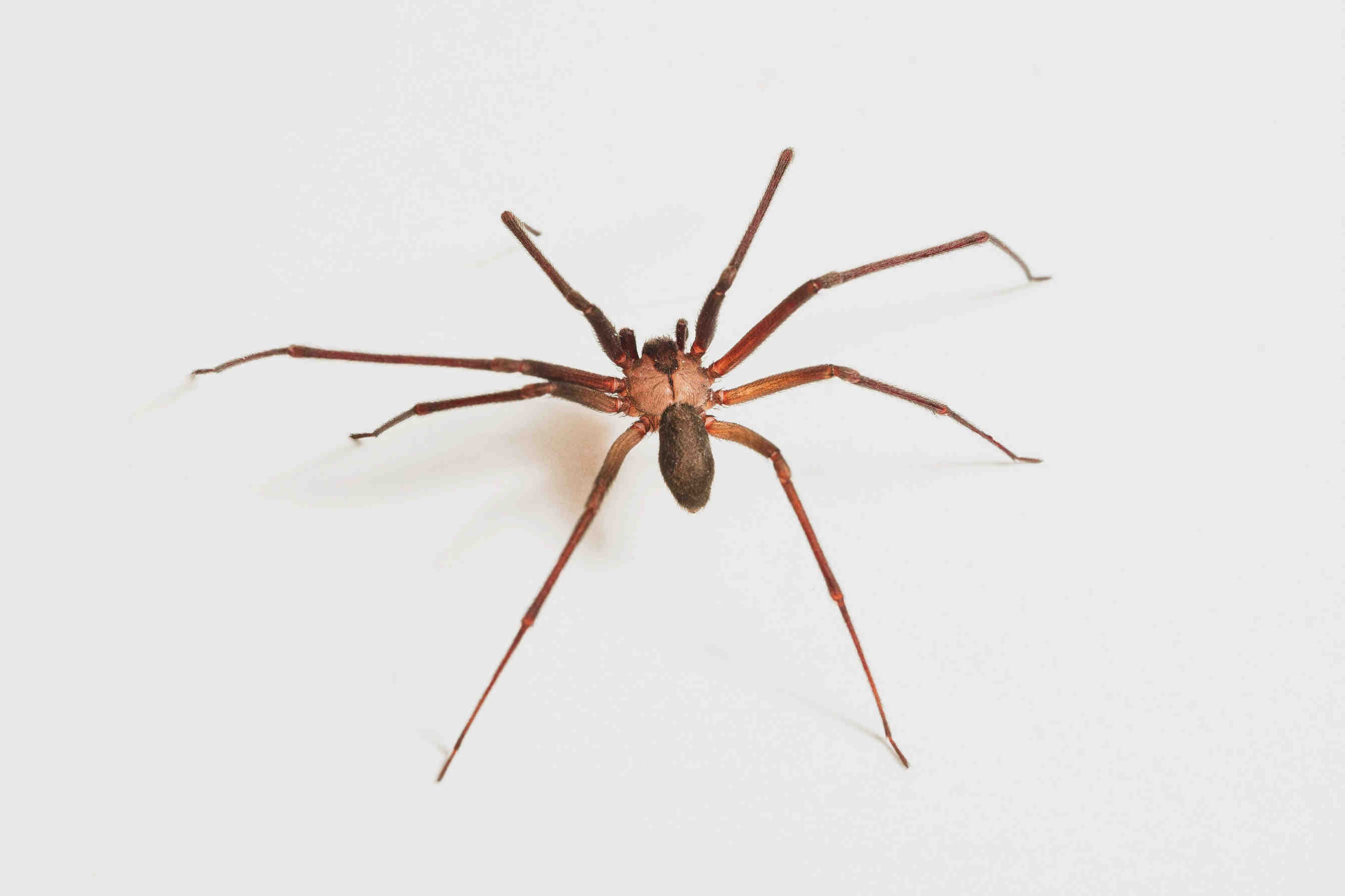
    The violin spider (Loxosceles rufescens) is known for its ability to hide and the aura of fear that surrounds it. But beyond the myth, it is a nocturnal predator that helps contain insect populations, particularly in warm, dry environments. It lives quietly, acts with precision and rarely comes into contact with humans. This kind of discreet presence also has ecological value: it is proof that nature works even in its smallest details. In the Biodiversity Oases, these predators also play a role.
    3bee-blog-ragno-violino-un-predatore-silenzioso-ma-utile

    Biodiversity Oases: What they really are

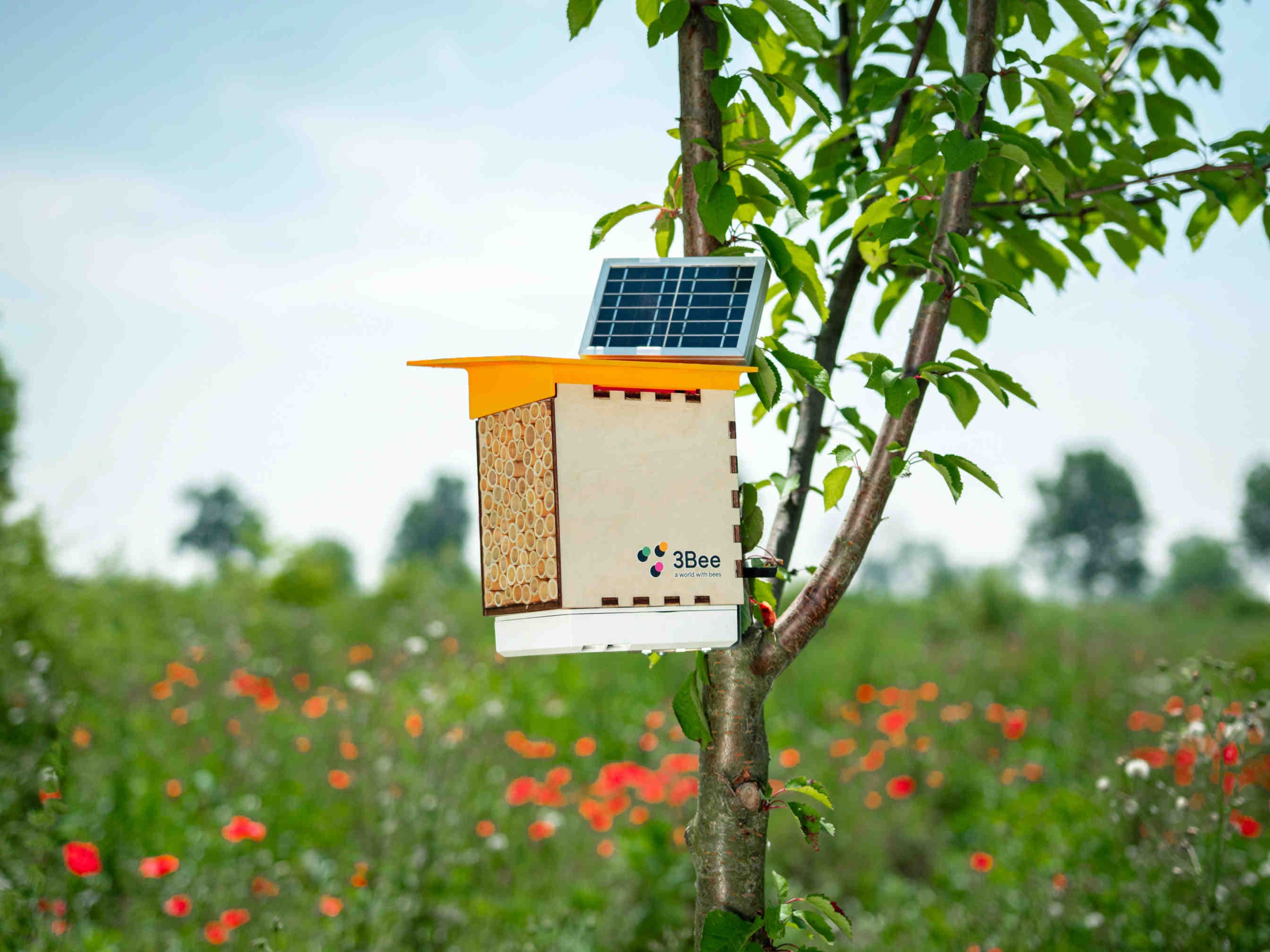
    In nature, nothing is marginal. Healthy ecosystems rely on fine chains: pollinators, predators, plants and microorganisms. 3Bee's Biodiversity Oases were created to make this complexity visible. They are not just regenerated spaces: they are places of observation, monitoring and understanding. The integration of field sensors and advanced technologies makes it possible to detect even the presence of the most invisible species, recognising, three their functions, their role in monitoring the biodiversity of the surrounding area. Knowing the interactions that take place in Biodiversity Oases helps us understand the state of health of that given ecosystem.

    3bee-blog-le-oasi-della-biodiversita-cosa-sono-davvero
    XNatura

    Hidden biodiversity: the spider also plays a role

    Not all the protagonists of functional biodiversity perform the same functions. Some, such as the fiddler spider, are predators that control the presence of pests. Others, however, play other roles in the ecosystem and are reliable bioindicators: their presence or absence tells us something about the balance of an environment. In the Biodiversity Oases, 3Bee studies these balances through field technologies such as Spectrum, Hive-Tech, Polly X, photo traps, Birdy and satellite monitoring. This approach allows us to measure the health of the area and if necessary plan regeneration actions.

    3bee-blog-biodiversita-nascosta-ruolo-ragno

    Why create a Biodiversity Oasis today?

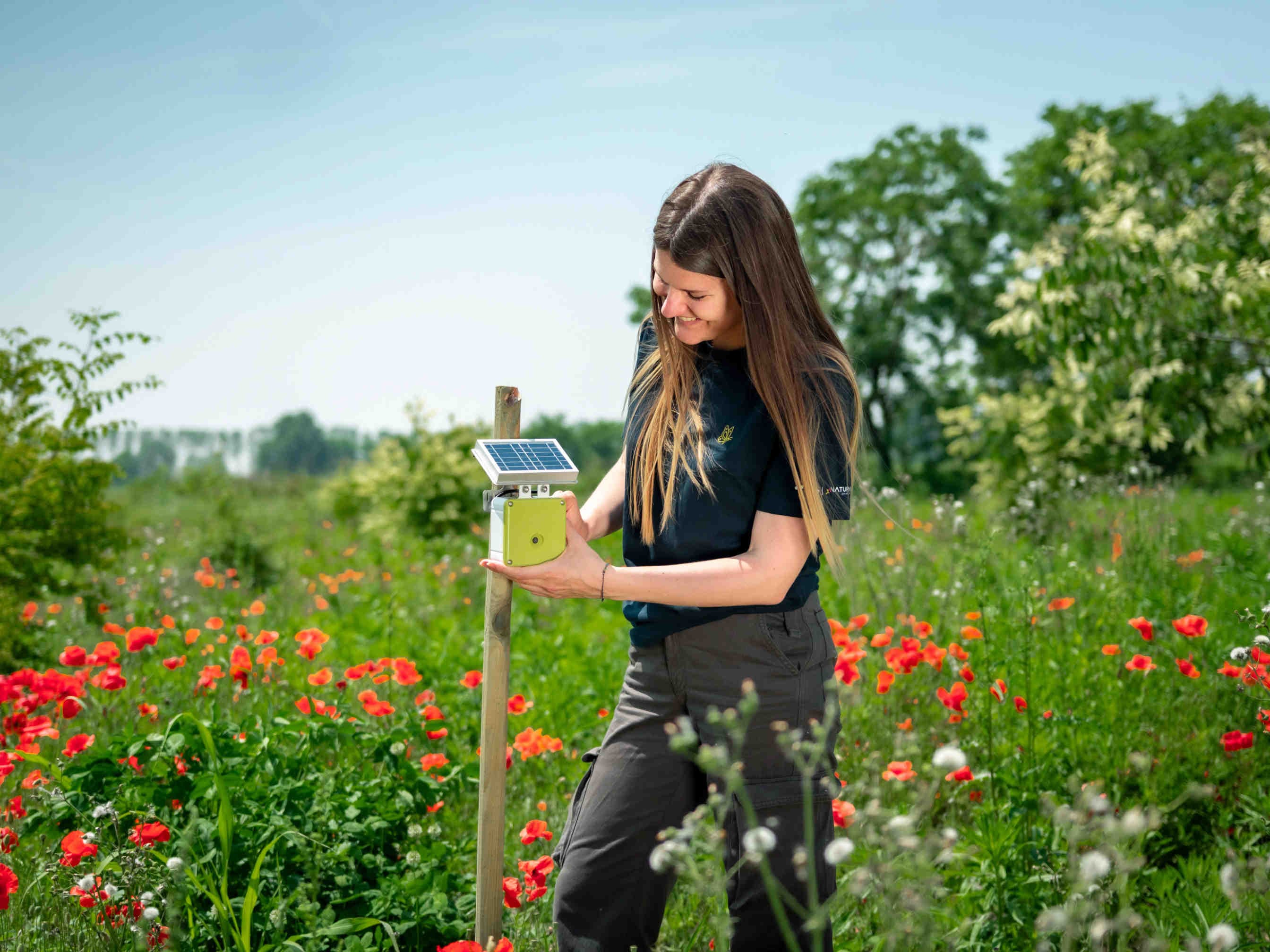
    An Oasis is not a symbolic initiative: it is a measurable, replicable and communicable project. Each Oasis tells with verifiable data the commitment to the area and generates environmental, educational and social value. Oases reinforce ESG strategies, enhance corporate reputation and engage communities and corporate employees. Activating an Oasis also means offsetting the ecological footprint, creating a point of biodiversity and standing out with a concrete project, already chosen by hundreds of companies.
    3bee-blog-perche-creare-un-oasi-oggi
    XNatura

    Create your Oasis today

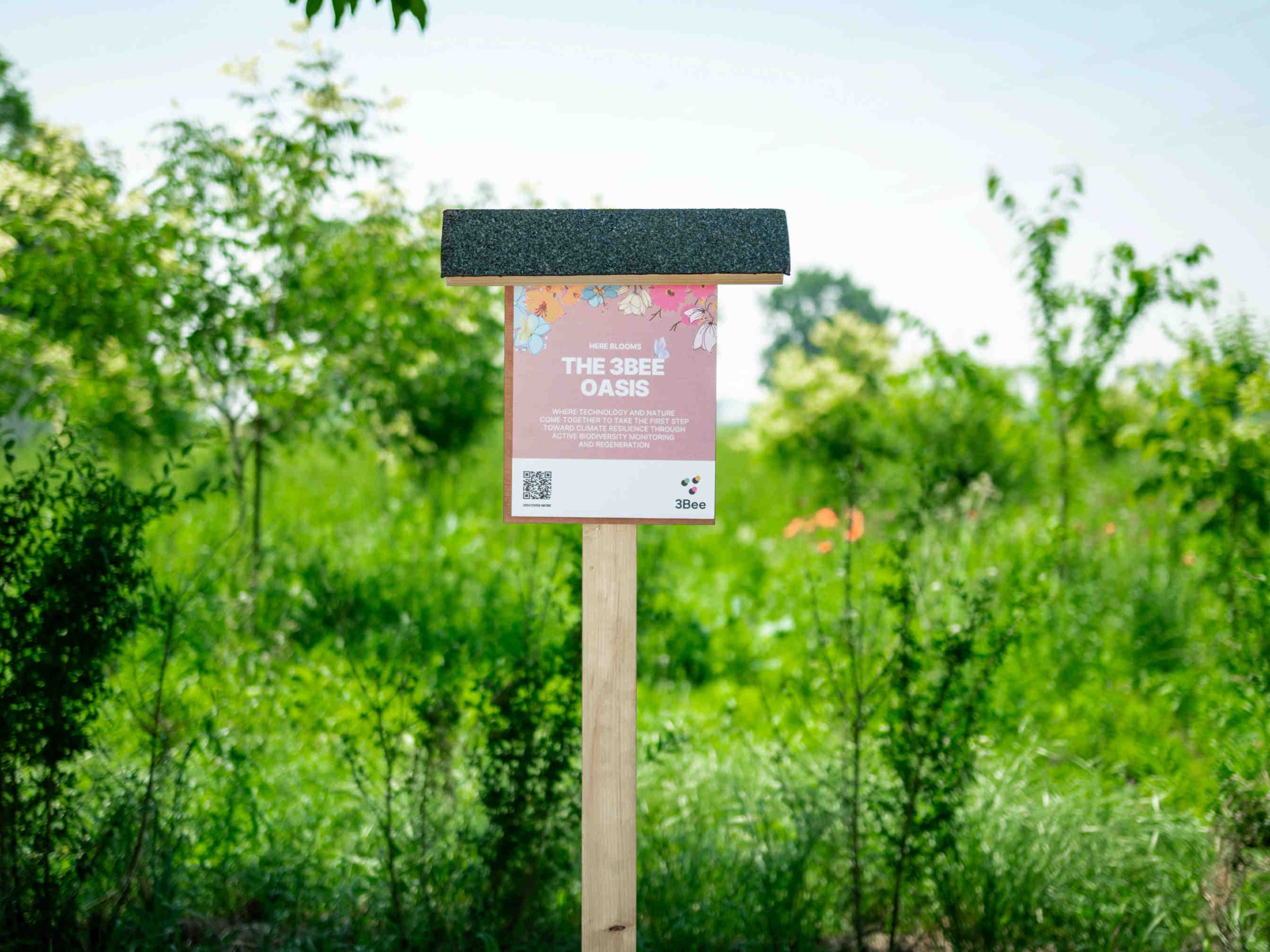
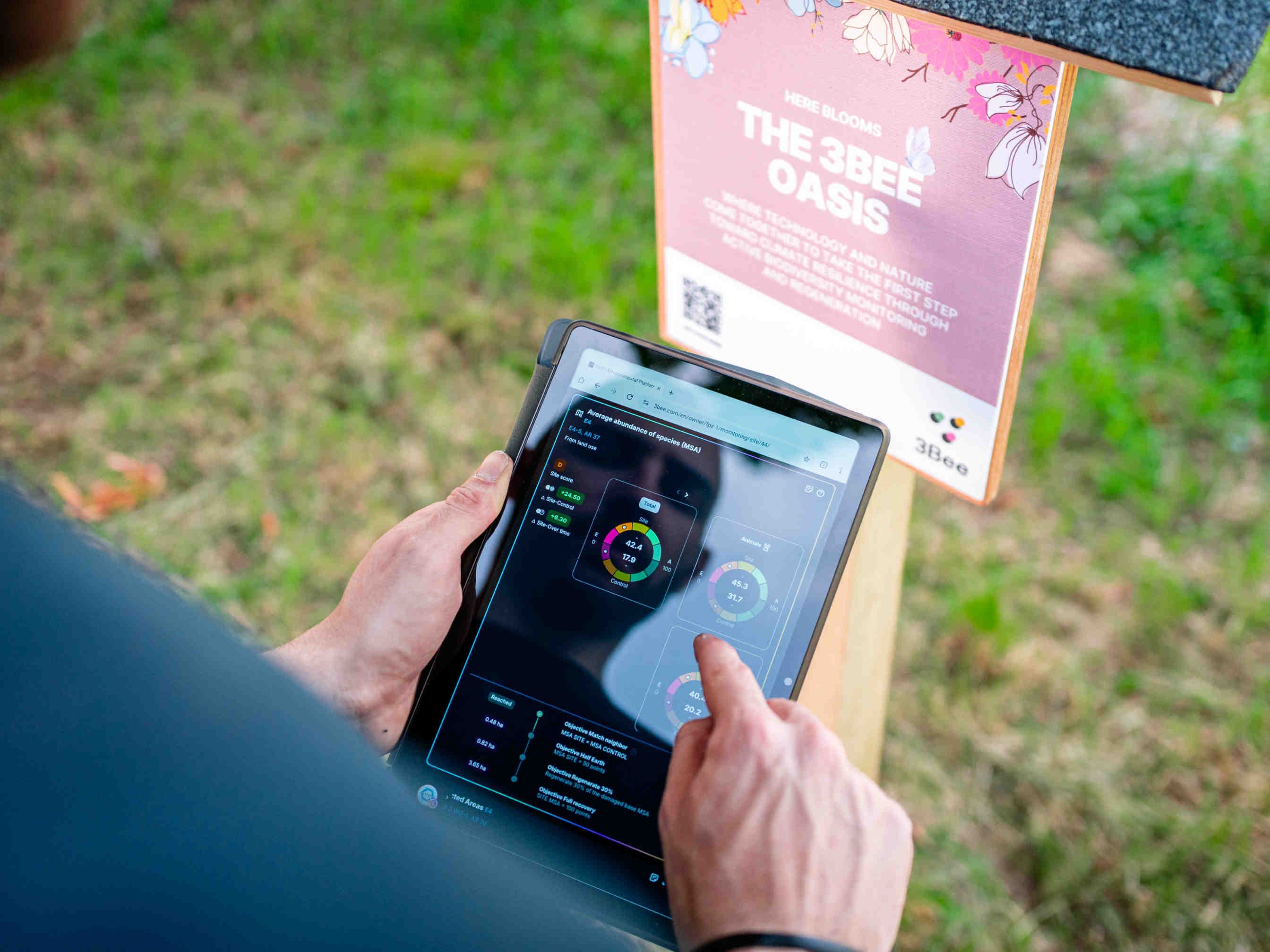
    The Biodiversity Oases of 3Bee represent the perfect fusion of nature and technology: they are physical and digital places that enable the conservation and regeneration of biodiversity. Urban and agroforestry habitats that serve as refuges for pollinators and native flora, created in areas of low biodiversity throughout Europe. Companies can become custodians of these spaces, implementing measurable biodiversity protection projects while involving their stakeholders. Through IoT technology, in fact, data from the projects converge in the environmental monitoring platform: anyone can thus monitor the company's Biodiversity Oasis in real time and stay up-to-date on its real impact.
    3bee-blog-crea-la-tua-oasi-oggi
    3Bee
    04/07/2025Of 3Bee, 3Bee
    75 Views
    Newsletter
    newsletter
    Subscribe to the Blog about bees and biodiversity

    Frequently Asked Questions

    Do you have any doubts or other curiosities about this article? Here you will find some insights