Beetles and Their Role as Pollinators in Ecosystems
    PollinatorsBeetlesIn EuropeCetonia

    Beetles and Their Role as Pollinators in Ecosystems

    Although little known as pollinators, beetles play a crucial role in maintaining biodiversity. Here is how they interact with plants in different habitats and which species are active in Italy and Europe.

    Read the article
    19/10/2024Of 3Bee, Niccolò Patelli
    1131 Views
    19/10/2024Of 3Bee, Niccolò Patelli
    1131 Views

    The Complex and Essential Network of Pollinators

    Disclaimer: this is an automated translation from Italian. Go to the original article.

    When one thinks of pollinators, the first animals that come to mind are bees and butterflies, the more experienced also think of hoverflies. However, the network of pollinators is much more complex and includes unexpected animals such as hummingbirds, bats, wasps and even ants. Taken together, as we have said many times, they play a crucial role in maintaining stable ecosystems and ensuring global food production, often unconsciously transferring pollen between flowers of the same species and thus enabling plant reproduction. Beetles are much less well known, but are one of the first orders of insects to have developed a relationship with plants for pollination.
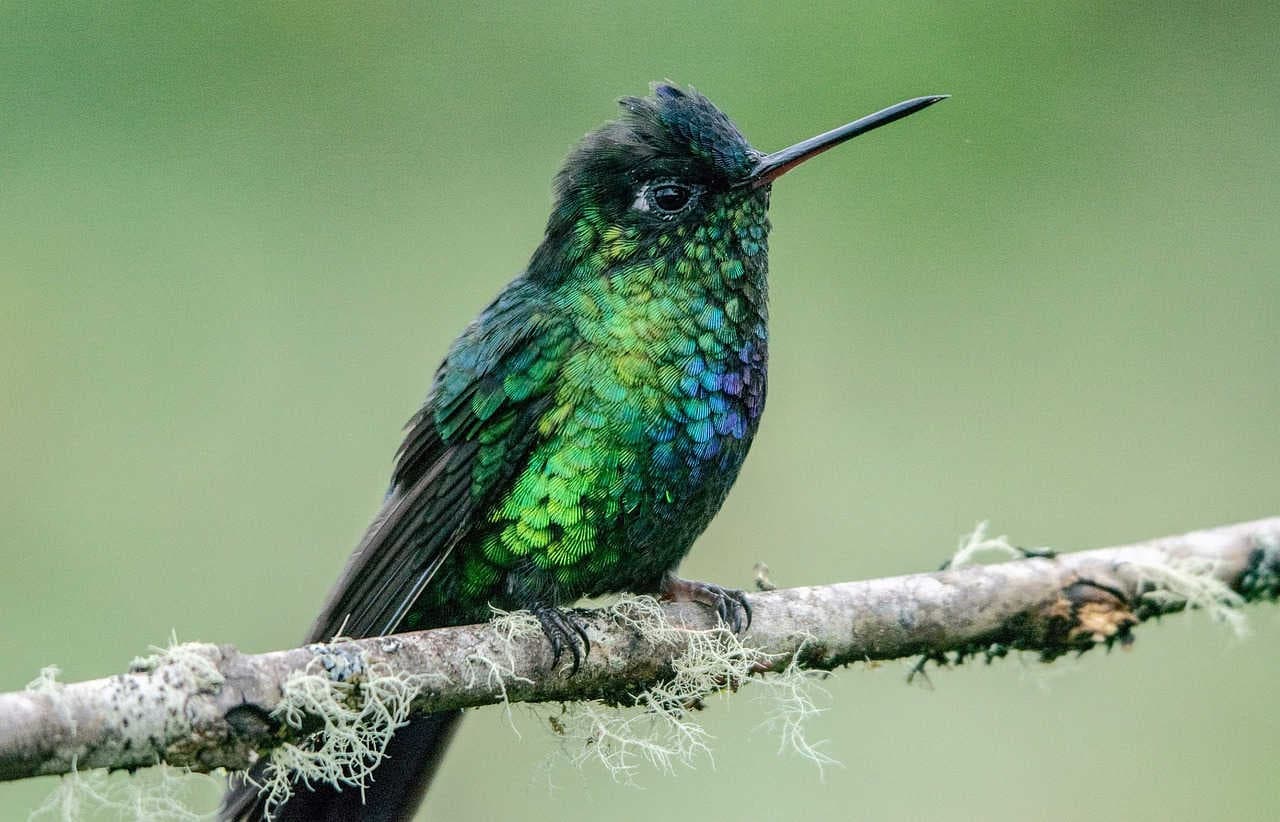
    colibri

    The Hidden Contribution of Beetles as Pollinators

    Beetles, known primarily as wood decomposers or predators, are among the world's oldest pollinators. Studies suggest that they are among the most important pollinators of certain plant species, especially in tropical and subtropical ecosystems. This order of insects interacts with flowers in a different way from the classical interaction we know: instead of visiting flowers to feed only on the nectar, they often also eat the petals and sometimes the pollen itself. Because of their mode of feeding and pollination, beetles can also be called 'clumsy pollinators', but their contribution is not to be underestimated.

    Rutpela
    XNatura

    Pollinating Beetles in Europe: An Overlooked Role

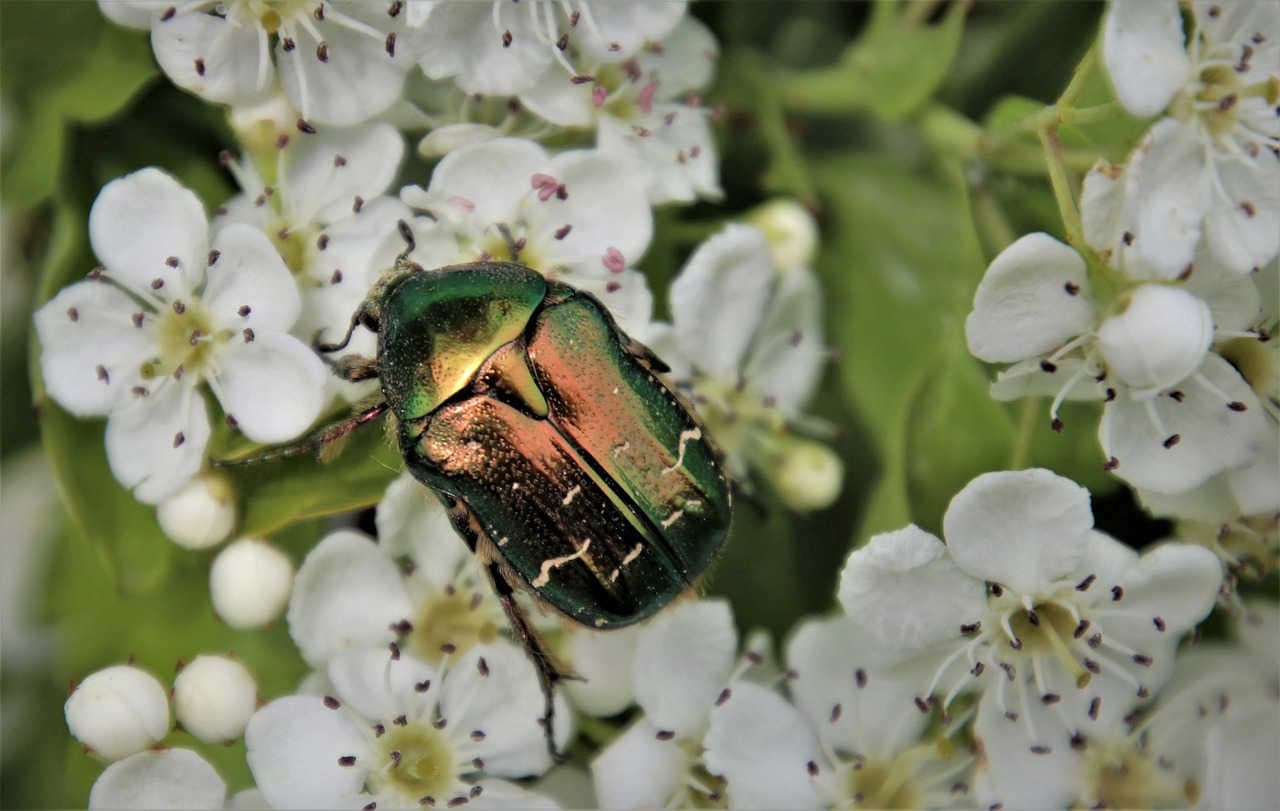
    In Europe, pollinating beetles play an important and, as already pointed out, often underestimated role, especially in more temperate areas and flower meadows. Several families of beetles, such as Cerambycidae and Nitidulidae, regularly visit flowers to feed on nectar and pollen, thus contributing to their pollination, but the Scarabaeidae and some Staphylinidae should not be forgotten. A classic example is the beetle Cetonia aurata, very common in much of Europe, which pollinates many species of wild and cultivated plants: it is often seen among the hedges in our gardens or among wild flowers. Although their presence is less obvious than that of the more famous pollinators, beetles play an essential role in maintaining European plant diversity.

    coleottero_impollinatore

    Cetonia aurata: A Gem Among Pollinato

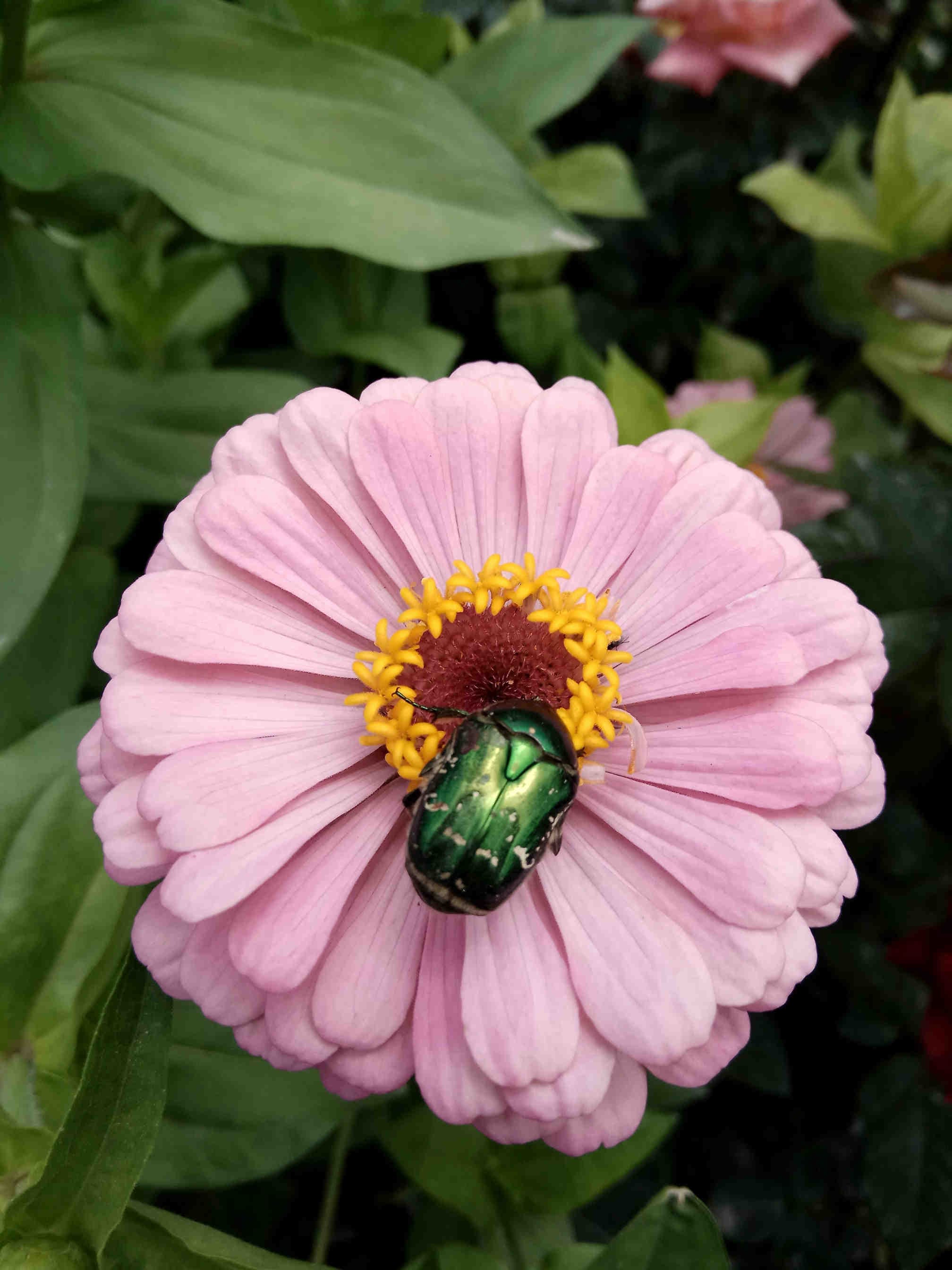
    Cetonia aurata, also known as the 'golden beetle', is one of the most effective pollinating beetle species and is easily recognised by its bright metallic green livery with four white lines on its elytra. This beetle feeds on pollen and nectar, and plays a crucial role in the pollination of many flowering plants, including wild roses and orchard flowers, where it can be found from April to June, depending on the area. Despite its conspicuous appearance, Cetonia aurata is a discreet pollinator, but is not always well seen and can be problematic for rose growers.

    Cetornia_aurata
    XNatura

    Stenurella melanura: A Key Pollinator

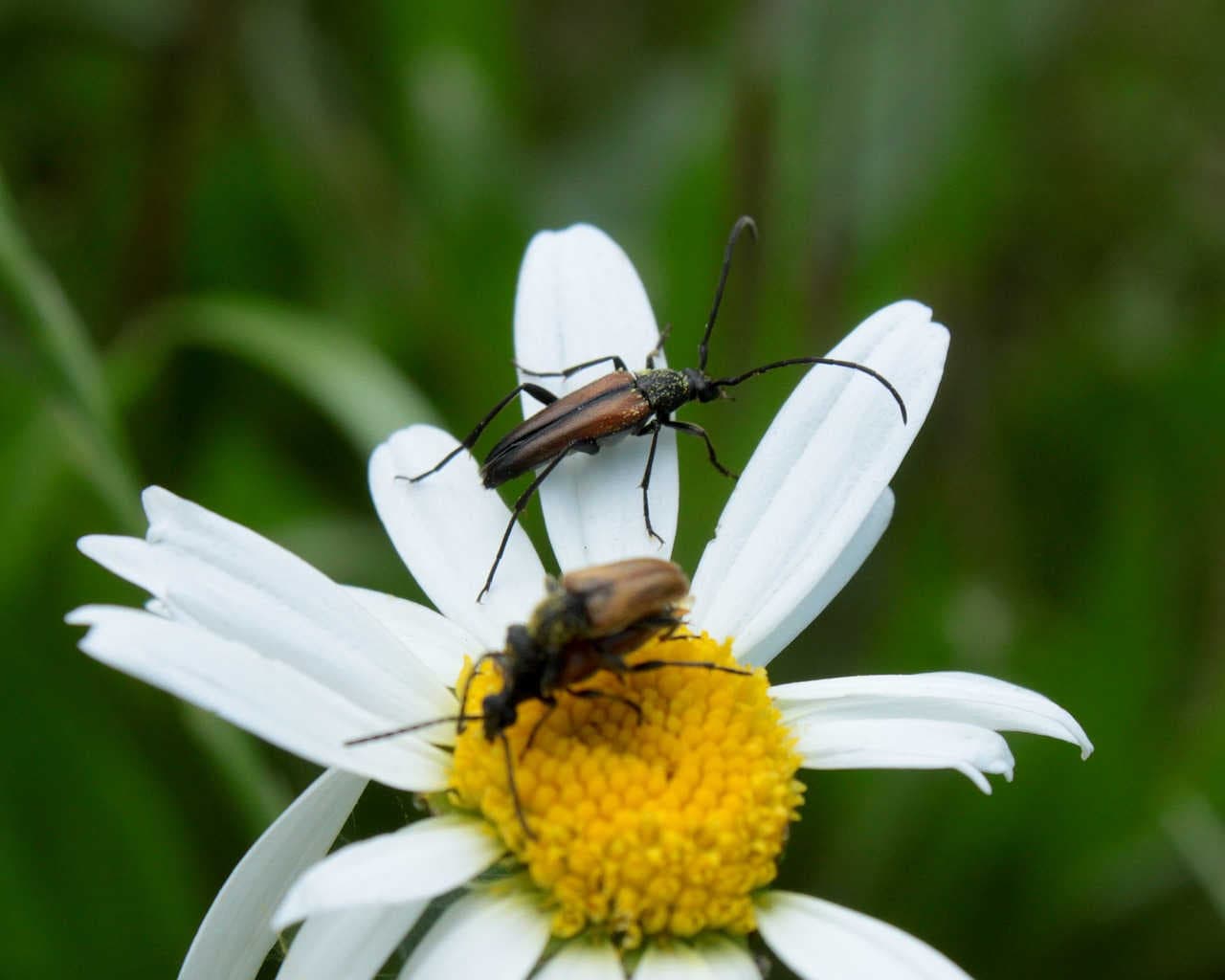
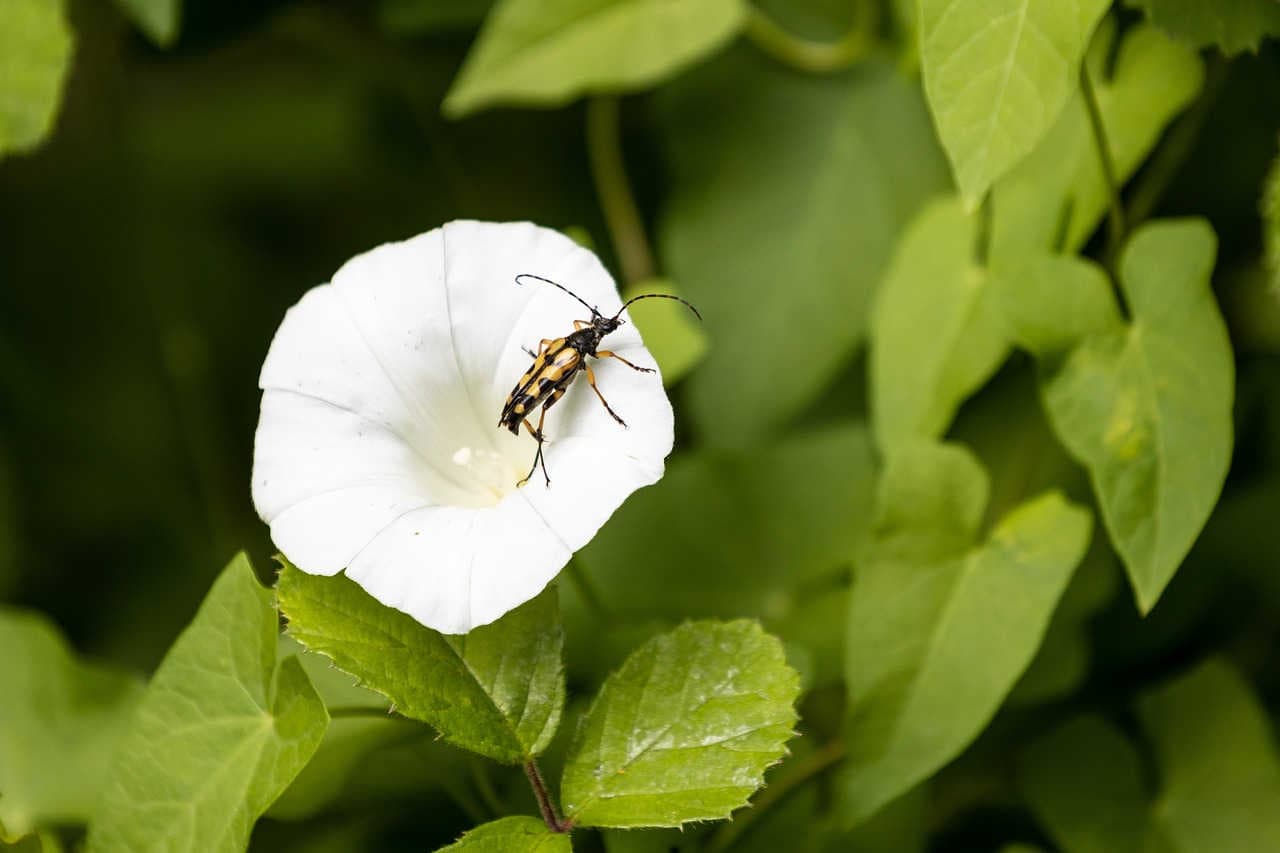
    Stenurella melanura is a cerambycid beetle known for its floricolous habitus as an adult and thus having its own contribution to pollination. It can be found on flowers of various plants, including the common hawthorn (Crataegus monogyna), where it feeds on pollen and nectar. This beetle, active between June and August, is often seen on the flowers of herbaceous and shrubby plants in uncultivated meadows, open woodland and forest margins. It breeds mainly on dead deciduous wood, such as beech (Fagus sylvatica), where the larvae develop by feeding on decaying wood. Stenurella melanura is widespread throughout most of Europe, including central and southern European countries, with a particular occurrence in hilly and mountainous areas, but can also be found in peri-urban areas, where it benefits from areas such asgreen corridors.

    Stenurella melanura: A Key Pollinator
    3Bee

    Trichodes: a parasitoid beetle and pollinator

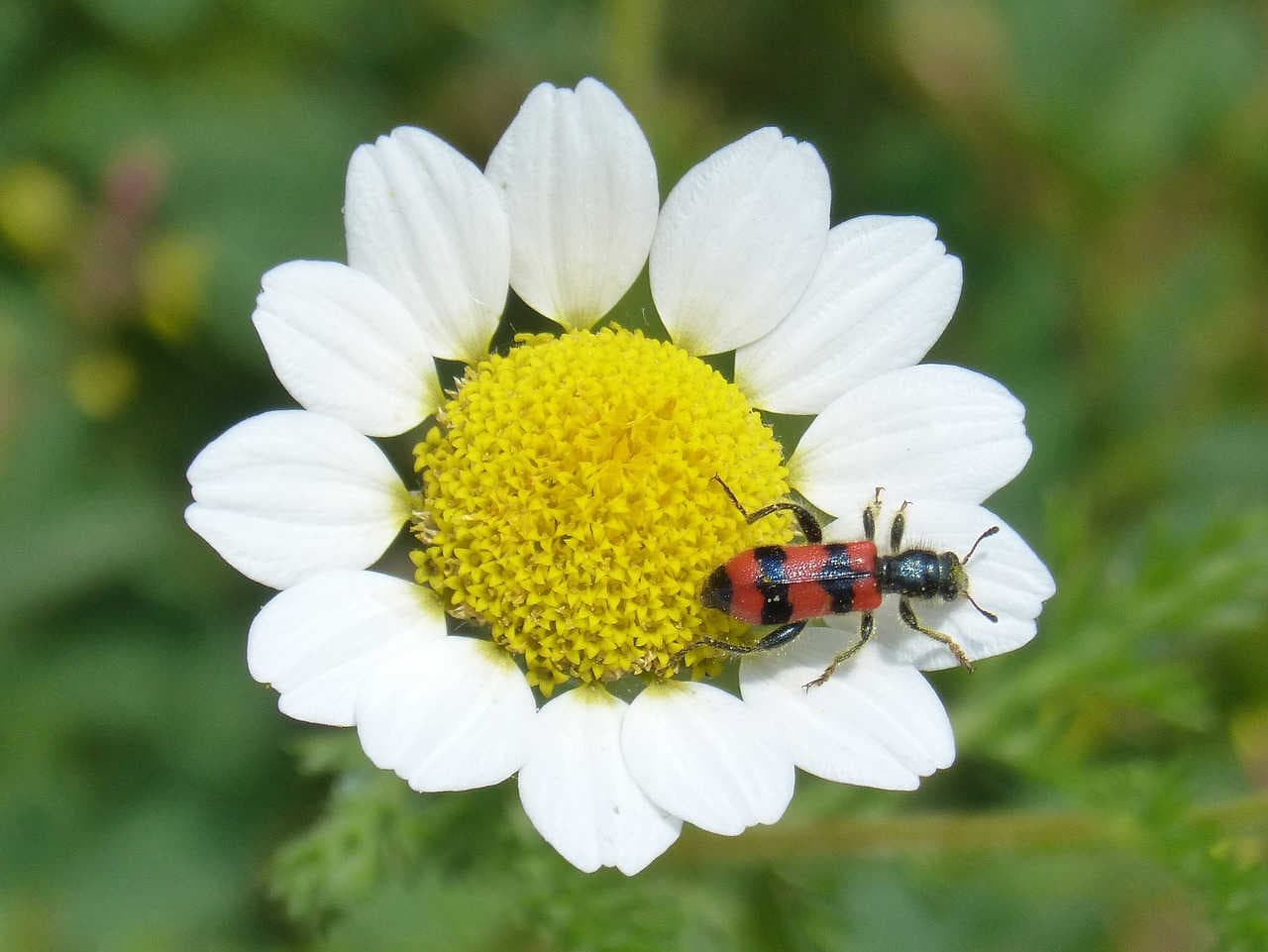
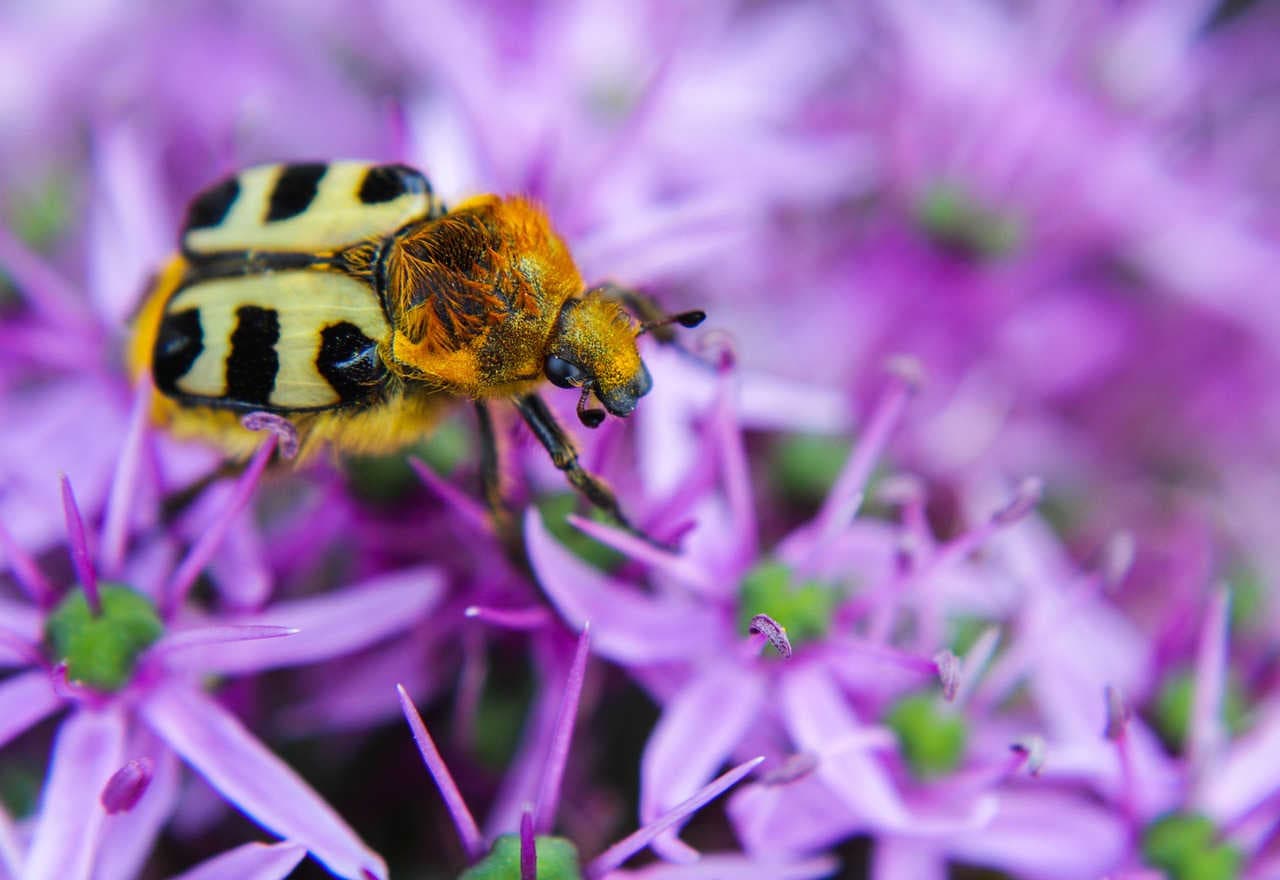
    The Trichodes, beetles of the family Cleridae, are present in most of Europe. These brightly coloured beetles, with red and black bands, are active in the summer months from May to August and are often found on the flowers of plants such as wild carrots or wild daisies, feeding on pollen and nectar.Their reproduction is peculiar: females of the Trichodes genus lay their eggs in the nests of other insects, including solitary bees, and the larvae feed on the host larvae, behaving similarly to parasitoids that are used in biological control, such as those used for the bug-fighting. They can be found all over Europe, especially in southern and central regions, in habitats such as meadows or forest edges, but are sometimes also found in urban parks.

    Trichodes

    Oxythyrea funesta: A Mediterranean Pollinator

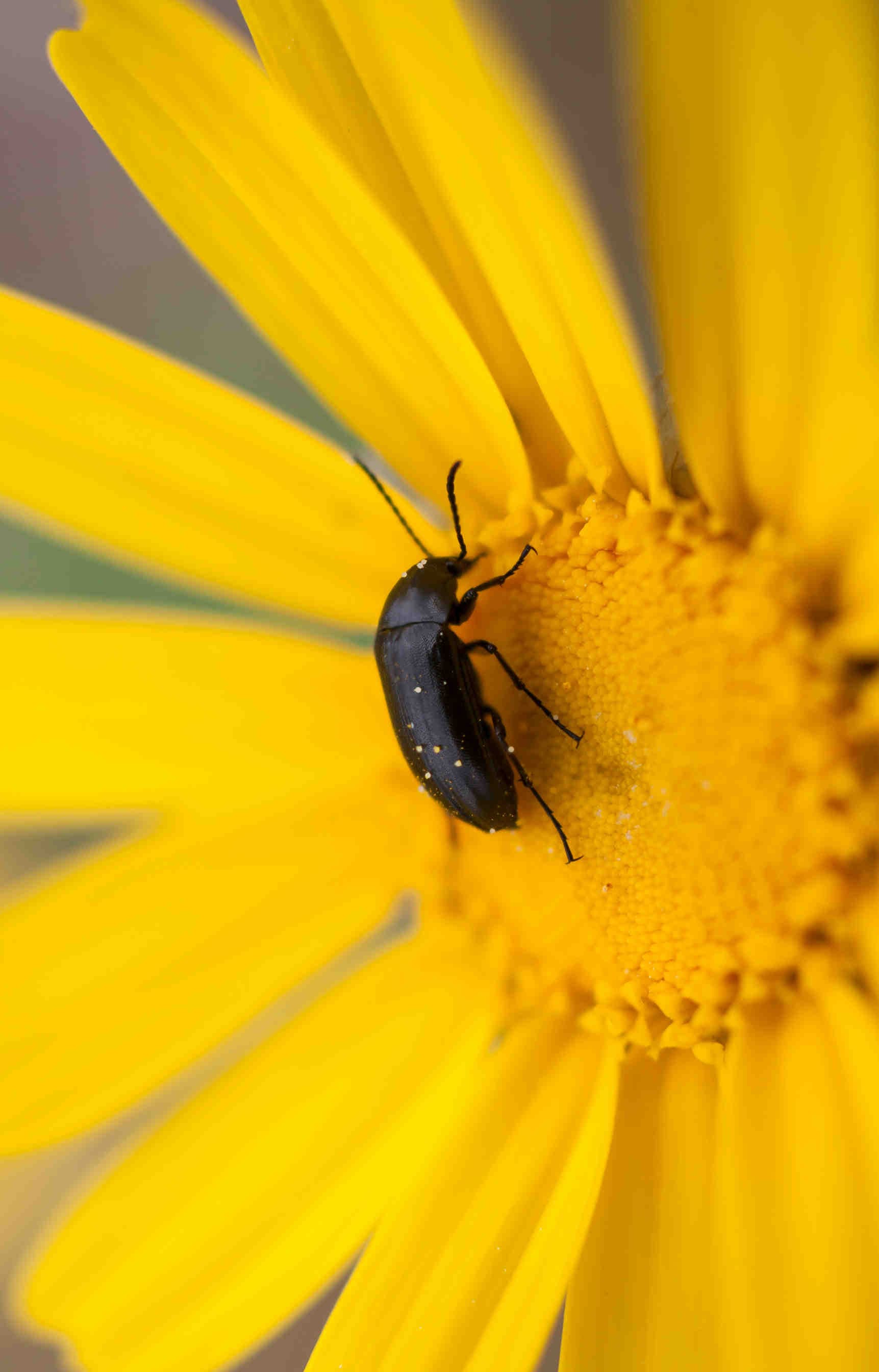
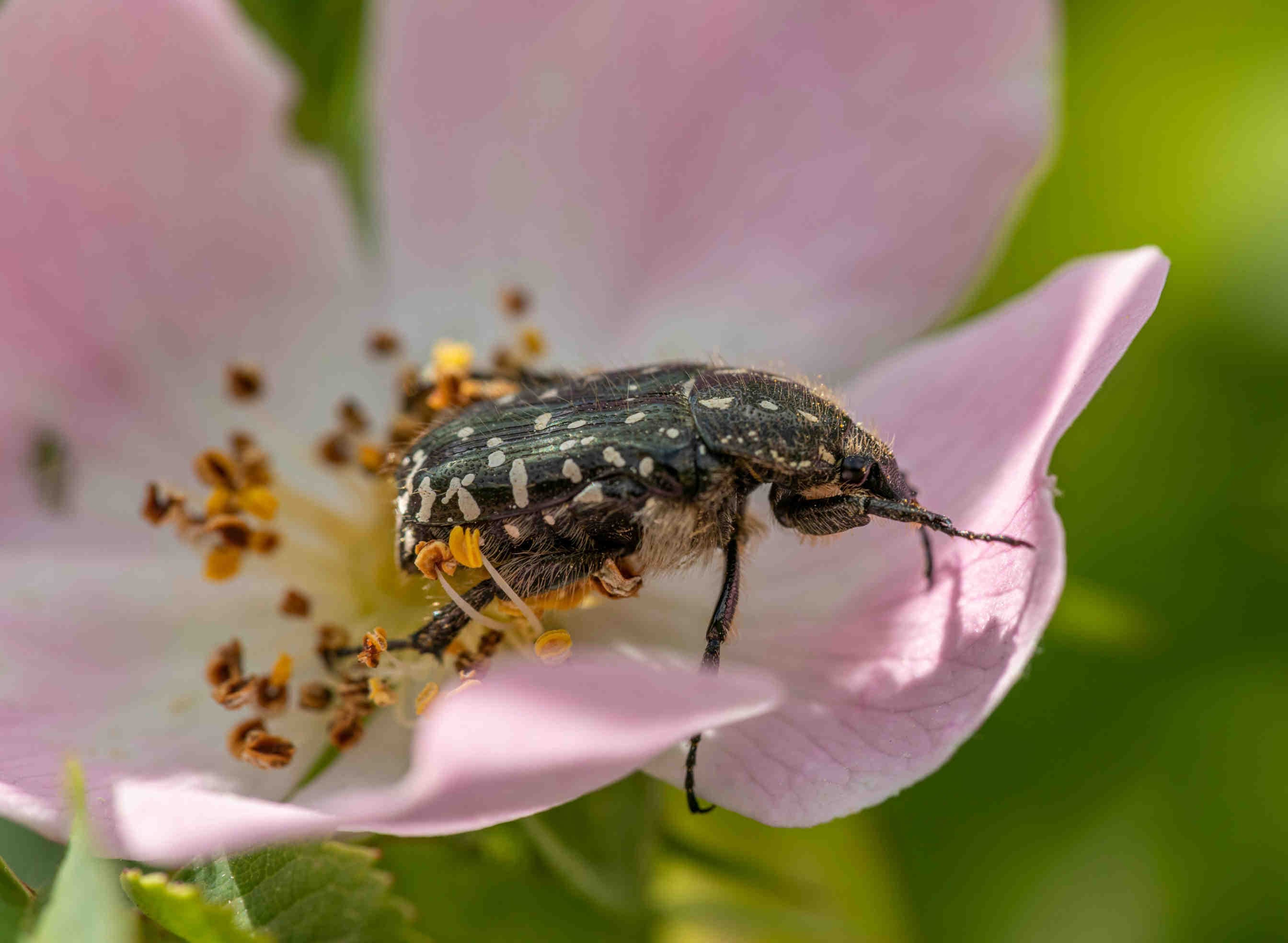
    Oxythyrea funesta is another common pollinating beetle throughout Europe, outside of the northernmost countries (but it does spread throughout the Mediterranean basin). This beetle, characterised by a shiny black body with white spots and conspicuous white hairs, regularly visits flowers of herbaceous and tree plants. It is sometimes considered a problem, as it can damage flower petals, but Oxythyrea funesta contributes significantly to the pollination of several plant species, making it an important pollinator, especially in Mediterranean areas.

    Oxythyrea funesta

    An ancient and complex relationship with plants

    The relationship between beetles and plants goes back millions of years. Many flowers, especially those with simple or exposed structures, have evolved to attract beetles . Some plant species produce large quantities of pollen, which beetles use as their main food source . Although they are less efficient pollinators than bees or butterflies and can sometimes cause problems for cultivated plants, beetles effectively perform the ecosystem service of pollination and in uncultivated areas are important for the reproduction of many wild plant species, contributing significantly to the resilience of ecosystems.

    Cetonia

    The Future of Beetle Pollinators

    Despite their important role, pollinator beetles face the same threats as the better known pollinators : habitat loss, pesticide use and climate change, but not only . However, a greater awareness of their contribution to the ecosystem could stimulate new conservation efforts. Protecting natural habitats and reducing the use of harmful chemicals are key steps to ensure the survival of these species, but also creating biodiversity protection zones, such as the 3Bee oases. Recognising and enhancing the role of pollinating beetles is essential to preserving biodiversity and the health of global ecosystems.

    prato_fiorito
    19/10/2024Of 3Bee, Niccolò Patelli
    1131 Views
    Newsletter
    newsletter
    Subscribe to the Blog about bees and biodiversity