Threads of Life: How Biodiversity Protects the Planet and Business
    Global DayCurrent stateCompanies and ValueAct with 3Bee

    Threads of Life: How Biodiversity Protects the Planet and Business

    On 22 May, we celebrate World Biodiversity Day: an essential common good. Discover how families and businesses can come together, building a bridge between citizens and ESG goals. A collective commitment for a sustainable future rich in life.

    Read the article
    05/05/2026Of 3Bee, 3Bee, 3Bee
    75 Views
    05/05/2026Of 3Bee, 3Bee, 3Bee
    75 Views

    22 May: a day for life on the planet.

    On 22 May, we celebrate the International Day for Biological Diversity, established by the United Nations to commemorate the adoption, in 1992, of the text of the Convention on Biological Diversity signed in Rio de Janeiro.

    But what do we mean by biodiversity? It's not just "bees and trees": it is the entire fabric of life, consisting of a variety of species, ecosystems, and genes. A network that connects forests, seas, meadows, and cultivated fields, ensuring the planet's resilience.

    This richness concerns us every day. Our food, clean water, medicines, raw materials, and climate regulation depend on it. According to UN assessments, ecosystem services are valued at trillions of dollars each year. It is an invisible capital, yet essential for our health and the stability of economies.

    For this reason, biodiversity is not just an environmental issue: it is a pillar that is becoming central for businesses, investors, and regulators.
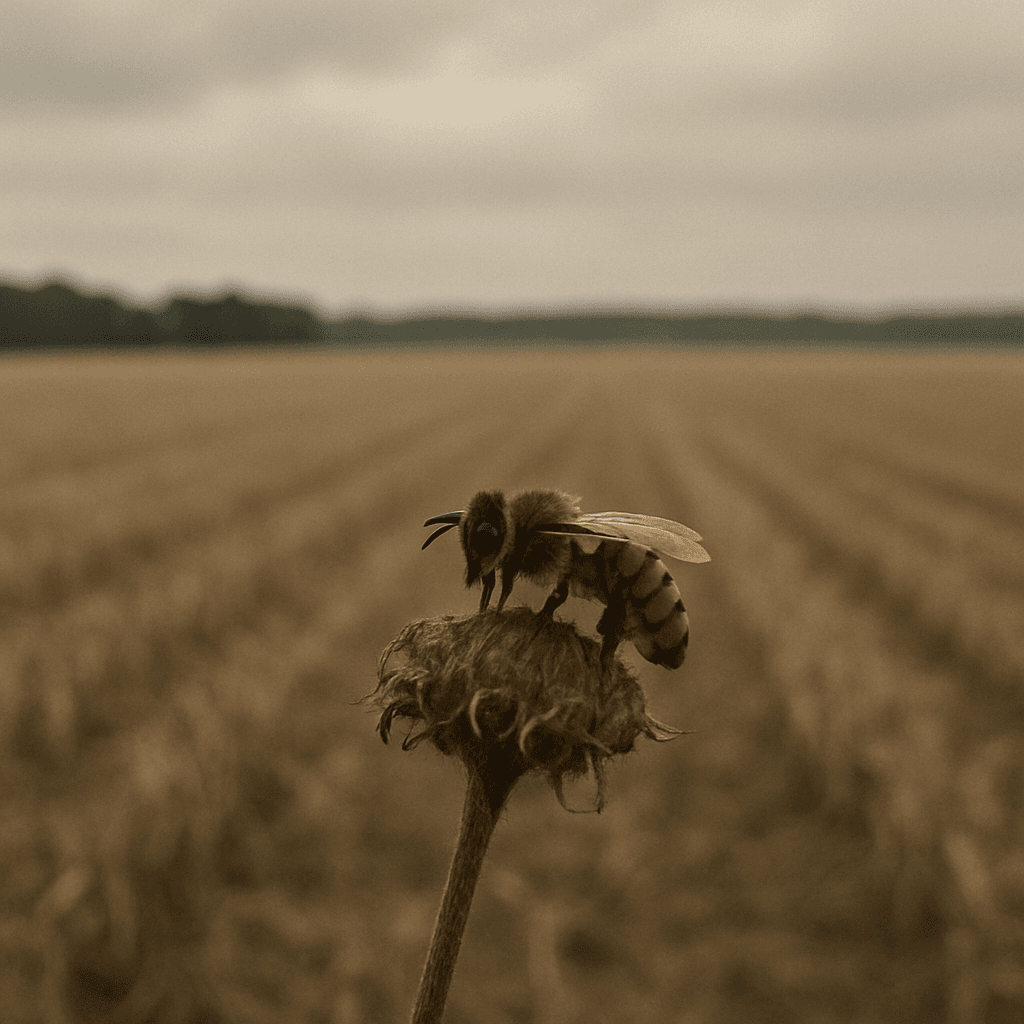
    22 May: a day for life on the planet.

    A Silent Crisis: Current Data and Causes.

    Global biodiversity is in crisis, and the data is concrete. According to the IPBES — the Intergovernmental Science-Policy Platform on Biodiversity and Ecosystem Services — the current extinction rate is estimated to be between 100 and 1000 times higher than the "background" rate measured over geological eras.

    The 2019 IPBES Global Assessment estimates that around one million species of animals and plants are at risk of extinction in the coming decades. In Europe, monitoring supported by IUCN and citizen science networks indicates a worrying decline in wild bees and other insects — the very ones that pollinate much of what we eat.

    According to IPBES, the five main causes are:
    • Land and sea use change
    • Overexploitation of natural resources
    • Climate change
    • Pollution
    • Invasive alien species
    Recognising them is the first step to taking action — and time matters.
    A Silent Crisis: Current Data and Causes.
    XNatura

    Biodiversity: a strategic lever for businesses.

    For businesses, biodiversity is no longer "just" an ethical issue: it is a measurable economic factor. Over 75% of the world's food crops depend on pollinators (FAO/IPBES); their decline threatens supply chains, production costs, and the availability of organic raw materials.

    The European regulatory framework has already taken action: the CSRD mandates more rigorous sustainability reporting, the EU Nature Restoration Law sets targets for ecosystem restoration, and the TNFD framework guides the disclosure of nature-related risks. The logic is that of double materiality: both the impacts of nature on business and those of business on nature matter.

    Five concrete drivers for management:
    • EU regulations in force or forthcoming
    • Access to ESG capital and funds
    • Reputation with customers and stakeholders
    • Supply chain resilience
    • Attraction and retention of talent
    Those who truly measure — with data collected in the field — build competitive advantage.
    Biodiversity: a strategic lever for businesses.

    Act Now: Private Actions and Corporate Choices.

    The World Biodiversity Day is a good opportunity to move from data to action. No impossible lists: just a few things, done seriously.

    For citizens and families
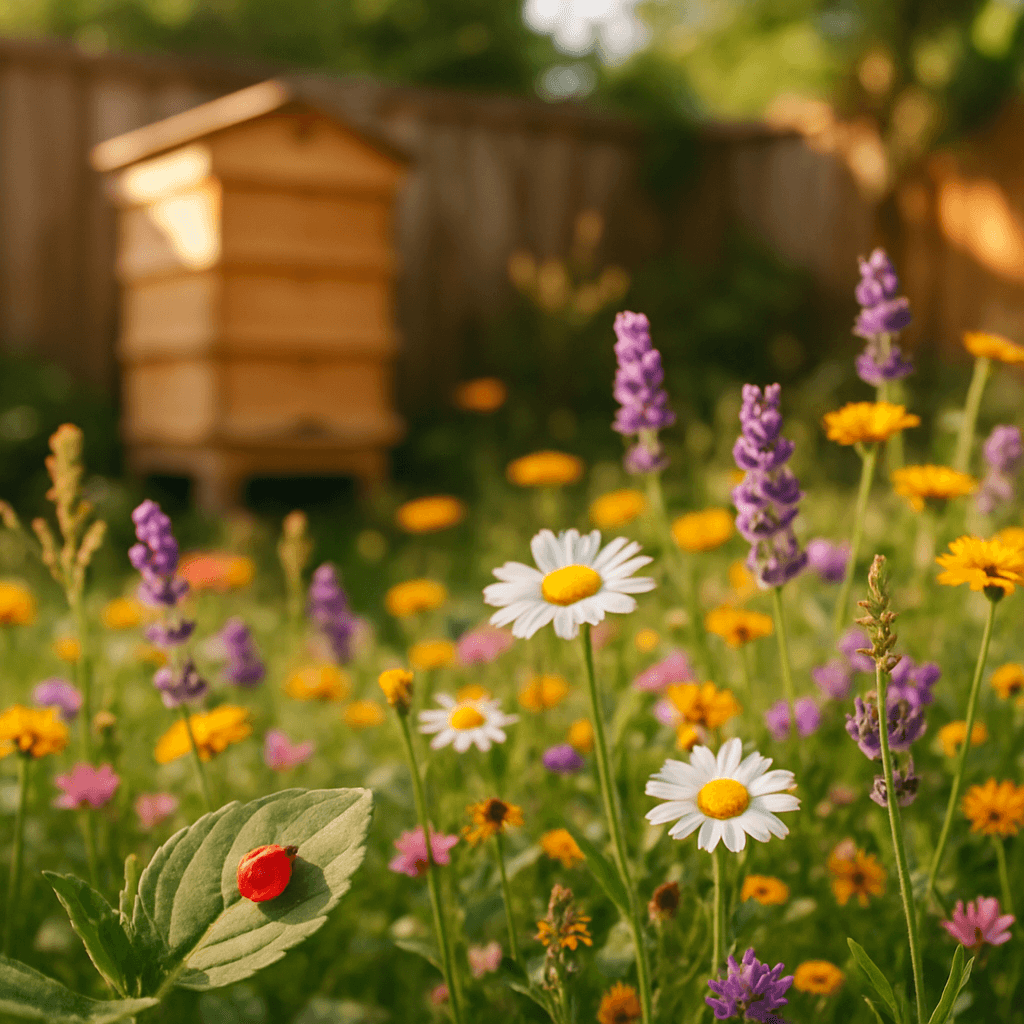
    • Leave corners of the garden or balcony "wild", with tall grass and wildflowers
    • Plant native and melliferous species, avoiding pesticides
    • Support beekeepers and local producers, choose traceable honey
    • Adopt a beehive or a tree with 3Bee, and receive data about your adoptee
    For companies
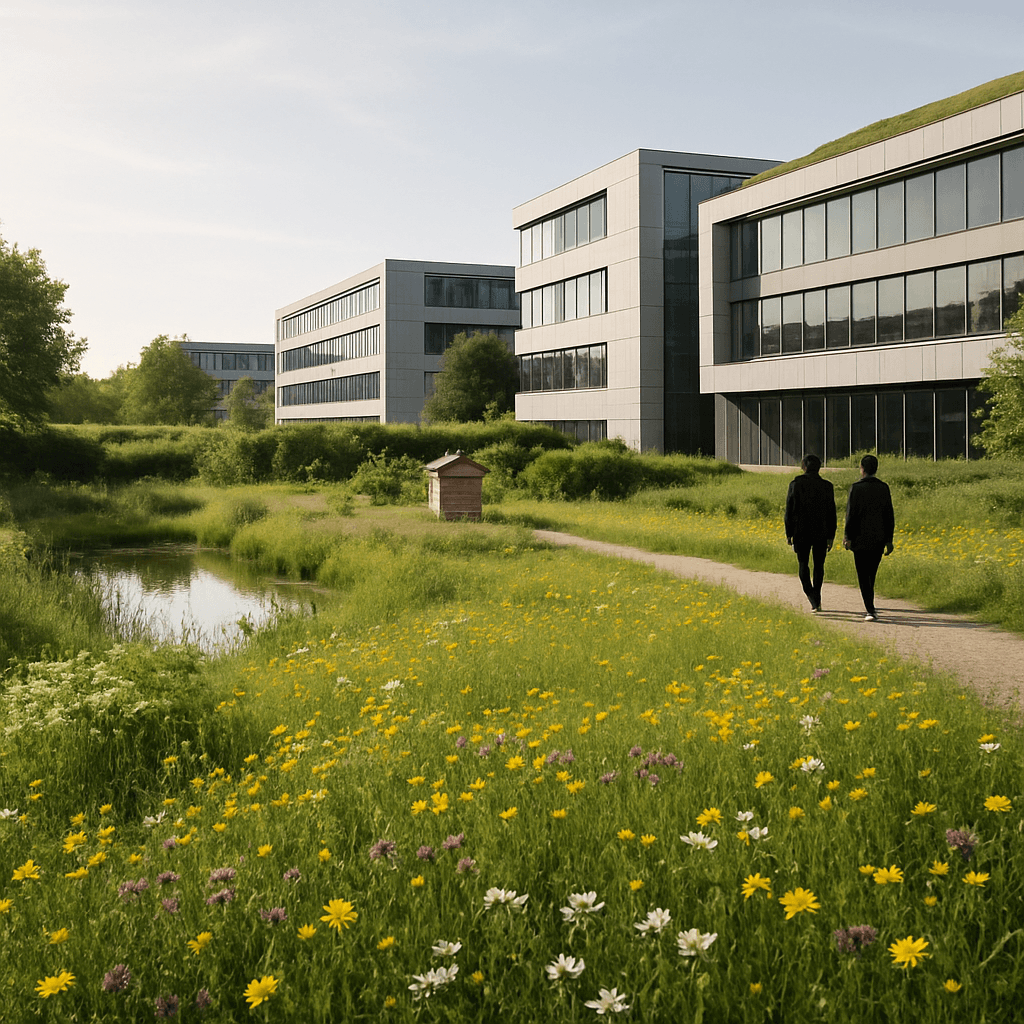
    • Create a biodiversity oasis on their land or near their premises
    • Measure impact with technology and scientific indices, not just statements
    • Integrate biodiversity into sustainability reports (CSRD, TNFD)
    • Engage suppliers, employees, and the community
    3Bee is a partner for measuring and generating real biodiversity: monitoring technology, oases on the land, adoptions that connect people and businesses to nature. 22 May is a date: the rest is what we do the other 364 days.
    Act Now: Private Actions and Corporate Choices.
    XNatura
    05/05/2026Of 3Bee, 3Bee, 3Bee
    75 Views
    Newsletter
    newsletter
    Subscribe to the Blog about bees and biodiversity