The three dimensions of sustainability
    SustainabilitySocialeEconomicaAsian

    The three dimensions of sustainability

    Sustainability consists of three fundamental dimensions: environment, society and economy, which are essential to promote sustainable development. We explore in this article the three essential dimensions of sustainability for companies.

    Read the article
    26/08/2024Of 3Bee, Lisa Santillo
    1288 Views
    26/08/2024Of 3Bee, Lisa Santillo
    1288 Views

    Environmental sustainability: meaning and importance

    The concept of sustainability, understood as the ability of a system to maintain itself in equilibrium, first emerged during the 1972 UN Conference in Stockholm. At this occasion, human responsibility for the environment and the need to implement preventive policies to safeguard ecosystems was recognised. Subsequently, the 1987 report "Our Common Future" defined sustainable development as "development that ensures that the needs of present generations are met without compromising the ability of future generations to meet their own needs". According to the Global Reporting Initiative (GRI), more than 70 per cent of large companies publish sustainability reports that include environmental indicators. Structuring a path to environmental sustainability, starting with an appropriate strategy, is therefore now indispensable for companies today.

    sostenibilità ambientale

    Social sustainability: welfare and equity

    Social Sustainability in business focuses on the well-being of employees, local communities and society as a whole. Companies must ensure safe and decent working conditions, promote diversity and inclusion, and contribute positively to the community. A study by McKinsey & Company shows that companies with well-defined diversity and inclusion strategies are 35 per cent more likely to perform financially above the industry average. Furthermore, promoting social sustainability creates a more productive and harmonious working environment, which is increasingly a competitive advantage for companies.

    sostenibilità sociale
    XNatura

    Economic sustainability: responsible growth and innovation

    economic sustainability implies that companies operate in a way that ensures long-term profitability without compromising future resources. This means adopting business models that integrate sustainability into the corporate core, such as the circular economy and sustainable investment practices. According to a study by Harvard Business Review, companies that adopt economic sustainability practices show six per cent higher revenue growth than competing companies that do not do the same. Economic sustainability encourages efficiency, waste reduction and innovation, which are key elements for competitiveness in the global market. Businesses must therefore move towards strategies that combine economic growth with respect for the environment and society, promoting a development model that integrates all aspects of sustainability.

    sostenibilità economica

    Why is sustainability important for companies?

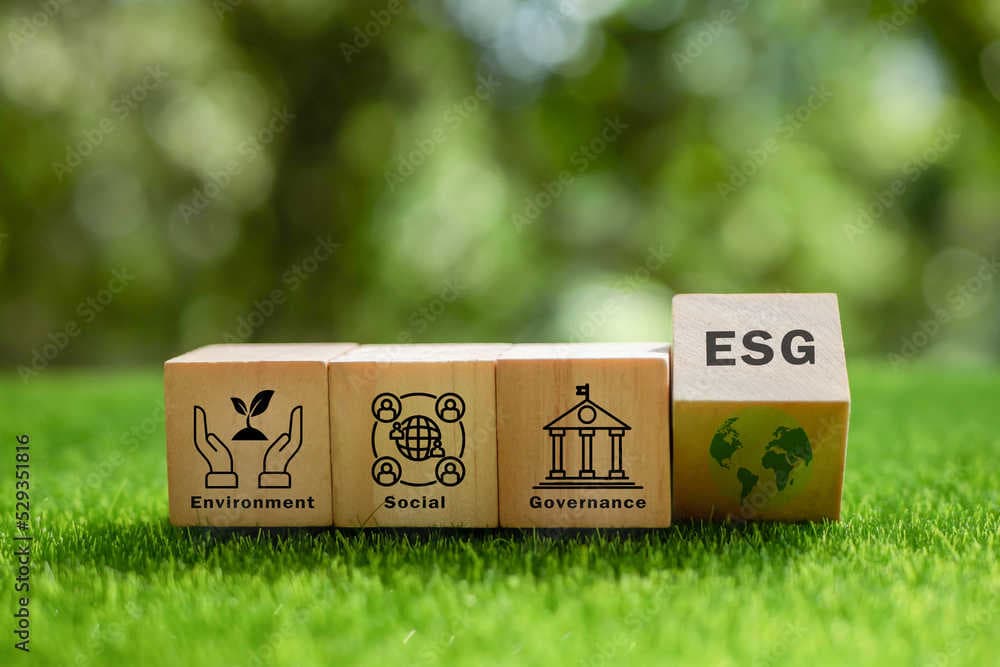
    Sustainability is crucial for companies because it responds to contemporary environmental, social and governance pressures, becoming a tool for innovation and competitiveness. The corporate sector is responsible for a significant environmental and social impact, and society demands an increasingly concrete commitment to more sustainable practices, with a 360-degree sustainability perspective and thus considering all its dimensions. The terms CSR (Corporate Social Responsibility) and ESG (Environmental, Social and Governance) summarise the fundamental importance for companies to implement long-term strategic plans, with tangible and measurable projects, in order to build trust among stakeholders and ensure greater resilience and competitiveness in the global marketplace.

    ESG aziende
    XNatura

    Sustainability projects with 3Bee

    In the current context, in which businesses are called upon to meet increasingly stringent sustainability criteria, 3Bee represents a strategic partner for the implementation of tangible and measurable projects. The naturetech company develops advanced technologies for the monitoring, protection and regeneration of biodiversity, supporting organisations, companies and municipalities in the realisation of sustainability projects in line with ESG objectives and the main international reporting standards. 3Bee's added value lies in its integrated and technological approach, which is built on three fundamental pillars: monitoring, regeneration and training. Indeed, 3Bee actively collaborates with research centres, schools, farmers and citizens, promoting a culture of sustainability that embraces not only the environmental but also the social dimension through educational projects and dedicated awareness-raising initiatives.

    3Bee piattaforma monitoraggio
    3Bee

    The 3Bee platform for biodiversity monitoring

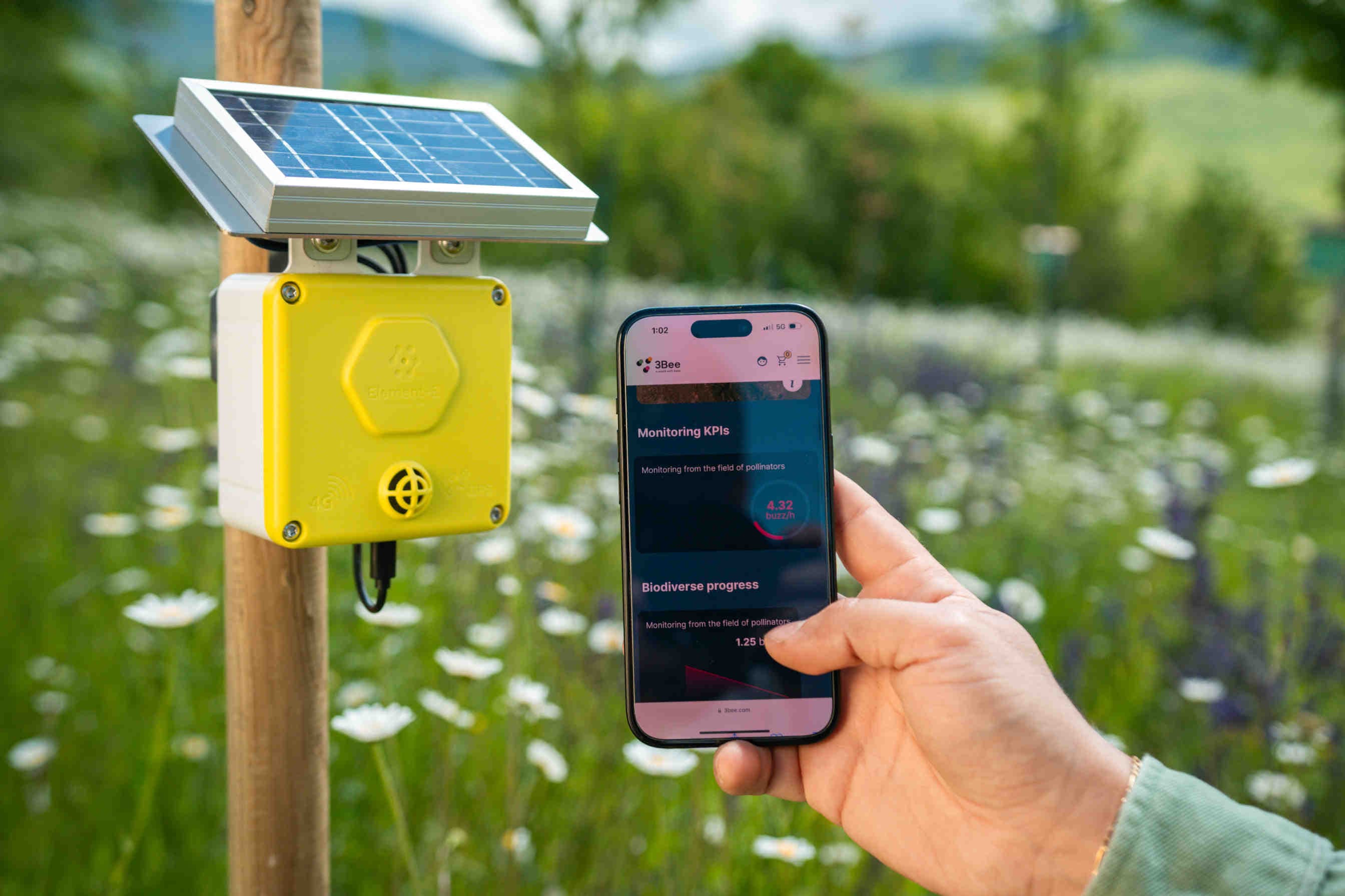
    Specifically, the biodiversity monitoring platform 3Bee allows companies, authorities and municipalities to assess their impact on biodiversity by obtaining transparent and objective data. Here, data collected through the analysis of satellite images and IoT bioacoustics devices placed in the field are aggregated and summarised into indices that provide an estimate of the impact of company sites on local biodiversity. The 3Bee approach for biodiversity assessment, regeneration and monitoring is based on the guidelines of the verified XNatura protocol, based on bioacoustics and remote sensing. In a single monitoring platform, 3Bee makes it possible to obtain accurate and measurable data on the impact on biodiversity of all sites and the supply chain, from which targeted interventions and strategies can be planned to regenerate biodiversity.

    26/08/2024Of 3Bee, Lisa Santillo
    1288 Views
    Newsletter
    newsletter
    Subscribe to the Blog about bees and biodiversity

    Frequently Asked Questions

    Do you have any doubts or other curiosities about this article? Here you will find some insights