The (silent) effects of microplastics on biodiversity
    the problemmicroplasticsoriginsimpacts

    The (silent) effects of microplastics on biodiversity

    In less than 100 years, plastic has invaded almost every corner of the planet, from the seabed to Alpine peaks. Although they often escape the attention of society and the media, microplastics, the most dangerous component, pose problems and dangers to the ecosystem and biodiversity.

    Read the article
    06/11/2024Of 3Bee, Luca Rossi
    456 Views
    06/11/2024Of 3Bee, Luca Rossi
    456 Views

    The dimensions of the problem

    Disclaimer: this is an automated translation from Italian. Go to the original article.

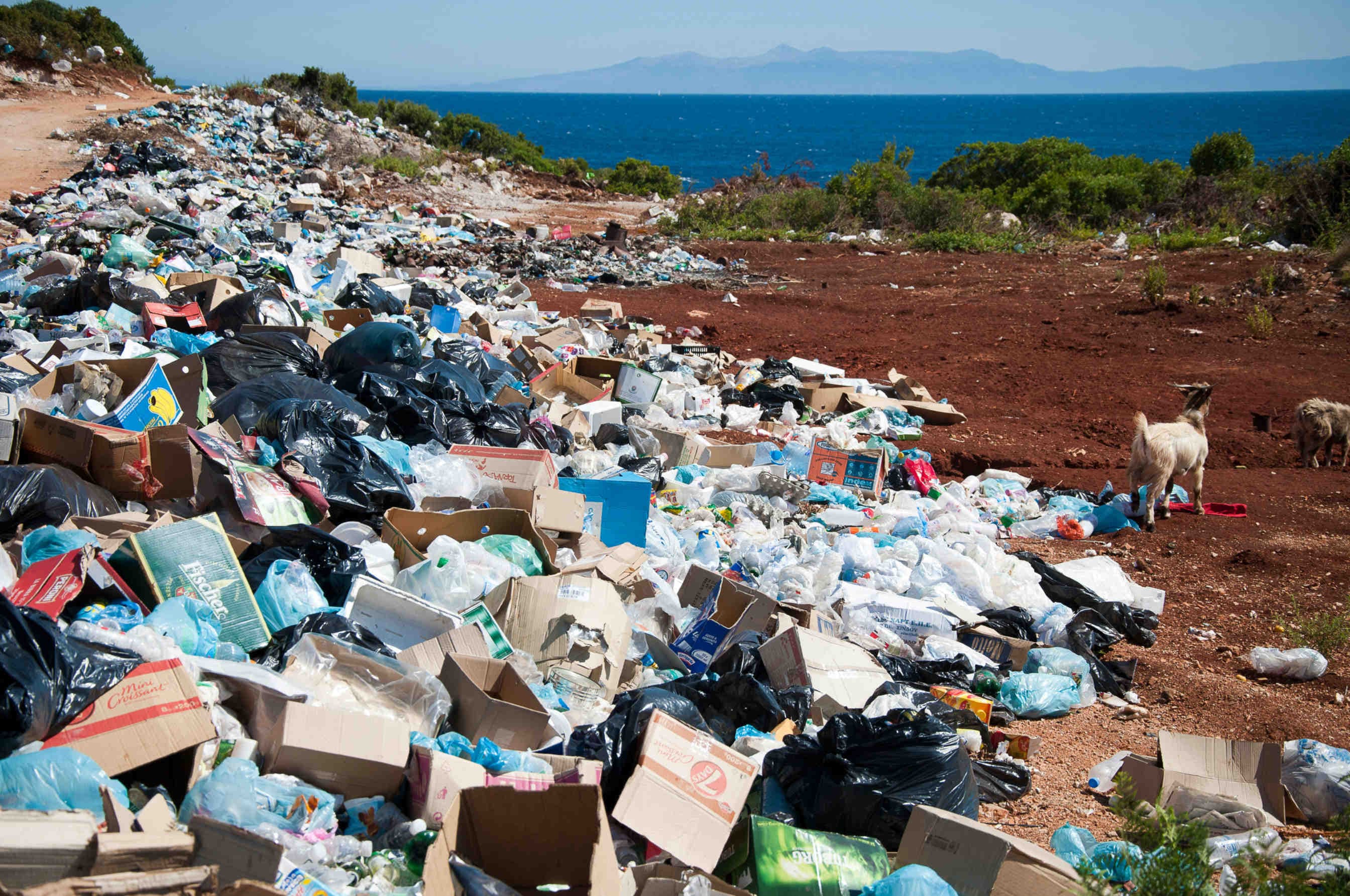
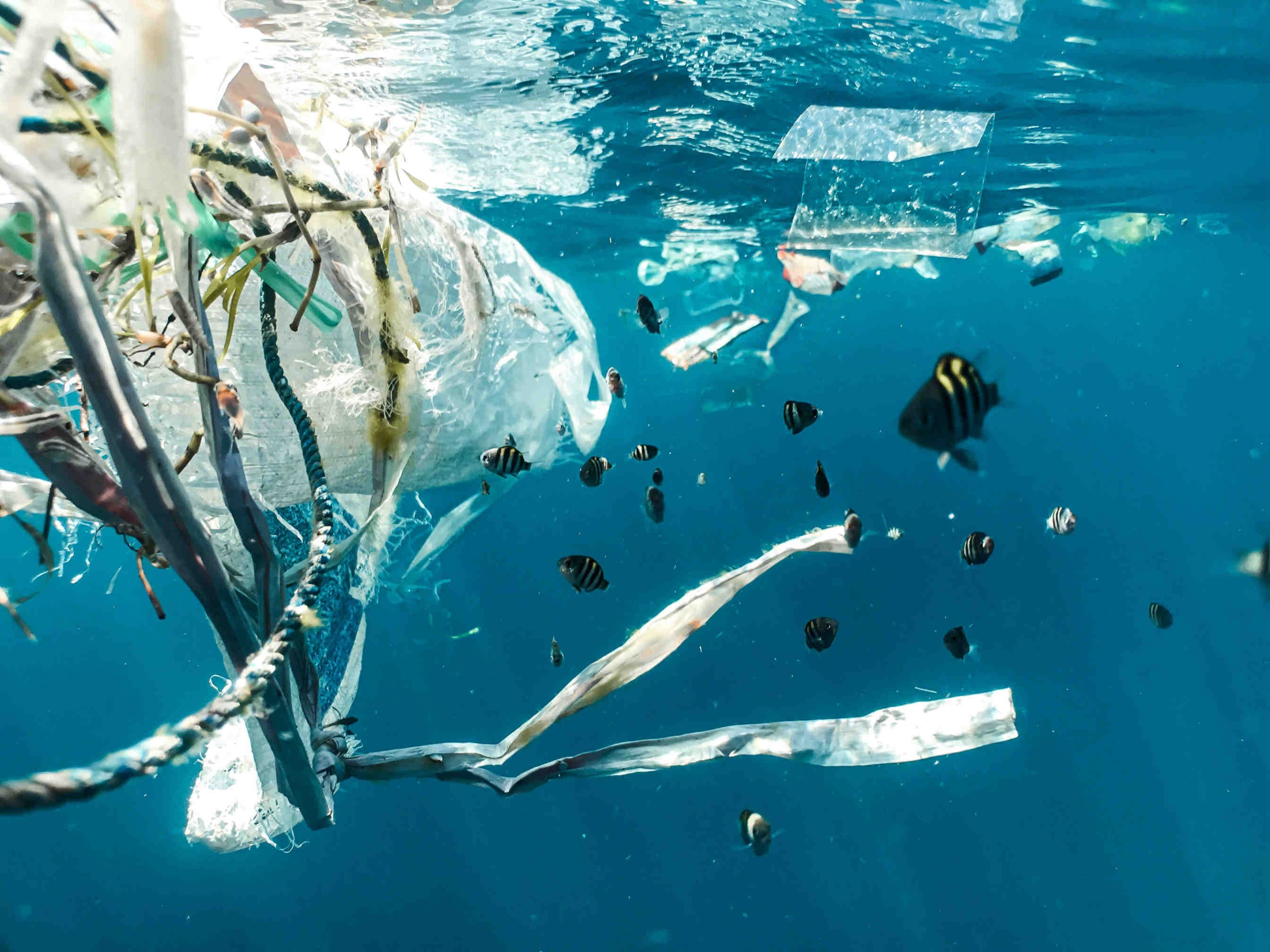
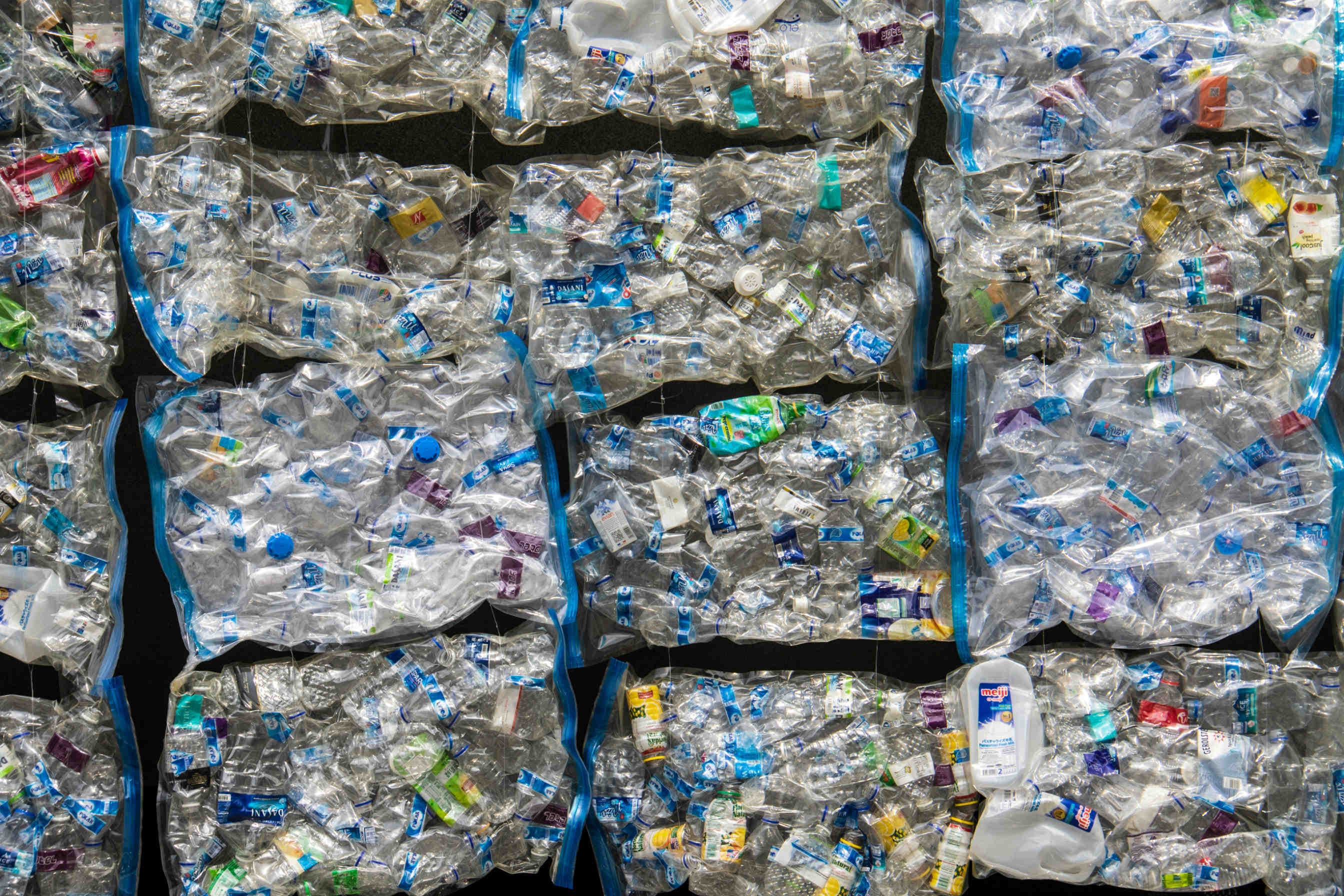
    Some 2 billion tonnes of solid waste are produced globally each year, with the trend increasing due to population growth and urbanisation. Of this, about 300-350 million is plastic waste, largely from items designed and manufactured to be used only once. Less than 10% of this volume is taken for recovery and recycling, with the rest of the waste going to landfill, when not entirely dispersed in the environment. Part of this dispersion occurs through waters (rivers, lakes, seas), where an estimated between 19 and 23 million tonnes of plastic waste arrive annually. Of this, 11 million reach the oceans.

    blocchi di rifiuti

    The hidden and little-known crisis of microplastics

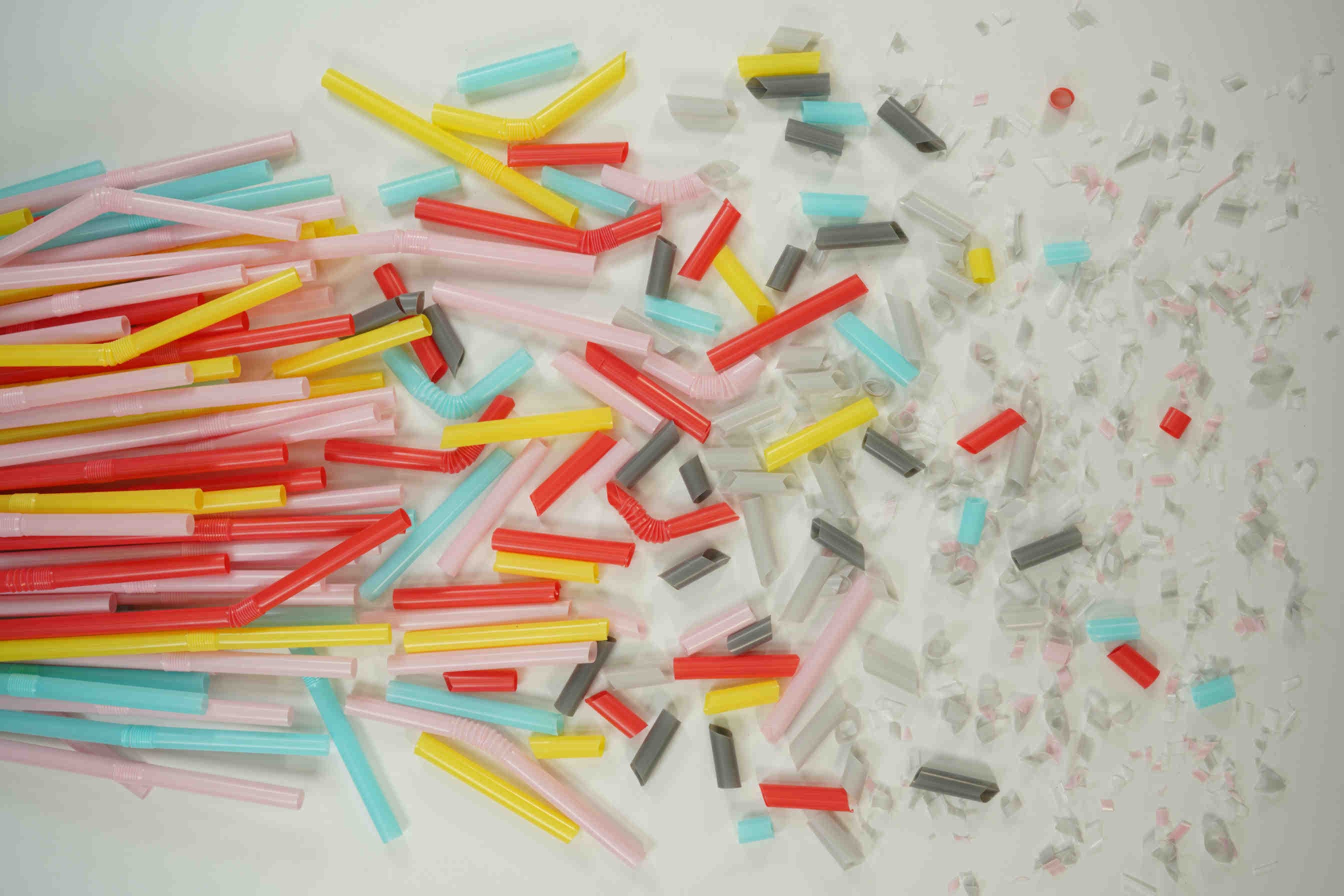
    The estimates speak of approximately 150 million tonnes in the sea today, of which those visible, often because they are floating, range between 15 and 25% (the tip of the iceberg), while the remaining 75-85% is composed of waste that is not visible, because it is floating in the water or because it is lying on the seabed. In the vast panorama of contemporary environmental emergencies, a particularly insidious threat is posed by microplastics. These tiny fragments, sized less than 5 millimetres, have silently invaded every corner of our planet. A report from 2019 quantified the 86 million tonnes of microplastics already present in the oceans, highlighting the magnitude of the problem. Their presence has been documented from the abyssal depths to the most remote peaks, demonstrating a capacity to spread beyond all natural barriers and creating an environmental crisis of global proportions.
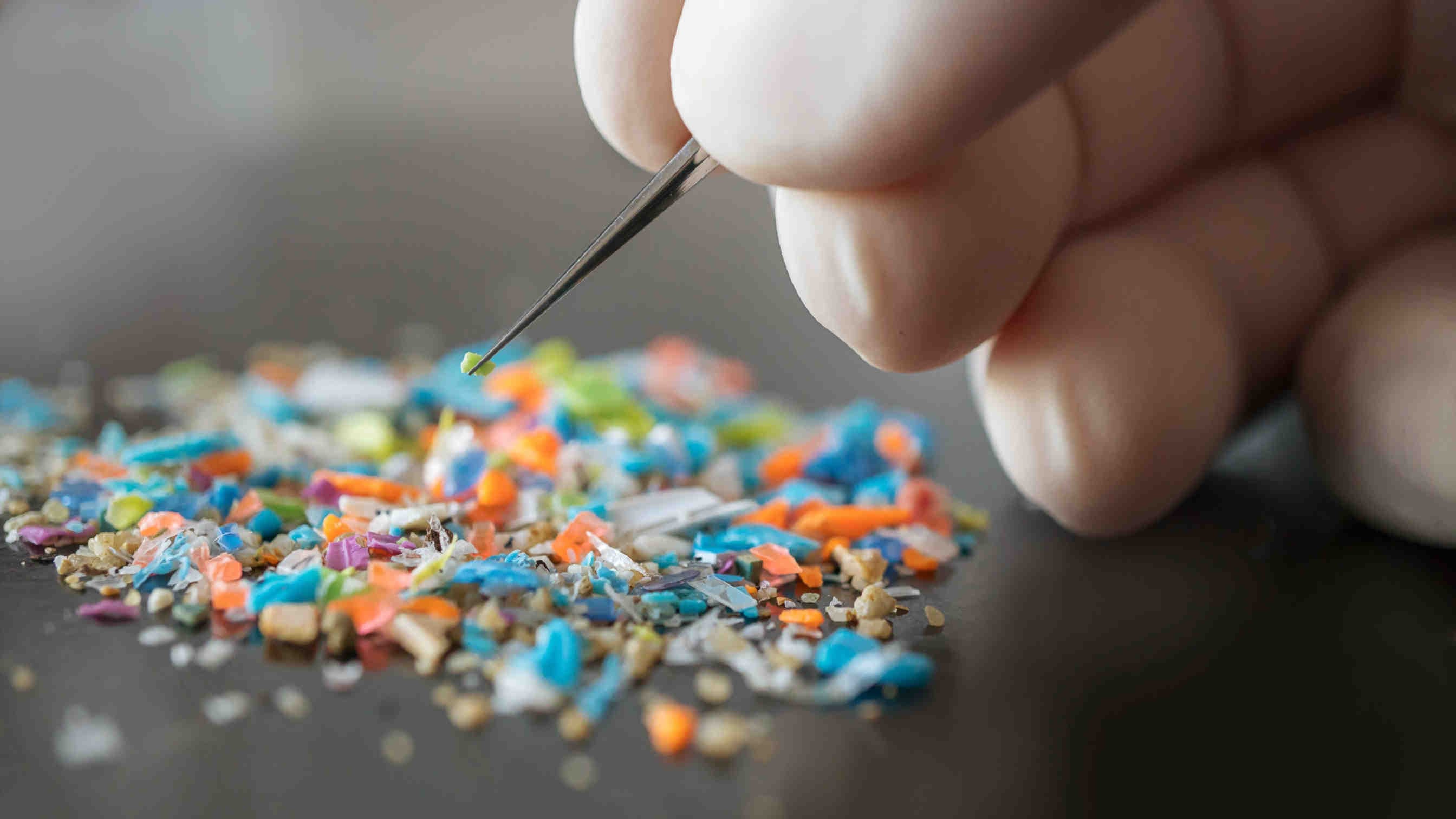
    microplastiche
    XNatura

    Origins and spread in ecosystems

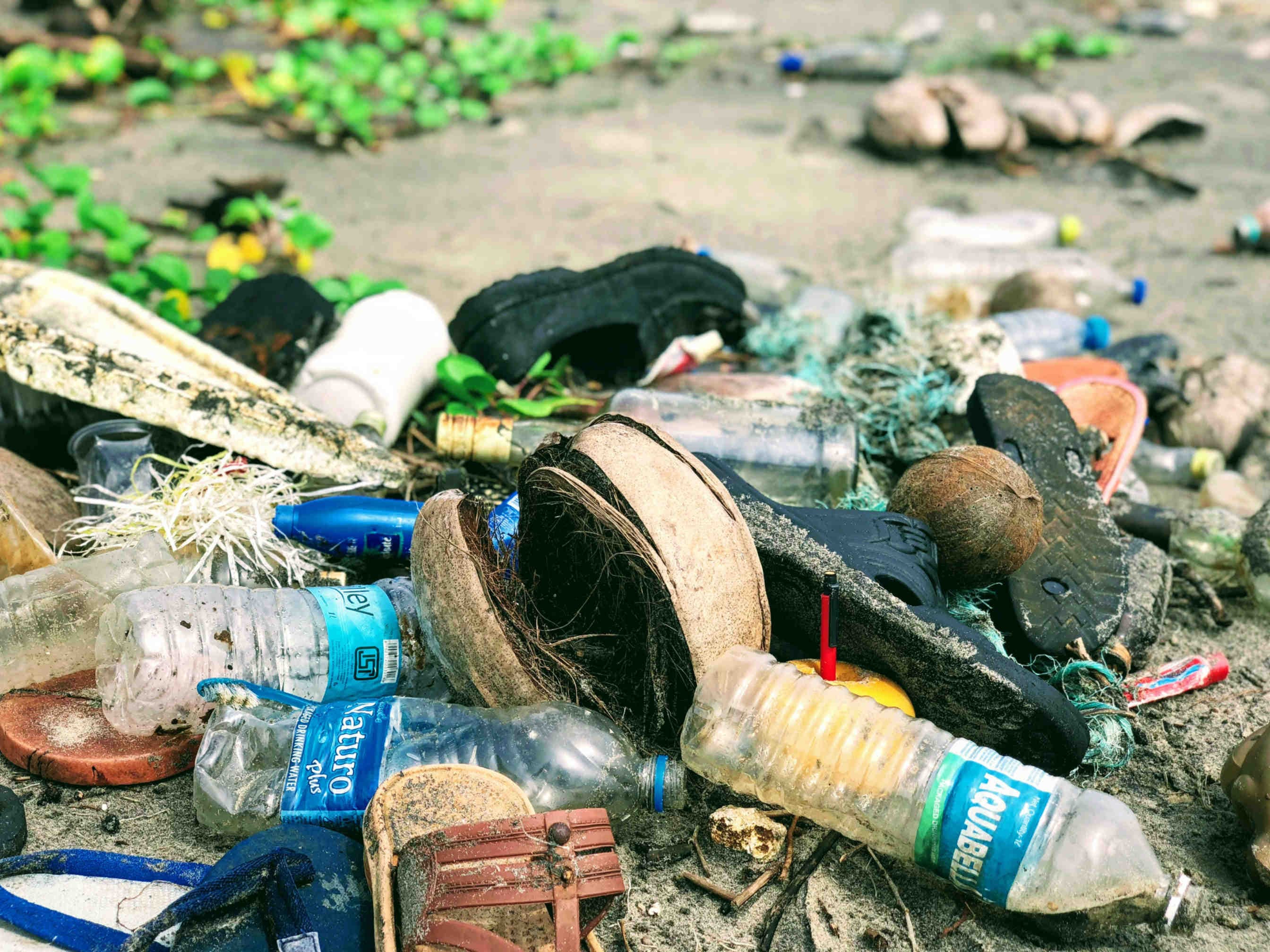
    Microplastics occur in two distinct forms: primary ones, intentionally created for specific industrial and cosmetic applications, and secondary ones, the result of the degradation of larger plastic objects. According to a 2016 study, about 35% of microplastics come from washing synthetic clothing. A 2017 study published in Nature Communications showed that the bioaccumulation of these particles represents a particularly worrying phenomenon, with long-term effects on the health of ecosystems. Ocean currents and winds contribute to their global dispersion, while urban and industrial wastewater constitute another significant source of contamination, carrying these particles through water systems to the oceans.

    rifiuti in spiaggia

    The impact on biodiversity and ecosystem balances

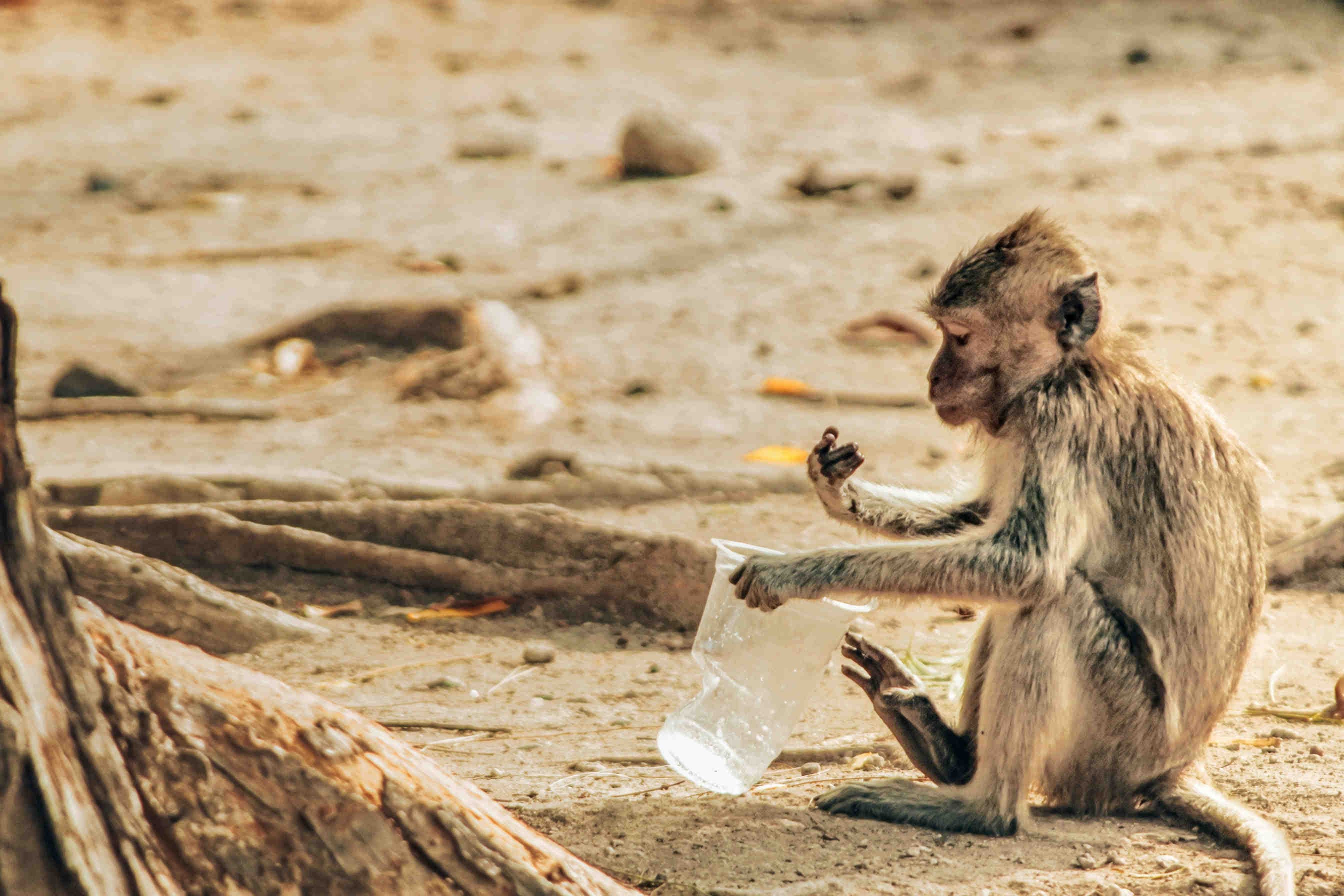
    A 2019 analysis published in Global Change Biology found that microplastic pollution is a significant threat to marine habitats, with particular impact on corals and the most vulnerable species. The modification of biological communities is profoundly altering the ecosystem balances, from the base of the food chain to the apex predators. The biomagnification - the process by which the accumulation of toxic substances in living things increases in concentration as one ascends to the next trophic level - of toxic substances associated with microplastics amplifies the negative effects along trophic levels. Filter-feeding organisms, such as molluscs and cetaceans, unwittingly accumulate large quantities of microplastics, becoming both victims and vectors of contamination for other species.

    scimmia bicchiere
    XNatura

    Terrestrial Impacts and Health Risks

    A article from 2021, also published in Global Change Biology, showed how microplastics in soil impair root growth and alter microbial communities, with cascading effects on terrestrial ecosystems. The World Health Organisation has raised concerns about the presence of microplastics in the human food chain, highlighting potential public health risks. More recent studies have begun to document links between exposure to microplastics and various health issues, from inflammatory response to alteration of the gut microbiota, especially through consumption of contaminated seafood.

    rifiuti abbandonati
    3Bee

    Impact on marine biodiversity

    Published in Environmental Pollution, exhaustive studies on the gut of sea bream (Sparus aurata L.), documented how the ingestion of microplastics in marine organisms causes inflammation, oxidative stress and cell death. Studies have revealed their presence in over 90% of the marine species analysed, with considerable effects on the food chain. A research published in Marine Pollution Bulletin highlighted how the presence of microplastics reduces the availability of essential nutrients, compromising the health of algae and the stability of aquatic ecosystems, which are already quite altered and compromised by the effects of climate change. The exposed fish show significant behavioural alterations: reduced hunting ability, altered reproductive patterns and increased vulnerability to predators, with direct consequences on the structure of marine populations.

    plastica in mare

    Even marine mammals are contaminated by microplastics

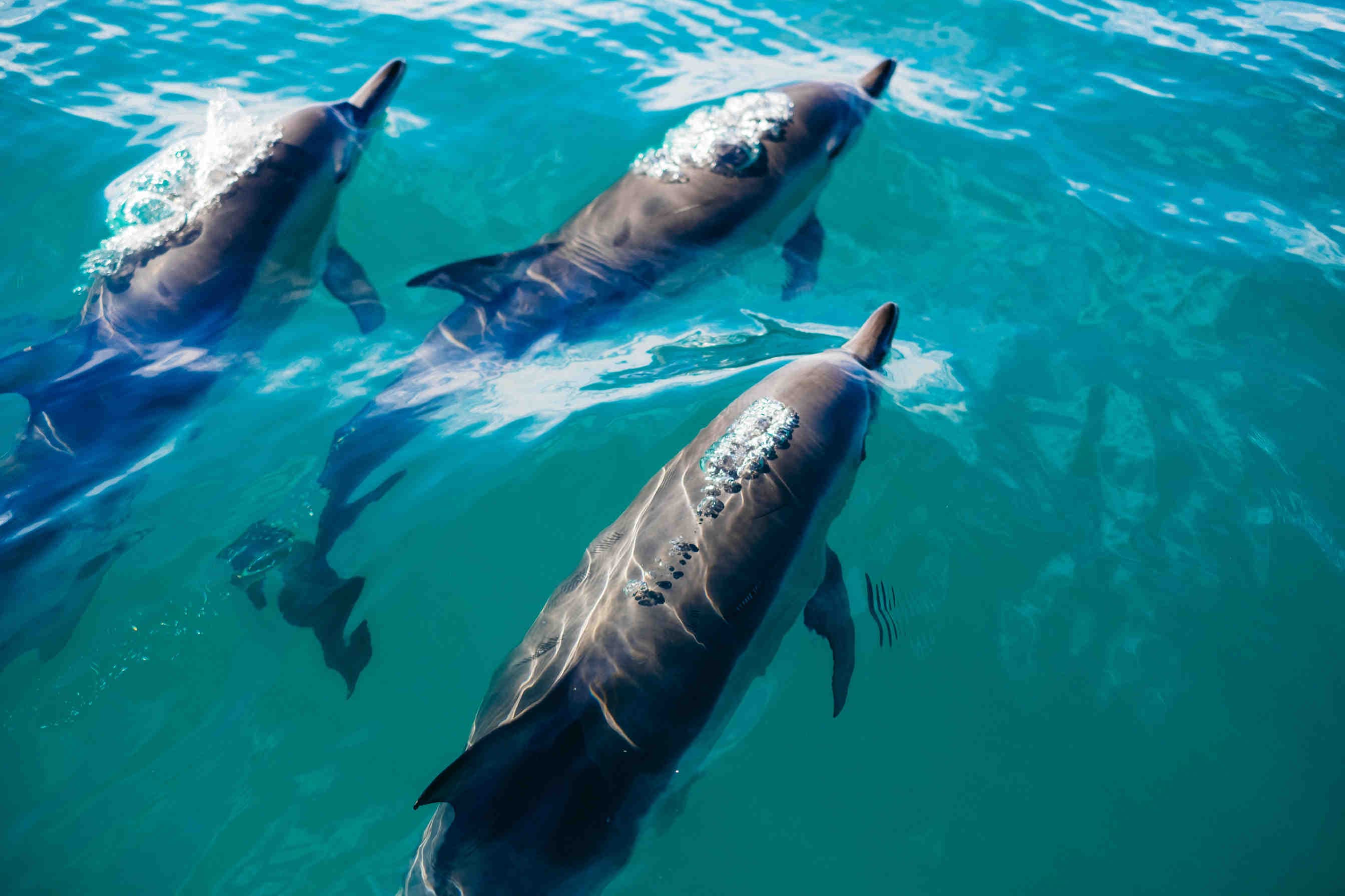
    A recent study analysed and witnessed the first evidence of inhalation exposure of microplastics in a marine mammal. Analysing exhalation samples collected from free-ranging longnosed bottlenose dolphins in Sarasota (Florida) and Barataria (Louisiana) bays, the researchers detected microplastic particles in all respiratory emissions analysed, mainly from polyethylene terephthalate (PET) and polyester (PE), materials commonly used in textiles. Inhalation of microplastics may pose a risk to the respiratory health of dolphins, with potential harmful effects similar to those found in humans, including oxidative stress and lung inflammation, and opens up new questions about risks to marine biodiversity. These findings suggested that inhalation may be a dangerous mechanism of exposure for marine mammals to microplastics.

    delfini

    Monitoring and analysis methodologies

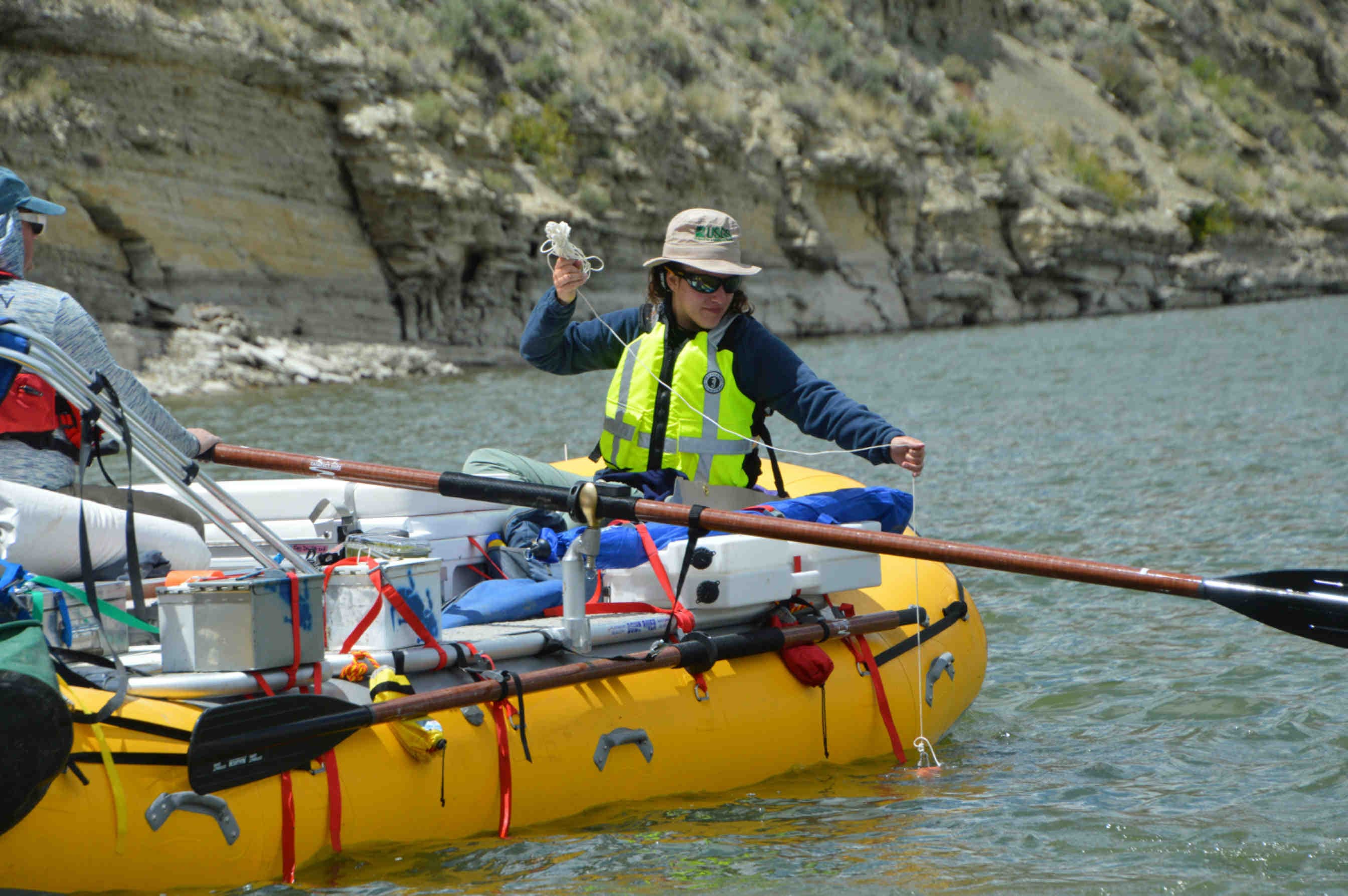
    Microplastic detection techniques have evolved significantly in recent years, incorporating advanced technologies such as Raman spectroscopy and scanning electron microscopy. Recent studies are addressing and furthering the development of standardised methods for the sampling and analysis of microplastics in different environmental matrices. The implementation of automated monitoring systems and the use of satellite technologies are enabling the global distribution of these contaminants to be mapped with increasing precision, providing essential data for understanding dispersion and accumulation patterns.

    campionamento

    Innovation and scientific research

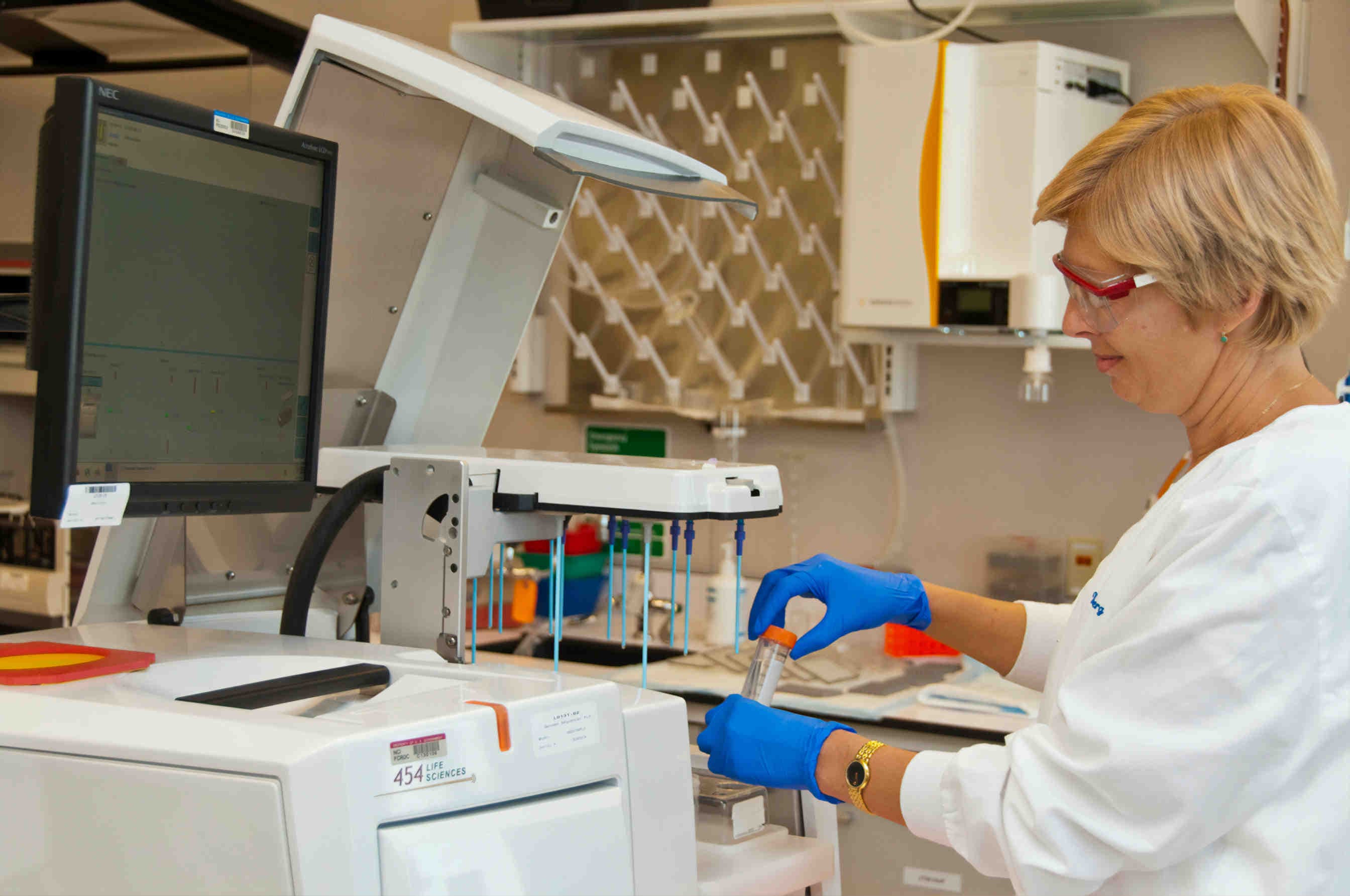
    The Global Plastic Action Partnership estimates that effective reduction policies could decrease plastic pollution by 50% in the next decade. Scientific research is exploring innovative solutions: from advanced filtration systems to specific enzymes for the degradation of synthetic polymers. Specialised laboratories are developing new methodologies for monitoring and removing microplastics, while industry is investing in alternative fully biodegradable materials. Collaboration between international research centres is accelerating the development of promising technological solutions.

    ricerca scientifica

    Mitigation Strategies and Environmental Policies

    The United Nations Clean Seas Campaign represents one of the most significant global efforts in the fight against plastic pollution. International initiatives are promoting policies to reduce single-use plastics and incentives for the adoption of sustainable alternatives. Public awareness through programmes such as Plastic Free July is helping to change consumer behaviour. Many countries have implemented strict regulations on the production and disposal of plastics (e.g., at the European level, the Regulation (EU) 2024/1781 on eco-design), while non-governmental organisations coordinate ocean clean-up projects on a global scale. Success in the fight against this pollutant will depend on the ability to coordinate efforts globally, involving governments, industry, research organisations and civil society.

    stop plastica
    06/11/2024Of 3Bee, Luca Rossi
    456 Views
    Newsletter
    newsletter
    Subscribe to the Blog about bees and biodiversity