The lemon: a yellow treasure, from the Mediterranean to the Tropics
    AgrumiHistoryCo-evolutionLemon

    The lemon: a yellow treasure, from the Mediterranean to the Tropics

    The flavour of citrus fruits is one of the most loved in the world, so much so that their annual production is very conspicuous. The lemon is one of the most sought-after citrus fruits because of its rich nutrient profile and the important beneficial molecules it contains.

    Read the article
    05/08/2024Of 3Bee, Lara Vivarelli
    557 Views
    05/08/2024Of 3Bee, Lara Vivarelli
    557 Views

    Citrus fruits

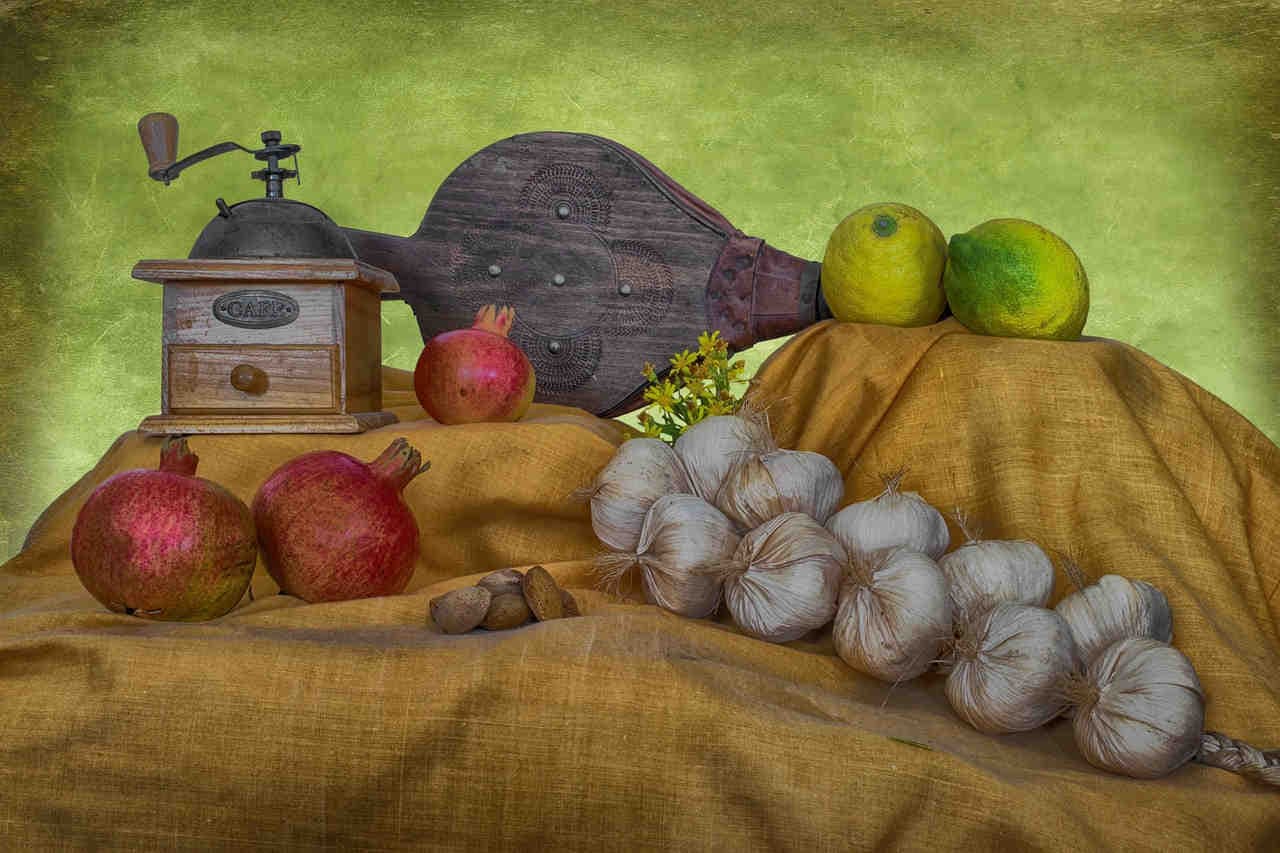
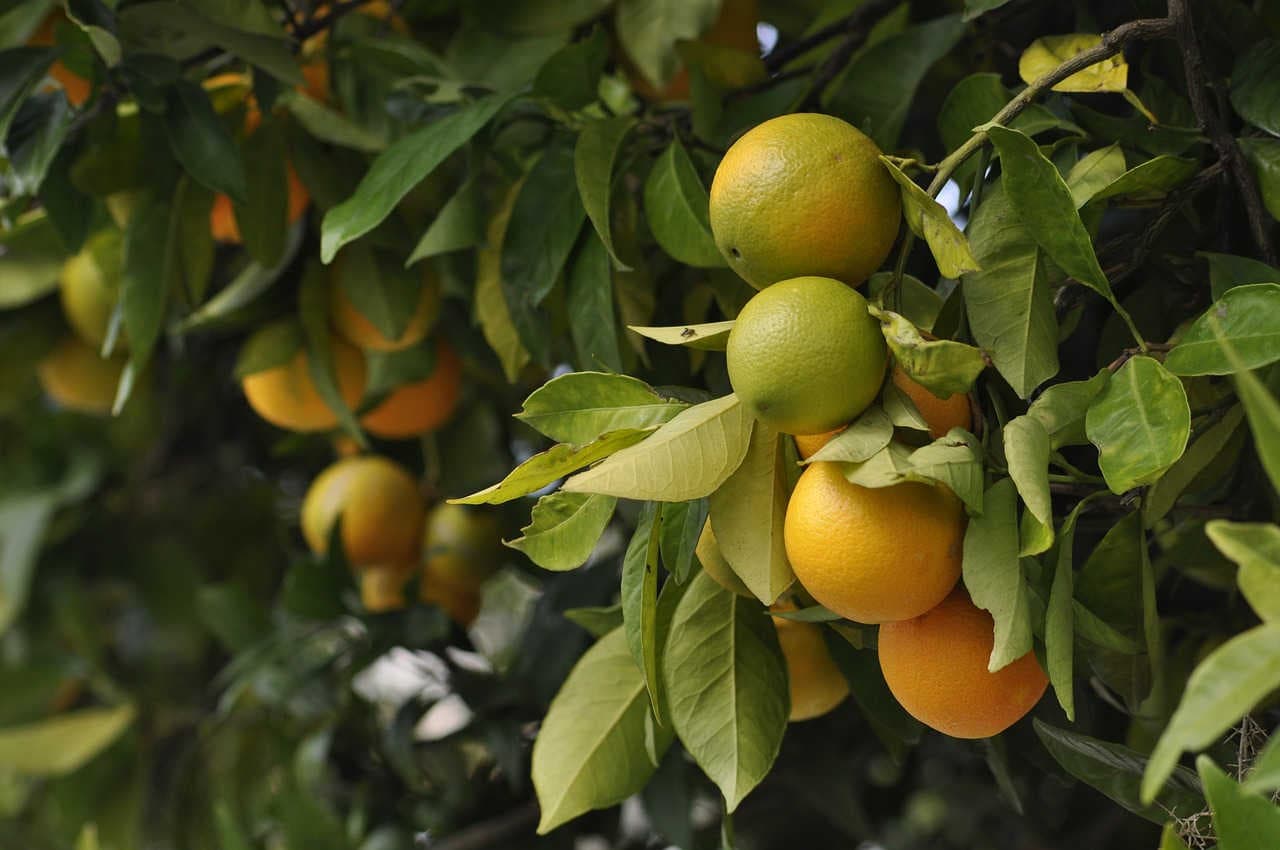
    Citrus fruits represent the most important tree fruit crop globally; the term citrus refers to a group of evergreen plants, both shrubs and trees, belonging to the genus Citrus, which includes about 25 species. These fruits are among the most popular flavours in the world and are prized for their rich nutritional profile. Citrus fruits are known for their important nutritional, pharmaceutical and cosmetic properties. It is well known that citrus fruits and their derivatives are an abundant source of vitamins, minerals, fibre and pectin, which are essential for the proper functioning of the human body. They also contain some biologically active substances that support various metabolic processes in the body. They are the most traded fruit and vegetable product in the world. The most economically important species in this genus are the lemon, lime, sweet orange, bitter orange, mandarin, grapefruit, citron and chinotto.
    Agrumi

    The history of citrus fruits

    Originating in the tropical and subtropical regions of South-East Asia, citrus fruits spread to the Mediterranean countries of Europe and North Africa, and, after 1492, to the Americas thanks to Columbus, as well as to South Africa and Australia. After being introduced to Europe about two thousand years ago, citrus fruits were used to perfume and to protect clothes from moths. Only from the 16th century onwards, the fruits began to be consumed to the extent that the wealthy had special greenhouses built for citrus fruits, called "orangerie", giving rise to a period known as "citrusmania". The cultivation of citrus fruits thus became a status symbol, especially in southern Italy, where they were considered symbols of beauty and wealth. Their peculiar properties determined their worldwide importance as fruit crops, and they became prominent in literature, the arts and religious ceremonies.

    Agrumi e arte
    XNatura

    The co-evolution of citrus fruits

    Citrus fruits have been cultivated for millennia, and this has led to a coevolution between different species, giving rise to a vast range of cultivated species and varieties. Diversification into species and varieties is given by natural or induced mutations, through the crossing and reproduction of the 'original species. The original species are represented by Citrus medica, the citron, by Citrus maxima, the pomelo, by Citrus reticulata<7i>, the mandarin, and by Fortunella japonica, the Chinese mandarin. Their main descendants are C. aurantium, vulgarly called the bitter orange, C. sinensis, the orange, and Citrus limon, the lemon.
    agrumi

    The lemon

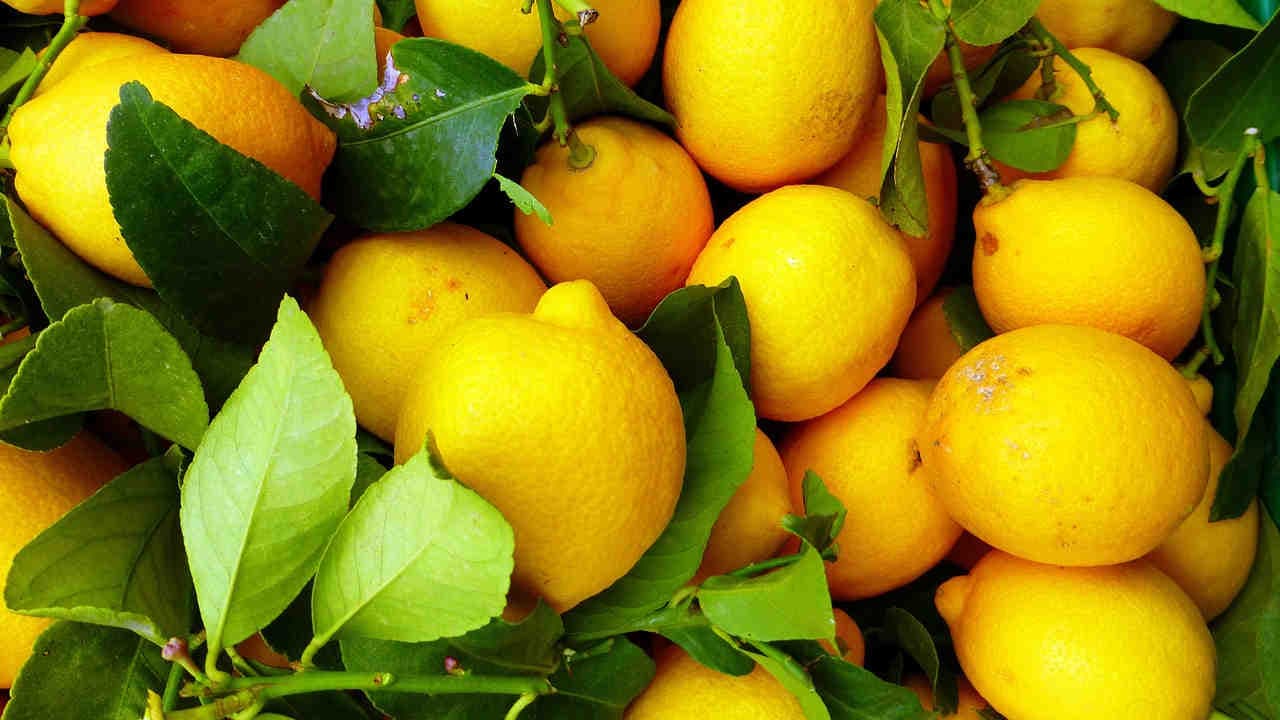
    The lemon, with the scientific name Citrus limon, is the third most important Citrus species after the orange and mandarin. It is a tree known for its yellow, thick-skinned, vitamin C-rich fruits with great commercial value for the food industry. Traditionally, the juice obtained from the lemon was used as a medication for scurvy, although the vitamin C it contains was not yet known. The lemon is a fruit rich in several molecules important for health, such as vitamins, minerals and dietary fibre, but also essential oils, phenolic compounds and carotenoids, well-known antioxidants. Its compounds are sought after for health care, ranging from pharmacology to cosmetics.
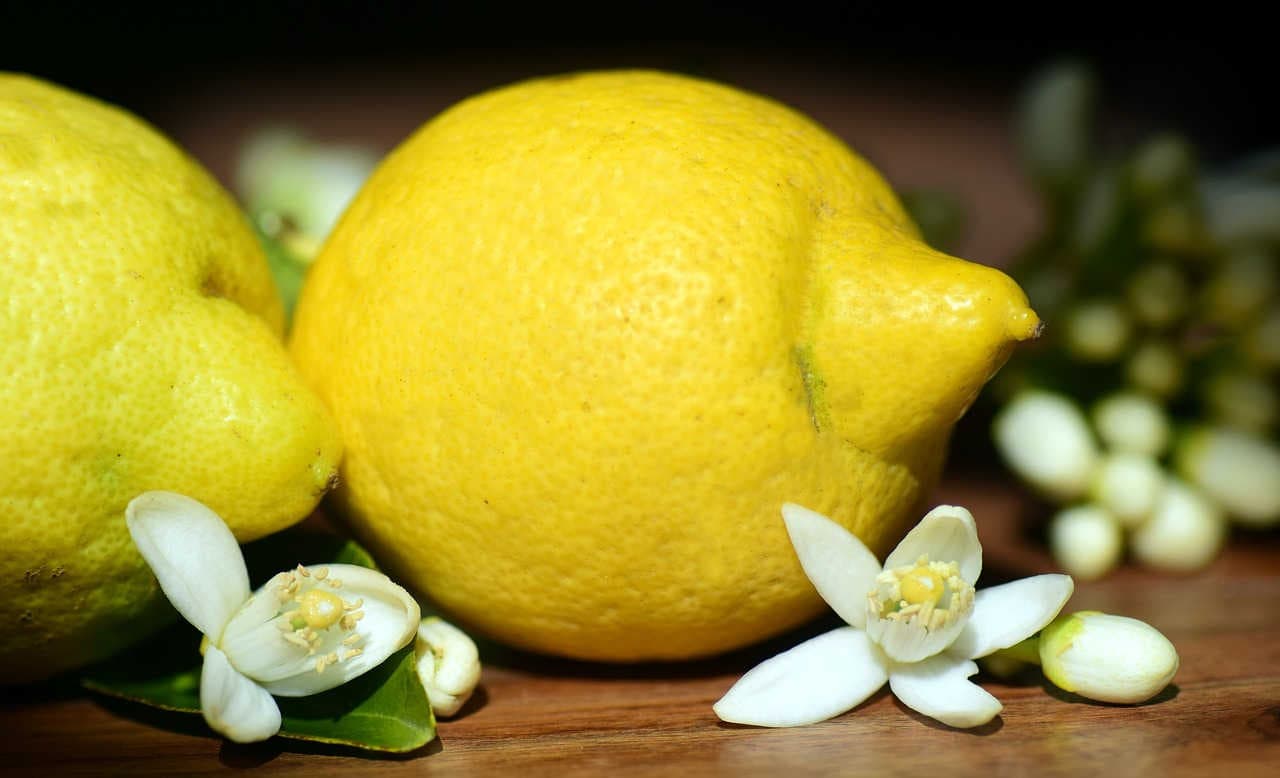
    limone
    XNatura

    The origins of the lemon

    The origin of the lemon is not entirely certain; it is speculated that it comes from Pakistan and India, or from the eastern Himalayan region of southern China and northern Myanmar. Already known in China around 500 BC, the lemon only arrived in Europe between 1000 and 1200 AD. In India, bordering China, ancient Sanskrit texts dating back to before 800 B.C. mention citron, lemon and other intermediate varieties between the two species. However, it is believed that these plants had long been known through oral traditions.

    origini limone
    3Bee

    The botanical 'roots' of the lemon

    It is hypothesised that the lemon is the result of the combination of two species: C. aurantium, known as the bitter orange, and C. medica, commonly called the citron. A study conducted by the University of California (Oakland, California, USA), which examined the origin of several species of the genus Citrus, has confirmed this hypothesis, lending further support to the thesis. The botanical classification of citrus fruits is complex, as throughout history these trees have been subject to numerous cross-pollinations, generating hybrids and many cultivars. Hybrids are created to obtain fruit with valuable organoleptic and industrial characteristics, such as seedlessness, high juiciness and the desired taste. From C. limon, as from many other citrus species, numerous varieties, cultivars and hybrids have been generated.
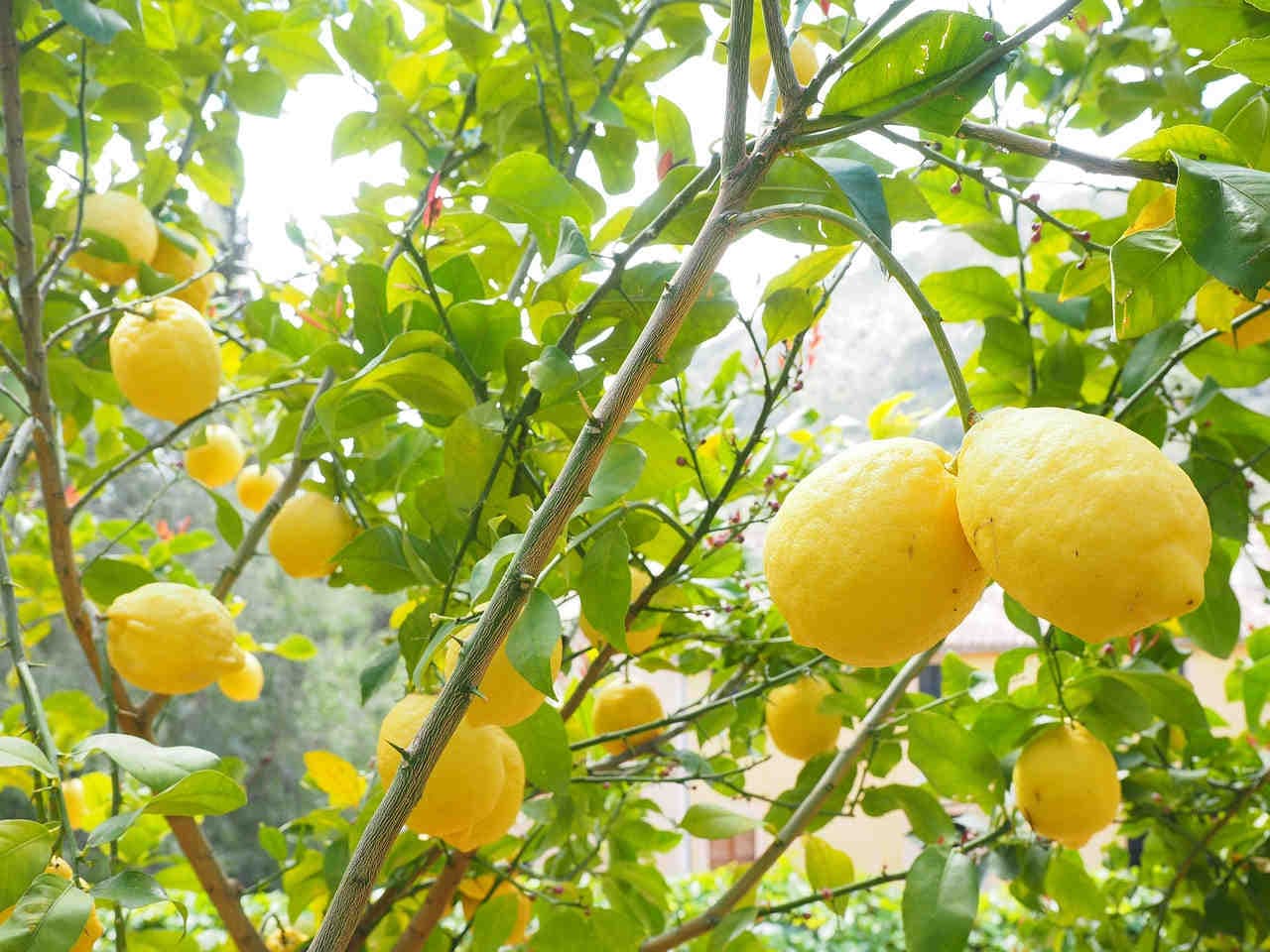
    The botanical 'roots' of the lemon

    Why is the lemon so sought after?

    Of the lemon, the chemical composition of the fruit, but also of the leaves and the oil extracted from the seeds, has been extensively studied. As previously mentioned, the lemon is rich in bioactive compounds. In particular, it contains several flavonoids and carotenoids, antioxidant compounds of cosmetic and dietary interest. The phenolic acids are another important group of compounds present in both the juice and the fruit, also with antioxidant properties. Present in the fruit are a complex of B vitamins and, most importantly, vitamin C, also called ascorbic acid. Another interesting group of compounds present in the fruit of C. limon are the limonoids, which are responsible for the bitter taste of this fruit.
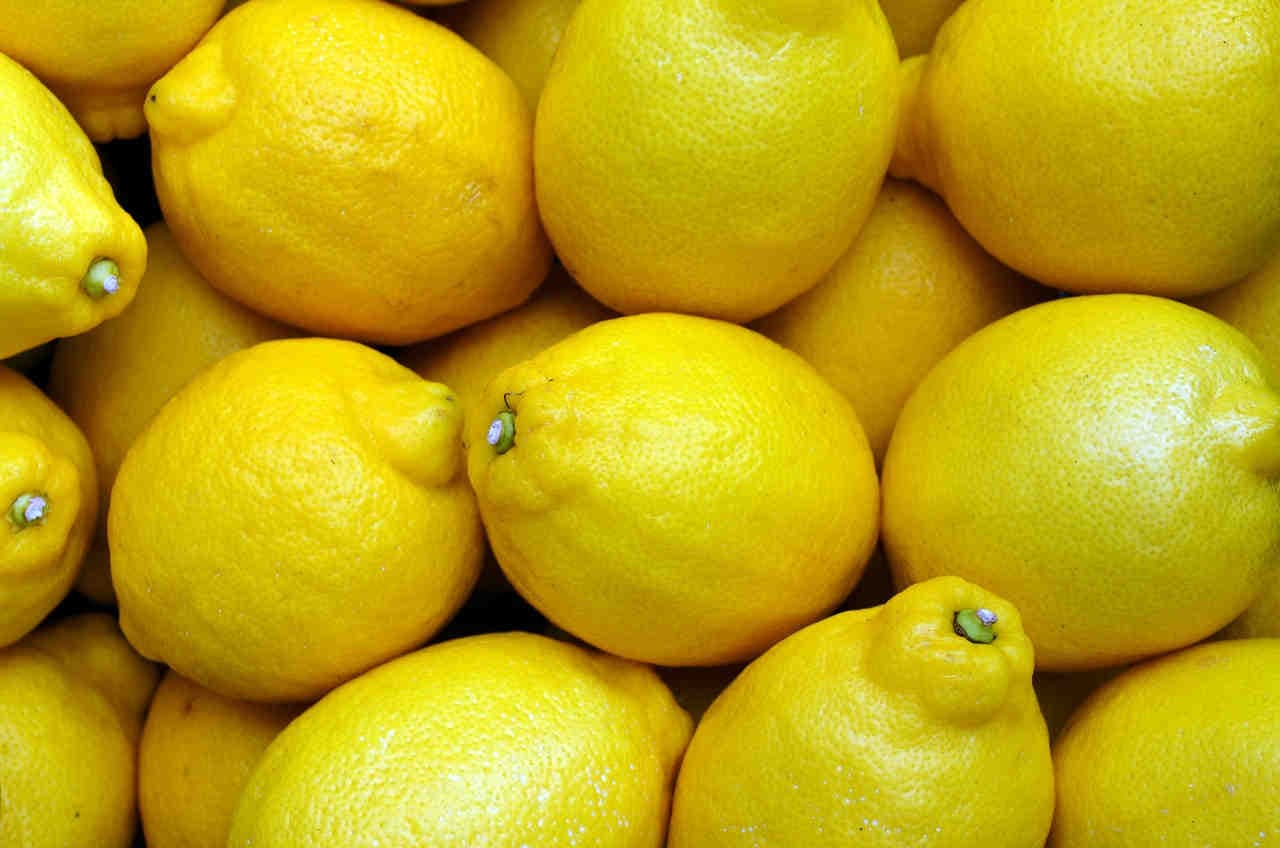
    limone

    Properties and beliefs

    This fruit is the subject of much research for potential applications in the pharmacological field, as several substances it contains possess antibacterial, antifungal, anti-inflammatory and anti-tumour properties. In particular, lemon extracts and the essential oil obtained from its peel have become the subject of numerous scientific studies aimed at demonstrating their use in cosmetology. Indeed, they have long been attributed a positive effect on acne-prone skin due to their purifying and astringent action. The traditional uses of this raw material are known in different parts of the world, such as in Tanzania, where, to treat acne, they mix the juice with egg white, honey and cucumber. Or, freshly squeezed juice is mixed with olive oil. Furthermore, lemon juice, according to traditional Indian medicine, can induce menstruation.

    olio essenziale di limone

    Warm and temperate climate, ideal for lemons

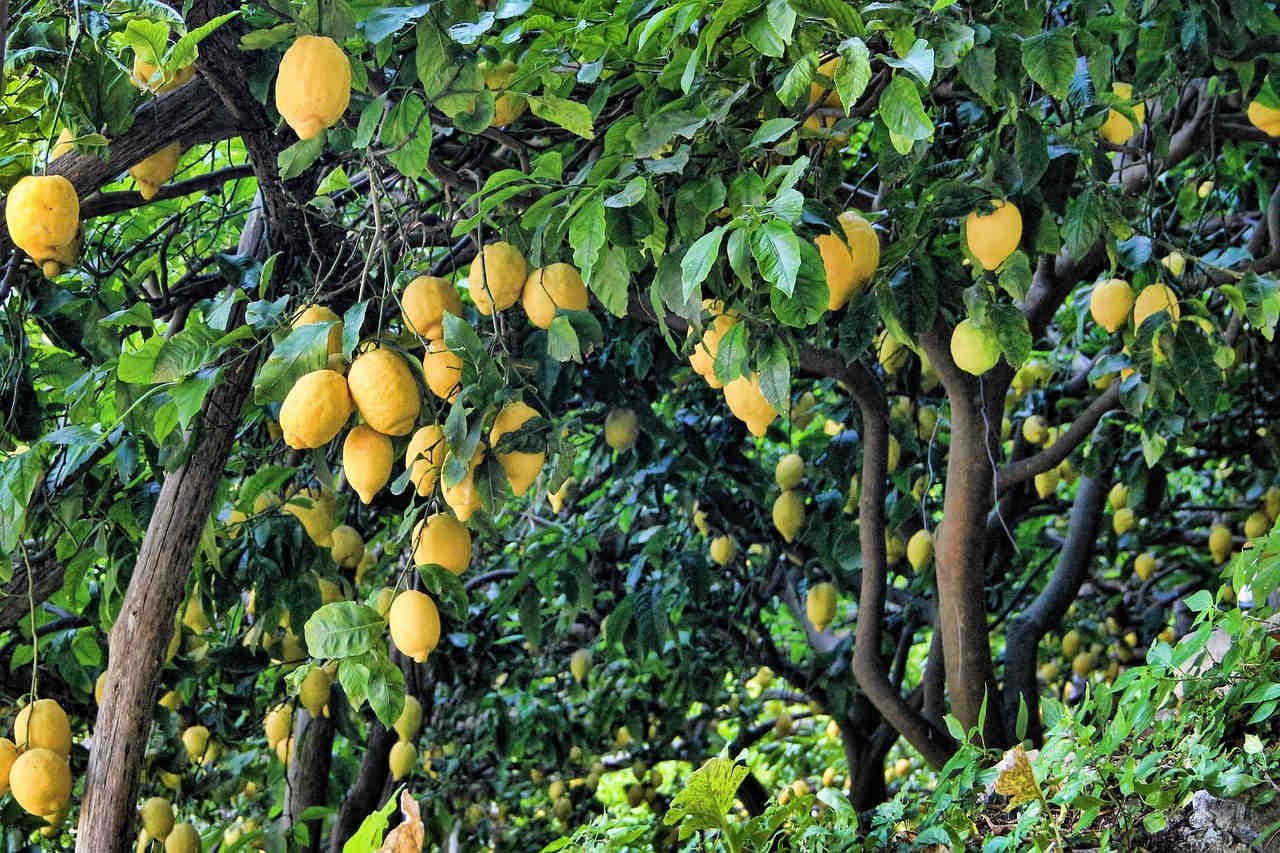
    Species belonging to the genus Citrus occur naturally in warm and mild climate areas, especially in the Mediterranean region. The lemon thrives in warm and temperate climates, characterised by mild winters and warm summers. Indeed, lemons require a significant amount of sunlight to grow well and produce high quality fruit, not tolerating frost, to which it is susceptible. Regions with harsh winters are not suitable for its cultivation. If the climate is ideal, it can flourish and bear fruit twice a year.
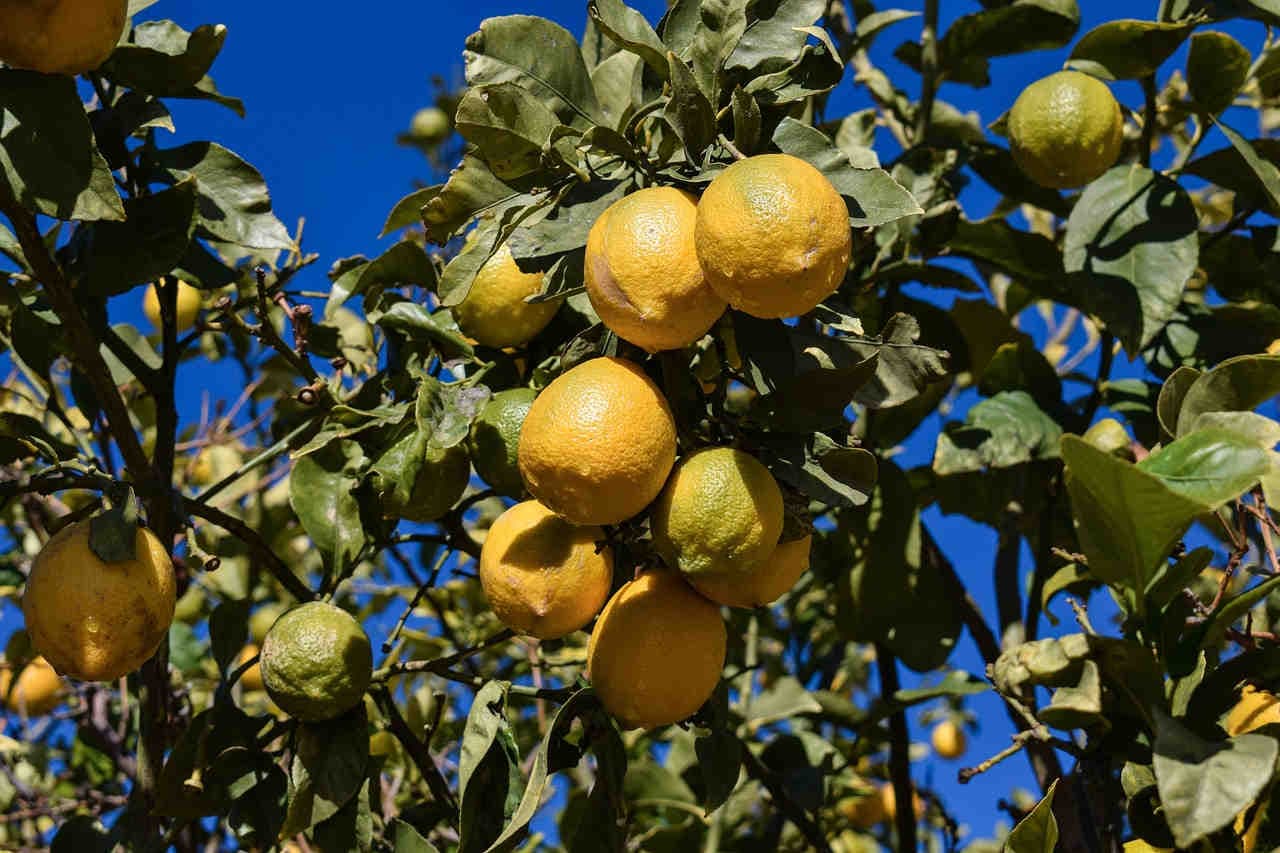
    clima caldo per il limone

    Biodiversa: the 3Bee game app to monitor biodiversity

    Biodiversa is the free game app for biodiversity monitoring and ecosystem protection that allows users to easily 'collect' and identify plants and flowers encountered during an outdoor walk. An ambitious citizen science project that aims to create a cooperative archive dedicated to flora (and in a second phase fauna) in Europe, involving player users with challenges to catalogue species, some of which are rare or endangered. Available for iOS and Android, Biodiversa has a dynamic similar to that of some well-known free-to-play video games that encourage moving and travelling in the real world to 'collect' characters. In fact, the app made by 3Bee offers a gaming experience in which plants are all to be 'collected' and identified in order to collect experience points, level up and climb the leaderboard.

    Biodiversa app
    05/08/2024Of 3Bee, Lara Vivarelli
    557 Views
    Newsletter
    newsletter
    Subscribe to the Blog about bees and biodiversity

    Frequently Asked Questions

    Do you have any doubts or other curiosities about this article? Here you will find some insights