The fir trees: guardians of biodiversity and stars of Christmas
    FirsEcological roleDistributionChristmas Firs

    The fir trees: guardians of biodiversity and stars of Christmas

    The fir trees, evergreen conifers with deep roots, are pillars of mountain biodiversity and symbols of tradition during Christmas. This article explores their ecological role, main characteristics, and cultural significance linked to these majestic trees.

    Read the article
    16/12/2024Of 3Bee, Lisa Santillo
    827 Views
    16/12/2024Of 3Bee, Lisa Santillo
    827 Views

    Firs: an excellence among conifers

    Disclaimer: this is an automated translation from Italian. Go to the original article.

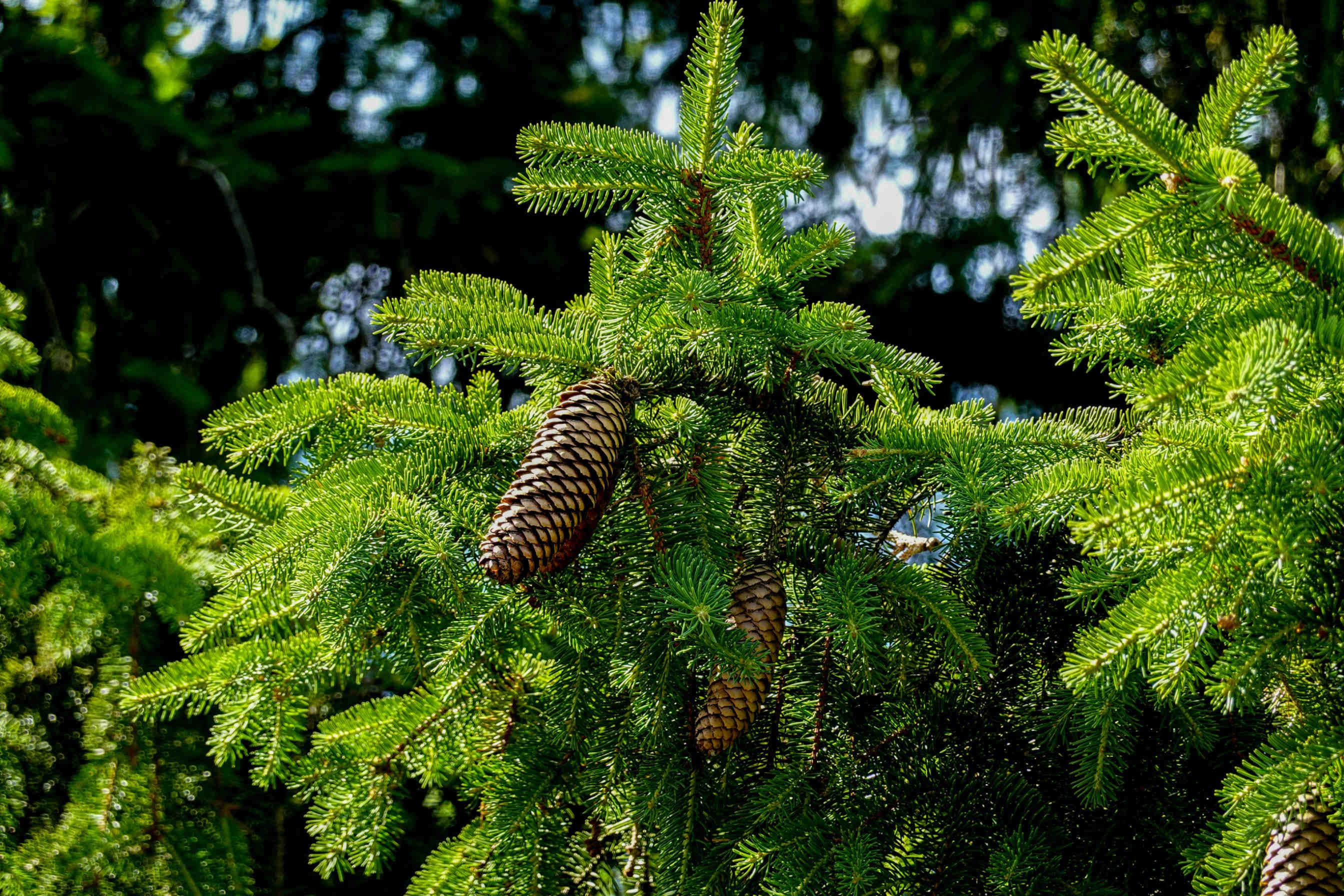
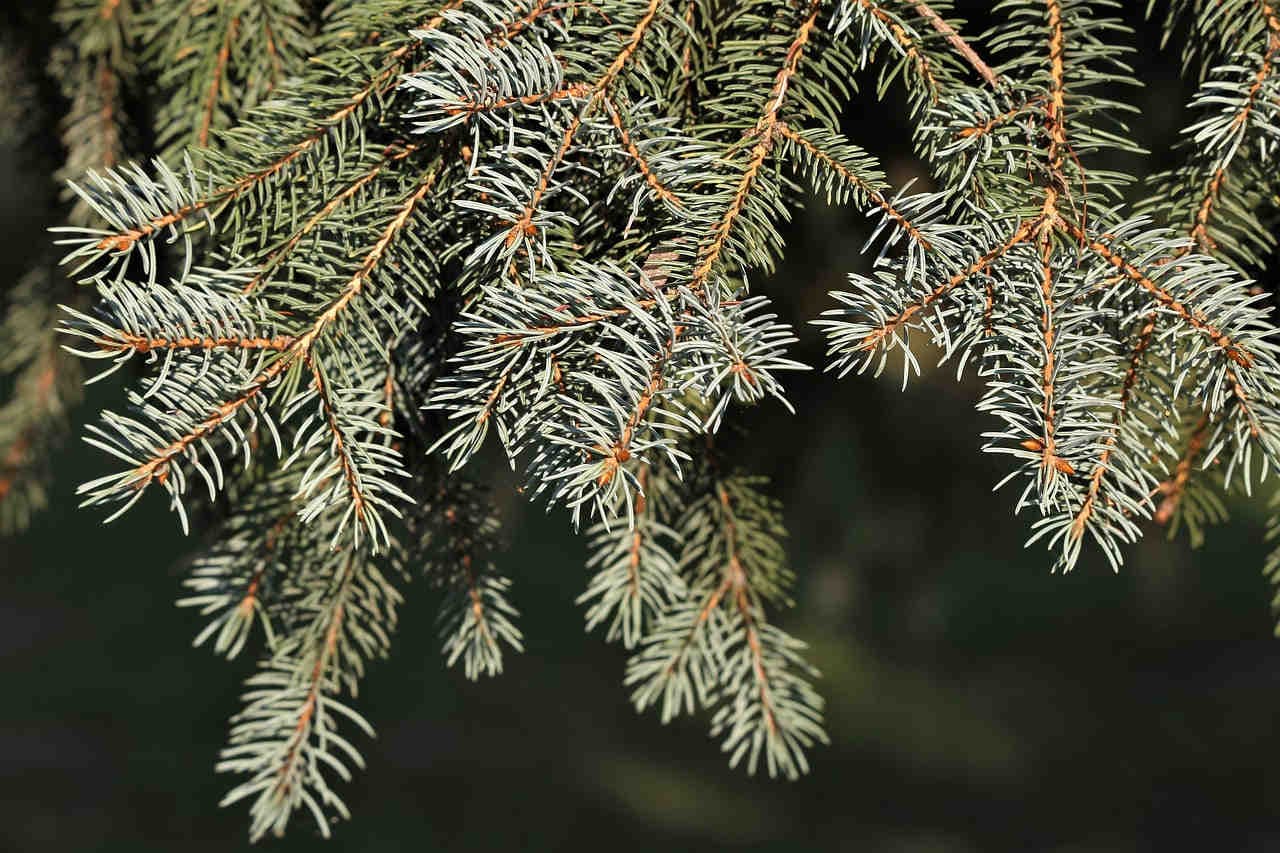
    Fir trees (Abies) are evergreen trees representing one of the most important genera of the Pinaceae family, with about 50 species primarily distributed in the northern hemisphere. These forest giants stand out for their conical crown, majestic form, and deep root system that makes them stable even in rocky terrains. The needle-like leaves, arranged in a spiral, are soft to the touch and characterized by a waxy coating that reduces water loss. A biological peculiarity is the presence of female cones that develop vertically upwards, a feature that distinguishes firs from other conifers. Firs are long-lived trees: some species can live over 400 years, demonstrating their extraordinary adaptability to mountain environments.

    abeti

    The ecological role of firs in mountain forests

    Fir forests play a fundamental role for biodiversity and the functioning of ecosystems. They provide refuge and nourishment to many animal species, such as deer, squirrels, and birds, which feed on seeds or find shelter among the branches. Firs also contribute to the carbon cycle by absorbing large amounts of carbon dioxide (CO2) from the atmosphere and helping to mitigate the effects of climate change. Moreover, their root system stabilizes the mountain soil, preventing erosion and landslides, especially in areas subject to intense rainfall. The fallen needles create an acidic carpet that favors the growth of mycorrhizal fungi, organisms that live in symbiosis with the plant roots. These fungi improve the absorption of water and essential nutrients, such as phosphorus and nitrogen, thus contributing to the overall health of the forest.

    abete rami e aghi
    XNatura

    Firs: main species and distribution

    Firs comprise about 50 species, each with unique characteristics and specific distribution. Among the best-known species is the silver fir (Abies alba), widespread in central and southern Europe, known for its symmetrical crown and erect cones. The Norway spruce (Picea abies), often confused with the silver fir, is common in the Alps and Carpathians. In the United States, the Douglas fir (Pseudotsuga menziesii) is renowned for its rapid growth and high-quality wood. The Caucasian fir (Abies nordmanniana), native to the Caucasus region, is particularly appreciated as a Christmas tree due to its resistance and needles that do not easily fall. Each species adapts to different climatic and altitudinal conditions, contributing to global ecological variety.

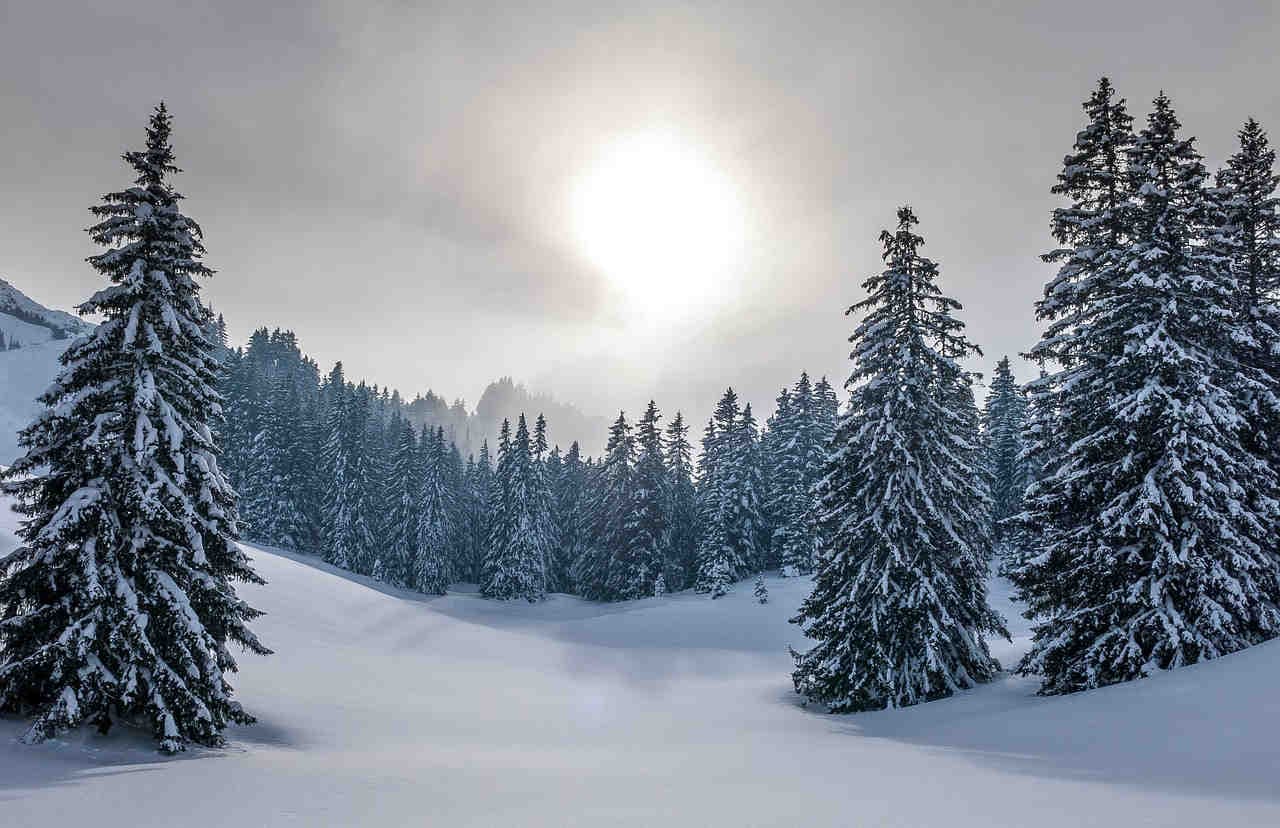
    abeti neve

    Firs and Christmas tradition in Italy

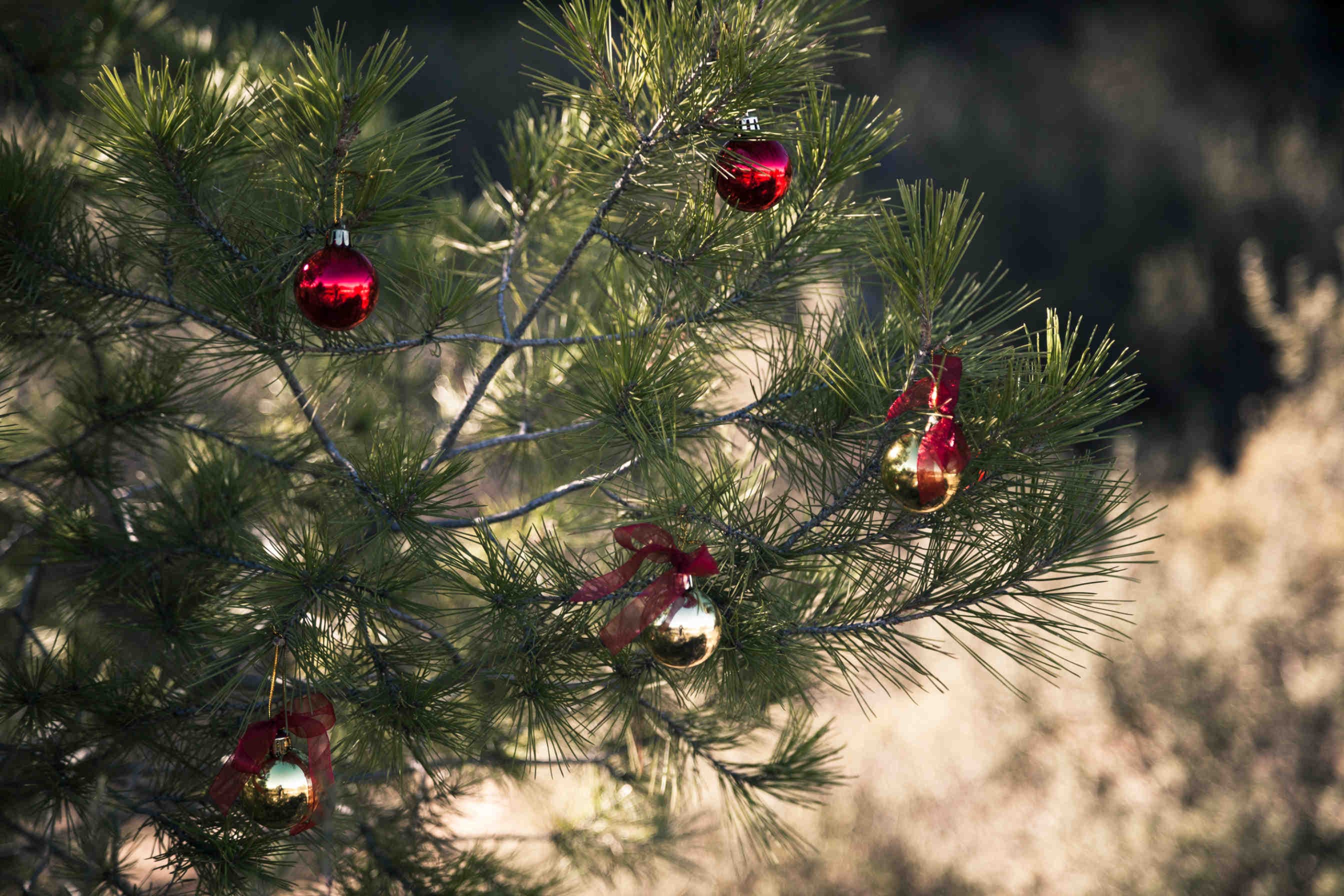
    In Italy, the silver fir (Abies alba) is the most used species as a Christmas tree, appreciated for its harmonious shape and the intense green color of its needles. Every year, millions of firs are cultivated in dedicated plantations to meet the Christmas demand. However, buying uprooted firs or those of non-certified origin can have negative impacts on local biodiversity. In recent years, programs for "adopting" live firs have been introduced, allowing trees to be replanted after the holidays, contributing to forest restoration and raising awareness about this important issue.

    abete di natale
    XNatura

    Firs as indicators of environmental health

    In addition to their ecological importance, firs are indicators of environmental health: their growth requires stable climatic conditions and healthy soil. However, climate change is a growing threat, with rising temperatures pushing many species to higher altitudes. This phenomenon reduces the available space for forests and alters the balances of mountain ecosystems. To ensure the conservation of firs and their habitats, it is essential to promote sustainable forestry practices and invest in reforestation programs. In parallel, educating people about the importance of firs and mountain biodiversity, especially during the Christmas holidays, can stimulate greater environmental awareness, turning tradition into an opportunity to protect nature.

    abete indicatore
    3Bee

    Symbolism, etymology, and curiosities about firs

    The name Abies comes from Latin and means “tall tree,” a reference to their majesty and longevity. Firs are considered symbols of eternity and resilience, a cultural heritage dating back to ancient Nordic traditions. Among the Germanic peoples, they were revered as sacred trees, representations of the cycle of life. In Christian tradition, the fir has become a symbol of rebirth and hope, linked to the Christmas holiday. The triangular shape of the crown represents the Trinity, while the custom of decorating the fir with lights and ornaments arises from the desire to bring light and joy in the long winter months. Moreover, the needles and resin of firs have been used for centuries in traditional medicine for their antiseptic and balsamic properties.

    16/12/2024Of 3Bee, Lisa Santillo
    827 Views
    Newsletter
    newsletter
    Subscribe to the Blog about bees and biodiversity

    Frequently Asked Questions

    Do you have any doubts or other curiosities about this article? Here you will find some insights