The 'Dance' Of Bees To Communicate: 1,500 Steps Discovered
    SearchDiscoveryResearchersConclusions

    The 'Dance' Of Bees To Communicate: 1,500 Steps Discovered

    A new study by entomologists at the University of Minnesota on the 'dance' of bees has uncovered more than 1,500 new steps used to communicate the presence and location of favourite flowers to their sisters. The research was published in the journal Plos One, find out more!

    Read the article
    24/02/2020Of 3Bee, Elena Fraccaro
    517 Views
    24/02/2020Of 3Bee, Elena Fraccaro
    517 Views

    The University of Minnesota study

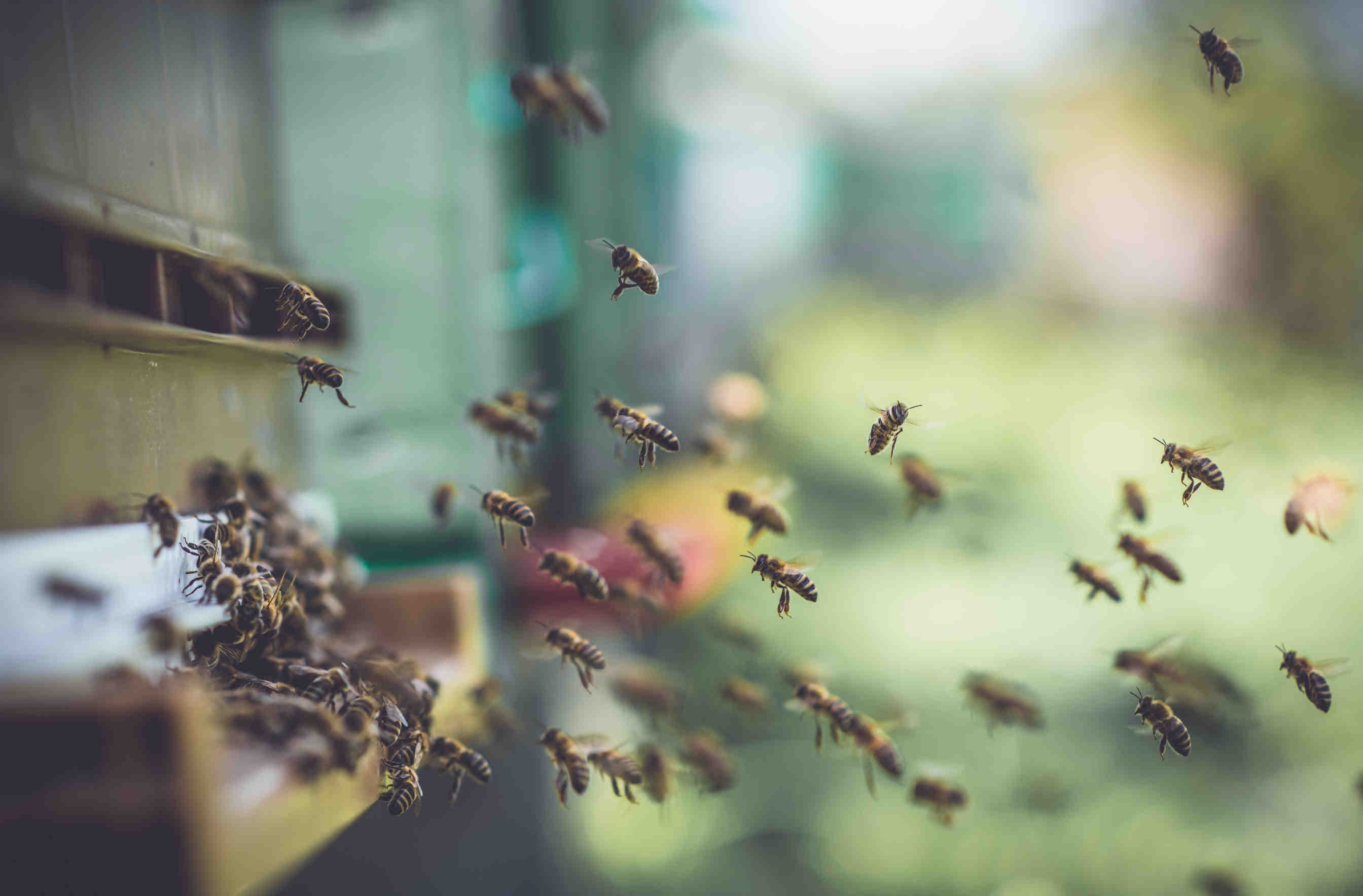
    The research, published in the journal Plos One, is part of a study on how to prepare natural habitats to be more hospitable to bees. The team, led by Morgan Carr-Markell of the University of Minnesota, placed two large colonies of Apis mellifera in glass-walled observation hives at two sites: the Belwin Conservancy and the Cowling Arboretum at Carleton College in Minnesota. The research, conducted between 2015-2017, aimed to determine how bees reacted to different pollen sources by recording the dances of female bees in hives just inside the hive entrance. One of the co-authors of the study, Margaret Couvillon, explained the dance in this video
    The University of Minnesota study

    What has been discovered?

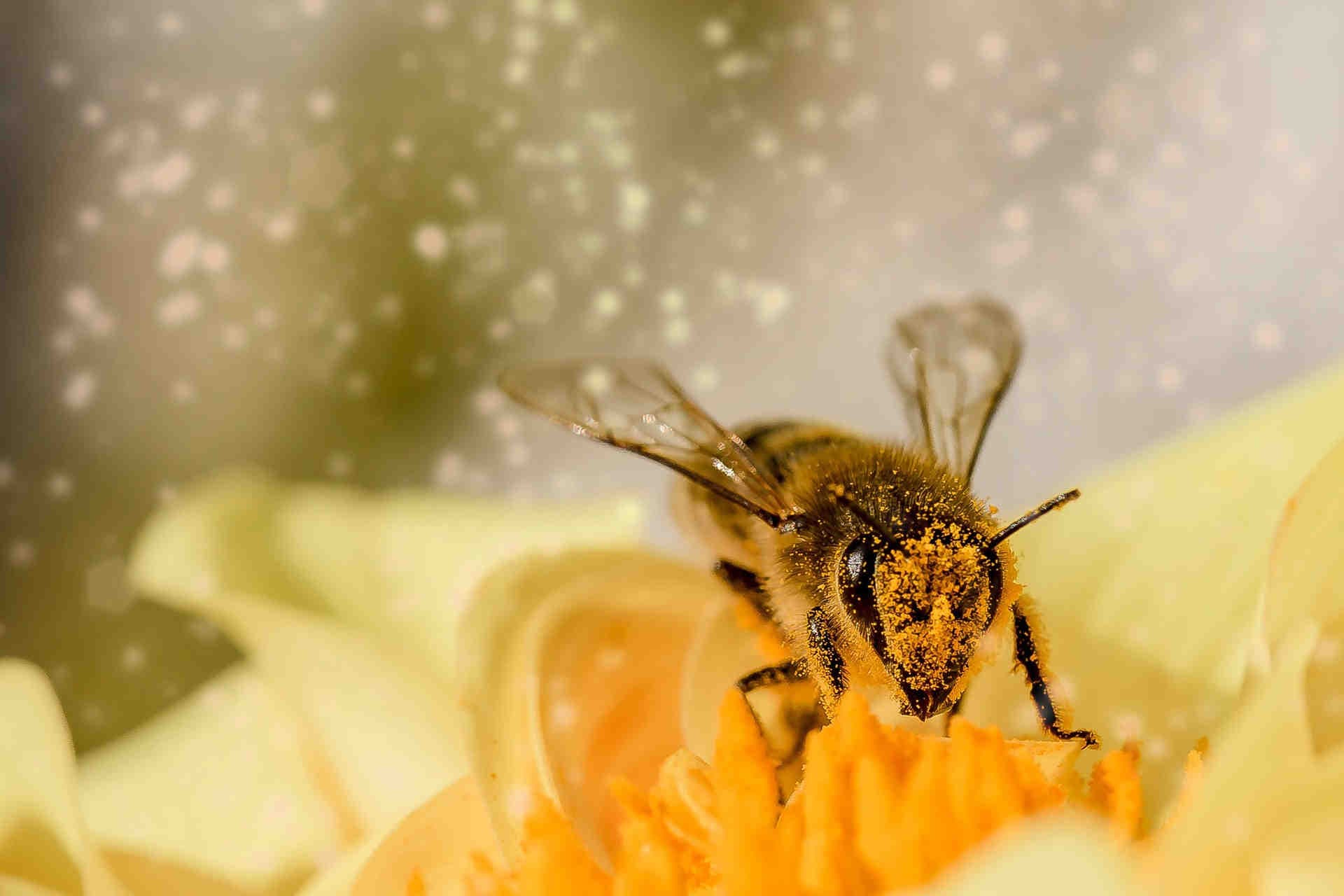
    In the video, the dancer bee can be seen moving 8 gestures, moving back and forth to define the direction of a flower spot relative to the Sun on the horizon, creating an angle with its body. Meanwhile, it reports the distance to the nearest pollen source in terms of seconds. Each second in which it moves in a straight line is equivalent to about 750 metres. The number of repetitions of the dance appears to be correlated with how profitable the food source is, as well as the speed at which it turns to repeat the 'figure of eight'. By decoding and mapping the flowers reported by the bees in 1,528 dances, the team's scholars gained an in-depth understanding of foraging activity and which pollen and nectar sources the bees prefer.

    What has been discovered?
    XNatura

    What did the researchers say?

    "I think communication is one of the most interesting aspects about bees, we wanted to be able to use this information to help managers interested in bee welfare," emphasises Carr-Markell. "Our research also showed that the plants with pollen considered most valuable to the insects were those native to grasslands, and not imported plants, which were considered secondary targets. Our results therefore suggest that the inclusion of some typical local plant forms in certain areas could increase the likelihood of bee colonies using these areas as their main food sources for honey production," concluded the researchers.
    What did the researchers say?

    Conclusions

    This research comes at a difficult time for these insects, which are facing various threats from pathogens (such as the American and European plague), predators, parasites, pesticides as well as climate change that is altering ecosystems around the world. We hope that this new discovery will be useful in the study of new solutions to protect and help them. Take a strong and concrete action to protect bees and the planet, adopt a beehive! For you an exclusive 10% discount by entering the code GREENEWS2402.

    Conclusions
    XNatura
    24/02/2020Of 3Bee, Elena Fraccaro
    517 Views
    Newsletter
    newsletter
    Subscribe to the Blog about bees and biodiversity