Sustainability and Environmental Impacts: the Importance of EIA
    ESG CriteriaEIALegislationBiodiversity

    Sustainability and Environmental Impacts: the Importance of EIA

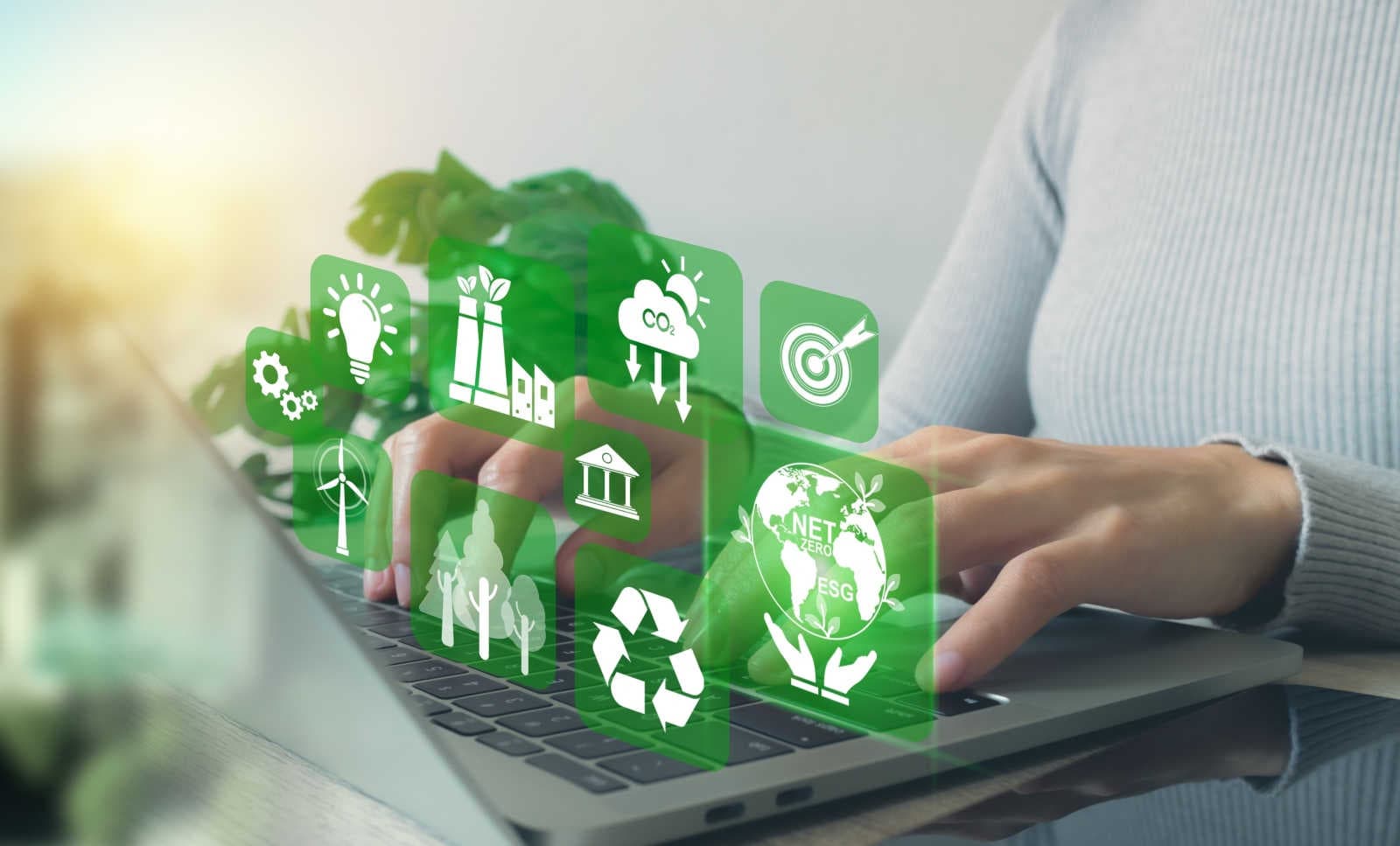
    Sustainability is increasingly a priority for companies and institutions. Integrating ESG criteria and Environmental Impact Assessment (EIA) is essential to ensure that projects comply with regulations and contribute to environmental protection and community well-being.

    Read the article
    31/03/2025Of 3Bee, Angelina Tortora
    471 Views
    31/03/2025Of 3Bee, Angelina Tortora
    471 Views

    ESG Criteria and EIA: a duo for sustainability

    Disclaimer: this is an automated translation from Italian. Go to the original article.

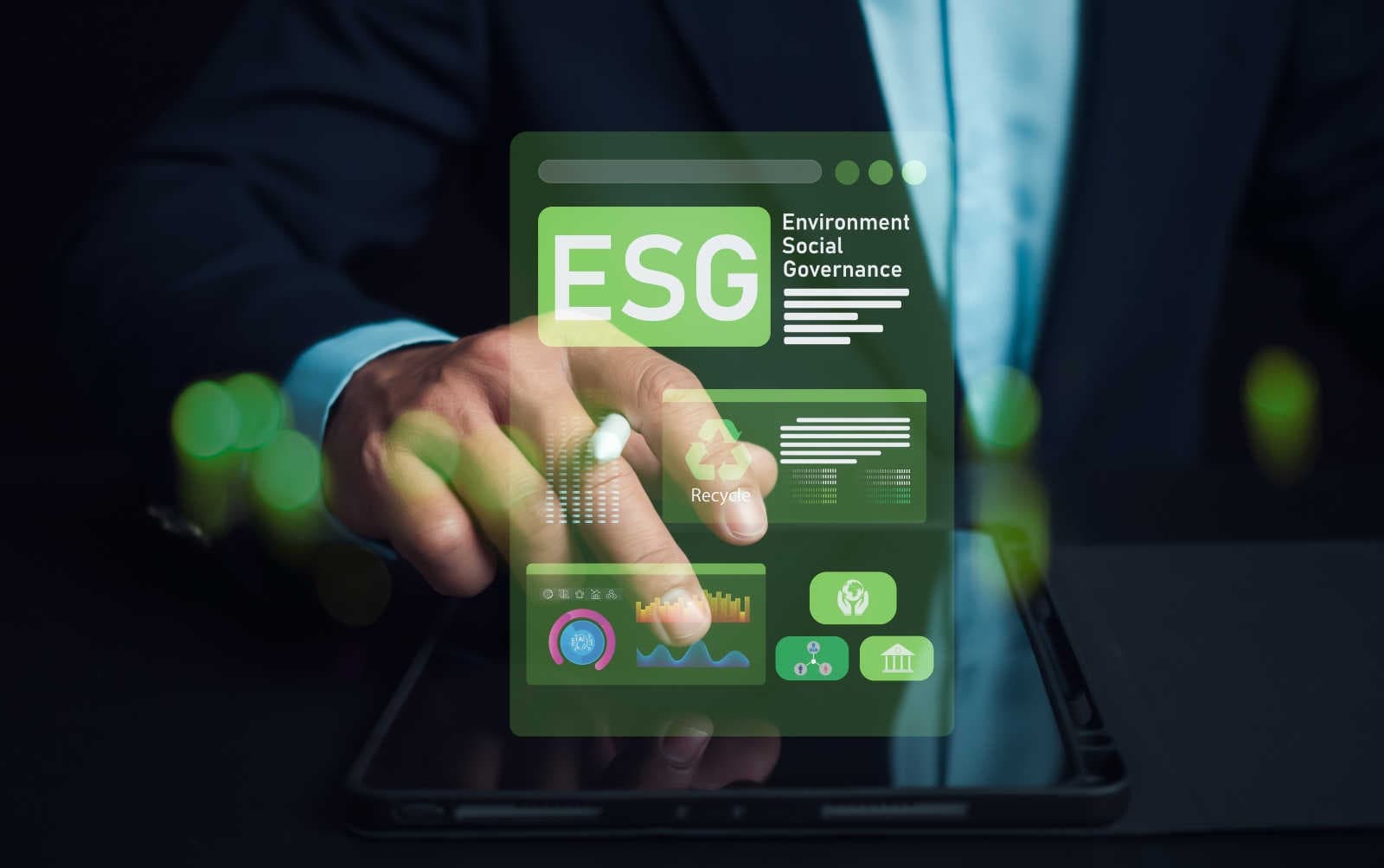
    The integration of ESG criteria (Environmental, Social, Governance) is fundamental for a responsible and sustainable approach to project management. Companies that adopt these guidelines can improve risk management, attract responsible investments, and ensure a positive impact on the environment and communities. The Environmental Impact Assessment (EIA), as a tool for analysis and prevention, allows us to measure not only the ecological effects of a project but also the social and economic ones, supporting more informed and sustainable decisions. International regulations, like those of the Global Reporting Initiative (GRI) and the Principles for Responsible Investment (PRI) of the United Nations, increasingly push towards the adoption of these practices by businesses and institutions, thus contributing to environmental protection and the well-being of communities.

    Criteri ESG e VIA: un binomio per la sostenibilità

    Environmental Impact Assessment (EIA)

    The Environmental Impact Assessment (EIA) is a fundamental process for analyzing the effects of a project on ecosystems, biodiversity, and the quality of life of people. Identifying potential negative impacts before the implementation of an initiative allows for preventive measures, promoting sustainable solutions. The EIA provides a comprehensive view, considering the direct and indirect effects of a project on the environment and local communities. The prevention of irreversible damage and the protection of natural resources are main objectives of this analysis, which promotes a balance between economic development and environmental protection.

    La Valutazione di Impatto Ambientale (VIA)
    XNatura

    The European legislation on EIA

    The Environmental Impact Assessment (EIA) is regulated by the Directive 2011/92/EU, amended by the Directive 2014/52/EU, which establishes assessment procedures for certain public and private projects. In Italy, the regulation is implemented by the Legislative Decree 152/2006 (Environmental Code), which defines the modalities for implementing the EIA and the types of projects subject to this assessment. The competent authorities, such as the Ministry of Environment and Energy Security, and the Regions manage the assessment procedures, while at the European level, the European Commission monitors the application of the regulations. The integration of the EIA into projects ensures compliance with current regulations and guarantees adherence to environmental norms.

    La normativa europea sulla VIA

    EIA and biodiversity conservation

    A fundamental aspect of the EIA is its contribution to biodiversity conservation. Analyzing the effects of a project on ecosystems helps protect animal and plant species, preserve natural habitats, and ensure a balance between development and environmental protection. This approach also results in improved quality of life for local communities, reducing pollution and promoting healthier living conditions. The adoption of impact assessment tools also enables more careful and responsible land use planning. Integrating sustainability into natural resource management processes promotes balanced development where economic needs do not conflict with environmental protection. This approach is particularly relevant in an era where ESG policies increasingly influence investors' choices, guiding them towards sustainable and resilient projects.

    VIA e conservazione della biodiversità
    XNatura

    EIA: an essential tool for sustainable development

    In this context, the EIA represents a fundamental tool not only for project management but also for integrating sustainability into corporate policies and decision-making processes. By combining ESG criteria with an accurate assessment of environmental impacts, companies can reduce risks, foster innovation, and build a more balanced and resilient future. This synergy helps ensure that economic development is in harmony with the protection of natural resources and the quality of life of communities.

    VIA: uno strumento essenziale per lo sviluppo sostenibile
    3Bee

    The international expansion of 3Bee

    This article was created as part of the "Biodiversity services EU expansion" project (CUP: E43D22000480009) under the Regione Lombardia call for "PR FESR 2021-2027 – LINEA INTERNAZIONALIZZAZIONE 21-27", aimed at supporting the internationalization of Italian companies. 3Bee is the naturetech company that develops innovative technologies for monitoring, protecting, and regenerating biodiversity, supporting companies in defining personalized climate strategies based on the analysis of their impacts and dependencies on nature. With a solid portfolio in Italy, Germany, and France and significant partnerships, 3Bee continues its expansion into international markets to create a concrete impact through technology.
    31/03/2025Of 3Bee, Angelina Tortora
    471 Views
    Newsletter
    newsletter
    Subscribe to the Blog about bees and biodiversity

    Frequently Asked Questions

    Do you have any doubts or other curiosities about this article? Here you will find some insights