Welcome Spring 2022: The Season Of The Bees
    SpringNaturaNutritionPollination

    Welcome Spring 2022: The Season Of The Bees

    The days are getting longer, the temperatures are getting warmer, the sun is getting warmer, and we are beginning to see the first flowers, which with their bright colour pierce the greyness of winter. Spring is just around the corner: this year we will officially greet it on 20 March!

    Read the article
    22/03/2022Of 3Bee, Elena Fraccaro
    1360 Views
    22/03/2022Of 3Bee, Elena Fraccaro
    1360 Views

    The vernal equinox marks the change of season

    20 March is the date of the spring equinox, the day when day and night are the same length. Since 2008, the date of the early spring has been moved to the 20th, when many of us have always celebrated it on 21 March. This date change is due to both the tilt of the earth's axis and the setting of the Gregorian calendar. The spring equinox, which scientifically is the exact moment when the Sun is at Zenith at the equator and its rays fall perpendicular to the Earth's axis of rotation, has always been regarded as a symbol of rebirth.
    The vernal equinox marks the change of season

    Spring, the season when nature awakens

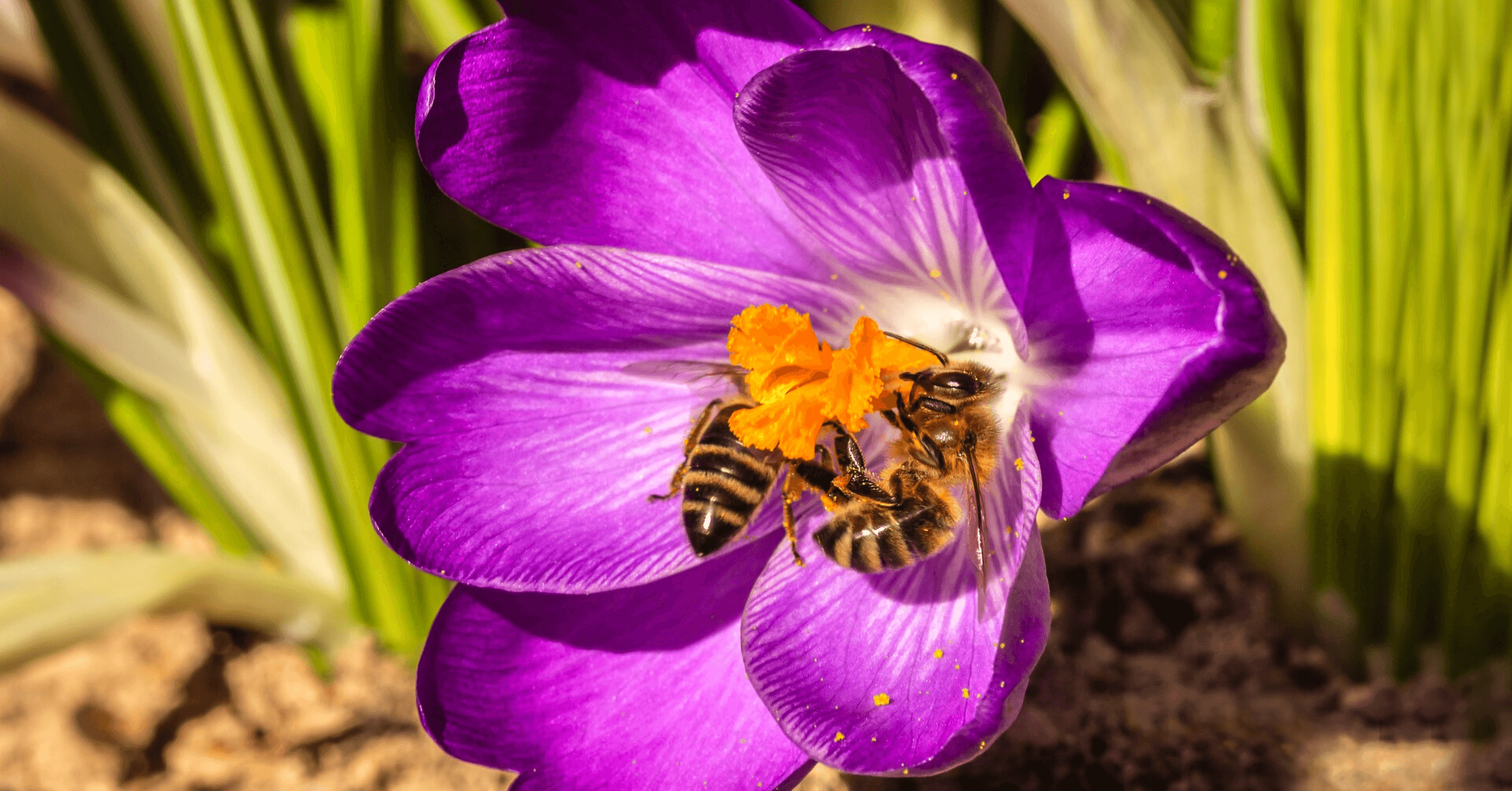
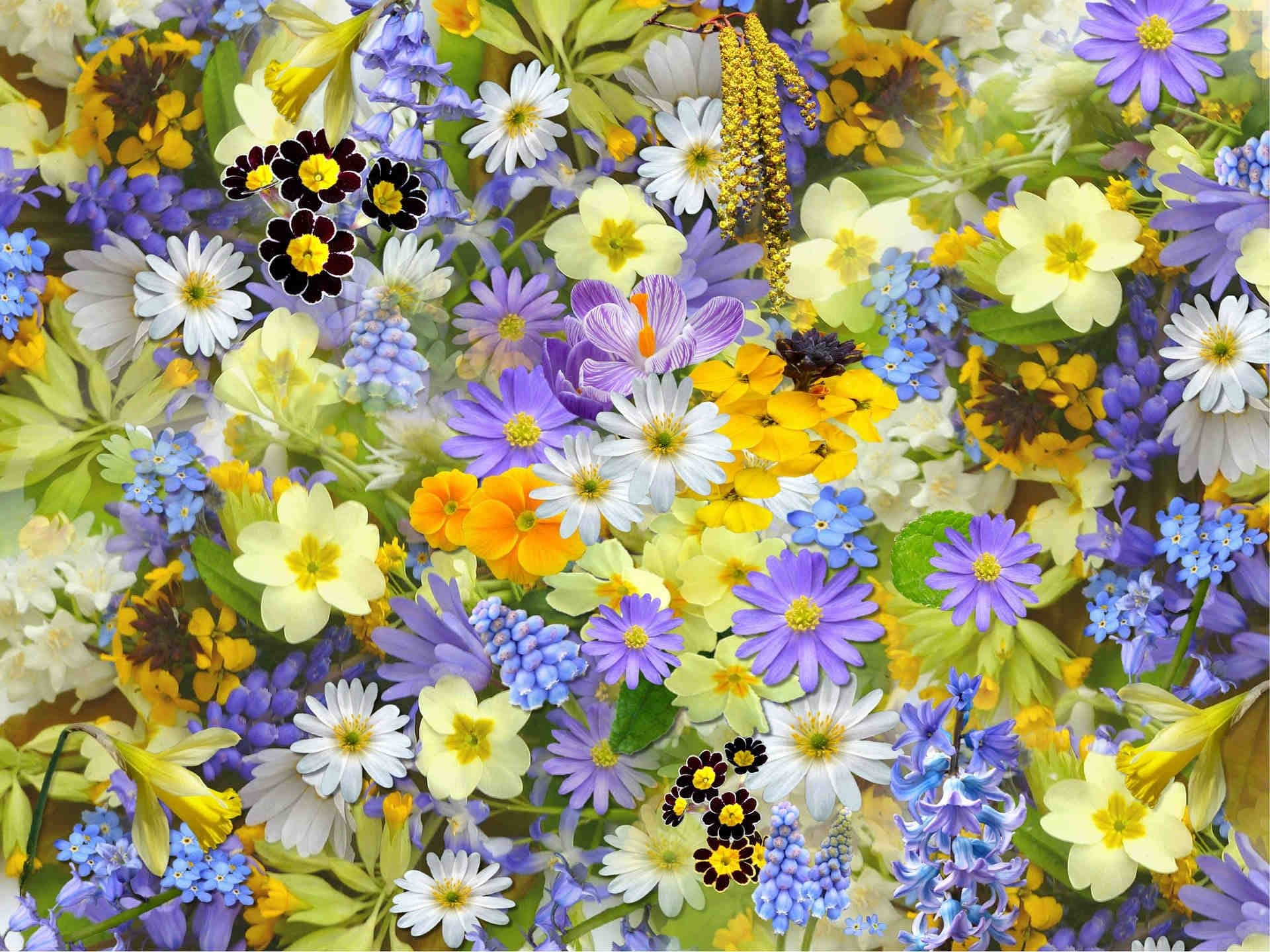
    The blossoming of flowers also reminds us of the rebirth after the winter doldrums, nature awakening after the pause in the cold season. Some flowers precisely announce the arrival of the fine season with their early blooms. Snowdrops, for example, bloom as early as February. Crocuses also bloom in late winter. Their bright purple colour revives the landscape and attracts the gaze of many curious onlookers. Primroses, violets, narcissus, tulips and daisies, on the other hand, are more common flowers and are easier to come across during the month of March. But that is not all.
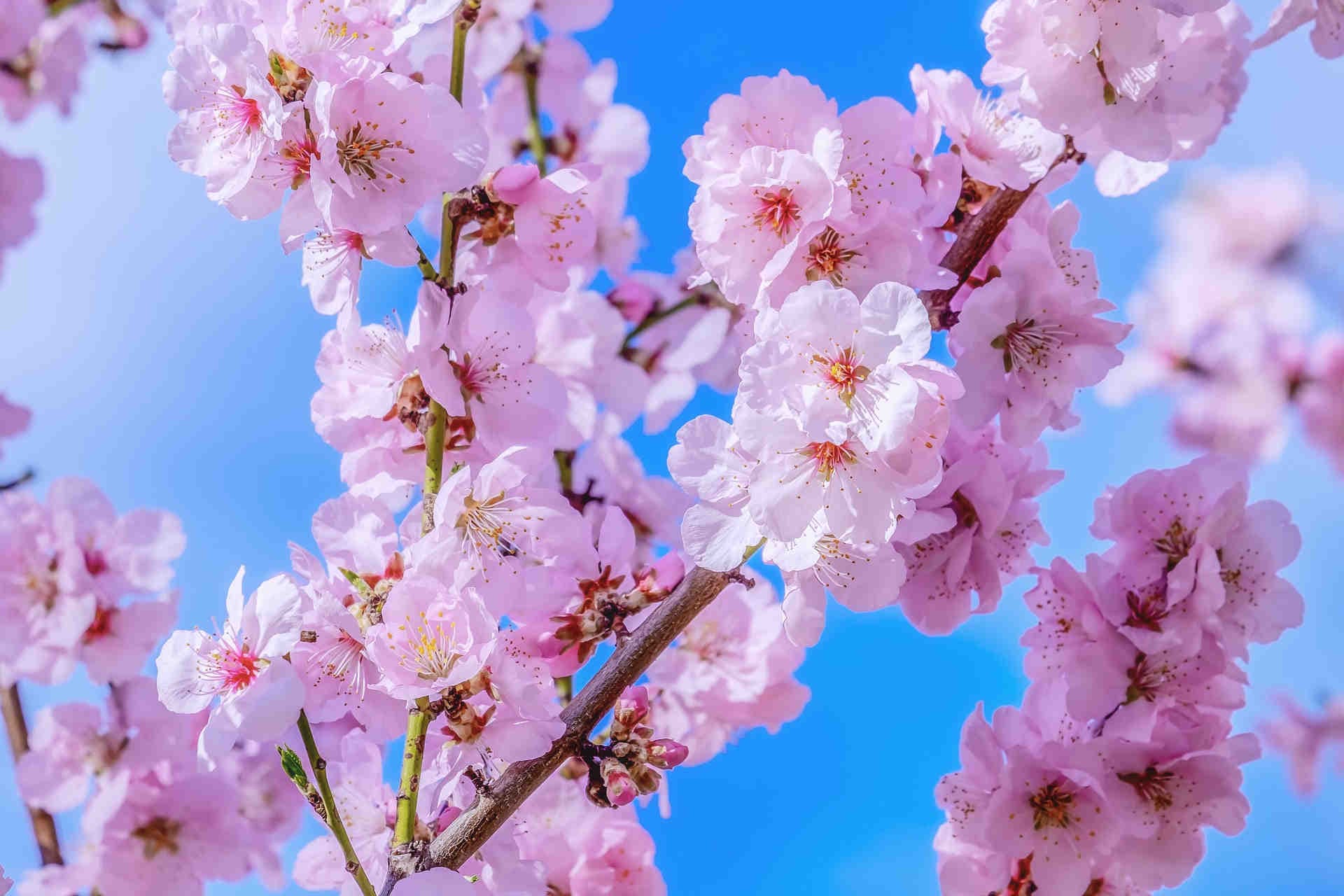
    Spring, the season when nature awakens
    XNatura

    Flowers, but also nectariferous plants

    A source of valuable nourishment for bees and pollinating insects. There are many other plants whose spring flowers are not only beautiful to look at, but are also invaluable to a small animal that, following the rhythm of the seasons, gradually resumes its activity. We are talking about the bee, of course! It is with the arrival of spring and the appearance of the first flowers that bees begin to leave the hive more and more in search of these new sources of food. The colourful cherry tree, wild blackthorn, wild flowers, dandelion, clover, rosemary and chives are just some of them. The flowers, with their fragrance and colourful corollas, attract pollinating insects, including our honey bees.

    Flowers, but also nectariferous plants

    Pollination and bees

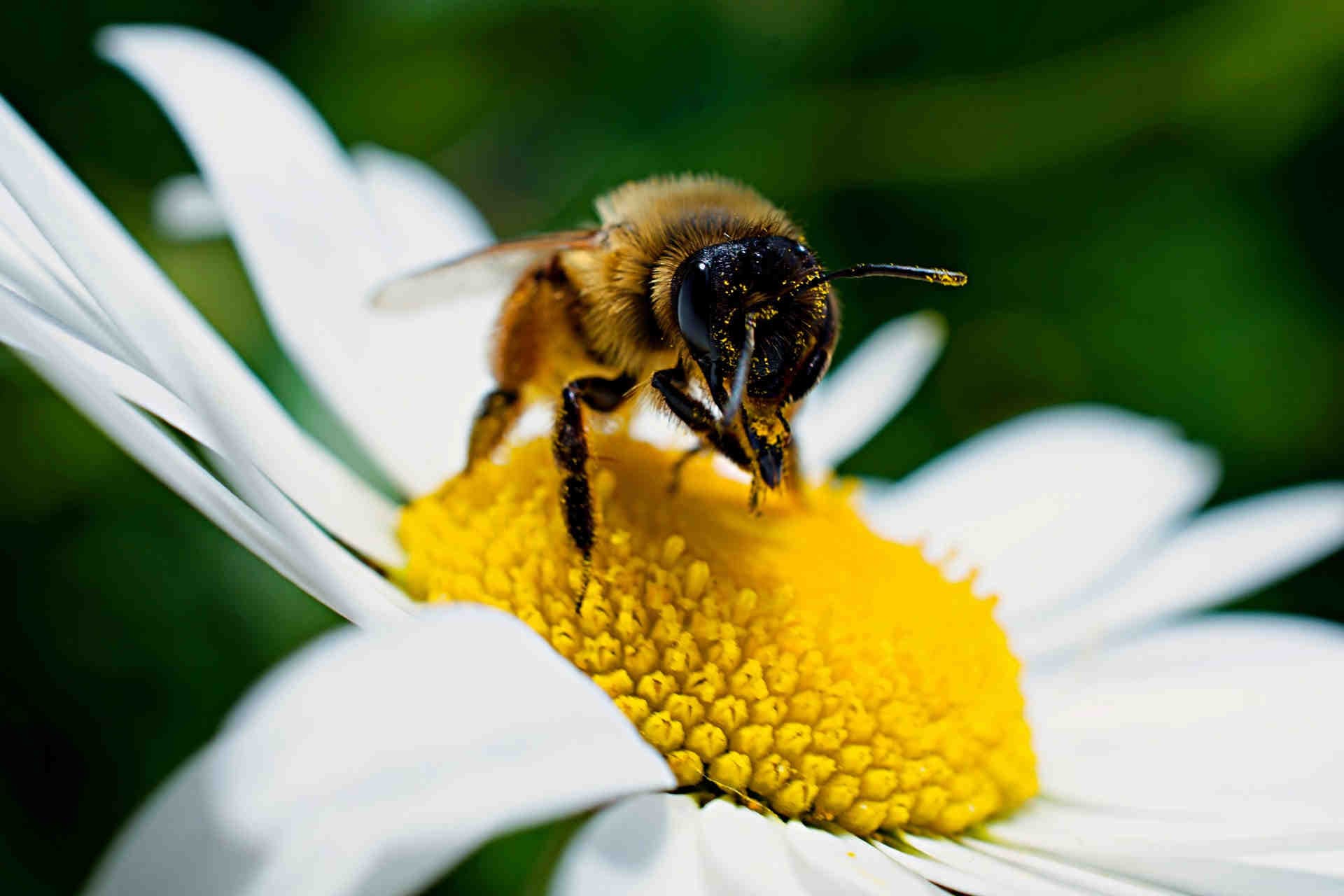
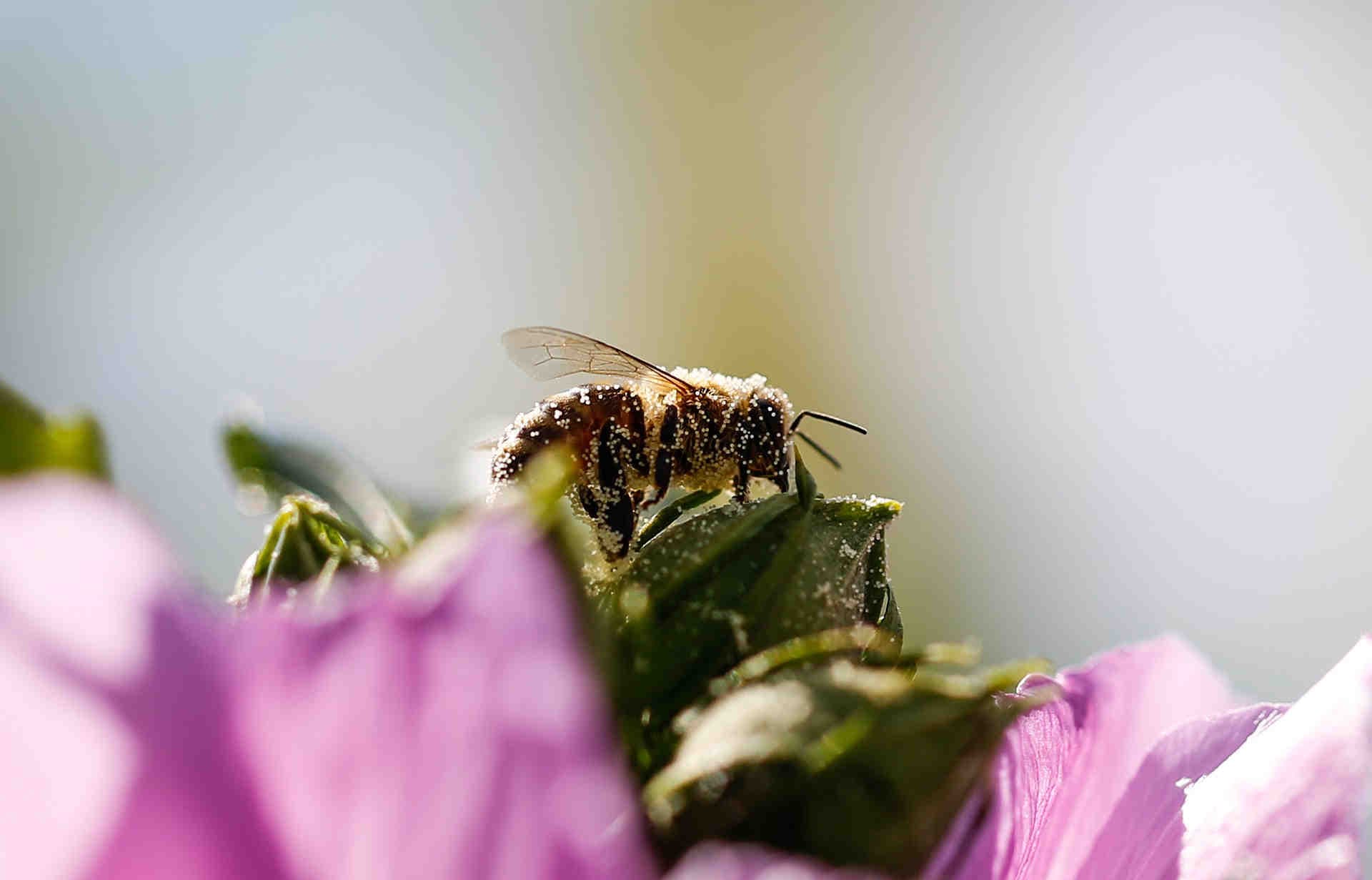
    Bees become important vectors of pollination, essential for plant reproduction When bees perceive that flowers can offer them valuable nectar and pollen, they go out to explore and begin their hard work of gathering the nutrients essential for the life of the hive. By searching for nectar, bees also become actors in a very important process: that of pollination. Travelling from flower to flower, in fact, they transport pollen, thus enabling plants to reproduce. Pollen is nothing more than the male part of plants that, thanks to bees, manages to reach the female part, thus enabling the production of seeds. The activity of bees is therefore very important. Without them, many plants could not reproduce and proliferate. We are talking about almost 70 per cent of fed crops and about 90 per cent of wild plants.

    Pollination and bees
    XNatura

    What bees feed on

    Flowers are essential food sources for bees, providing nectar and pollen. But what do bees actually do with nectar and pollen? After the long winter break, as soon as bees identify new food sources, they rush to collect them. The nectar will be transported to the hive to be turned into honey and stored in the wax cells that make up the combs. The pollen, on the other hand, will be used as a protein source for feeding the brood. Bees and flowers, a love affair.
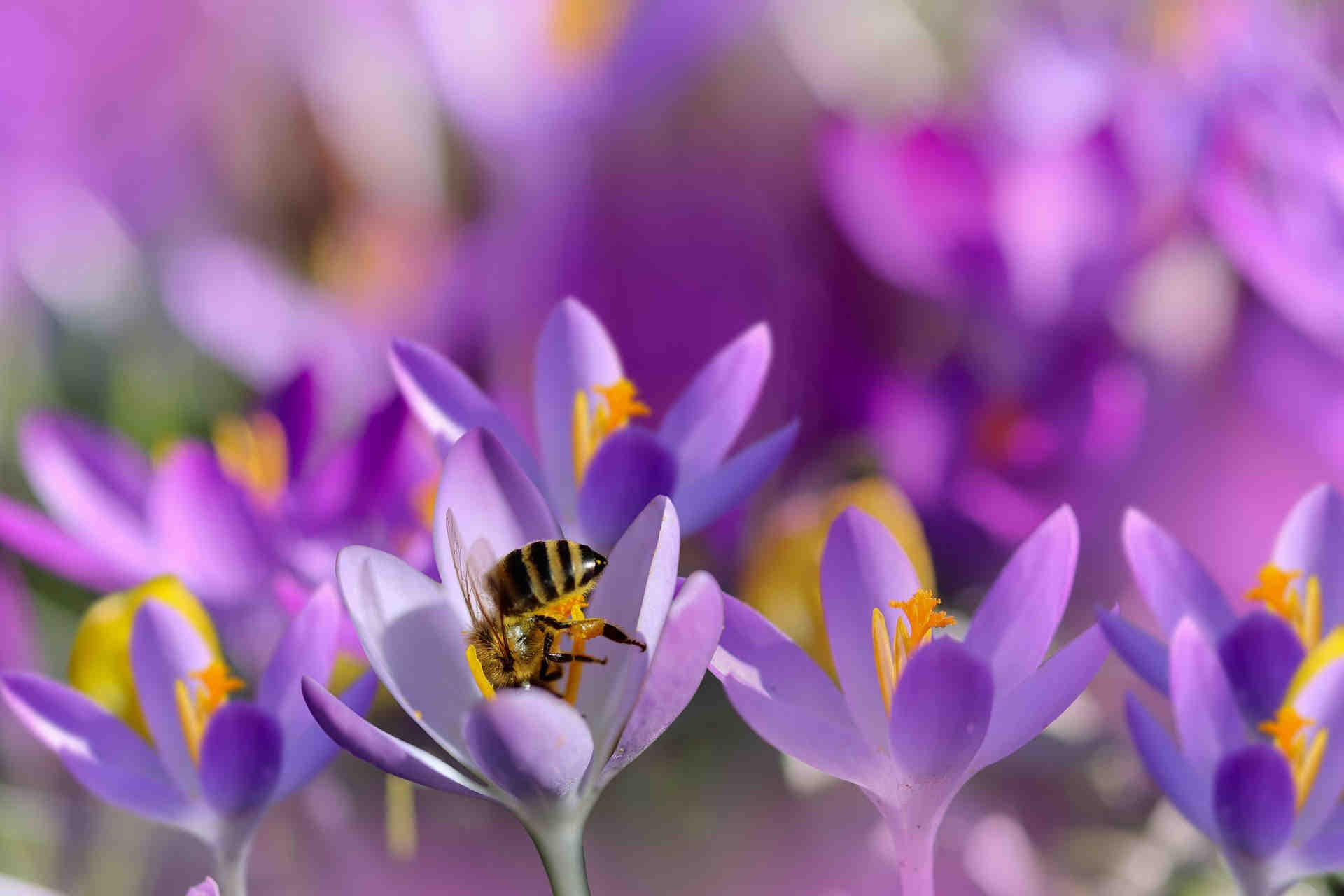
    What bees feed on
    3Bee

    What bees do in spring

    Once winter is over, the beehive also "wakes up and starts growing again. In spring, along with nature, the beehive also awakens and needs new sustenance in order to grow. This is why the first flowers that bloom in early spring are so important! Moving away from winter, the queen resumes her oviposition activity. The time comes to breed new bees while those that have survived the winter are busy retrieving food for their newborn sisters. This task, however, is becoming increasingly difficult for the bees. Certainly the crazy climate does not help them, but the impoverishment of habitats also plays its role.
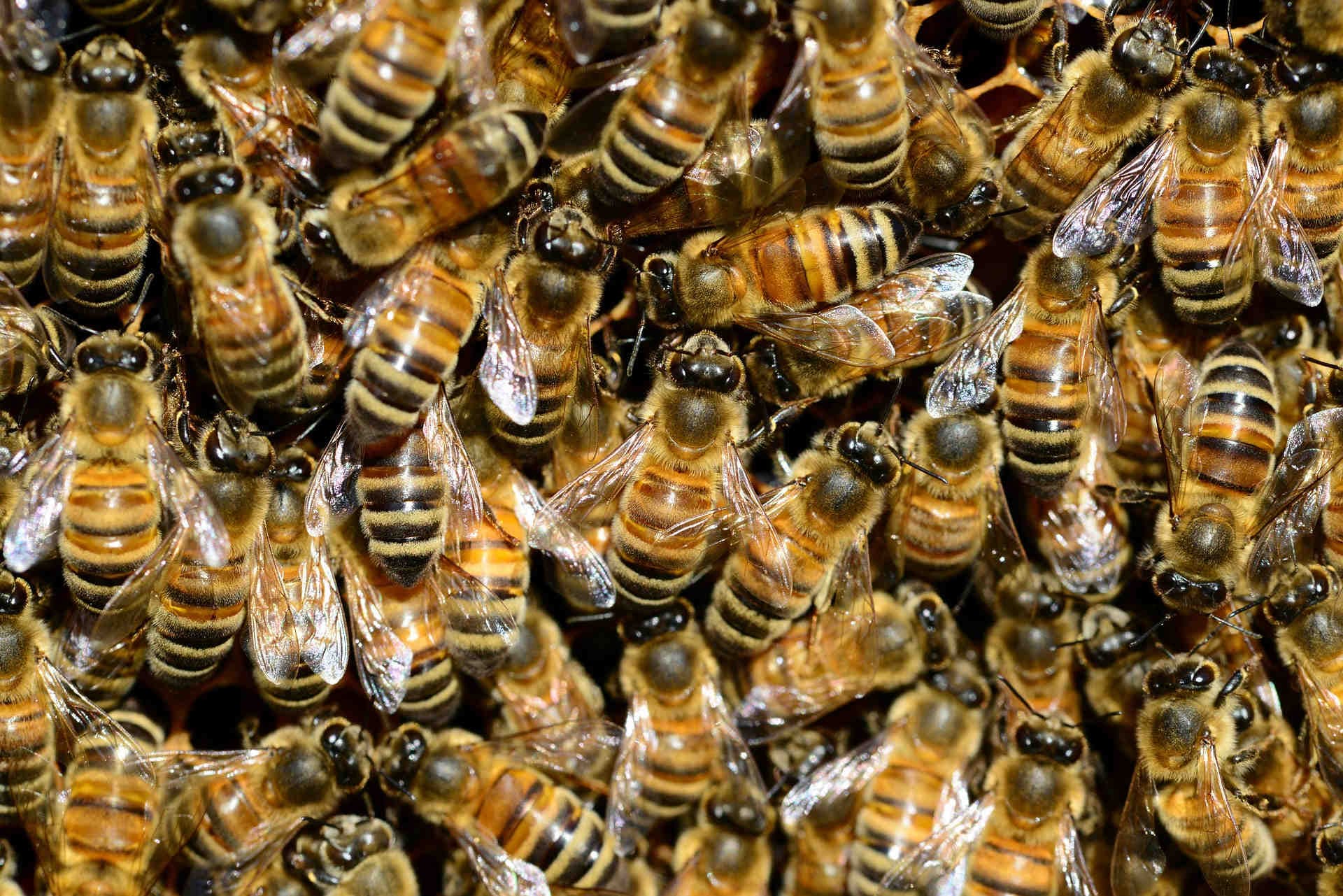
    What bees do in spring

    Create a bee-friendly environment

    A small idea to help them could be to plant some bee-saving plants. There are all kinds, suitable both for those with a large garden and for those with only a small balcony. With the arrival of spring, you are spoilt for choice! Increasing the number of nectariferous flowers gives the bees more sustenance and supports pollination activity. However, we must not underestimate the pleasure that seeing a plant in flower can also give. When is it not wonderful to see one's garden or balcony full of flowers? Avoiding the use of agro-drugs and substances harmful to insects can also make a difference. Avoid using them on your plants and in your garden: the bees (and not only) will thank you!
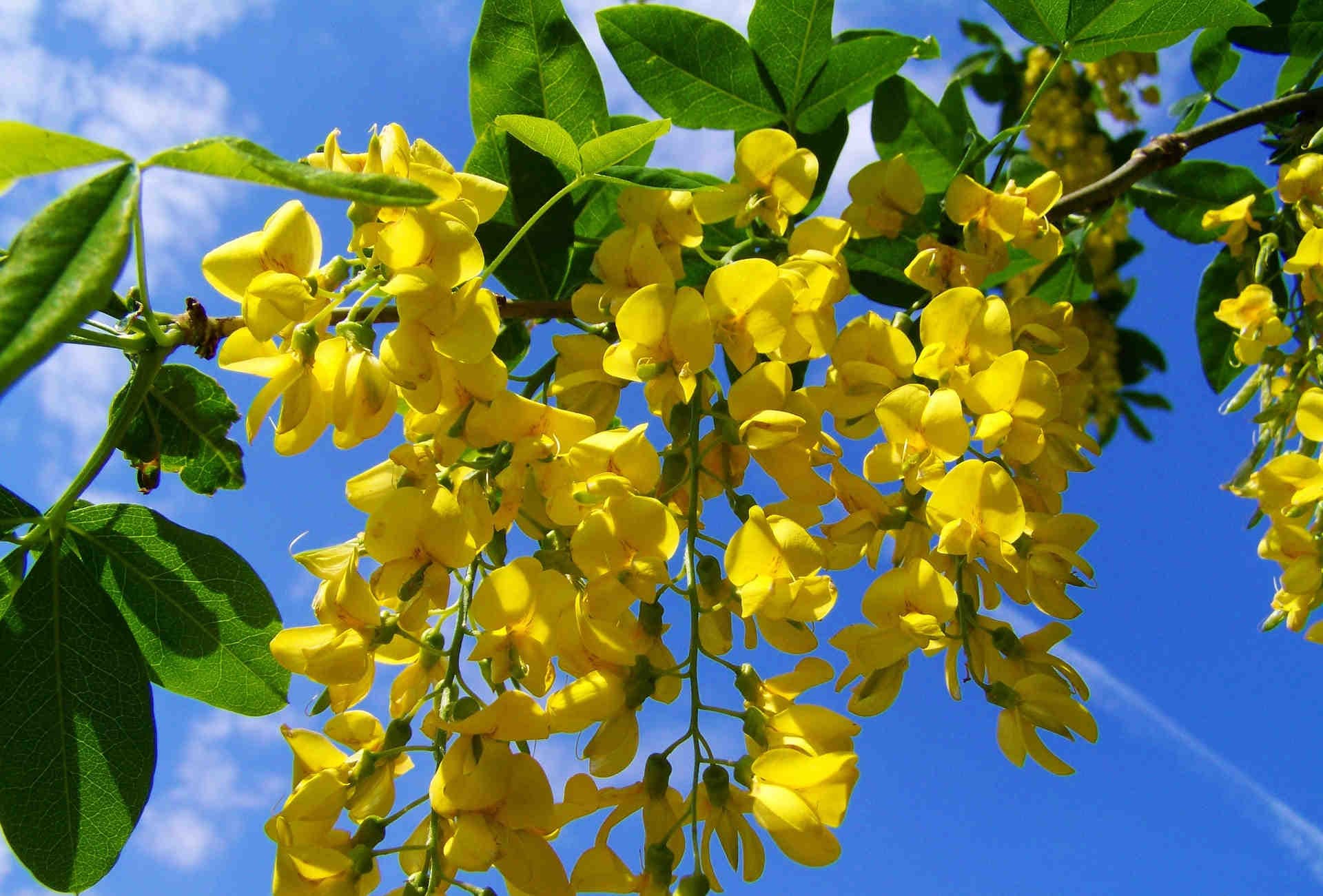
    Create a bee-friendly environment

    Refuge for wild pollinators

    Spring is indeed the season for bees, not just honeybees. Even solitary bees awaken from winter dormancy to form a new nest that will be the shelter for future bees. Solitary bees are somewhat shy and less known than their famous honey-producing cousins. You can, however, accommodate them and create a shelter for them by installing a pollinator house. With MyPolly, you will not only receive the ready-to-install pollinator house, but also the Osmia Rufa cocoons. The Osmias will emerge from their cocoons once they are ready, begin to pollinate the surrounding flowers and look for a partner in order to generate future generations. The cocoon can become their new nest, which will guard the eggs, enabling their development and subsequent birth.
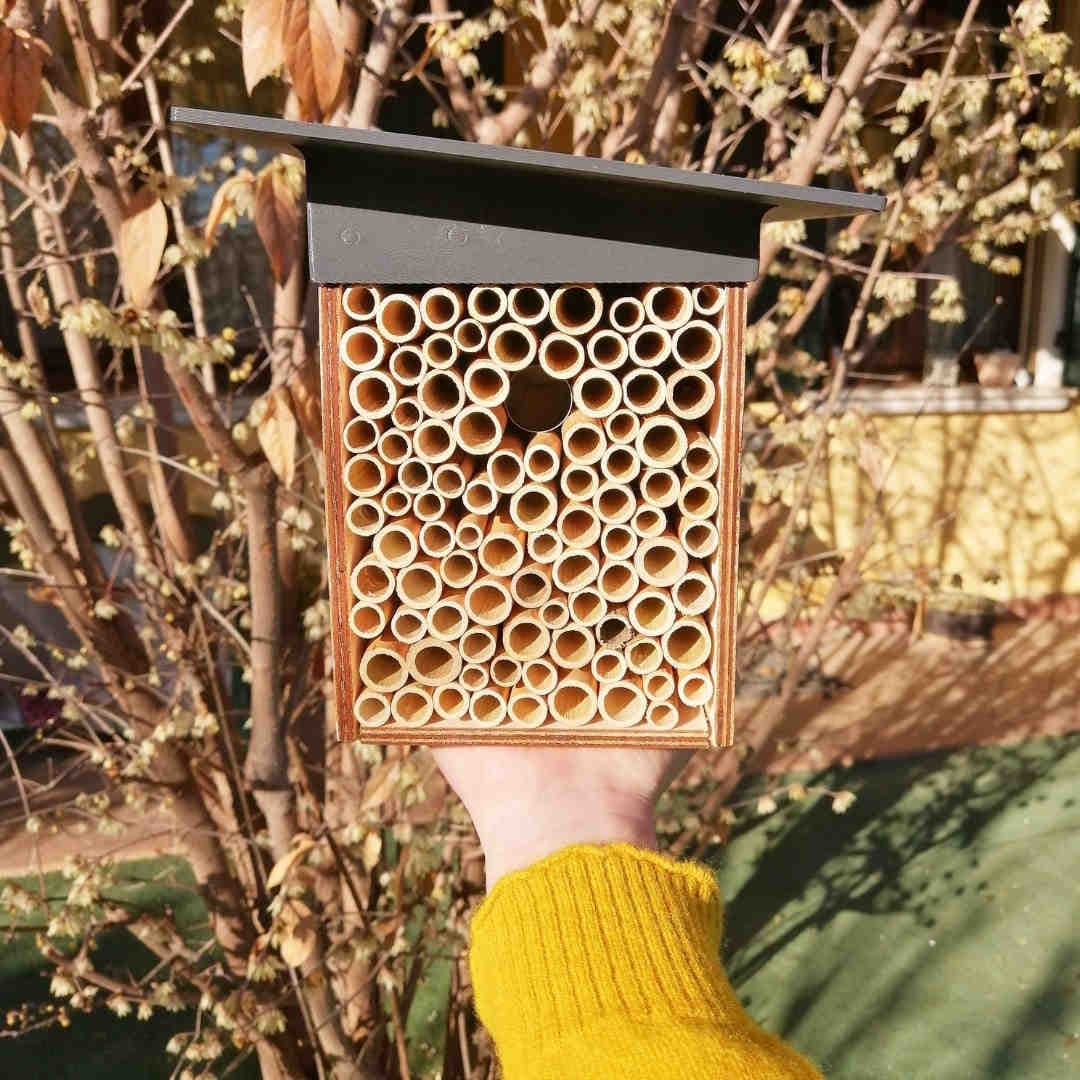
    Refuge for wild pollinators

    Support bees and their beekeepers

    To help the bees, you can also support the beekeeper who takes care of them. Adopt or donate a 3Bee hive. Remotely monitor the growth and development of bees with 3Bee Hive-Tech systems. You can see directly on your mobile phone what happens to the hive when spring approaches! You will then receive the honey produced and chosen by you at home and can enjoy the fruit of the bees' and beekeepers' hard work. Support bees, the beekeeping sector and the environment. Protect bees and biodiversity, support beekeepers and enjoy 100% quality, artisanal honey .
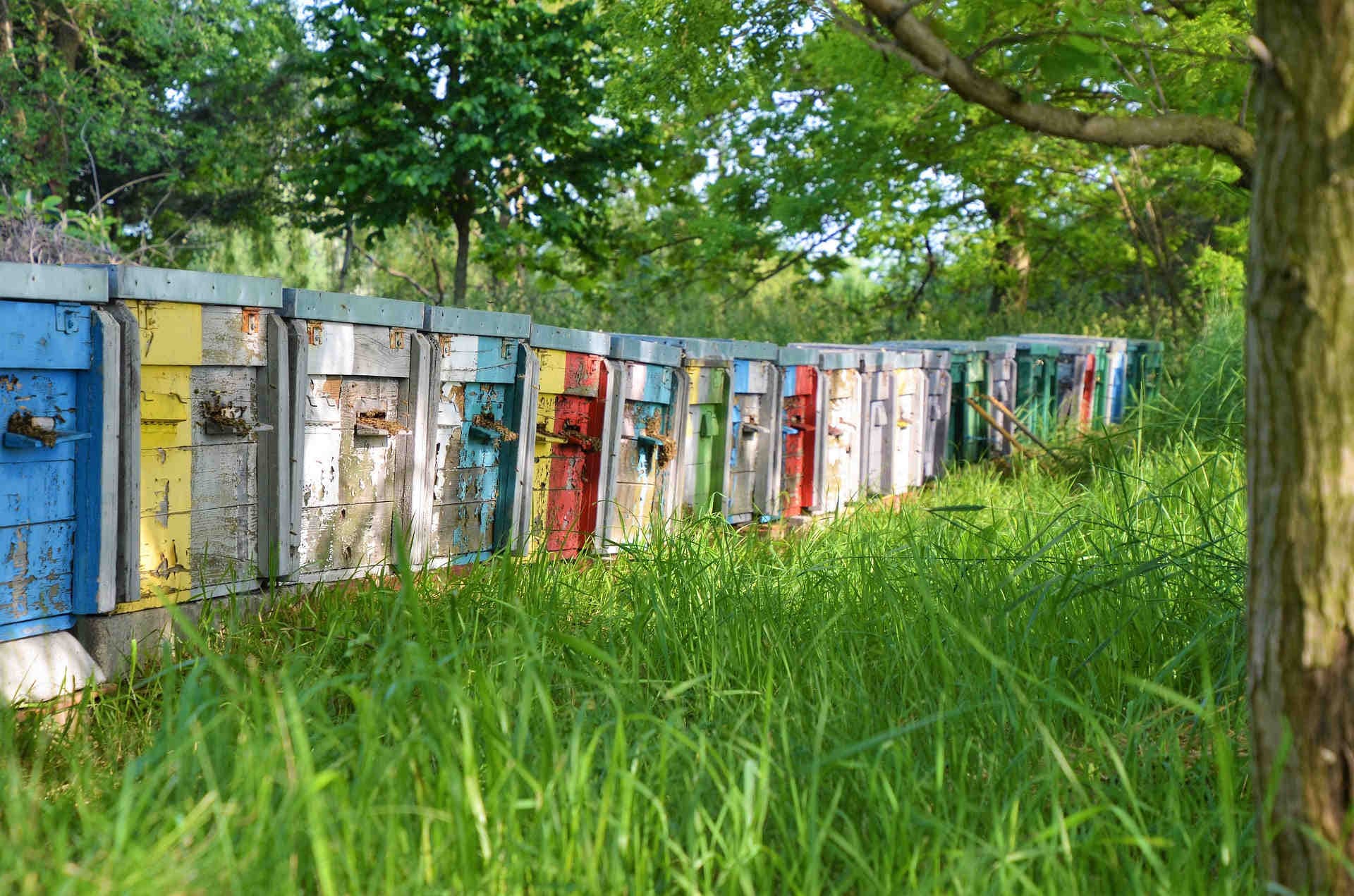
    Support bees and their beekeepers

    Nectariferous oases for bees and wild pollinators

    To help bees, you can go even further... With 3Bee you can create your own Oasis of Biodiversity without being a landowner! Create your own Oasis made up of nectariferous plants useful to bees and monitored beehives and share this high-impact experience with your friends! The Oases of Biodiversity represent a further service for the protection of biodiversity and bees and bring attention back to a concrete goal that 3Bee aims to achieve by 2023: the planting of 100,000 native trees that will provide enough nectar each year for an equivalent of about 3,500 hives, i.e. the number of hives monitored by 3Bee, absorbing about 10,000 tonnes of CO2 per year.
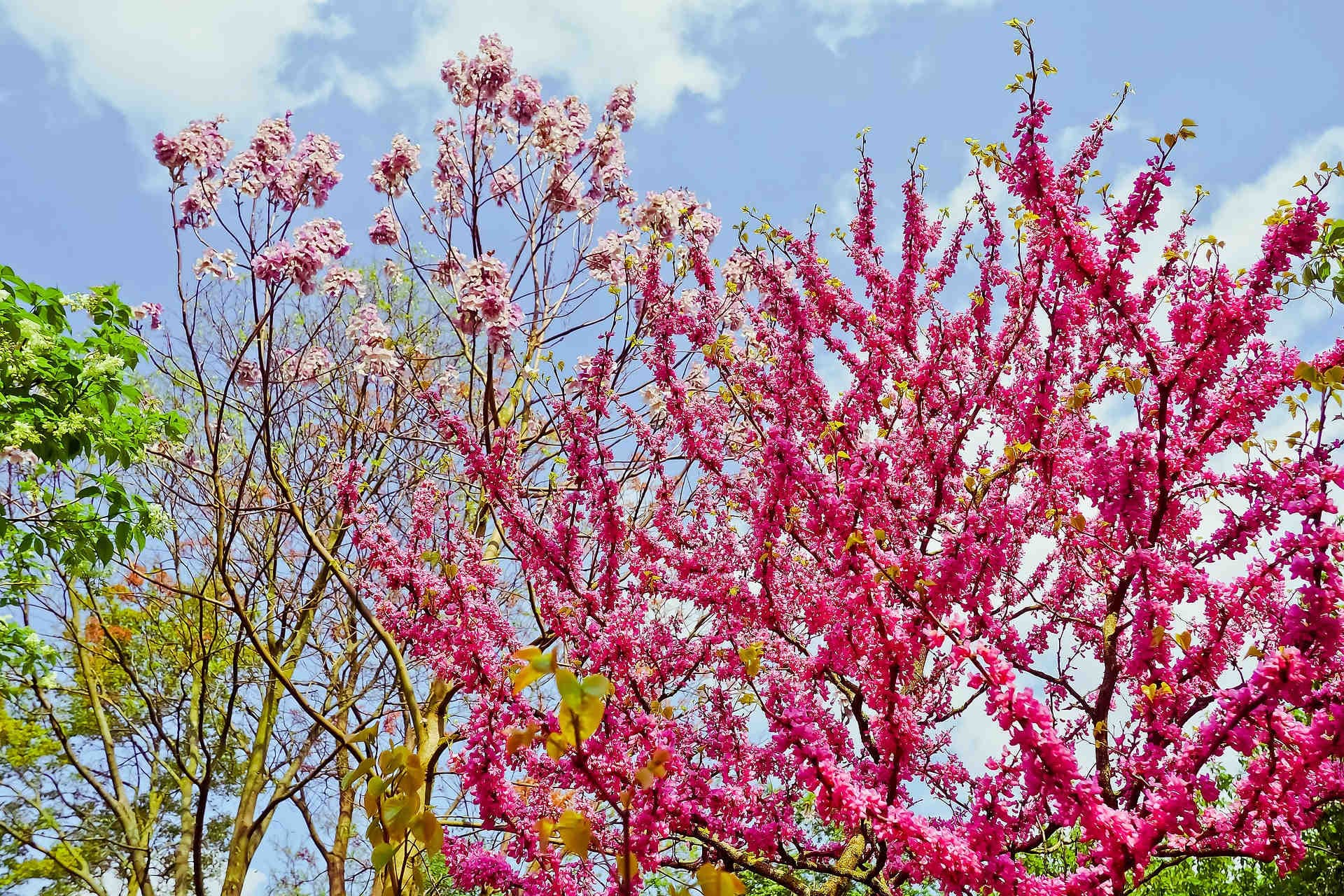
    Nectariferous oases for bees and wild pollinators
    22/03/2022Of 3Bee, Elena Fraccaro
    1360 Views
    Newsletter
    newsletter
    Subscribe to the Blog about bees and biodiversity