Slow tourism in France: a boon for biodiversity
    introductionimpactsupportFrance

    Slow tourism in France: a boon for biodiversity

    In recent years, a new form of travel has become increasingly popular with the French: slow tourism. Going against the grain of our hurried times, this approach favours quality over quantity, authenticity over standardisation, and respect for the environment over unbridled consumerism.

    Read the article
    29/06/2023Of 3Bee, Elena Fraccaro
    502 Views
    29/06/2023Of 3Bee, Elena Fraccaro
    502 Views

    Introduction au slow tourisme

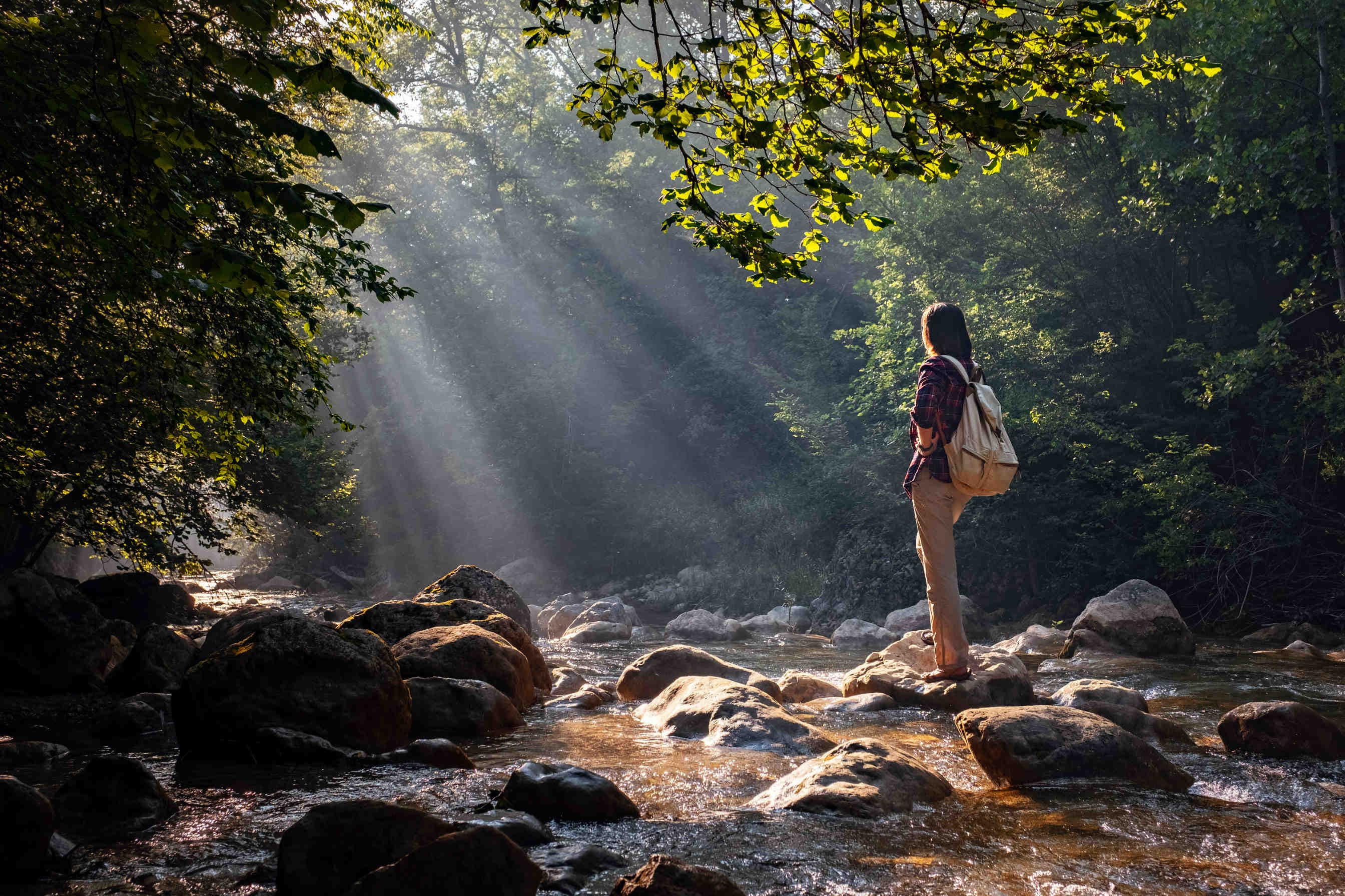
    Emerging as a conscious response to the hustle and bustle of our modern society, slow tourism is increasingly appealing to travellers. Favouring authenticity and respectful discovery, it encourages people to slow down, to fully immerse themselves in the places they visit, while taking the time to create genuine links with the local culture and surrounding nature. Far from crowds, predefined itineraries and mass tourism, followers of slow tourism seek more meaningful travel experiences, reduce their environmental impact, while promoting an intimate encounter with biodiversity.
    Introduction au slow tourisme

    Impact of slow tourism on biodiversity

    By favouring ecological transport (walking, cycling) and short distances, slow tourism significantly reduces carbon emissions, helping to combat global warming, one of the main threats to biodiversity. It also helps to raise awareness of nature conservation. Close and prolonged contact with the natural environment reinforces awareness of the value of biodiversity and the urgency of preserving it. As a result, travellers are more likely to adopt sustainable eco-responsible behaviour, well beyond their trip.

    Impact of slow tourism on biodiversity
    XNatura

    Supporting the local economy and ecosystems

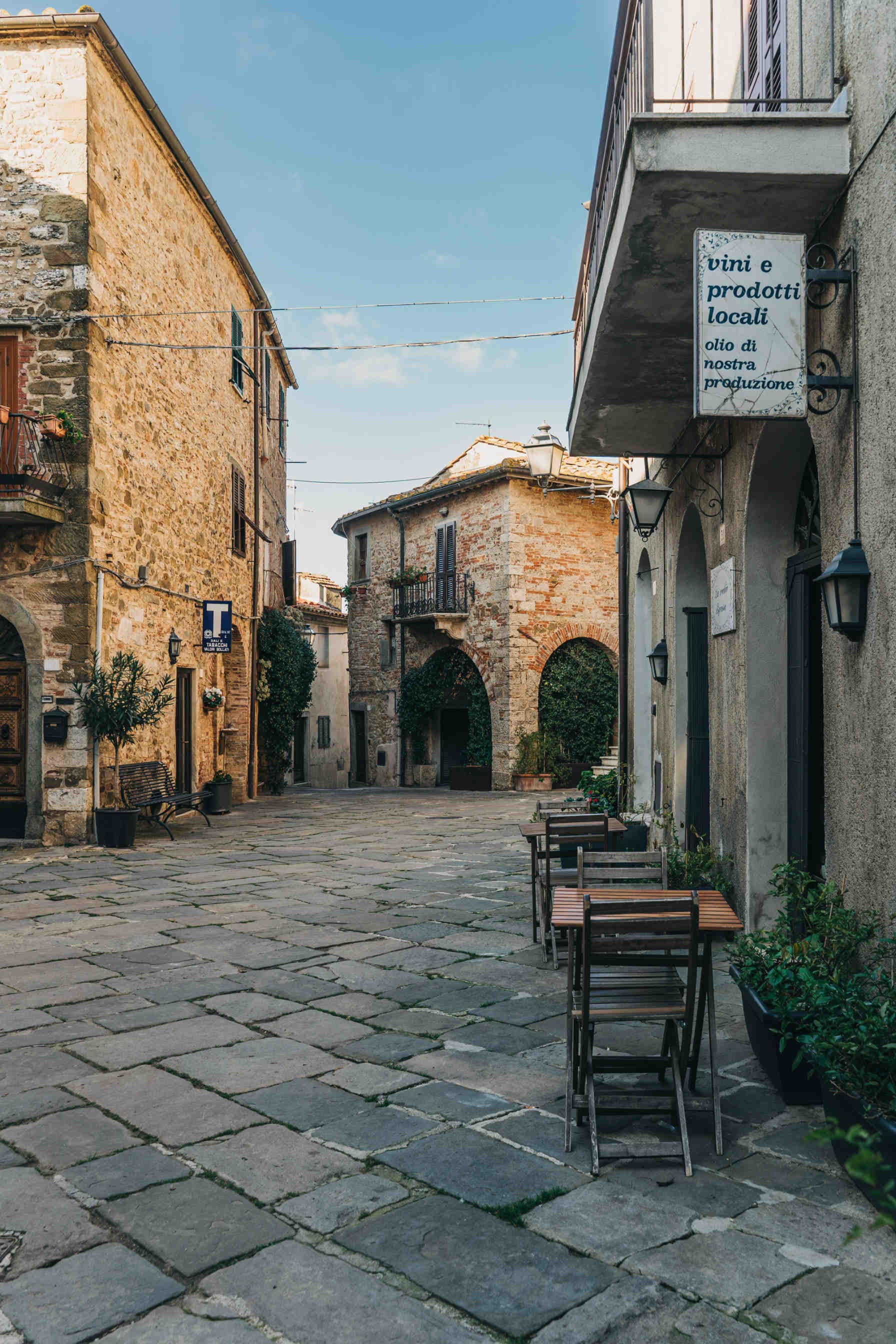
    Slow tourism also involves strong support for the local economy, with a focus on buying regional products and engaging with local businesses. This choice has a positive impact on biodiversity by supporting sustainable farming practices and encouraging the conservation of natural resources. What's more, by favouring less-frequented locations and eco-friendly accommodation, slow tourism limits the pressure on fragile ecosystems, which are often threatened by mass tourism.

    Supporting the local economy and ecosystems

    Slow tourism in France

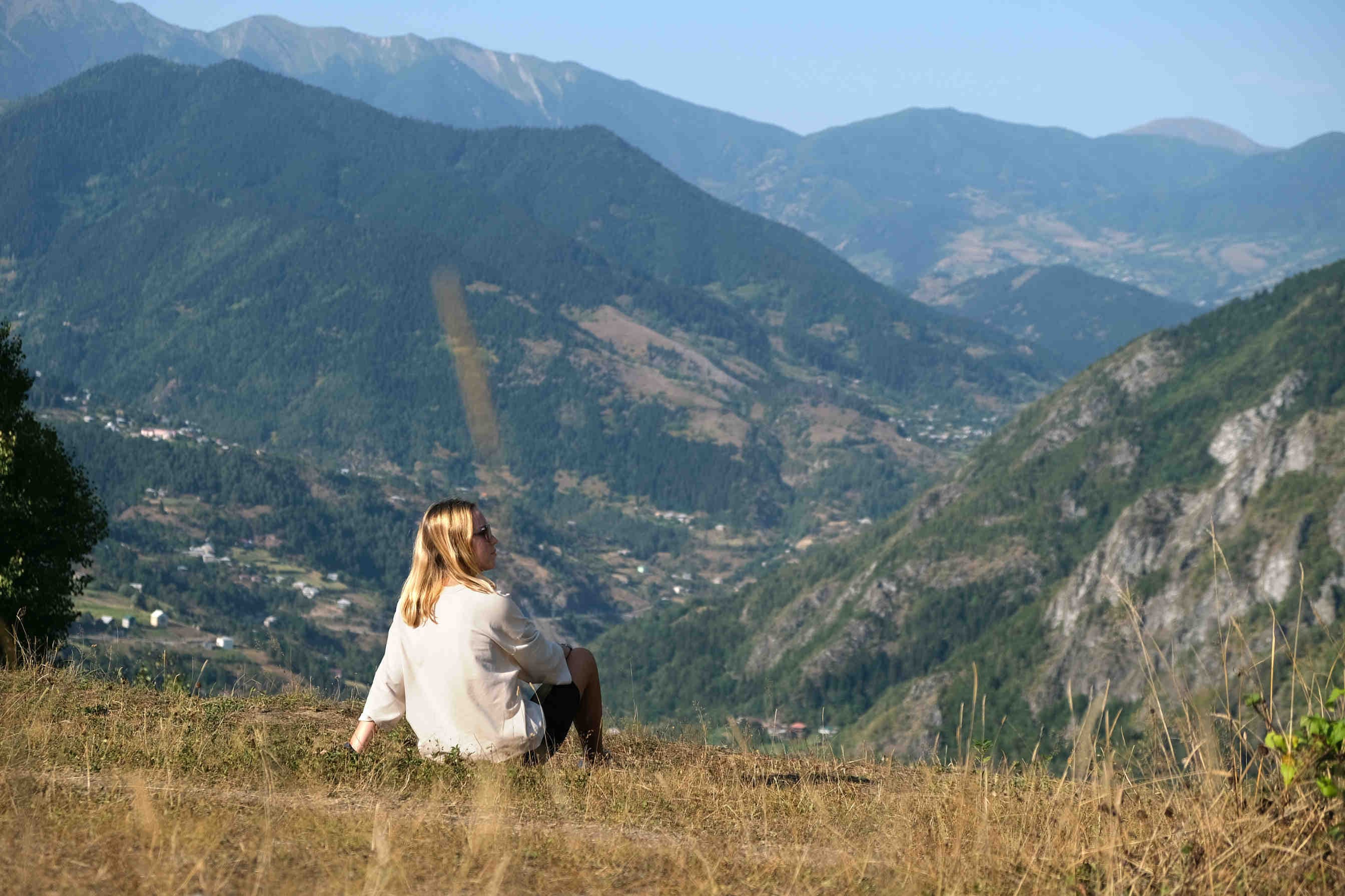
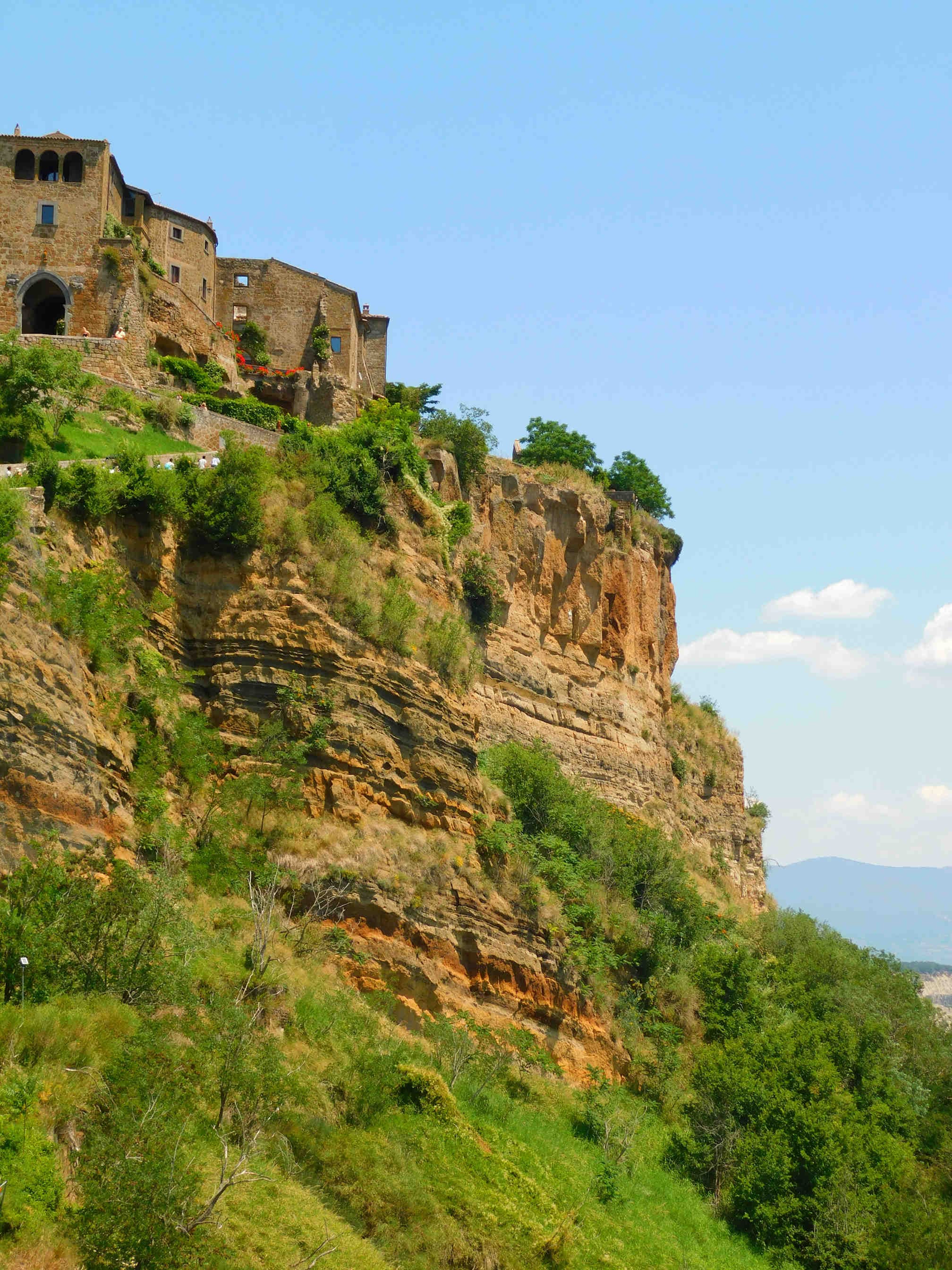
    France, with its diverse natural landscapes and rich cultural heritage, is a veritable playground for slow tourism. Whether strolling along the picturesque canals of Burgundy by bike, hiking the wild trails of the Pyrenees, or discovering the rich ecosystem of the Vanoise National Park, slow tourism in France offers a multitude of opportunities to discover and appreciate local biodiversity. Indeed, with its 11 national parks and diverse geography, France is an ideal country for slow tourism.

    Slow tourism in France
    XNatura

    How 3Bee is helping to protect biodiversity

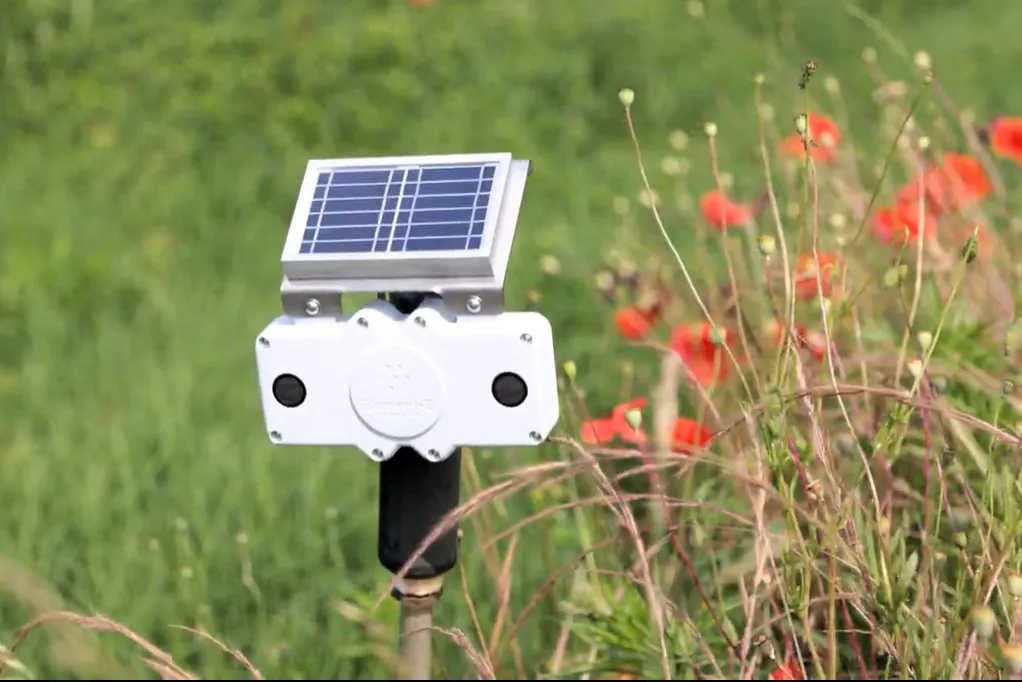
    With 3Bee, you can create your own biodiversity oasis. We offer a range of services aimed at preserving biodiversity for companies concerned about their environmental impact. Our main objective is to design projects aimed at regenerating biodiversity. To this end, we give companies the opportunity to sponsor beehives. We also offer companies the opportunity to sponsor their own nectar forests made up of 50 trees, helping to regenerate local biodiversity and absorb CO2. To complement these projects, we suggest an educational biodiversity trail to be installed on your company site, the "Biodiversity Adventure" trail, which aims to protect pollinators. In addition, you have the option of offering corporate gifts to your employees or organising Team Building.
    How 3Bee is helping to protect biodiversity
    3Bee
    29/06/2023Of 3Bee, Elena Fraccaro
    502 Views
    Newsletter
    newsletter
    Subscribe to the Blog about bees and biodiversity