SDG Goal 6: Sustainable management of water resources
    IntroWaterEfficiencyEcosystems

    SDG Goal 6: Sustainable management of water resources

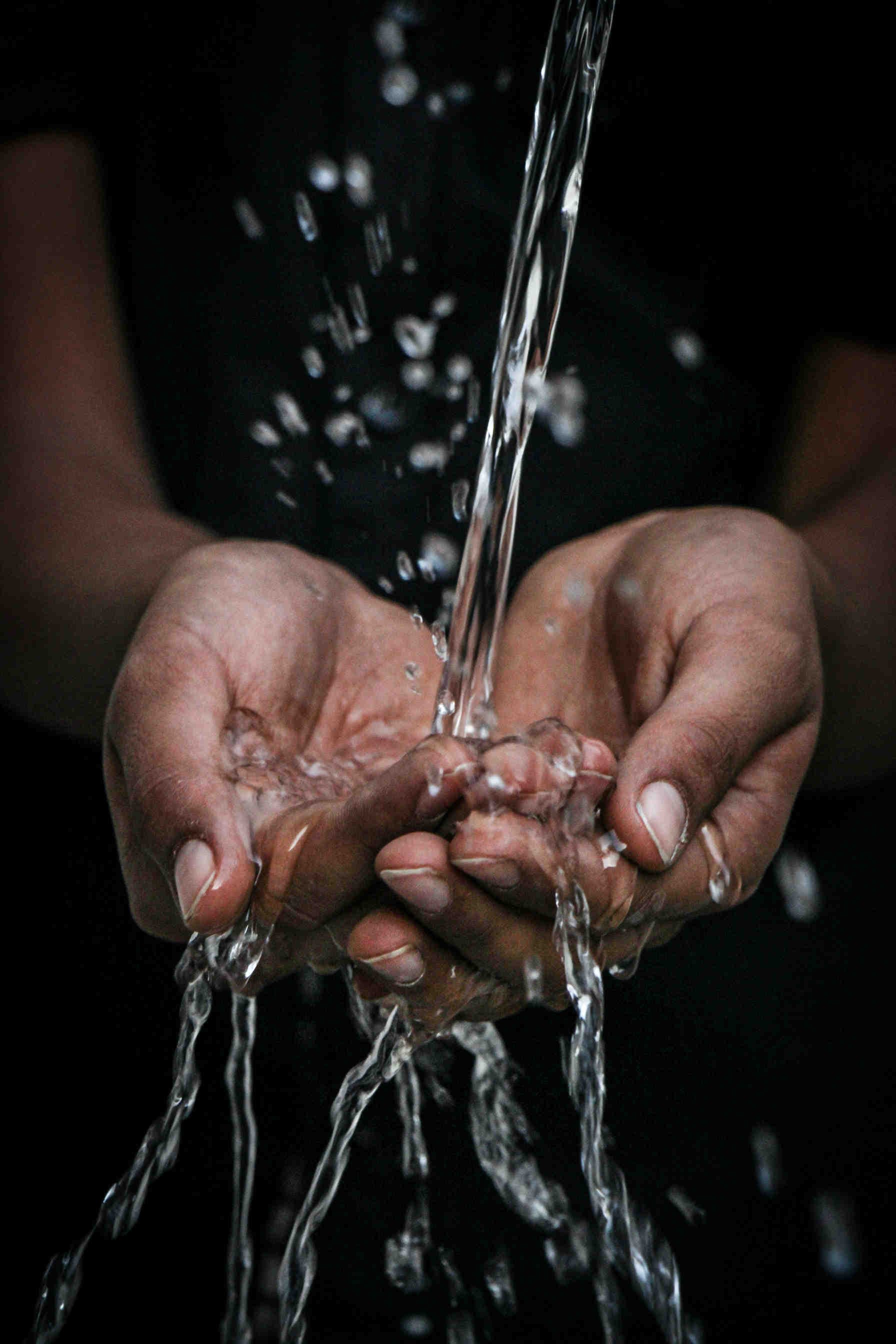
    Learn how Goal 6 of the 2030 Agenda aims to ensure universal access to clean water, improve the sustainable management of water resources and sanitation, and protect water ecosystems.

    Read the article
    08/05/2023Of 3Bee, Elena Fraccaro
    465 Views
    08/05/2023Of 3Bee, Elena Fraccaro
    465 Views

    Presentation of SDG Goal 6

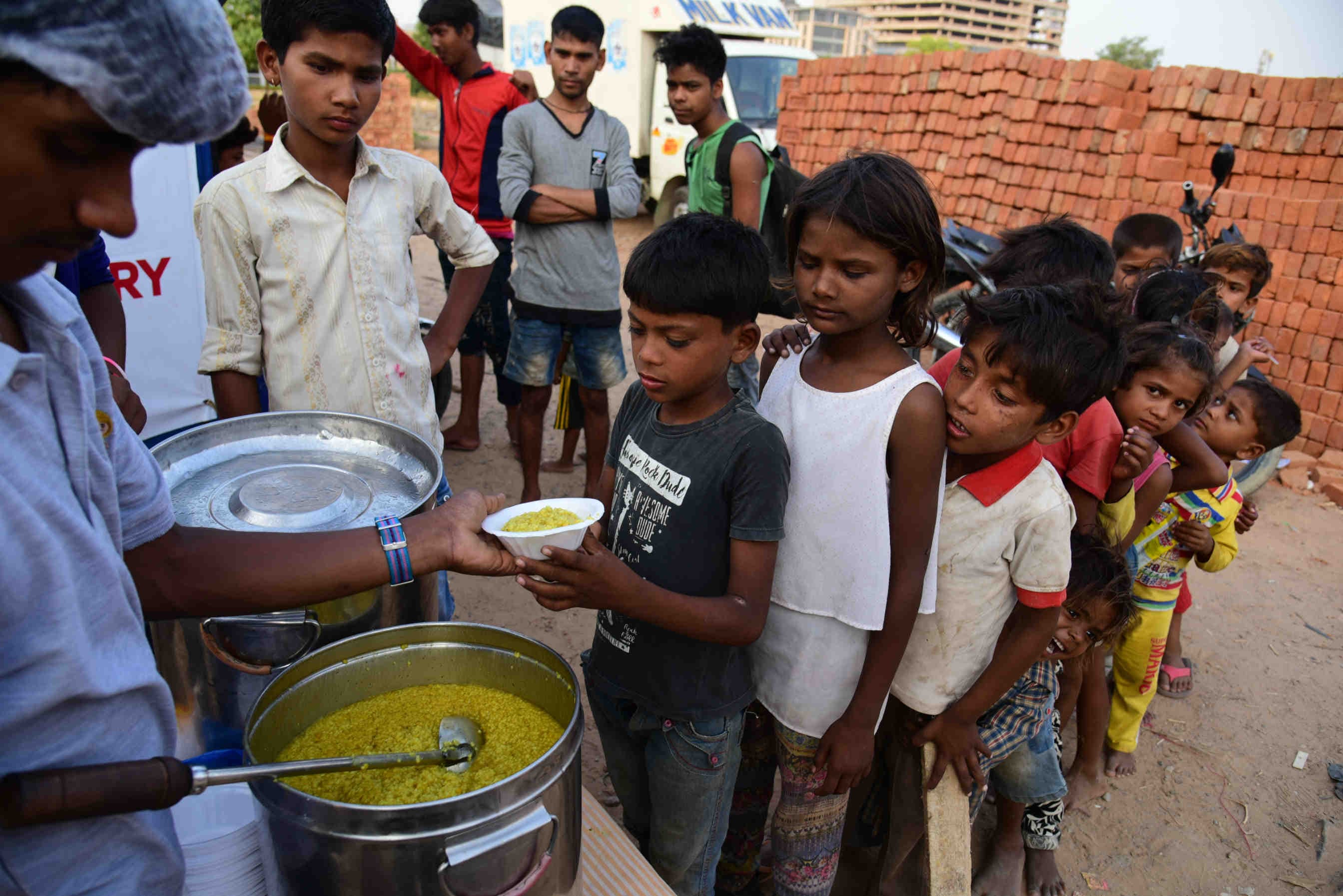
    Goal 6 of the United Nations 2030 Agenda aims to ensure universal access to safe drinking water and sanitation, improve the sustainable management of water resources and protect aquatic ecosystems. Despite the progress made in recent years, access to clean water and sanitation remains a global challenge. According to the World Health Organisation and UNICEF, around 2.2 billion people worldwide had no access to safely managed drinking water and 4.2 billion people had no access to safely managed sanitation facilities in 2020. The lack of access to safe drinking water and sanitation has serious consequences for health, education, gender equality and economic development.
    Presentation of SDG Goal 6

    Goals and challenges for access to water

    Goal 6 of the United Nations 2030 Agenda contains several specific targets to ensure access to safe drinking water and sanitation for all, improve sustainable management of water resources and protect aquatic ecosystems. Key targets include target 6.1, which aims to ensure universal and equitable access to safe drinking water by 2030, and target 6.2, which aims to ensure adequate and equitable access to sanitation and hygiene services for all by the same year, thus eliminating the need for outdoor access. In addition, target 6.3 aims to improve water quality to reduce pollution by minimising the release of chemicals and hazardous substances, halving the proportion of untreated wastewater and increasing recycling and safe reuse globally.

    Goals and challenges for access to water
    XNatura

    Water efficiency and water resources

    Goal 6 of the UN 2030 Agenda also includes target 6.4, which aims to make water use substantially more efficient in all sectors and ensure freshwater withdrawals and supplies to address water scarcity by 2030, with the aim of significantly reducing the number of people suffering from water scarcity, which will increase due to climate change and population growth. In addition, target 6.5 aims to implement integrated water management at all levels, including through transboundary cooperation where appropriate. This means sustainable management of water resources, taking into account all uses and environmental, social and economic impacts. Transboundary cooperation is seen as key to addressing shared water challenges and ensuring equitable and sustainable management.

    Water efficiency and water resources

    Protection of aquatic ecosystems

    Target 6.6 aims to protect and restore water-related ecosystems, including mountains, forests, rivers, aquifers and lakes. The protection of aquatic ecosystems is essential to ensure the provision of good quality water, the conservation of biological diversity and the reduction of the risk of water-related disasters. However, aquatic ecosystems are under numerous pressures, including pollution, habitat loss, overexploitation of water resources and climate change. To protect aquatic ecosystems, an integrated and sustainable approach to water management is needed, taking into account the links between water use and environmental, social and economic impacts. It is also necessary to involve local communities and promote cross-border co-operation.

    Protection of aquatic ecosystems
    XNatura

    The current situation in Germany

    The composite indicator of Goal 6 of the 2030 Agenda deteriorates in Italy between 2010 and 2021 due to lower water efficiency and a worsening water utilisation index. Despite some measures foreseen in the National Recovery and Resilience Plan, such as the modernisation and extraordinary maintenance of pprimary water production, storage and supply infrastructures and the construction of new drinking water distribution networks, the measures are not sufficient to meet demand and the government's actions are not drastic enough in terms of catching up. In addition, Germany has a serious lack of data on Goal 6, which makes it impossible to assess progress in surface water quality towards the European target of 100 per cent by 2027.

    The current situation in Germany
    3Bee

    Challenges and critical points in Goal 6 of the Agenda

    More investment and attention to critical issues related to access to clean water and sanitation is needed to achieve the targets of Goal 6 of the 2030 Agenda. The lack of data on the health status of water bodies and the lack of effective national policies are a challenge that needs to be addressed. In addition, transboundary co-operation for integrated water resources management must be promoted and water efficiency must be ensured in all sectors. Only through an integrated and joint strategy will it be possible to ensure universal access to drinking water and sanitation and protect water resources for the future.

    Challenges and critical points in Goal 6 of the Agenda

    Sustainable innovations and water management

    There are several technological innovations and sustainable practices that can contribute to sustainable water and wastewater management. For example, the use of innovative technologies such as soil moisture sensors can help to monitor crop irrigation more efficiently and reduce water wastage. In addition, the introduction of cost-effective water filtration systems can ensure access to clean water in remote and disadvantaged areas. Wastewater treatment technologies such as constructed wetlands offer a sustainable and cost-effective alternative to conventional wastewater treatment plants. Finally, sustainable practices such as precision agriculture and the use of organic fertilisers can help reduce water pollution and improve water quality.

    Sustainable innovations and water management

    A global challenge

    Sustainable water and sanitation is a global challenge that requires concrete and innovative action at international and local levels. Collaboration across borders and the involvement of local communities are key to ensuring access to clean water and sanitation for all and protecting water-related ecosystems. At 3Bee, we support organisations that need a data-driven approach and are committed to raising awareness. Although we do not directly address SDG Goal 6, we are committed to raising awareness of the importance of ensuring the availability and sustainable management of water resources and sanitation for all. Get in touch with us to find out how we can help your organisation design for sustainability and achieve the Sustainable Development Goals.

    A global challenge
    08/05/2023Of 3Bee, Elena Fraccaro
    465 Views
    Newsletter
    newsletter
    Subscribe to the Blog about bees and biodiversity