SDG Goal 2: End hunger and malnutrition
    IntroductionFameBambiniagriculture

    SDG Goal 2: End hunger and malnutrition

    Learn how Goal 2 of the SDGs aims to end hunger and malnutrition worldwide. Explore the current situation and find out how companies can contribute to achieving this goal. Explore the key points of Goal 2, the challenges and possible solutions for the future.

    Read the article
    26/05/2023Of 3Bee, Elena Fraccaro
    2444 Views
    26/05/2023Of 3Bee, Elena Fraccaro
    2444 Views

    Introduction to SDG target 2

    After delving into the SDG1 Goal and the topic of poverty, we now focus on the SDG2 Goal of the UN Agenda 2030 which aims to end hunger and malnutrition worldwide by promoting sustainable agriculture and food security. Despite some significant progress in several countries, around 800 million people worldwide still suffer from undernourishment and malnutrition, most of them women and children. The 2030 target is to eliminate hunger and all forms of malnutrition in the world. About 70 per cent of people suffering from malnutrition depend directly or indirectly on agriculture for their livelihood, putting small farmers at risk of malnutrition.
    SDG 2 fame zero

    Hunger and malnutrition in the world and in Italy

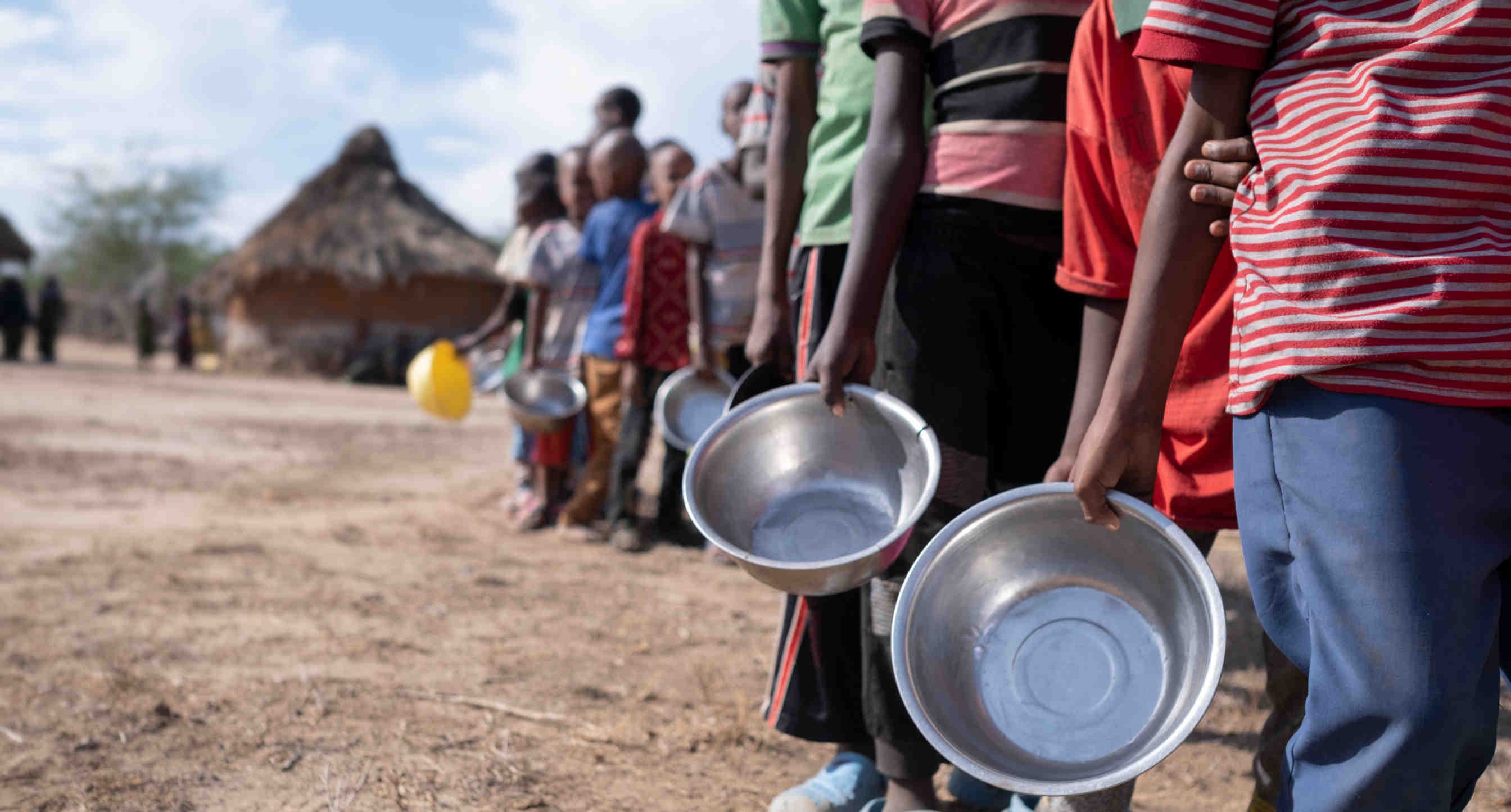
    Despite international efforts, hunger and malnutrition still represent a significant challenge in the world. Currently, some 800 million people in the world suffer from malnutrition, while 2 billion people lack access to sufficient nutritious food. Most of those affected by malnutrition are women and children, particularly those living in rural areas. Even in Italy, hunger and malnutrition are still present. According to the AsviS Report 2022, about 5.6 million people, 1.4 million of whom are minors, live in absolute poverty and food insecurity is a growing problem. Despite the growth in consumption of organic food, fewer and fewer people eat a balanced and healthy diet.

    Fame e malnutrizione
    XNatura

    Ending malnutrition in children under 5 years old

    The agenda does not fail to focus on the very youngest. According to data released by the United Nations, before the pandemic, 6.9% of children under the age of five suffered from development, the percentage rises to 21.4% when those physically underdeveloped due to lack of food are taken into account. According to data released by Save the Children, there are currently 5.7 million children under the age of five at risk of food insecurity, a number 50% higher than in 2019. Faced with these numbers, one of the goals of the agenda is to eliminate all forms of undernutrition and malnutrition. Furthermore, by 2025, the undernourishment of children under the age of five must be stopped. Other particularly sensitive groups are adolescent girls, pregnant and lactating women, and the elderly.
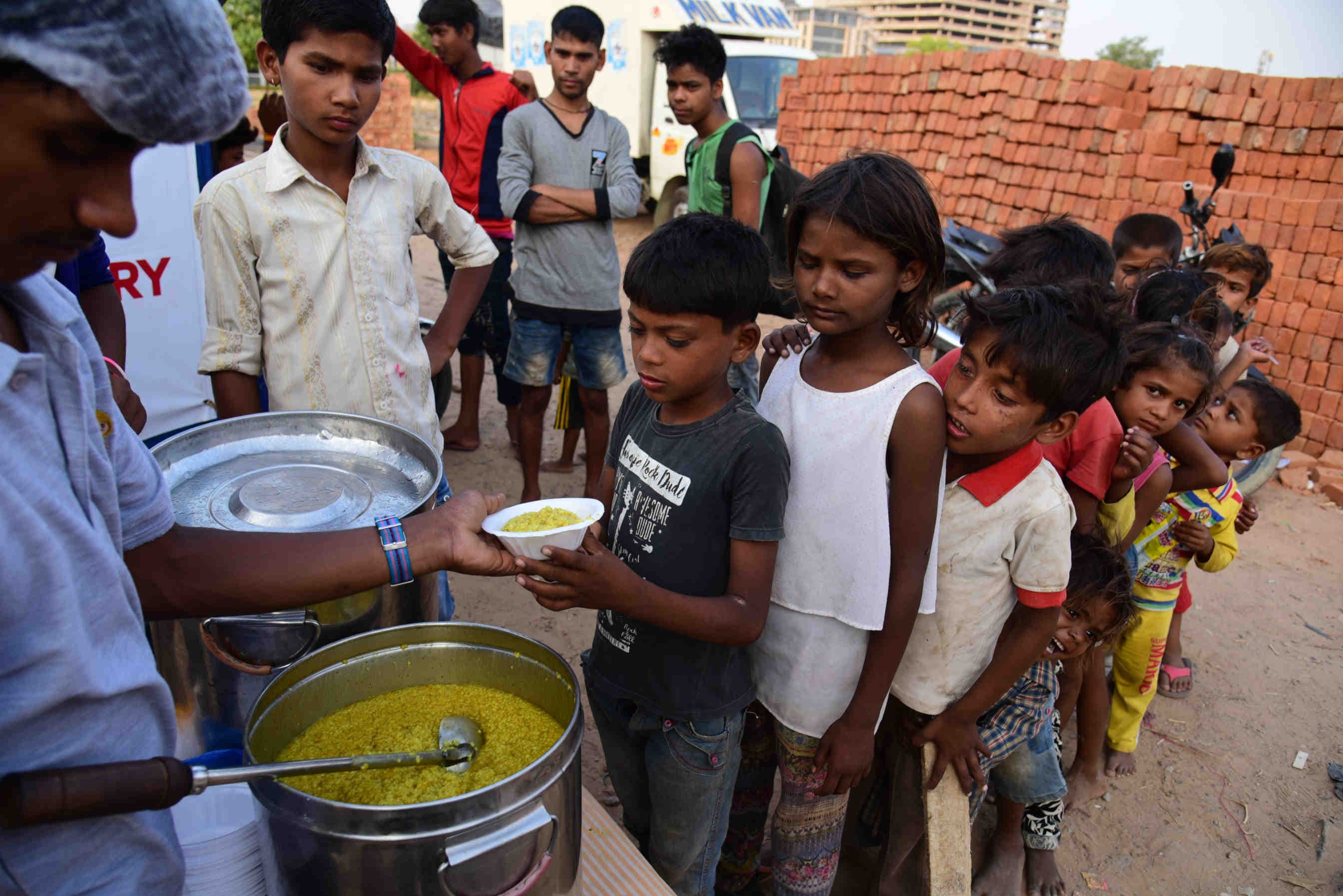
    fame bambini SDG 2

    Sustainable agriculture: doubling productivity

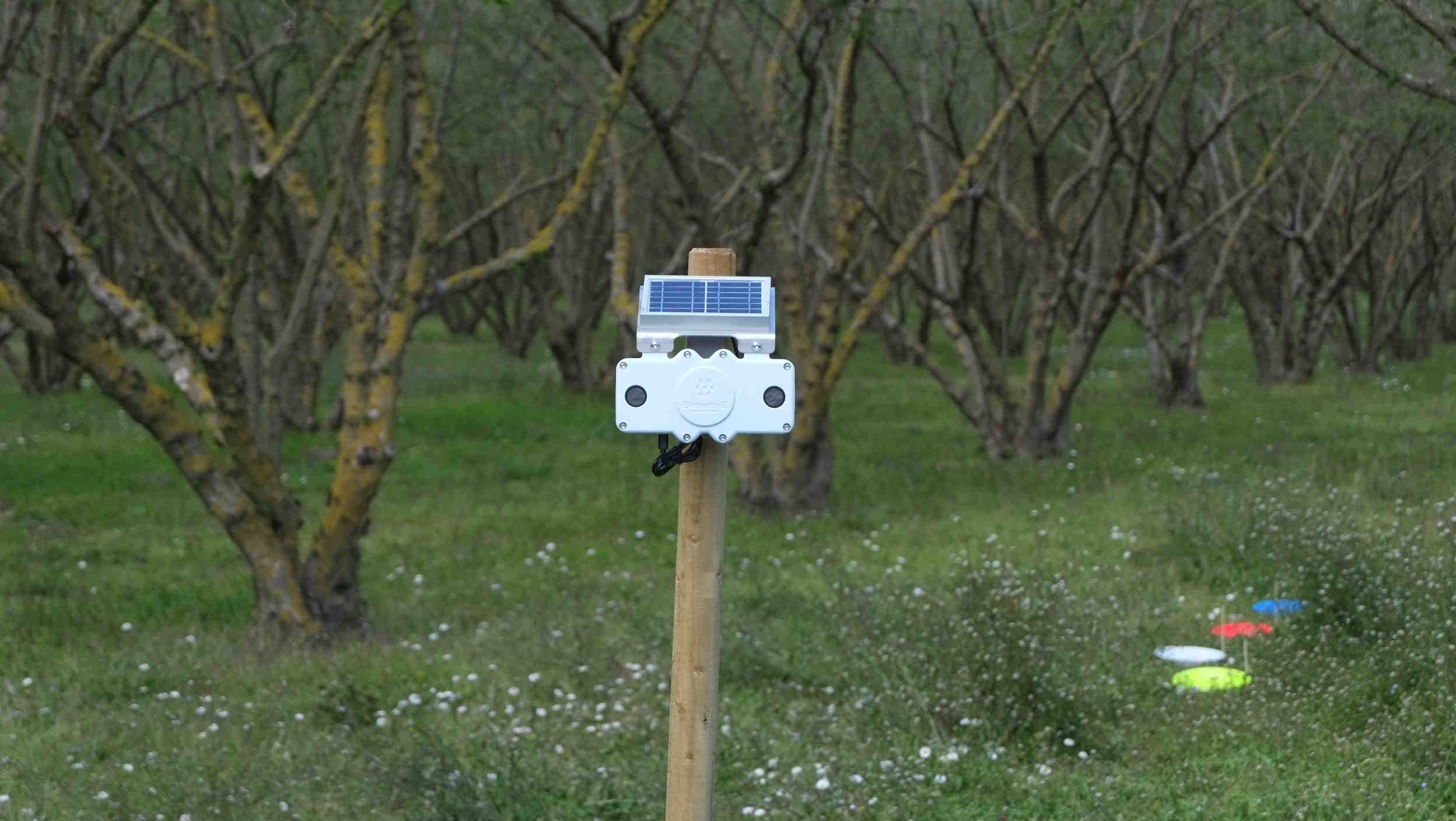
    Another key to achieving the goal of ending hunger and ensuring secure access to nutritious food for all is sustainable agriculture. SDG Goal 2 aims to double the agricultural productivity of small-scale producers by 2030, while ensuring the income of women, indigenous peoples and farming, pastoralist and fishing families. To achieve this goal and ensure environmental sustainability, it is necessary to adopt resilient agricultural practices and promote the genetic diversity of plants and livestock. In this context, 3Bee is committed to promoting sustainable agriculture through the XNatura project, through which agricultural producers can certify their impact on biodiversity and contribute to the preservation of local ecosystems.
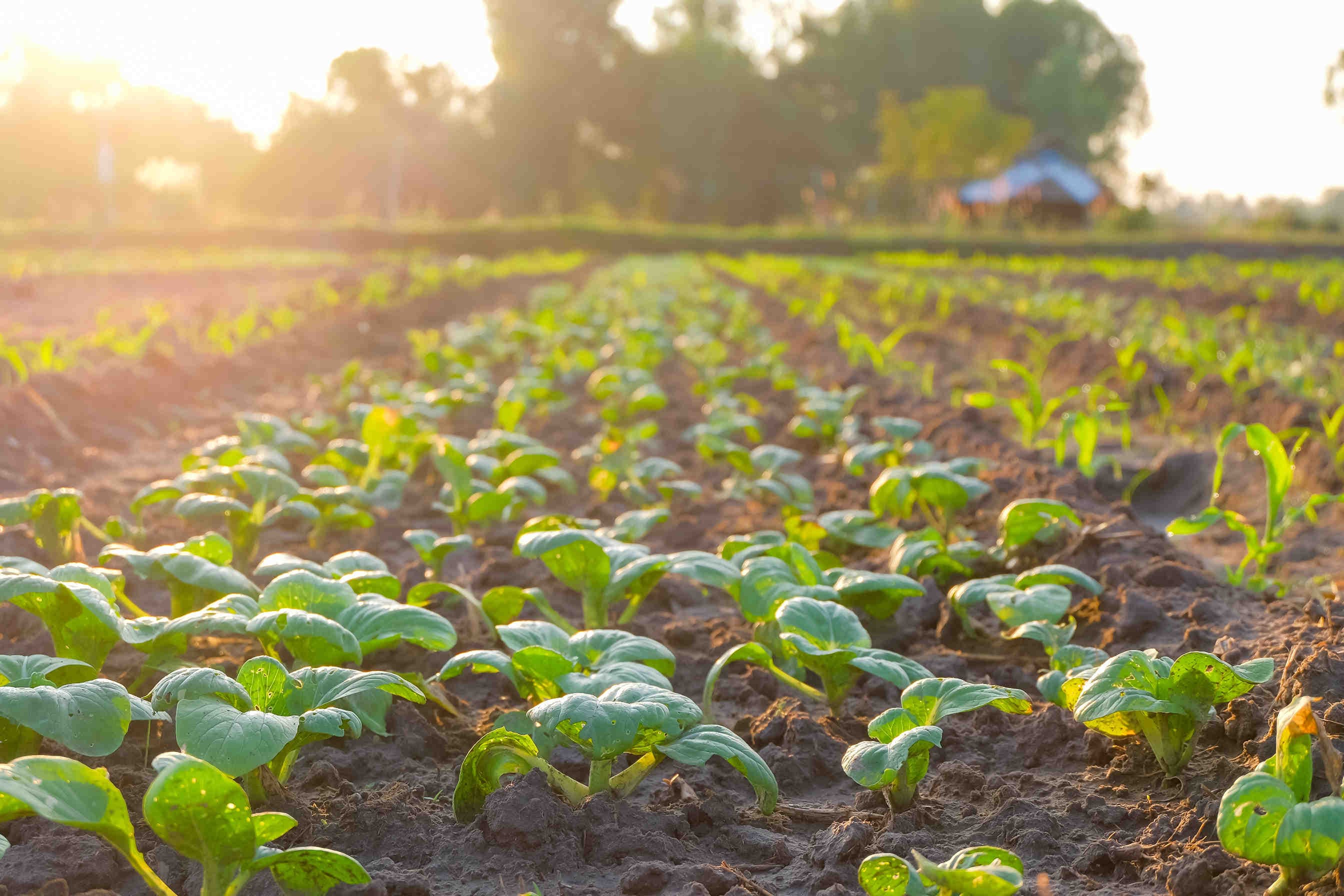
    agricoltura sostenibile
    XNatura

    The role of companies in guaranteeing the right to food

    Companies play a key role in the implementation of SDG Goal 2. Through their capacity for investment and innovation, they can contribute to promoting sustainable agriculture and ensuring access to food for all. In particular, agribusinesses can adopt sustainable production and distribution practices, support small-scale producers and promote the genetic diversity of plants and animals. Companies can also invest in technologies and innovations to improve production efficiency and reduce food waste. Moreover, they can collaborate with local communities and international organisations to address the challenges of food access and food insecurity. Companies must therefore act in a sustainable manner to actively contribute to the realisation of Goal 2, while also paying attention to their own impact.

    aziende diritto cibo
    3Bee

    Conclusion: working together to end hunger

    In conclusion, Target 2 of the 2030 Agenda represents an important step in the fight against hunger and malnutrition. The eradication of hunger and the promotion of sustainable agriculture are goals that require a collective commitment from governments, companies, non-governmental organisations and individuals. However, despite efforts in recent years, world hunger is still a reality and access to food for all is still not a reality. Coordinated action and concrete measures must continue to be taken to achieve these goals by 2030.

    lavorare insieme per combattere la fame

    Our contribution to global food security

    At 3Bee, we strongly believe in the importance of sustainable agriculture to ensure access to food for all. Sustainable food production systems and farming practices that increase productivity and production help to maintain ecosystems and enhance adaptive capacity to climate change. In this way, land and soil quality are progressively improved. With XNatura, we support farms in the certification of their impact on biodiversity to support the conservation of pollinators and local flora. We are therefore intervening on SDG Goal 2 alongside companies wishing to adopt sustainable agricultural practices and promote the right to food. Contact us to learn more and to find out how we can help your company make a tangible contribution to achieving SDG 2.

    Element-E powered by 3Bee
    26/05/2023Of 3Bee, Elena Fraccaro
    2444 Views
    Newsletter
    newsletter
    Subscribe to the Blog about bees and biodiversity