Regenerative Agriculture: Tracking Nature’s Recovery
    ResilienceSupply ChainMonitoringIoT Sensors

    Regenerative Agriculture: Tracking Nature’s Recovery

    Modern farming is evolving. Instead of just sustaining, we are now restoring. This article explores how science-backed data and innovative technology, like the XNatura platform, are turning traditional fields into thriving, resilient ecosystems for a nature-positive future.

    Read the article
    09/02/2026Of 3Bee, 3Bee
    279 Views
    09/02/2026Of 3Bee, 3Bee
    279 Views

    The Shift to Regenerative Agriculture Practices

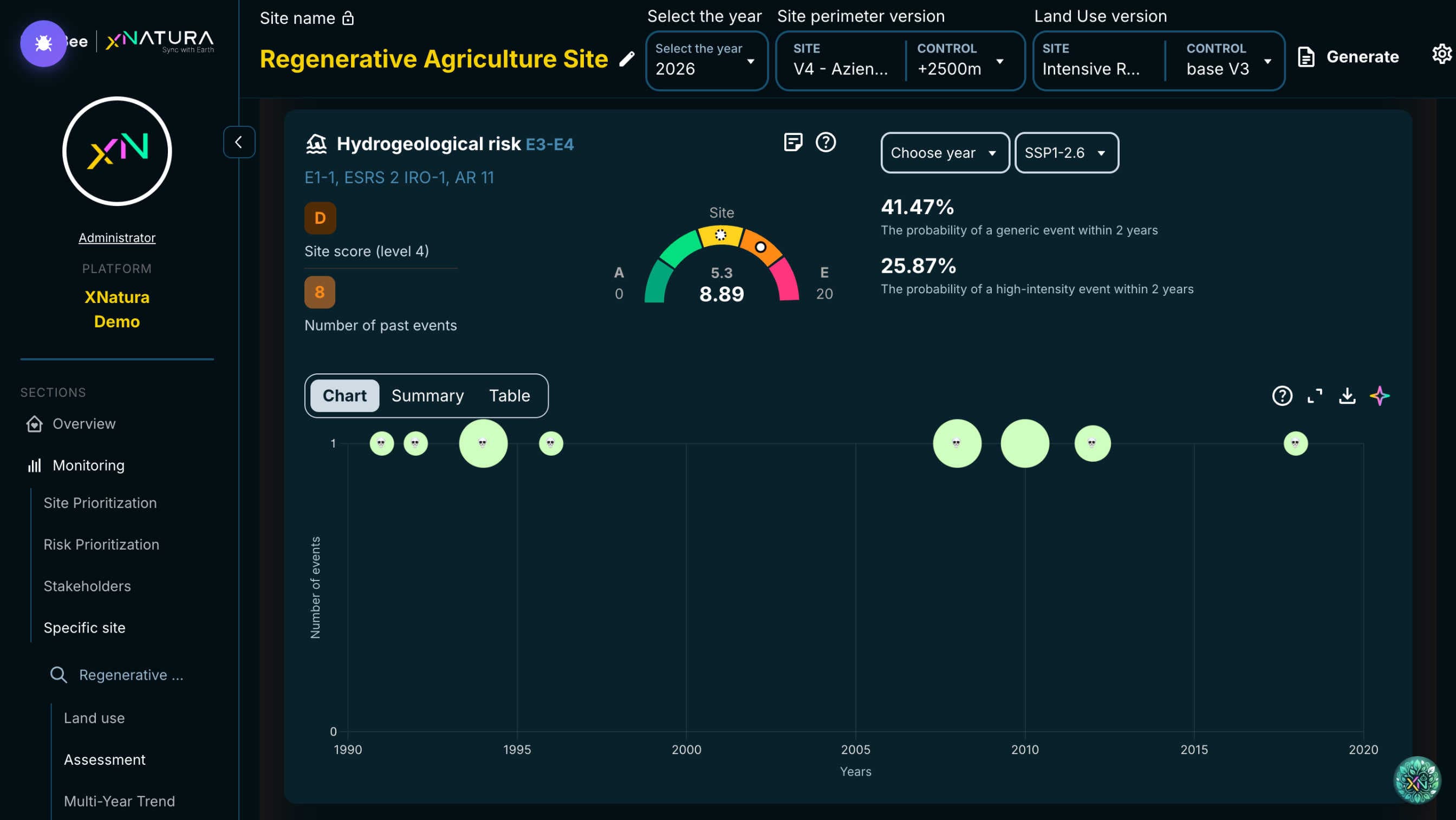
    Traditional farming often degrades the environment by depleting soil fertility and disrupting water cycles. In contrast, regenerative agriculture actively rebuilds organic matter and enhances natural resilience through minimal soil disturbance and crop diversification. This transformative approach goes beyond simple sustainability; it aims to improve ecosystem functions over time, creating a pathway to rebuild healthier agroecosystems. A crucial element in this transformation is the use of Scenario Analysis. By simulating various land management options, this tool allows farmers and stakeholders to predict the effectiveness of regenerative practices and anticipate ecological outcomes before they are even implemented on the ground. This predictive power enables proactive risk management, helping to identify potential vulnerabilities and optimize decision-making to ensure that on-farm actions align perfectly with long-term
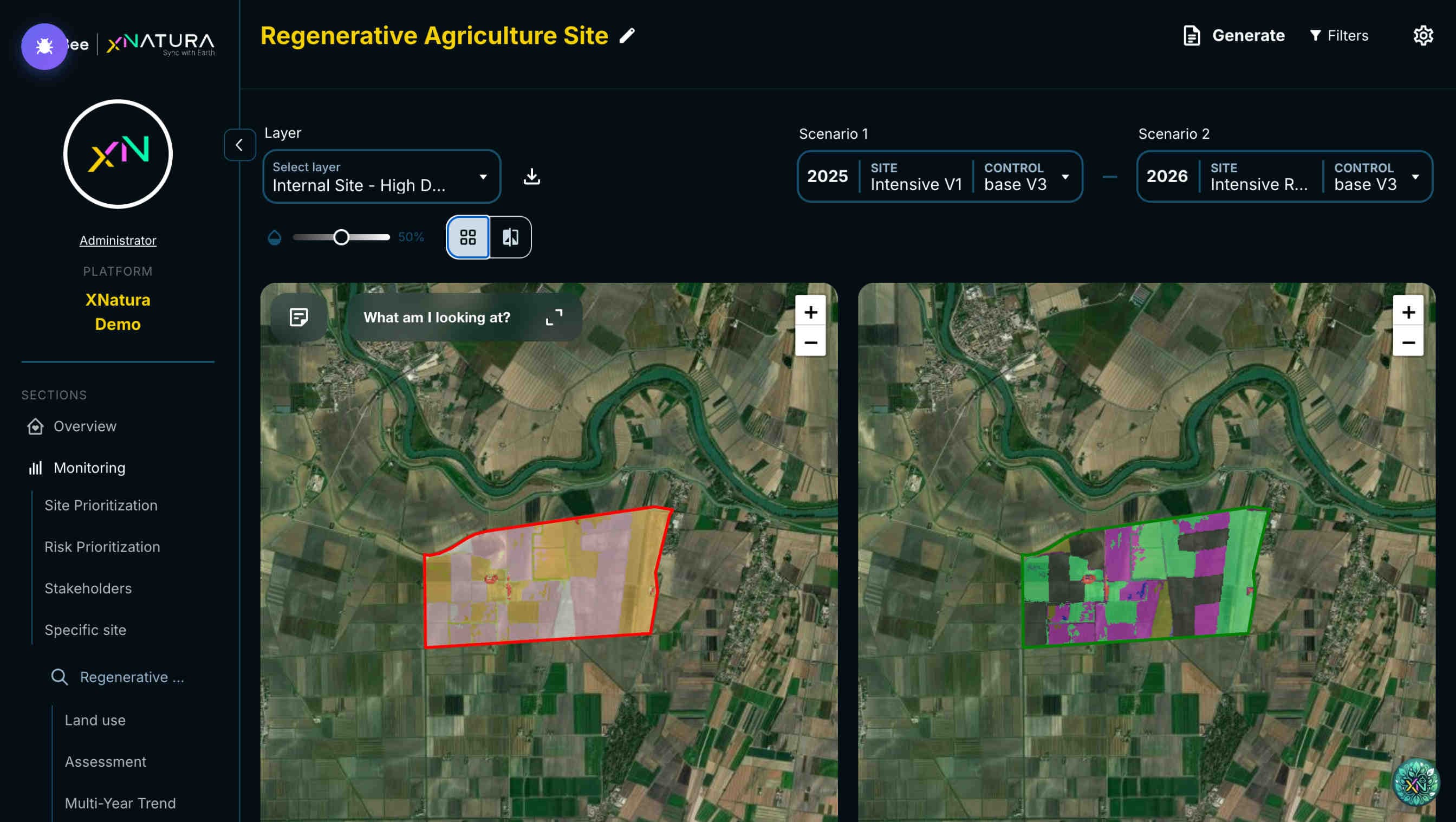
    3bee-blog-the-shift-to-regenerative-agriculture-practices

    Navigating Supply Chain Transition and Climate Resilience

    For companies managing complex supply chains, transitioning to regenerative methods is a strategic journey that addresses both financial and physical risks. Supply chain managers must navigate temporary yield fluctuations as soil biology restores itself. In sensitive sectors like coffee and cocoa, production is highly exposed to short-term risks such as droughts, floods, and pests while ecosystems regain their natural resilience. The XNatura platform mitigates these risks by monitoring supply chain practices, enabling companies to engage and reward farmers for measurable improvements. By assessing vulnerability to climate risks and highlighting restoration opportunities, XNatura delivers the metrics needed to build resilience in exposed supply chains. This data-driven approach ensures a less disruptive transition, turning short-term challenges into a bridge toward long-term productivity and a stable, nature-positive supply chain.

    3bee-blog-navigating-supply-chain-transition-and-climate-resilience
    XNatura

    Science-Based Monitoring with XNatura Platform

    To ensure regenerative efforts are successful, the XNatura platform provides a science-based, data-driven approach to measurement and verification. By combining satellite imagery with on-site IoT sensors, XNatura enables the assessment of improvements in soil health, biodiversity, and ecosystem functions. The platform follows the LEAP approach (Locate, Evaluate, Assess, Prepare), helping organizations map nature dependencies and identify biodiversity hotspots. This allows supply chain managers and agronomists to set measurable goals and track progress against industry benchmarks. Through AI-generated reports and long-term monitoring, the platform ensures that environmental claims are transparent, credible, and fully aligned with international frameworks like the TNFD and CSRD.

    Innovative IoT Sensors for Biodiversity Tracking

    At the heart of XNatura’s technology are specialized sensors like Spectrum and Birdy. The Spectrum sensor is essential for regenerative projects because it monitors pollinators, which serve as vital bioindicators of ecosystem health. Using the Spectrum sensor allows regenerative agriculture practitioners to make informed decisions, demonstrate ecological gains to stakeholders and track precise differences in pollinator activity even between adjacent plots treated with different practices, such as regenerative versus traditional agriculture. Similarly, the Birdy sensor identifies bird species to measure habitat restoration. Together, these devices replace manual surveys with automated, objective data. By integrating these bioacoustic insights with satellite analysis, stakeholders can see exactly how specific practices impact local wildlife. This granular detail is crucial for supporting Nature Credits and proving the ecological effectiveness of agricultural interventions.
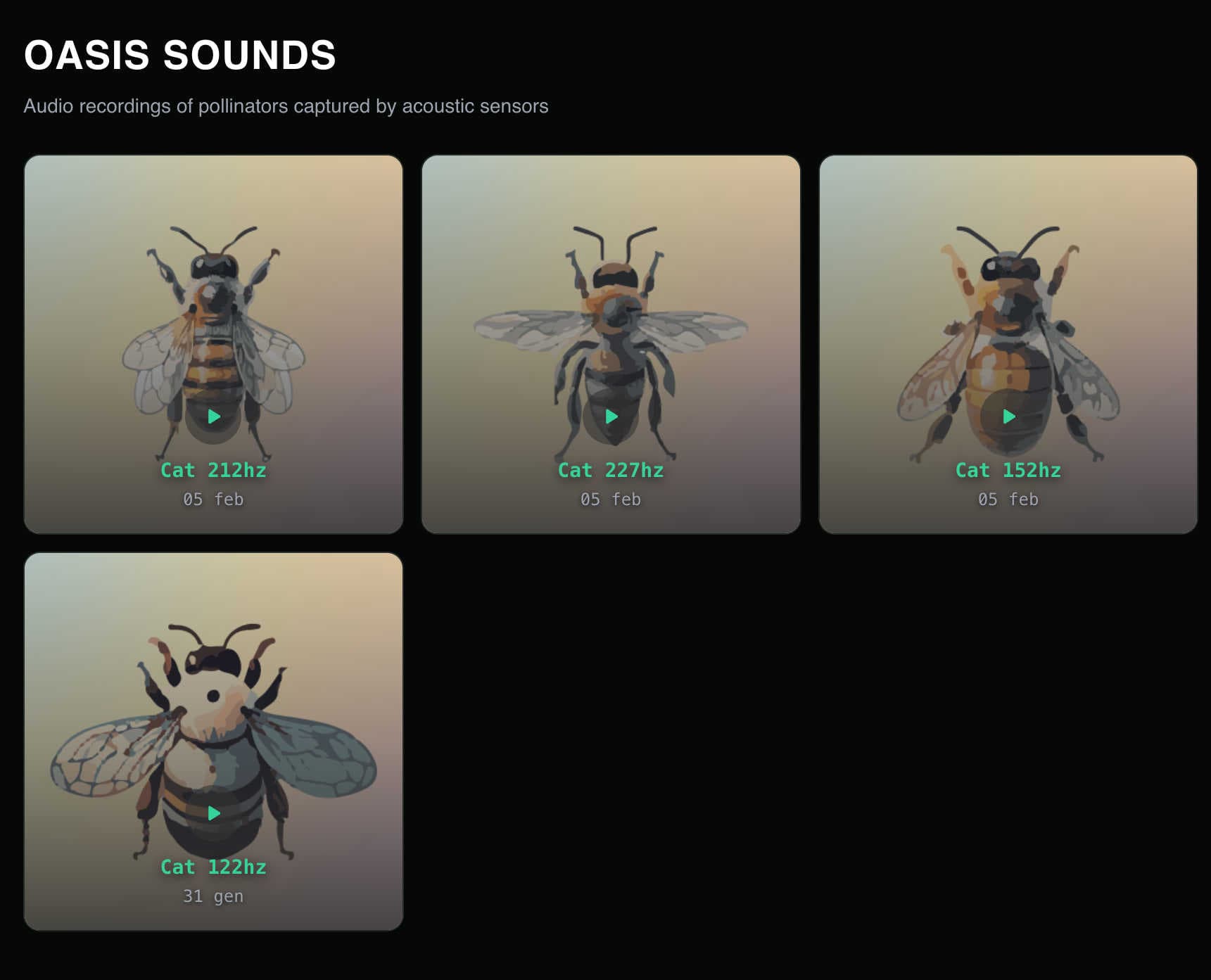
    3bee-blog-innovative-iot-sensors-for-biodiversity-tracking
    XNatura

    Real-World Success: Case Studies in Regeneration

    Leading agrifood companies are already leveraging XNatura to validate their sustainability goals. For example, Bayer uses the platform to support the biodiversity pillar of its "Rigenerare per Crescere" initiative across viticulture sites. Colussi has implemented Spectrum IoT sensors on model farms in Umbria to better understand pollinator diversity and improve product traceability. Aboca monitors over 100 hectares in Tuscany, using satellite data and sensors to strengthen the balance between nature and innovation. Even in organic settings, Alce Nero uses these technologies to go "beyond organic," monitoring bees and spontaneous flora as guardians of health. These cases demonstrate that with the right data, farming can evolve from a source of environmental pressure into a primary driver of nature restoration and carbon sequestration. If you want to dive deeper into Regenerative Agriculture Practices download our complete WhitePaper.

    3Bee
    09/02/2026Of 3Bee, 3Bee
    279 Views
    Newsletter
    newsletter
    Subscribe to the Blog about bees and biodiversity