How to Recognise <clr>Bees, Bees, Wasps and Hornets</clr>?
    ApeBeehiveVespeNutrition

    How to Recognise Bees, Bees, Wasps and Hornets?

    How do you recognise bees, bumblebees, wasps and hornets? How many times have you seen these insects and not been able to distinguish one from the other exactly? Here is the definitive guide to exactly how to recognise these small insects and their valuable activities, without confusing them any more!

    Read the article
    10/09/2021Of 3Bee, Elena Fraccaro
    5534 Views
    10/09/2021Of 3Bee, Elena Fraccaro
    5534 Views

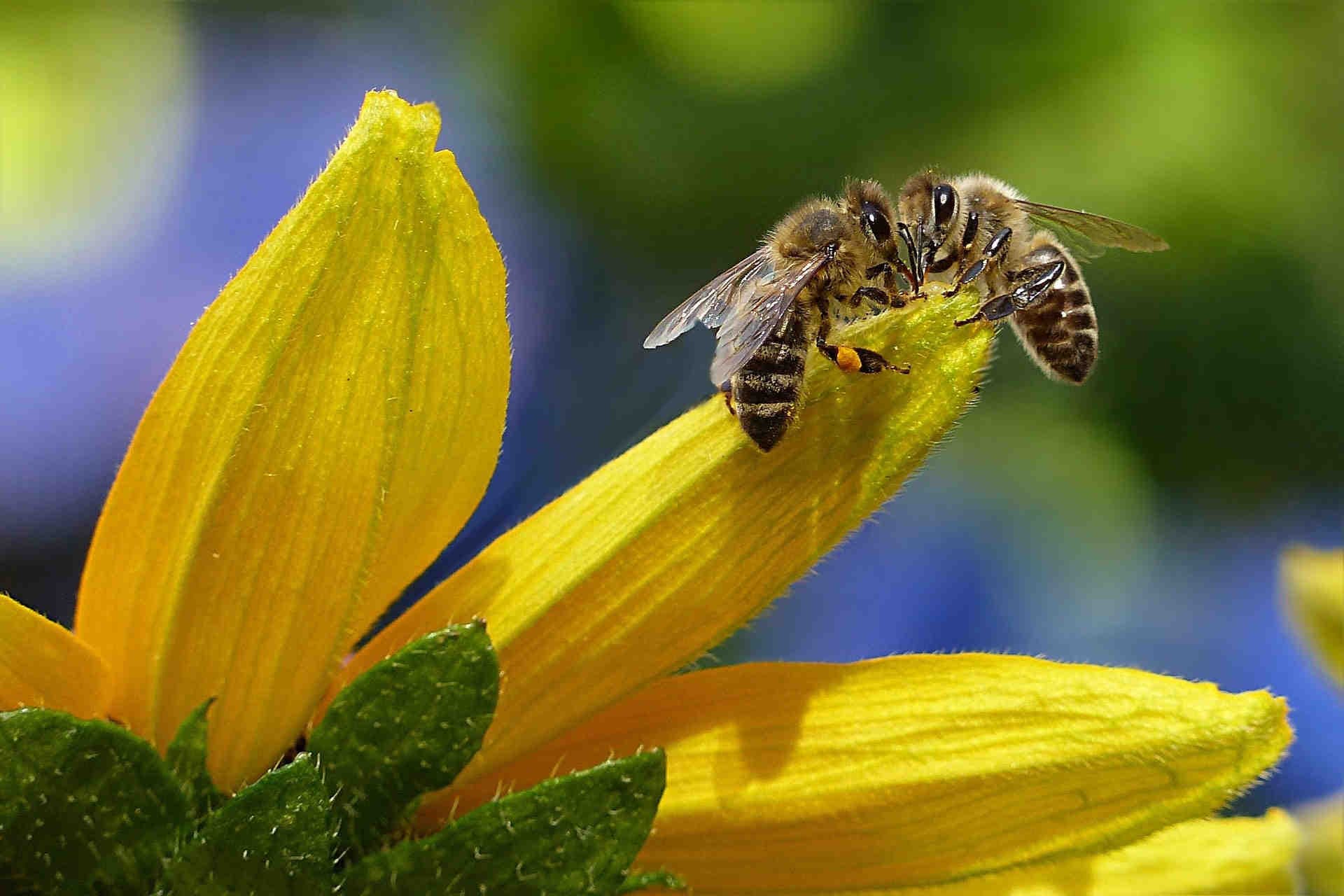
    1. The Ape

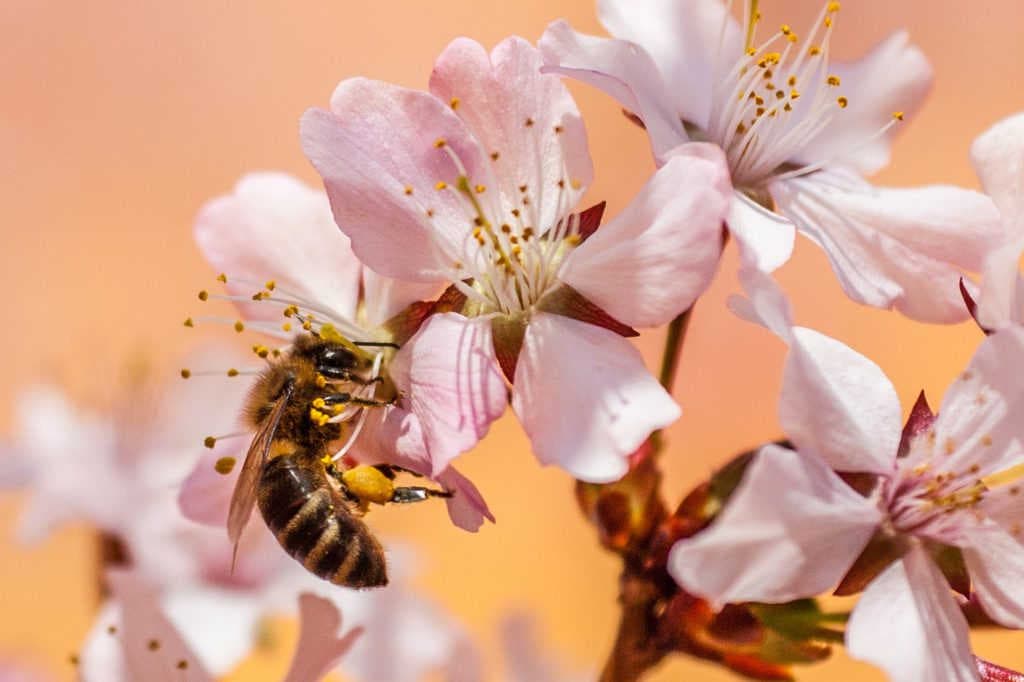
    The honey bee is certainly one of the most famous insects, but it is still often confused with its other 'cousins'. How can you learn to distinguish it without making a mistake? The bee has a body divided into three sections: a head with two antennae, a thorax with six legs and two pairs of wings, and an abdomen consisting of seven segments. But this is a morphology also found in other insects. What makes it easy for anyone to distinguish a bee is its somewhat squat shape, its thorax covered in typical yellow and black hairs. It therefore does not possess the bright colours of wasps nor the enviable 'fur' of bumblebees. It is also smaller in size than wasps, bumblebees and hornets, and the females possess a hooked stinger, which can become lethal to it.
    1. The Ape

    The beehive

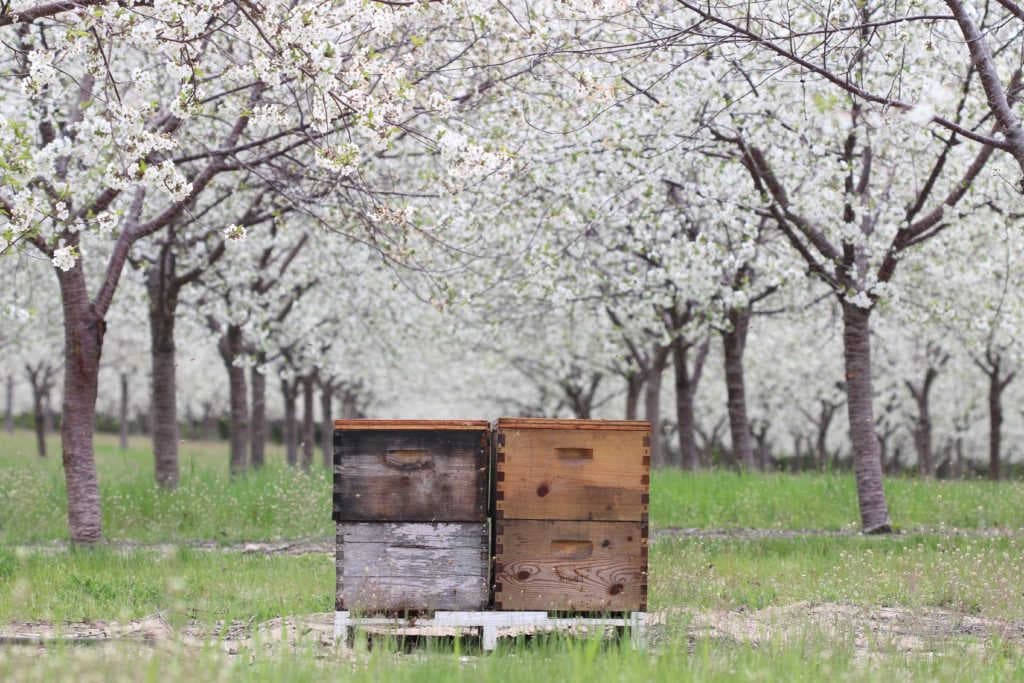
    To the expert eye, the bee is unmistakable, but what really sets it apart is the hive, its organisation and life cycle. The honey bee builds a nest made of wax honeycombs that not only accommodate the new brood, but also allows for the storage of supplies to enable the hive to survive the winter unscathed. The hive is therefore not abandoned with the arrival of the bad season, but is instead prepared in the best possible way in view of the spring resumption. The queen, the only fertile, egg-laying bee, is protected and cared for by the other bees and can live up to five years! The other sterile female bees, the workers, are subdivided according to their tasks and can live from 30 to 180 days depending on the season. The males, called drones, are bred in the spring and begin to decline in the summer, until they are driven out in the autumn to avoid over-consumption of the hive's winter stocks.
    The beehive
    XNatura

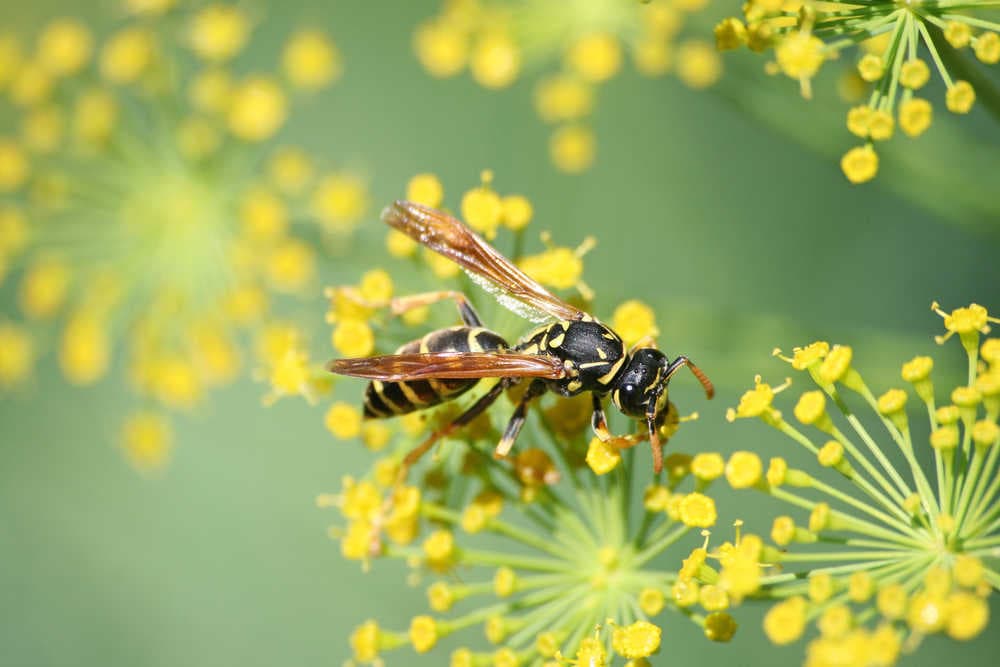
    2. The wasp: characteristics and role

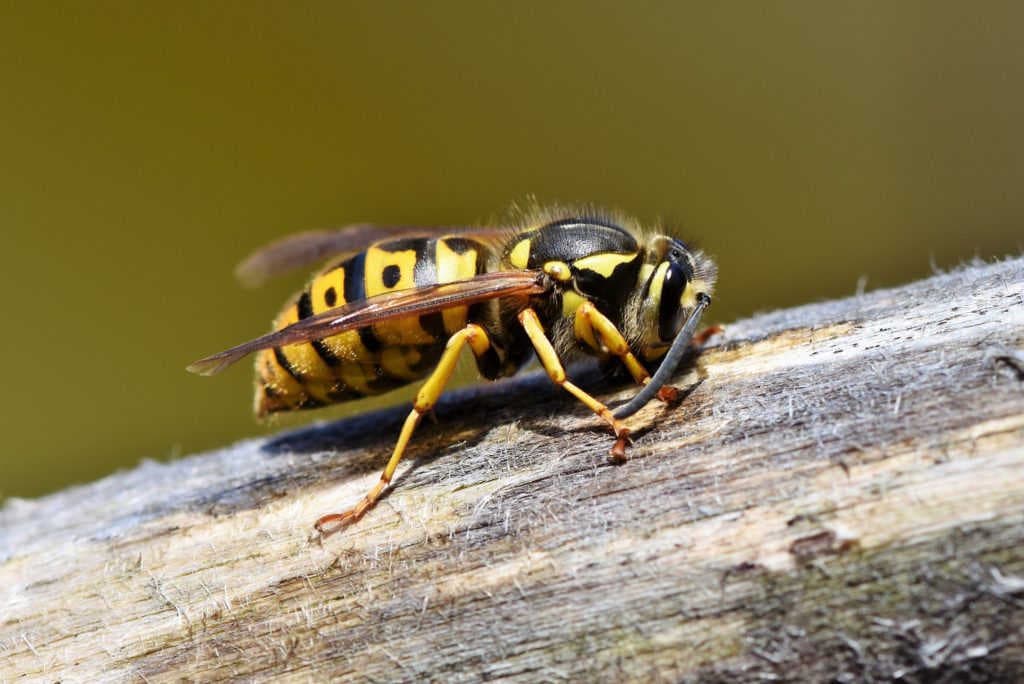
    Wasps are yellow and black in colour and have a more tapered, pedunculated abdomen. They are social insects, consisting of sterile females, workers, and one or more fertile females, called queens. As with bees, the male also appears in the wasp world during the breeding season. Wasps' nests are very special, they look like they are made of cardboard and are made using wood and saliva. Wasps usually make their nests near branches or cavities, underground, but very often also near attics, verandas and other locations close to human life.
    2. The wasp: characteristics and role

    How do wasps feed?

    Wasps go in search of flower nectar, but unlike bees, they also feed on small insects. The most feared by humans is the female, as it is equipped with a poisonous stinger or sting that is only used in case of defence. A wasp sting is quite painful and, above all, can lead to allergic reactions. If stung, it is best to check for strange swellings and reactions. Wasps are instrumental in the pollination of flowers and plants, but they are also responsible for containing the number of pests and insect pests they feed on. They are often only remembered for their repeated stings on humans because, unlike bees, they can sting several times without losing their sting and, therefore, without dying after the first attack. Wasps, like most insects, sting in defence, so the advice, if you find yourself near a nest, is not to agitate yourself, not to chase them away with your hands, but simply to move away.

    How do wasps feed?
    XNatura

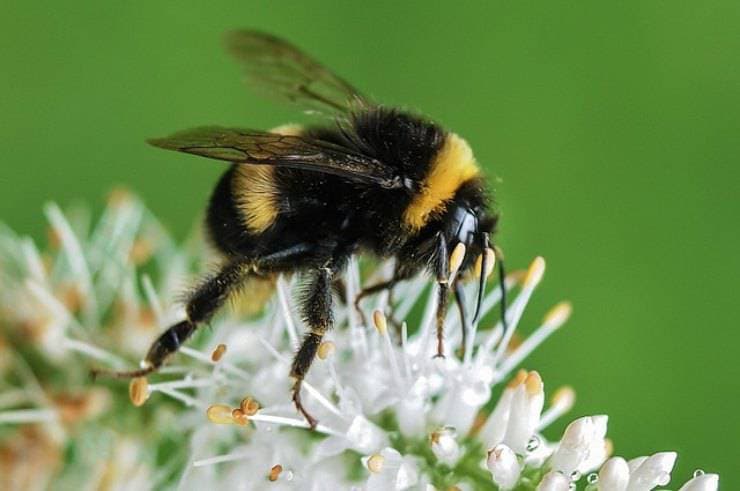
    3. The Bumblebee: characteristics and behaviour

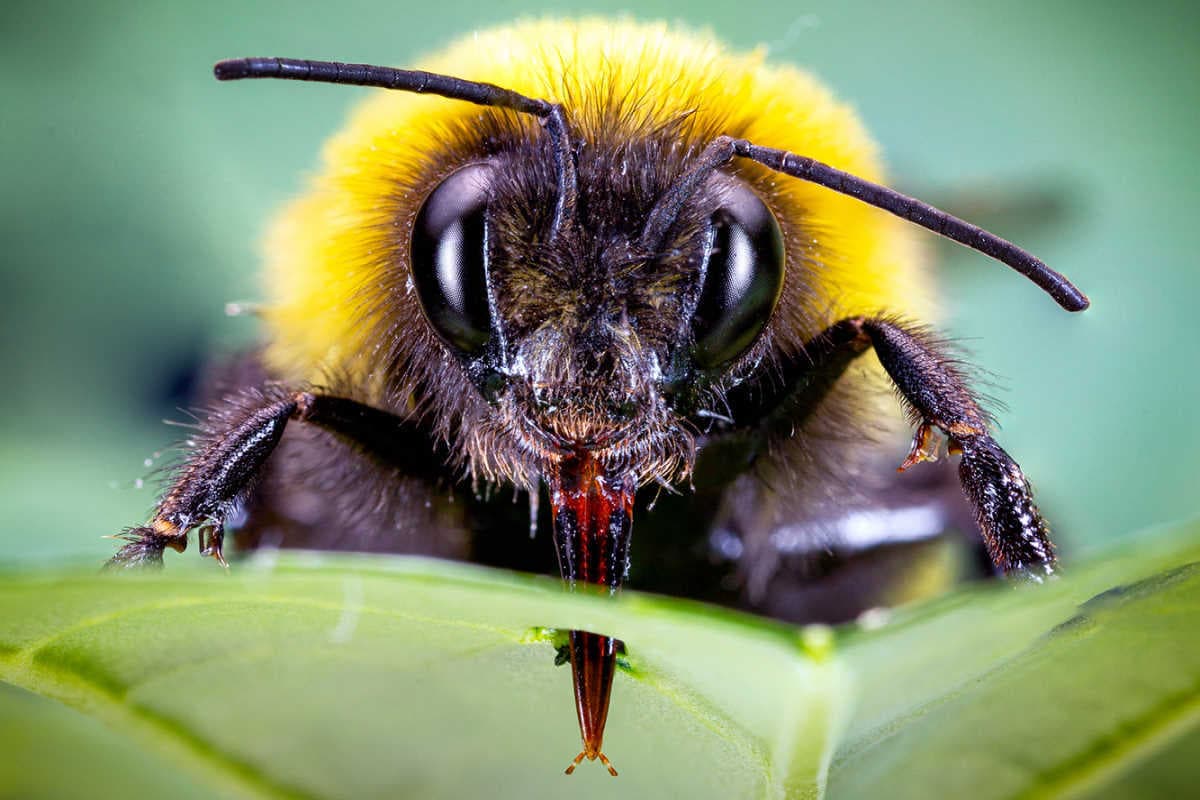
    The most plump and friendly insect? The bumblebee, of course! But let's take a look at its characteristics and behaviour. The bumblebee is larger than the bee and has characteristic hair distributed all over its body, with stripes of yellow and black hairs. Bumblebees also have a sting, but are much less aggressive than other insects and only sting in defence. Unlike bees, the sting of bumblebees does not have hooked tracts and this allows the insect to sting several times without losing its life. They feed on nectar and pollen from flowers and, like bees, stock up on pollen and then deposit it in the hive to feed the brood.

    3. The Bumblebee: characteristics and behaviour
    3Bee

    The life of the bumblebee

    The life cycle of the bumblebee is quite different from that of bees. In the winter period, only the fertile females survive, seeking safe shelter while awaiting the arrival of fine weather. In spring, the 'queens' take care of the founding of a new colony. Laying their first eggs, they give birth to the workers who will assist them in building the nest cells and collect nectar and pollen. In mid-summer, the first females capable of reproducing will be born. It is they who will lay the unfertilised eggs from which the males will be born, destined to mate in order to allow the life cycle of these insects to continue. The nest, often built in cavities, is therefore not used for stocking, but is often abandoned at the end of the warm season. The colony is also much smaller than that of honeybees, numbering a maximum of 300 individuals.

    The life of the bumblebee

    4. The hornet: characteristics and differences

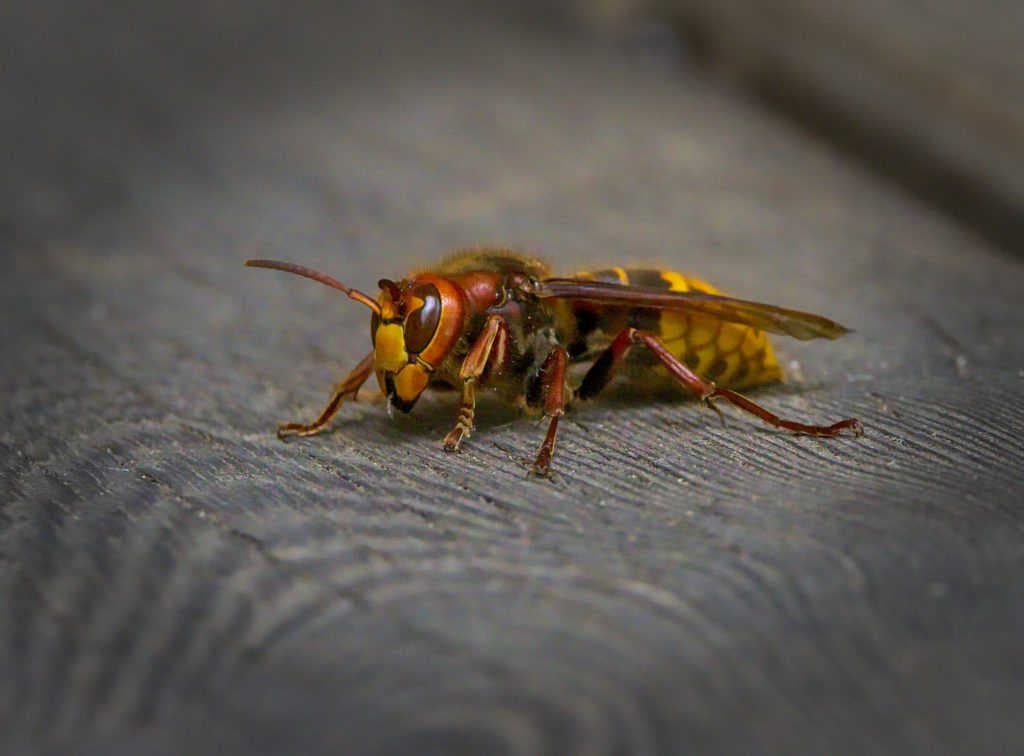
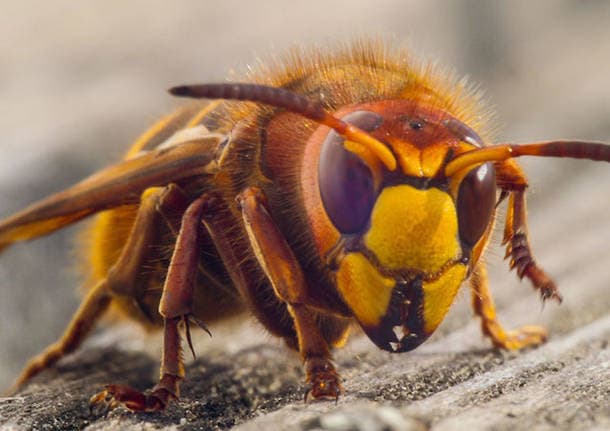
    The cradle wasp or also Cradle wasp is a hymenoptera belonging to the family Vespidae. In appearance it has two long antennae and a truncated abdomen at the front, as if divided. You can easily distinguish it by its yellow-orange colour with some reddish spots and its larger size compared to bees and wasps. The bumblebee's diet includes bees, as well as feeding on ripe fruit and other insects. Be careful to distinguish between the common hornet (Vespa crabro) and the Asian hornet (Vespa velutina). The latter is a real nightmare for beekeepers and their bees. here we explain why it is so dangerous.

    4. The hornet: characteristics and differences

    Diet and habits of the bumblebee

    Hornets are not in the habit of stockpiling food, like bees, so they feed on bees and sometimes even steal honey. The bumblebee sting is very dangerous and of persistent pain and, like the sting of all hymenoptera, can generate anaphylactic shock in individuals allergic to the venom. The bumblebee also has an annual life cycle. In spring, thefertile queen that survived the winter reactivates to establish a new colony. After building the first cells, she lays eggs and tends them until new bumblebees emerge. In late summer, fertile females and, later, male specimens are born, ready to mate and thus allow new fertile queens to find shelter for the winter while waiting for spring.
    Diet and habits of the bumblebee

    Adopt a 3Bee hive and protect bees

    Now you can no longer mess around and you know recognise bees, bumblebees, wasps and hornets. Not only do you know how to recognise them, but you know how important they are for the entire ecosystem. What can we do to save bees? Adopt a 3Bee hive! By adopting a hive you not only protect the bees, but also support the beekeepers who take care of their bees every day. You will be able to monitor the health of the bees directly from your smartphone and enjoy a 100% artisanal and genuine honey at the end of the season.
    Adopt a 3Bee hive and protect bees
    10/09/2021Of 3Bee, Elena Fraccaro
    5534 Views
    Newsletter
    newsletter
    Subscribe to the Blog about bees and biodiversity