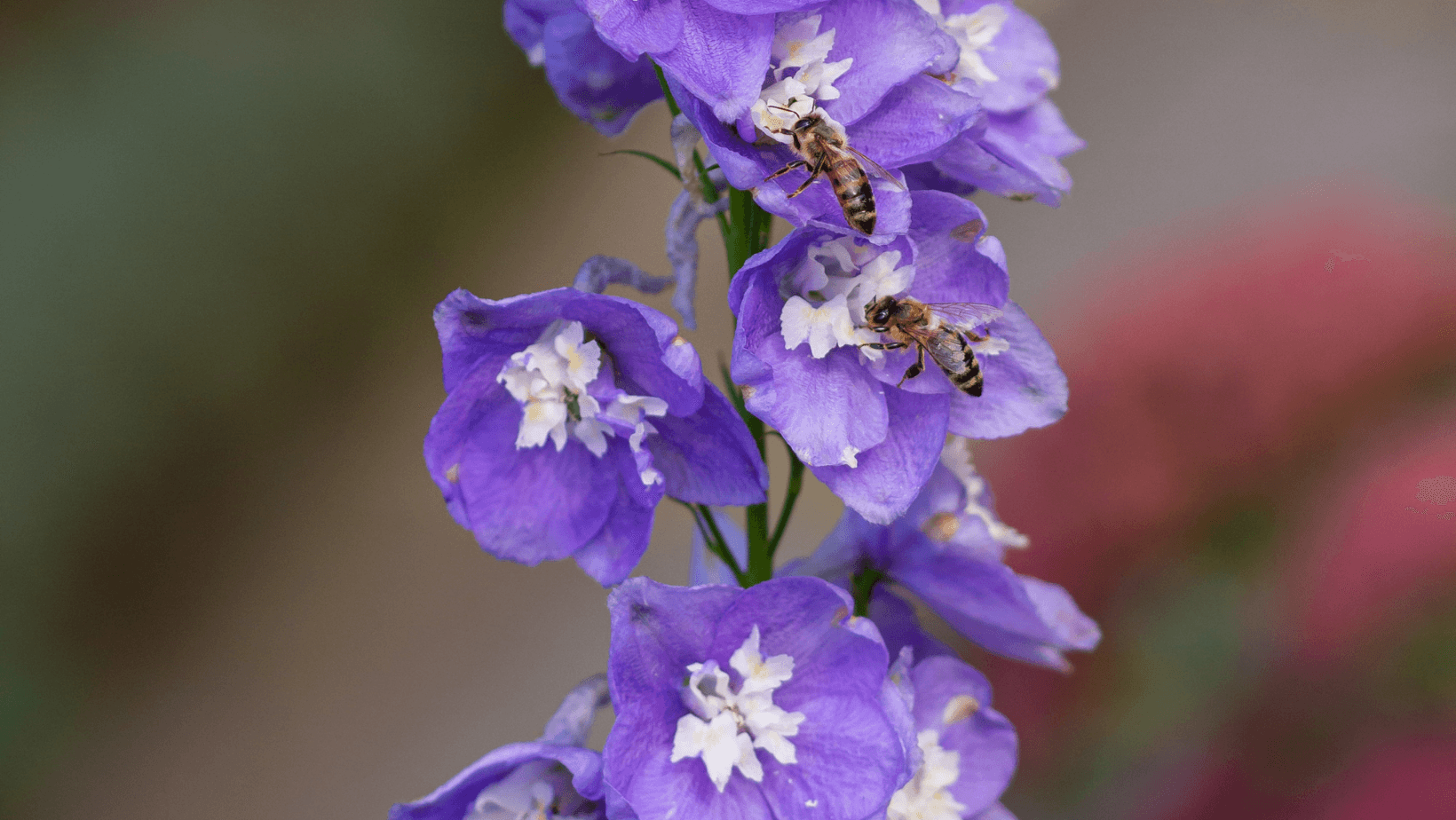
Who Says He <clr>Saves Bees</clr> Does He Really Save Them?
    PollinatorsThreatsDeclinoInitiatives

    Who Says He Saves Bees Does He Really Save Them?

    In recent years, one of the issues that has been gaining in prominence is the dangers affecting pollinators. There is a lot of talk about saving bees, but is anything really being done to help them?

    Read the article
    04/05/2021Of 3Bee, Elena Fraccaro
    409 Views
    04/05/2021Of 3Bee, Elena Fraccaro
    409 Views

    The importance of pollinators

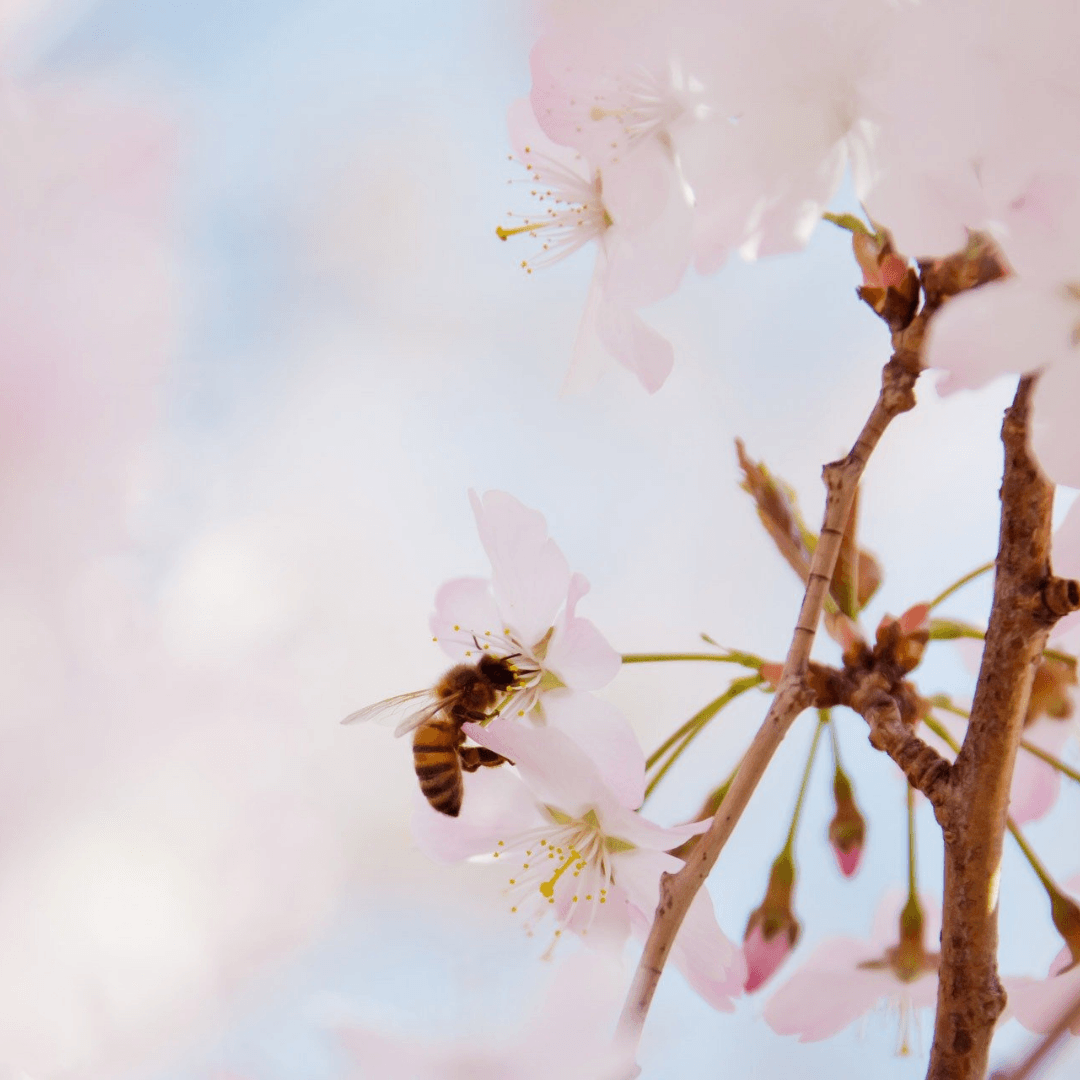
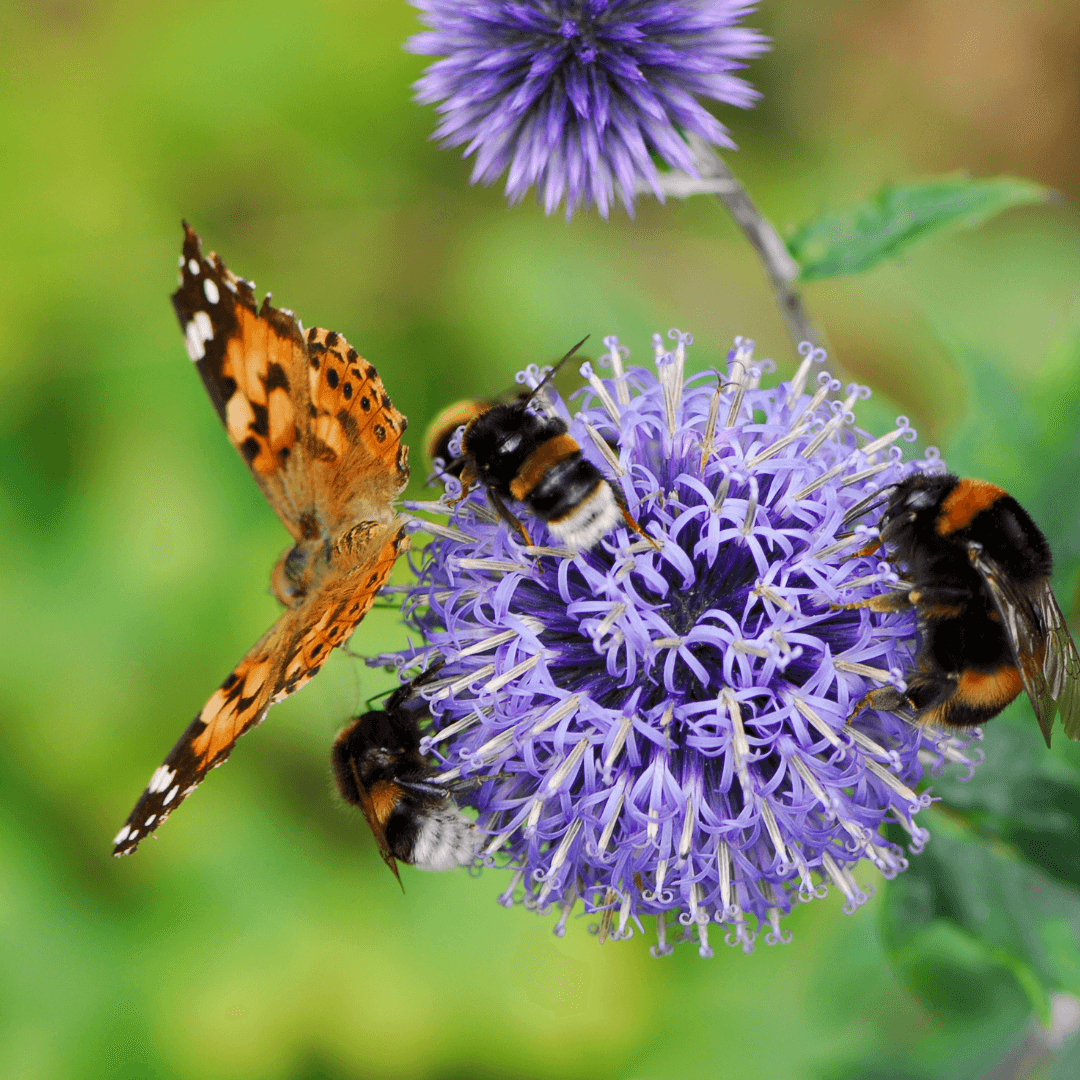
    It has been estimated that, worldwide, more than 1300 types of plants are cultivated for food, drink, medicine, condiments, spices and textiles. Of these, about 75% are pollinated through animal intervention, with solitary bees and honeybees being among the most effective insects for performing this task. It is assumed, in fact, that their contribution accounts for about 80% of entomophilous pollination. In addition to crops, let us remember that about 90% of wild plants are strictly dependent on the pollination activity of these insects. A well-pollinated flower will contain more seeds that have a greater capacity to germinate. This will lead to more and better quality fruit. In addition, more efficient pollination can reduce the time between flowering and fruiting.
    The importance of pollinators

    Threats to their survival

    The importance of these insects is therefore paramount, but unfortunately they are all going through a very difficult time. The main threats to their well-being are climate change, the abuse of pesticides in agriculture, the progressive depletion of natural habitats, but also pests and diseases. These factors not only have a direct impact on the bee's health, but also on the environment in which they seek nectar and pollen, their main sources of nutrition. What lies ahead is a profoundly inhospitable world for these precious insects.

    Threats to their survival
    XNatura

    Protecting bees: is it necessary?

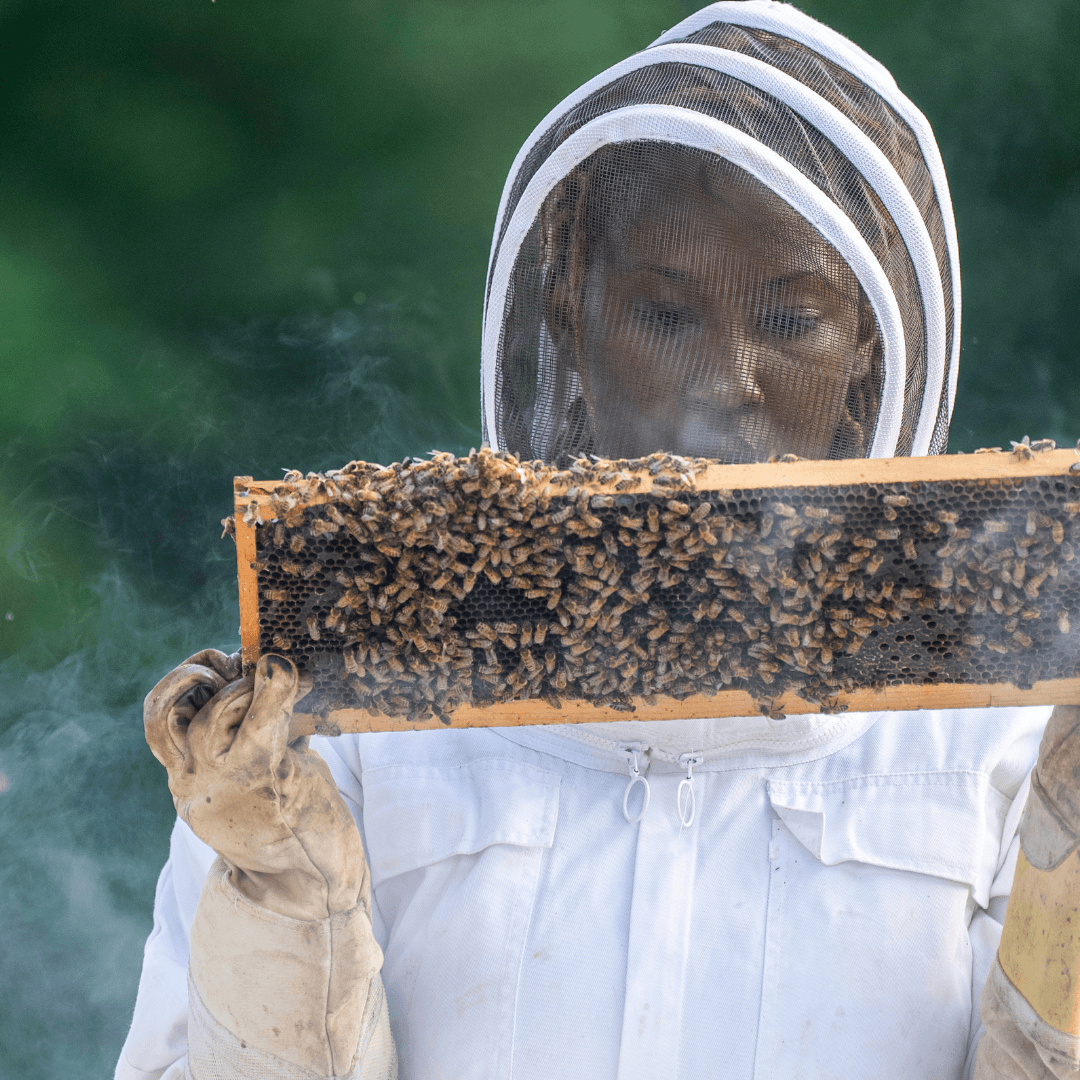
    Yes, but how? Let's not focus on honeybees, which are the best known and the main focus of many initiatives. Alert Greenwashing!. We certainly won't find the honey bee on the EU's red list of endangered pollinator species. The very famous Potts study, published in 2010, spoke of a steady decline in the number of colonies over the past years, closely linked to the decline in the number of beekeepers tending them. What this study seems to suggest is the very close link between honey bee survival and the presence of beekeepers. This leads us to understand two things: 1) we must not increase the number of honey bees without logic, but develop services to analyse the territory and maintain the number of colonies only where necessary for pollination, which would otherwise be deficient. 2) Initiatives to protect bees must be based primarily on the protection of biodiversity and their monitoring.

    Protecting bees: is it necessary?

    Initiatives to protect bees

    The growing concern for pollinators, such as bees, is vital for our survival and that of the planet. However, some initiatives claiming to save bees may not be genuine, exploiting their image to sell gadgets or honey. When evaluating initiatives, consider: Do not increase urban hives: Urban beekeeping can harm biodiversity. It is better to focus on the restoration of natural bee habitats.
    Avoid unnecessary gadgets: Initiatives must support projects for the protection of bees and biodiversity, not promote gadgets.
    Do not adopt hives just for honey: Honey is precious! Initiatives must educate about the importance of bees and the need to protect them.
    In summary, pro-bee initiatives should aim to conserve natural habitats, promote sustainable practices and educate.

    Initiatives to protect bees
    XNatura

    What 3Bee does

    What we at 3Bee intend to do is precisely to help biodiversity!

    1. Monitor honey bees in real time, analysing their pollination, mortality and managing their numbers and health.
    2. Real-time monitoring of apoids and 2500 other types of pollinators that emit sounds in the 150hz and 1500hz range, with the aim of studying population growth.
    3.Protect pollinator habitats by building Europe's largest ecological corridor.
    Converting beekeepers into cultivators of biodiversity, thus keeping them guardians of the environment.
    4. Regenerate biodiversity-depleted soils in urban, farm and agricultural settings.

    In summary, bee-friendly initiatives must be guided by a careful assessment of habitat needs, knowledge and study of natural limits, and recognise the importance of all pollinators.

    What 3Bee does
    3Bee

    What 3Bee does not do

    We urge bee protection initiatives to follow these guidelines for a more responsible and sustainable approach:
    1. Evaluate habitat before increasing hives: Do not increase the number of honey bee hives without a habitat analysis. Intervene only in case of pollination problems or species reduction. In cities, this is rarely necessary.
    . 2. Respect natural limits for honey production: Do not adopt hives with the aim of selling more honey. Limit the amount of honey according to the nectar capacity per hectare in your area.
    3. Avoid selling useless gadgets: Do not exploit the image of bees to promote the sale of gadgets that do not contribute to their protection.
    4. Recognise the diversity of pollinators: Do not forget that there are more than 2500 species of pollinators, each with specific needs and an important role in the ecosystem.

    04/05/2021Of 3Bee, Elena Fraccaro
    409 Views
    Newsletter
    newsletter
    Subscribe to the Blog about bees and biodiversity