Predation in the animal kingdom: who are the superpredators?
    PredatorsPredationAdaptationSuperpredators

    Predation in the animal kingdom: who are the superpredators?

    Predators are more than hunters: they are natural regulators of ecosystems, essential for maintaining the balance and biodiversity of our planet. Their survival ensures the control of prey populations, preventing damage to natural habitats.

    Read the article
    18/12/2024Of 3Bee, Chiara Pertile
    1239 Views
    18/12/2024Of 3Bee, Chiara Pertile
    1239 Views

    The role of predators in evolution

    Disclaimer: this is an automated translation from Italian. Go to the original article.

    Predatory animals are protagonists of one of the most fascinating and complex ecological interactions developed by evolution. Predation, although often reduced to the simple idea of killing a prey, actually represents one of the main drivers of selection in evolution: both prey and predators are involved in a relentless race for adaptation, each in response to the other, to ensure their survival. These intense mutual selection pressures are so significant that they give rise, in many cases, to a phenomenon of true coevolution between prey and predators. This continuous 'back and forth' has led to the emergence of incredible life strategies, such as the camouflage of chameleons, the extraordinary speed of cheetahs, or the complex cooperative hunting techniques of orcas.
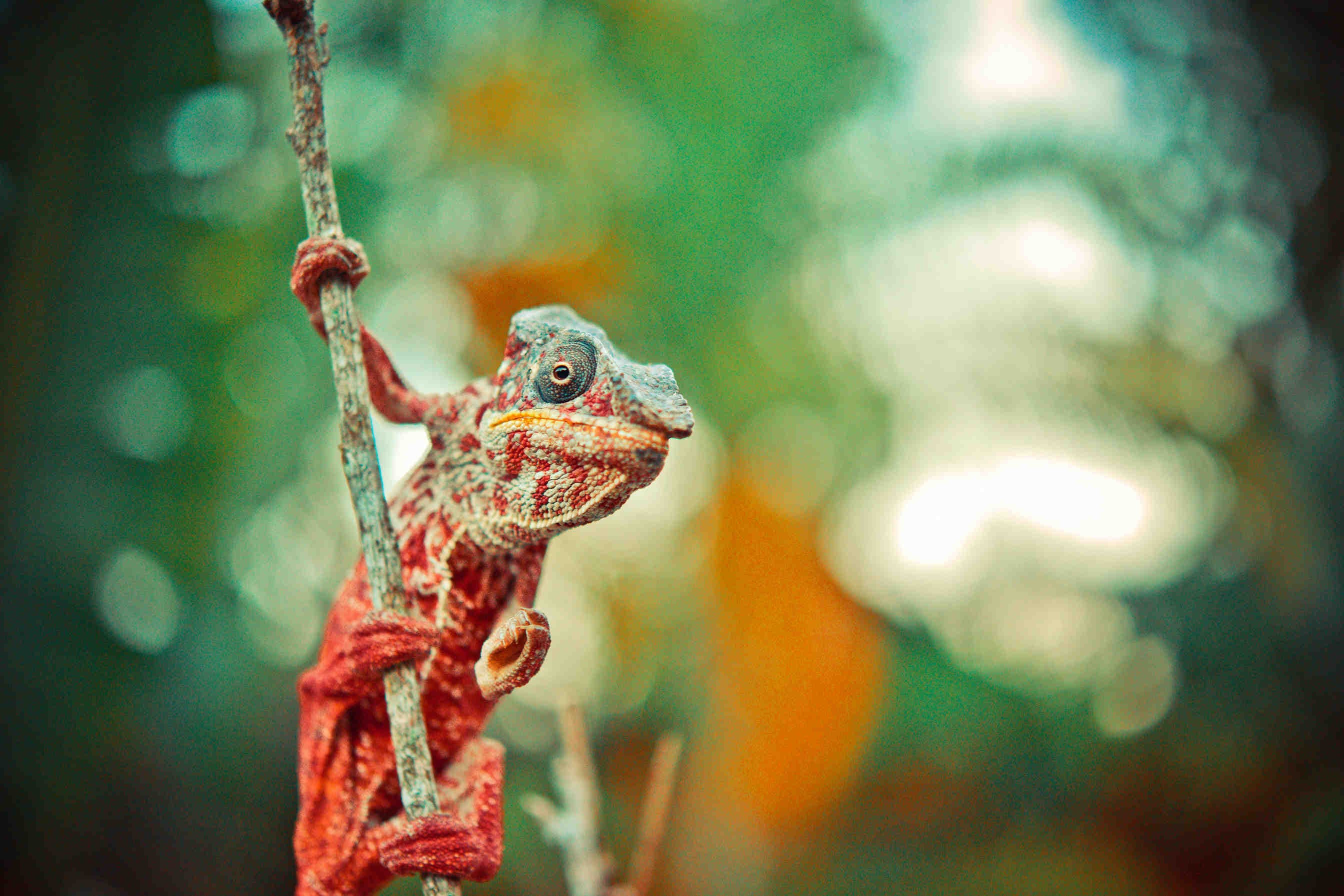
    camaleonte mimetismo

    What is predation?

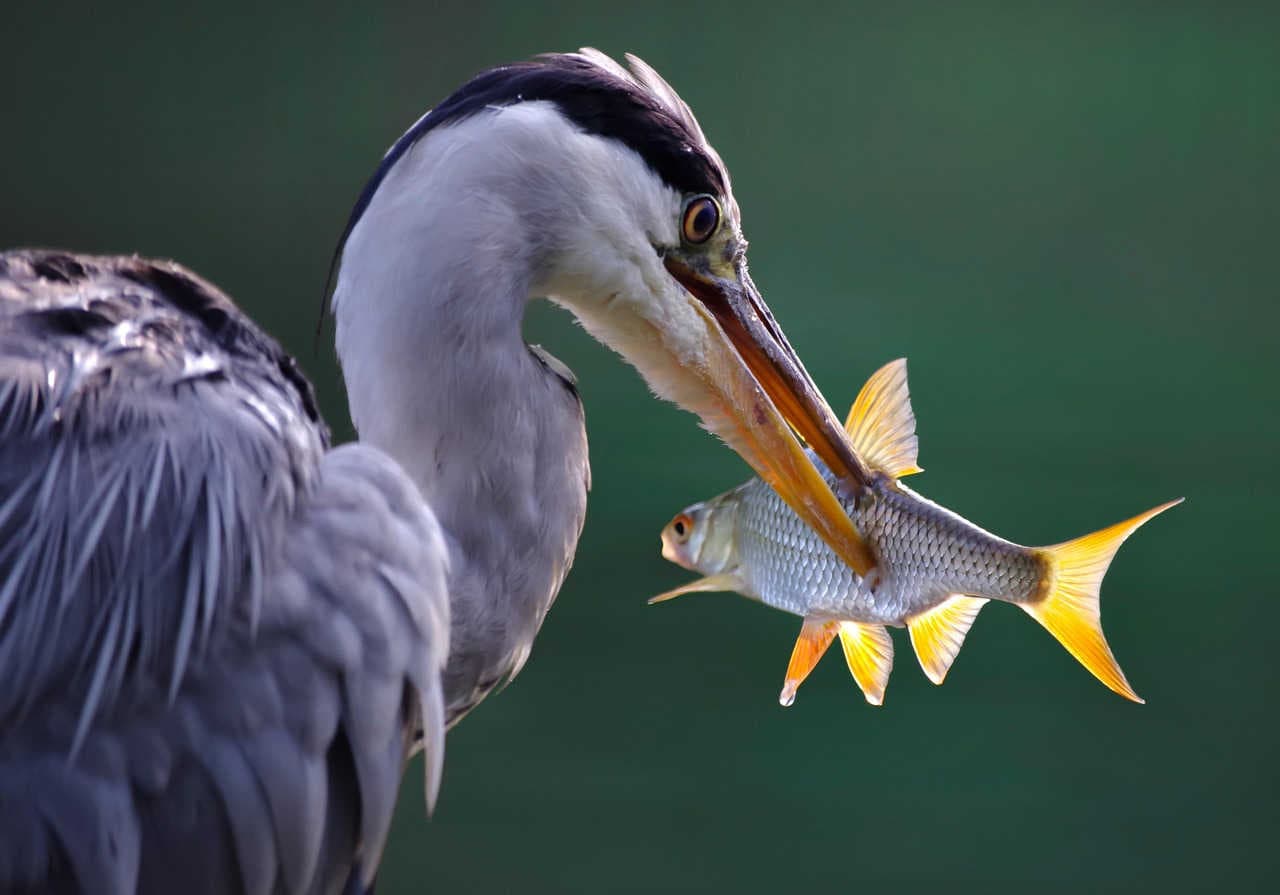
    Predation is a complex ecological dynamic that involves the detection, capture, and killing of prey. Although it has some similarities with other interactions, such as those between herbivores and plants or between parasites and hosts, classical predation is distinguished by the use of highly sophisticated evolutionary techniques. Predators adopt two main approaches in searching for prey: some, like spiders, remain in ambush by camouflaging themselves in dens or traps; others move actively, covering long distances. Once the prey is detected, predators carefully evaluate costs, benefits, risks, and conditions, especially when it comes to large and reactive prey, such as mammals or birds. Finally, the capture phase is based on two main strategies: the ambush, which exploits surprise and camouflage to catch the prey off guard, and active chasing, a tactic that requires high energy expenditure and extraordinary physical skills.

    airone caccia
    XNatura

    Adaptations of predators

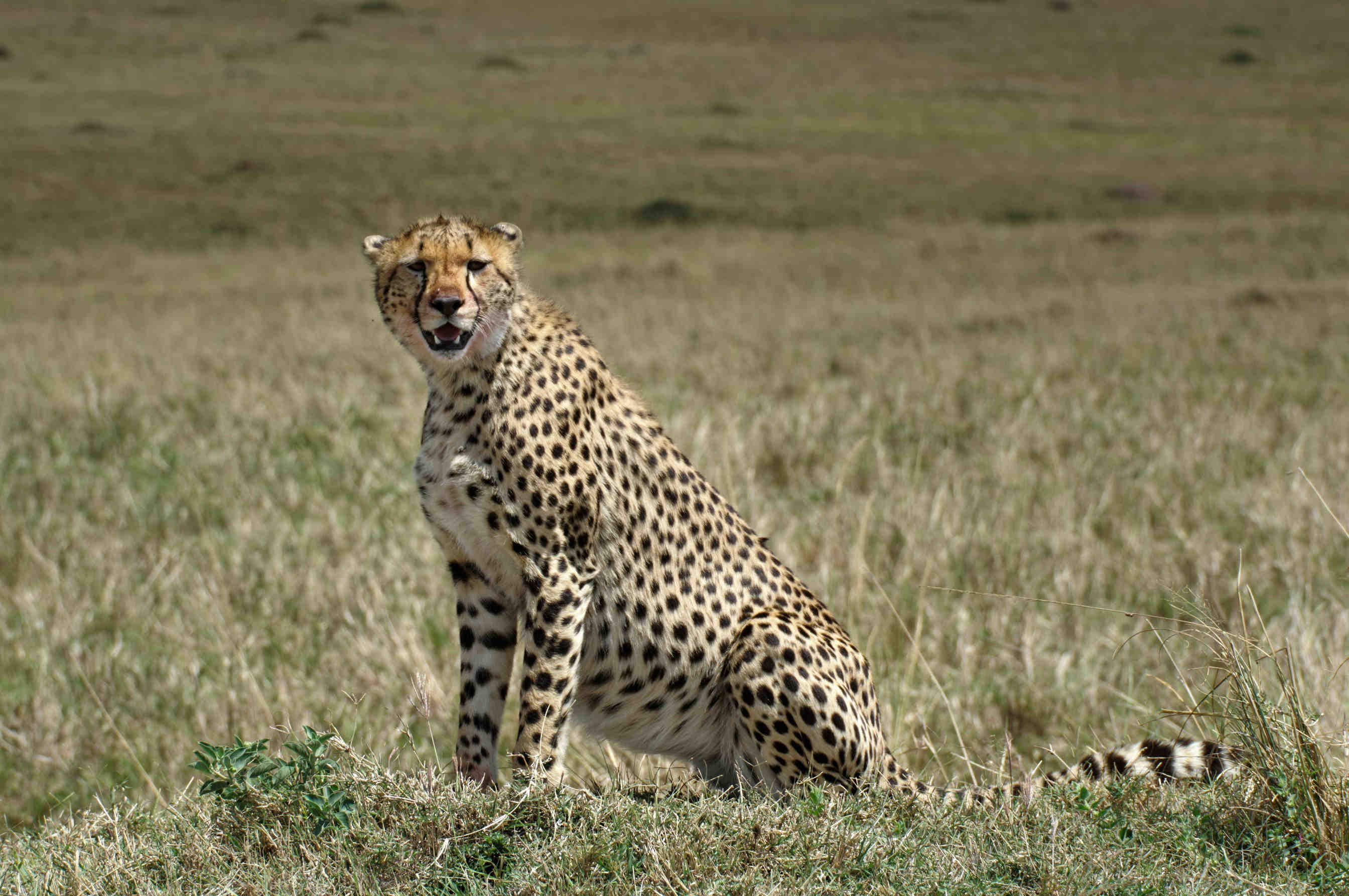
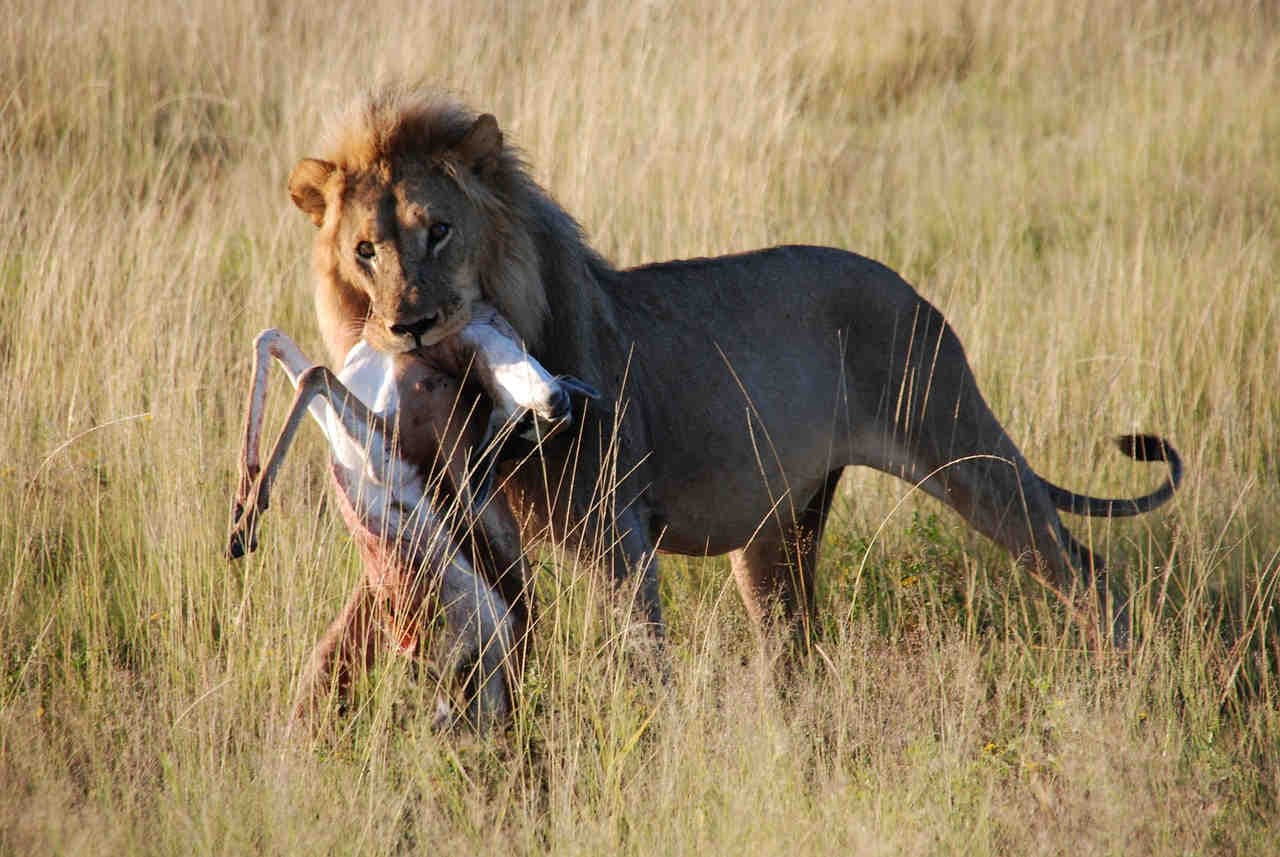
    Evolution has equipped predators with incredible physical, behavioral, and physiological adaptations, perfecting their hunting abilities. Many have developed extremely acute senses, such as sight, hearing, or smell, to detect prey more efficiently. Carnivorous mammals and raptors possess lethal jaws, teeth, beaks, and claws, while felines and birds like the cheetah and peregrine falcon rely on impressive speed and agility, reaching 120 and 300 km/h, respectively. Others, like bats and cetaceans, use echolocation to detect prey through sound, or employ poisons and electric shocks, such as spiders, snakes, and electric eels, to neutralize prey. Predators also distinguish themselves by their hunting habits: some operate solo, while others, like lions, orcas, and wolves, adopt group strategies, demonstrating great social skill in coordinating to hunt prey larger than themselves.

    tigre

    Who are the superpredators

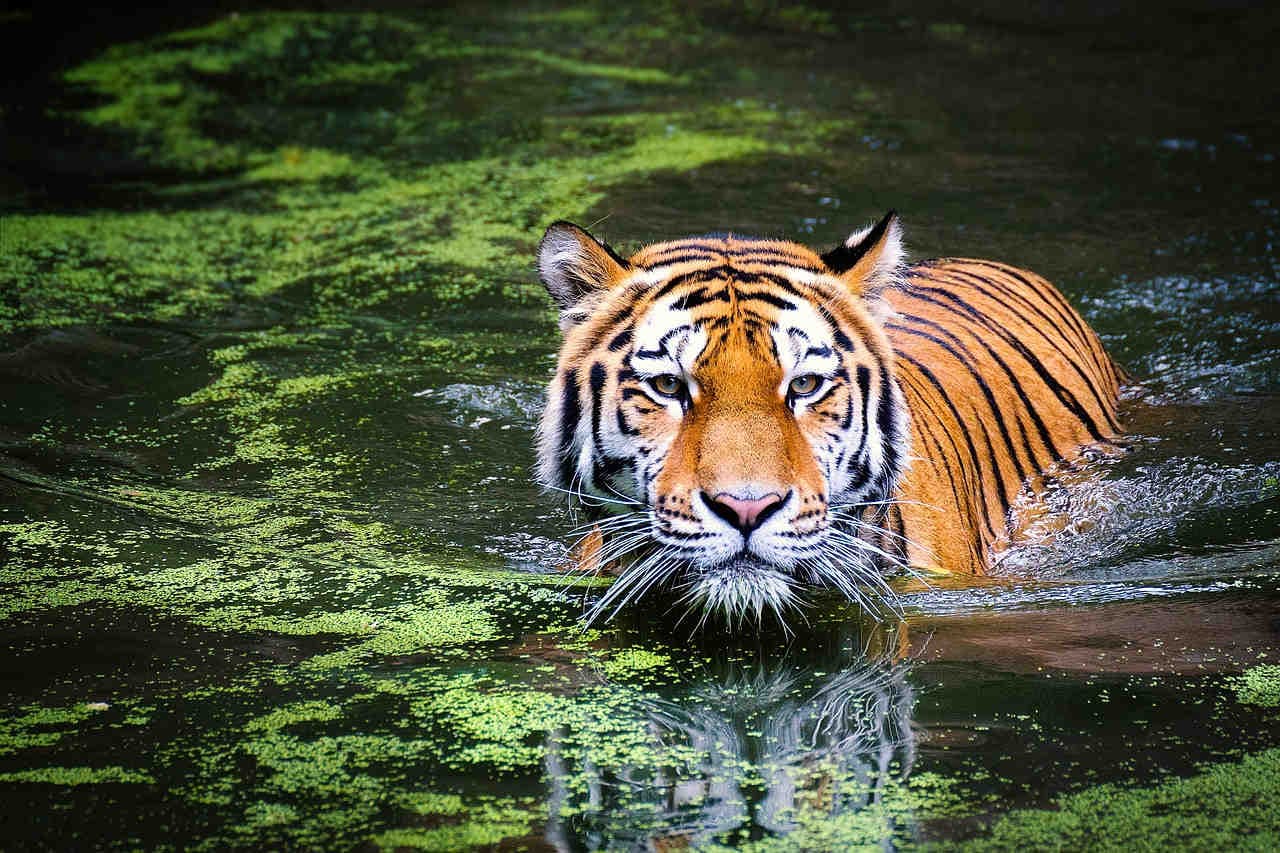
    Not all predators occupy the same level of the food pyramid: superpredators, or apex predators, are at the top and are theoretically free from natural enemies. This category includes mammals such as bears, wolves, and large felines like lynxes, lions, and tigers, as well as large reptiles like crocodiles, birds of prey, and marine predators like orcas. Superpredators dominate the trophic chains of the ecosystems in which they live, providing an extremely important ecosystem service: through their hunting activities, they regulate prey populations and influence species behavior. However, these balances are constantly in danger: all superpredators are threatened by one species, humans – or paraphrasing David Quammen, the true 'alpha predator' – which has constantly jeopardized the survival of many of these creatures.

    ghepardo
    XNatura

    The ecological role of superpredators

    Predators, and in particular superpredators, play a very important role in maintaining ecological balances. By feeding on herbivores and other animals, they control their populations, promoting the ecological health of habitats. Their presence also helps limit the spread of diseases, since they often prey on old or sick individuals, and helps prevent the overexploitation of vegetation by herbivores. The removal of superpredators can trigger a trophic cascade, causing significant ecological imbalances: if herbivores grow unchecked, they can compromise vegetation and the functionality of the ecosystem.

    The ecological role of superpredators
    3Bee

    The situation of large carnivores in Europe

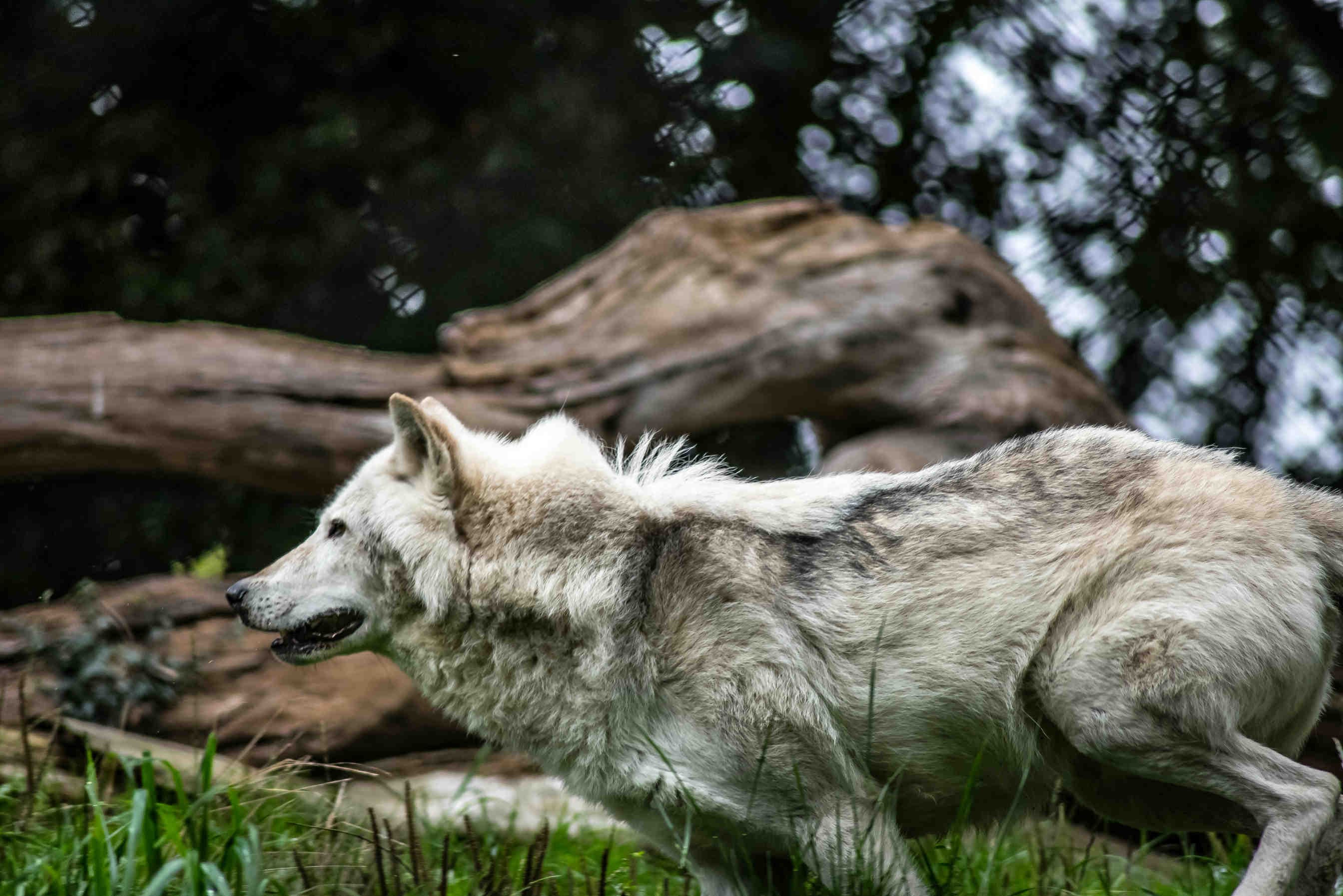
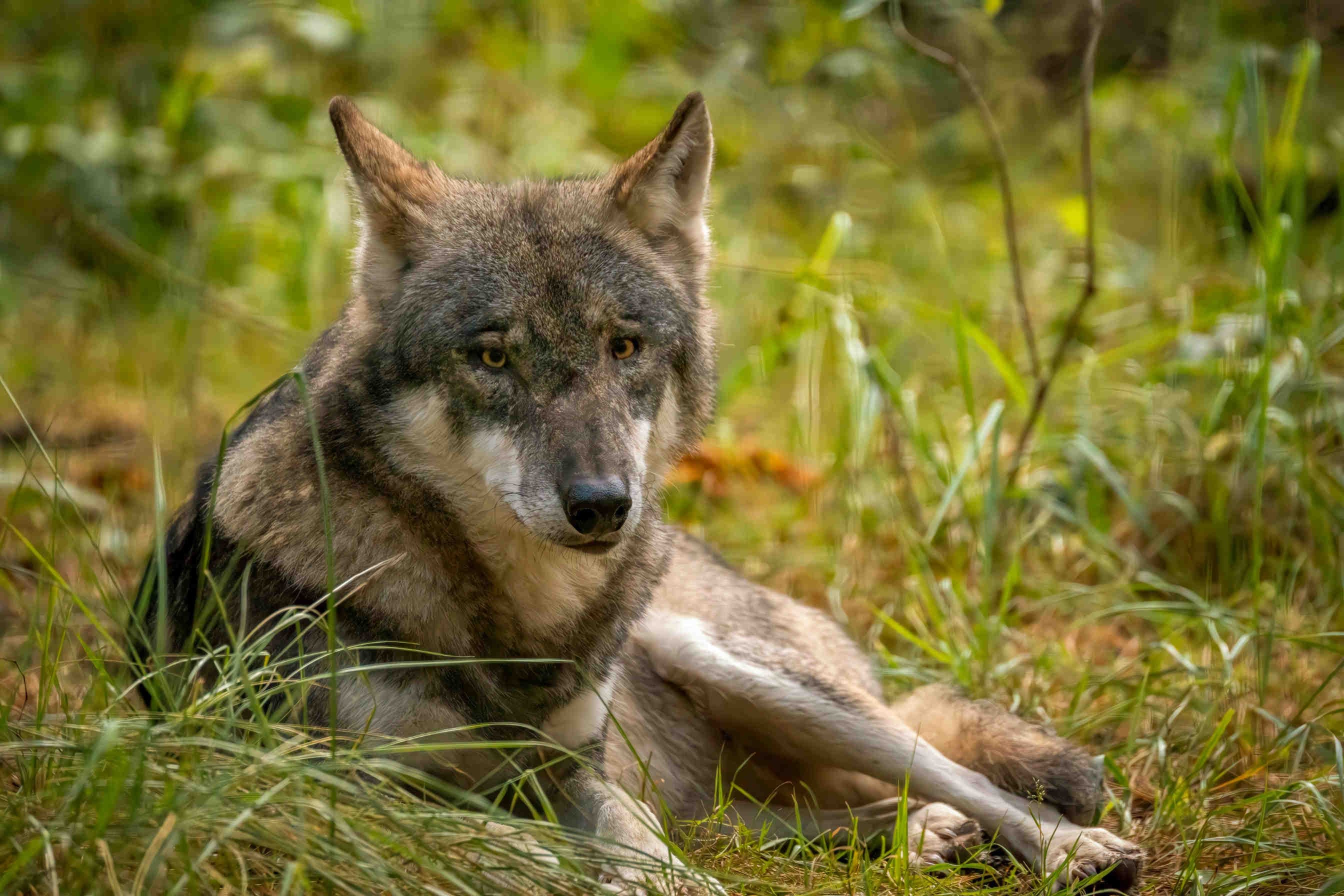
    In the past, human activities, both direct and indirect - like selective hunting and habitat destruction - have led to the decline and disappearance of many species of superpredators, especially in Europe. Today, thanks to conservation and repopulation projects, this trend is slowly changing. Targeted protection programs and regulations like the Habitat Directive and the Natura 2000 program have allowed predators like wolves and bears to recover some of their range, with positive effects on ecosystems. However, the expansion of large carnivores raises conflicts, particularly in agricultural areas, where they compete with humans for livestock. Among all, the wolf remains the main target of such tensions. After seeing its numbers grow thanks to protective regulations, the wolf has recently been the subject of a controversial decree downgrading its protection status by the permanent committee of the Bern Convention.

    lupo

    Conservation of biodiversity as a priority

    In this historical moment, it is crucial that political actions are aimed at a global vision, balancing the challenges of coexisting between predators and human activities with the crucial importance these species have for biodiversity and ecosystem stability. Their protection is not only about conserving individual species but also about maintaining balanced trophic networks, essential for the health of the entire planet. Investing in peaceful coexistence between humans and large carnivores, through innovative and sustainable strategies, educational projects, and biodiversity conservation, represents an essential step to ensure a future where humans and nature can thrive together.

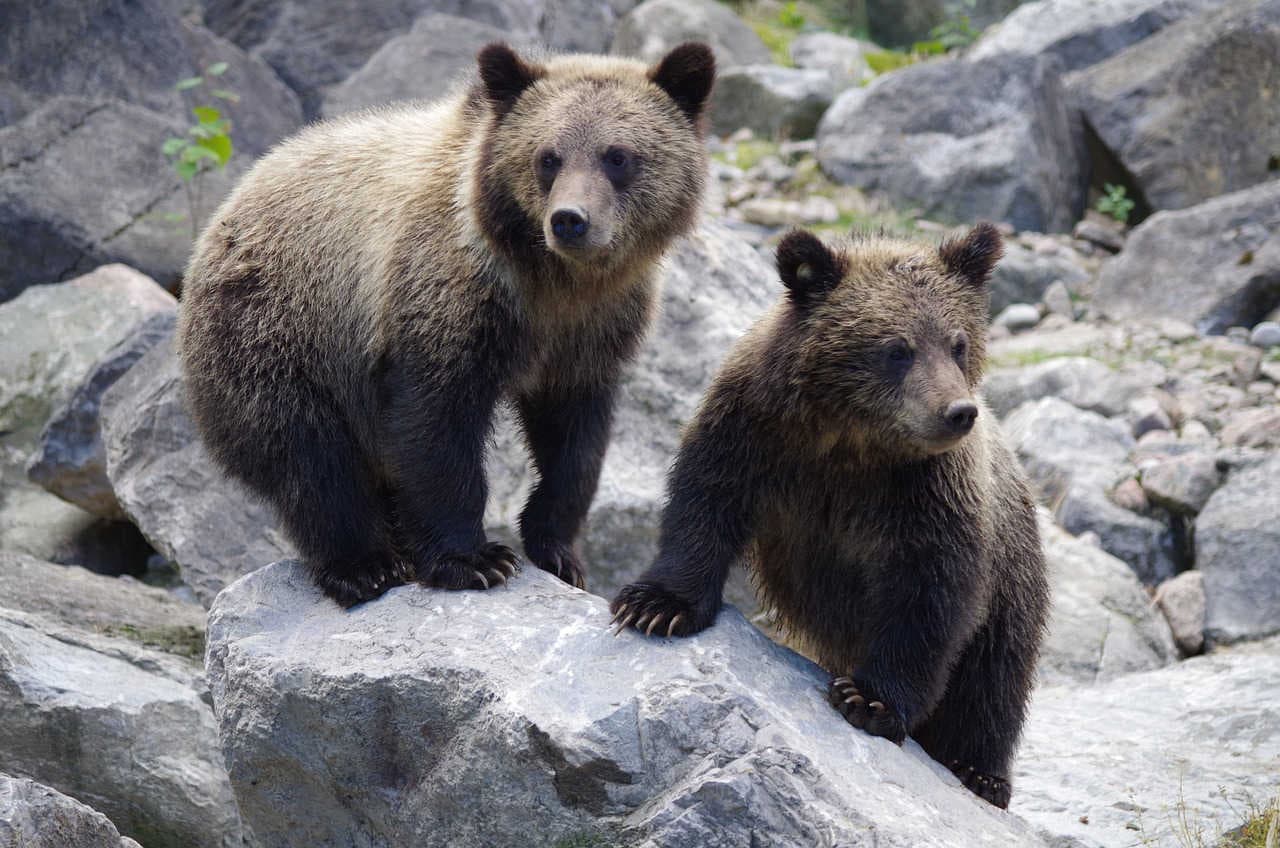
    orsi
    18/12/2024Of 3Bee, Chiara Pertile
    1239 Views
    Newsletter
    newsletter
    Subscribe to the Blog about bees and biodiversity

    Frequently Asked Questions

    Do you have any doubts or other curiosities about this article? Here you will find some insights