Beetles: curiosities and their role as a pollinators
    BeetlesDecompositionPollination3Bee Oases

    Beetles: curiosities and their role as a pollinators

    Beetles, among the most ancient and diverse groups of insects, play essential roles in maintaining ecological balance. From pollination to soil regeneration, these workers are crucial for the health of our ecosystems. Within 3Bee’s Biodiversity Oases, beetles find safe habitats where they can live.

    Read the article
    07/07/2025Of 3Bee, 3Bee
    105 Views
    07/07/2025Of 3Bee, 3Bee
    105 Views

    Beetles: over 360 species in Italy

    Disclaimer: this is an automated translation from Italian. Go to the original article.

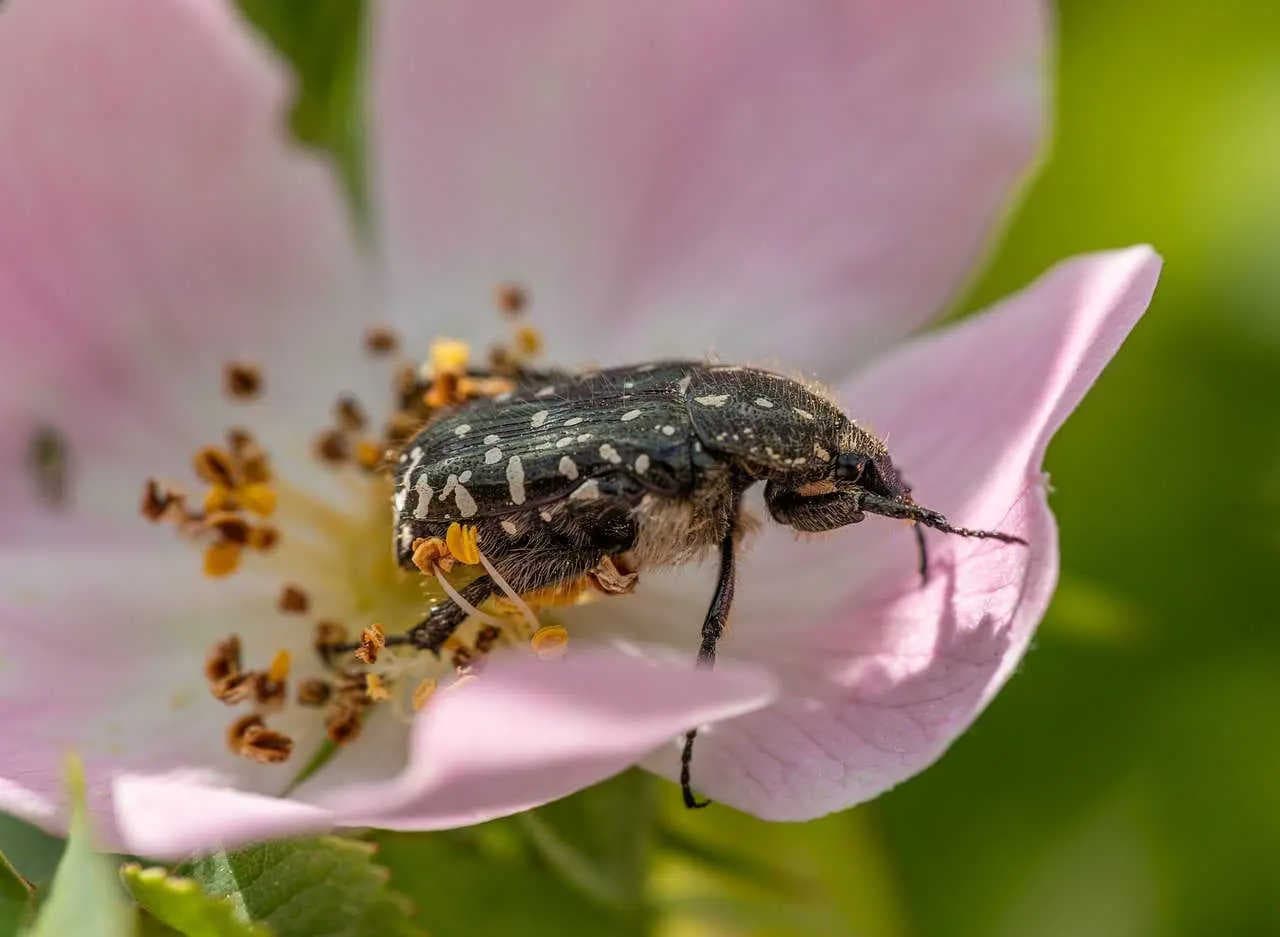
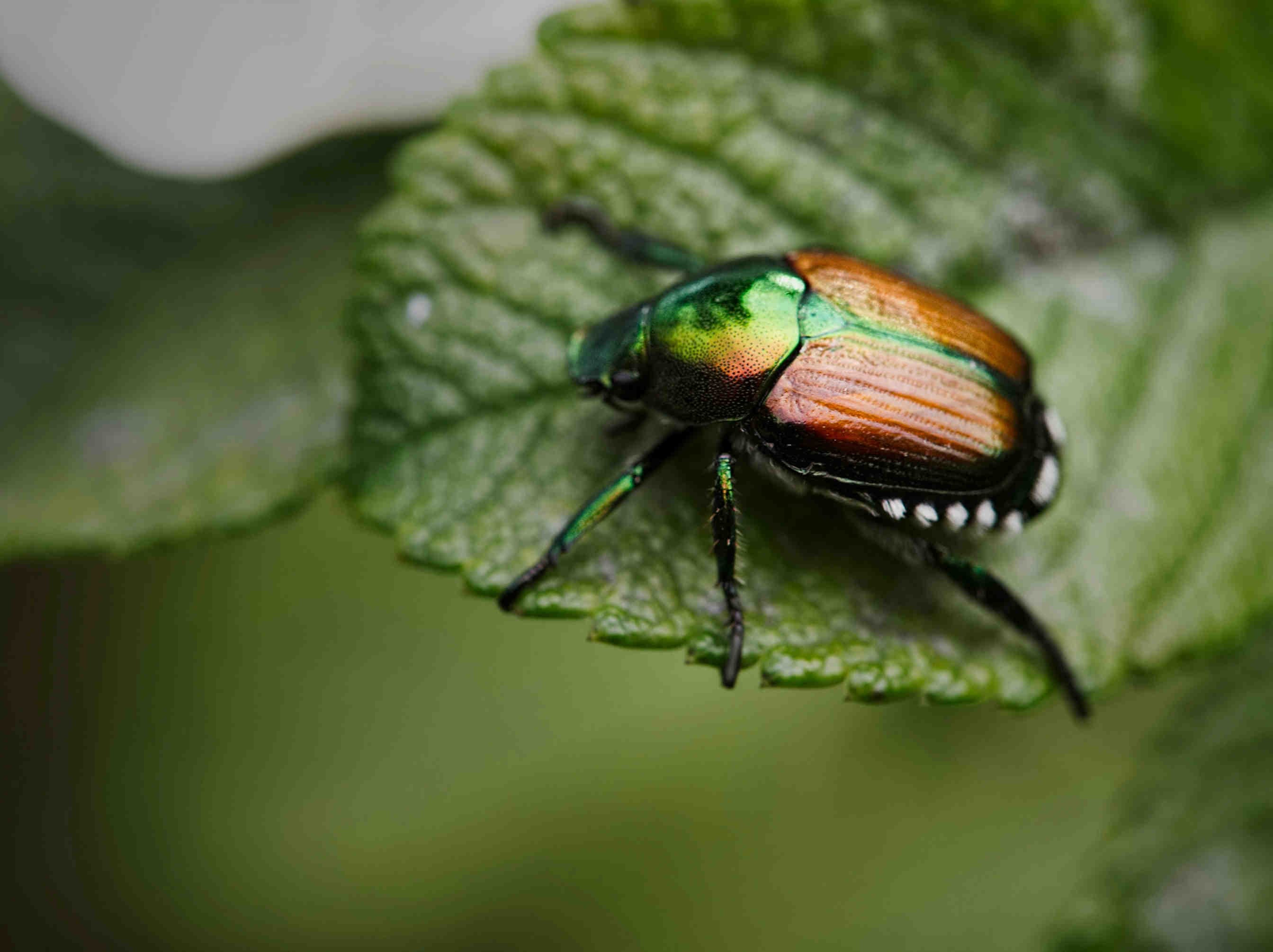
    Beetles, belonging to the order Coleoptera, are among the most numerous and diverse insects on the planet. There are over 360 species in Italy, many of them endemic and linked to specific habitats. From the famous dung beetles, which improve soil fertility by burying organic material, to the flower beetles, silent pollinators that are fundamental to many wild plants. Some species are bioindicators: their presence or absence reveals the health of an ecosystem. The variety of forms and functions makes beetles a key group for the study of biodiversity.
    3bee-blog-scarabei-oltre-360-specie-in-italia

    Beetles and the matter cycle

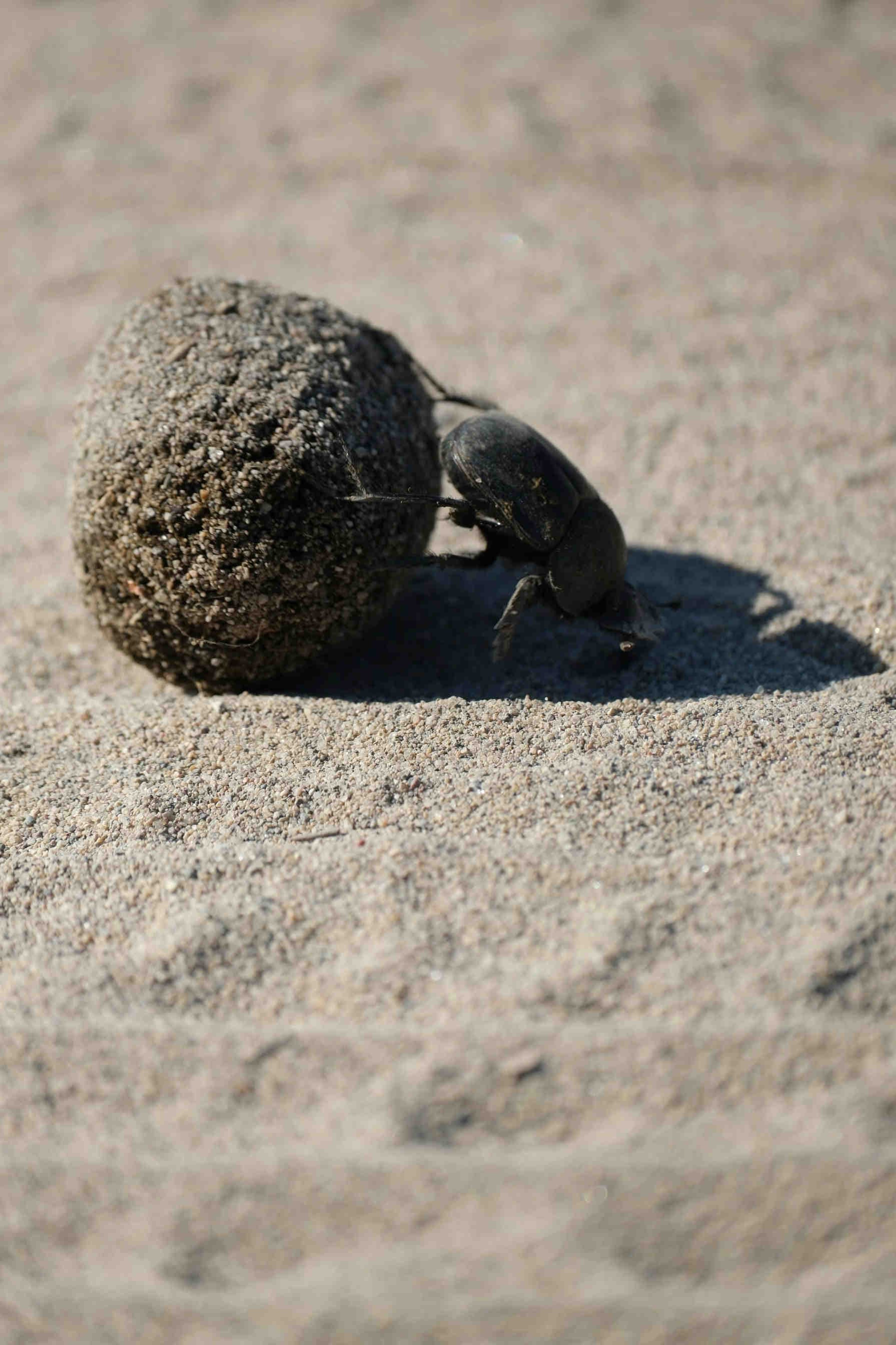
    One of the most valuable ecological functions of beetles is decomposition. Detritivorous species, such as Geotrupes and Onthophagus, do an essential job in recycling organic matter, keeping the nutrient cycle in balance. In agricultural and natural environments, these insects contribute to soil regeneration and seed dispersal. Their activity promotes soil aeration and limits the proliferation of pathogens. An ecosystem service too often underestimated, but crucial for the environmental resilience and productivity of ecosystems.

    3bee-blog-scarabeo-ciclo-materia-organica
    XNatura

    Beetles and pollination: an underestimated role

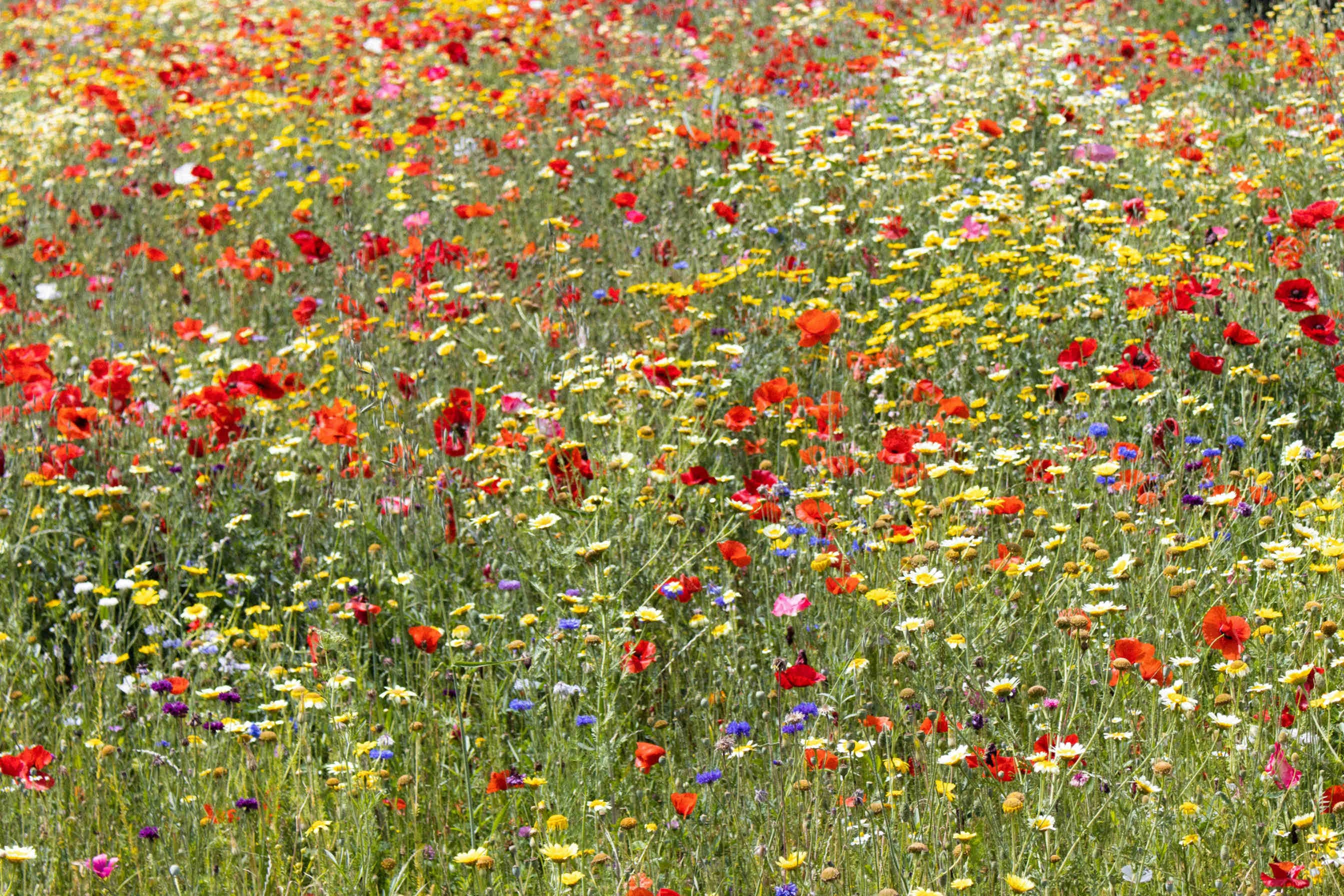
    Many beetles visit flowers to feed on pollen, nectar or petals, and in this process unwittingly transfer pollen grains. Some species, such as Cetonia aurata, are pollinators important for wild and cultivated plants. Although less efficient than bees, pollinator beetles play a key role in biodiversity, especially in environments where classical pollinators are in decline. Favouring these insects is therefore strategic for maintaining resilient systems, especially in regenerated areas through targeted projects such as the Biodiversity Oases of 3Bee.

    3bee-blog-scarabei-impollinazione-un-ruolo-sottovalutato

    Biodiversity Oasis: refuge for insects

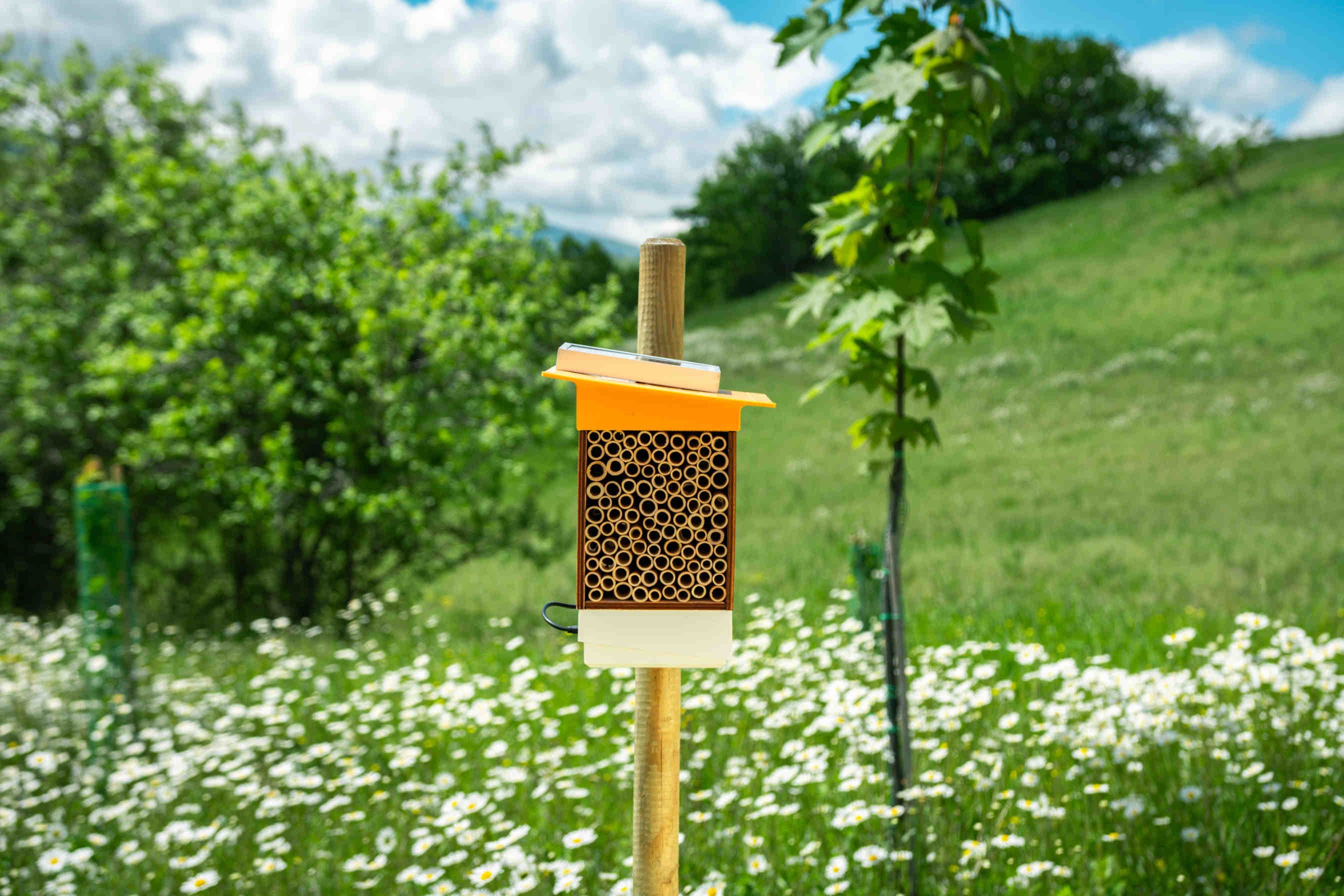
    3Bee's Biodiversity Oases are habitats designed to regenerate ecosystems, host pollinating insects and contribute to the monitoring of the state of biodiversity in the surrounding area. These spaces host not only bees and butterflies, but also beetles such as beetles, which find refuge in dead wood, leaf litter and organic soils. Each oasis is monitored thanks to advanced technologies, such as field sensors and satellite analysis, which guarantee traceability and measurable environmental impact thanks to the dedicated monitoring platform.

    3bee-blog-oasi-della-biodiversita-rifugio-per-insetti
    XNatura

    A replicable model of regeneration

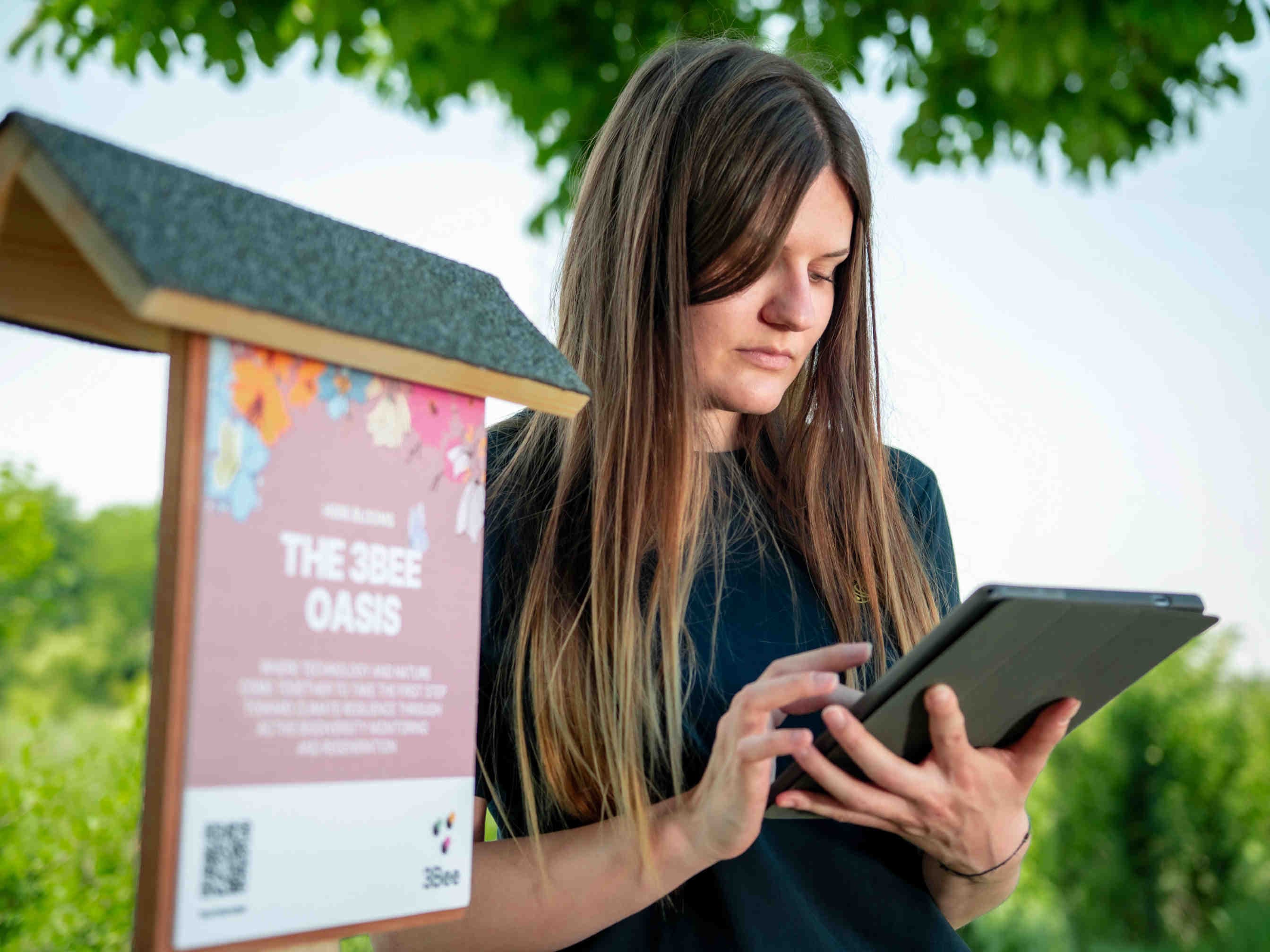
    The Biodiversity Oases of 3Bee represent a replicable model of biodiversity regeneration, capable of adapting to agricultural, urban and industrial contexts. The selection of native nectariferous species, the management and the involvement of Biodiversity Growers allow to generate a positive environmental and social impact, whose KPIs are visible on the dedicated environmental monitoring platform thanks to field and satellite analyses. The beetles also benefit from these spaces: the presence of diversified microhabitats favours their life cycle and the maintenance of their ecological function.

    3bee-blog-oasi-modello-di-rigenerazione
    3Bee
    07/07/2025Of 3Bee, 3Bee
    105 Views
    Newsletter
    newsletter
    Subscribe to the Blog about bees and biodiversity

    Frequently Asked Questions

    Do you have any doubts or other curiosities about this article? Here you will find some insights