Plumbago: curiosities about the blue flower and biodiversity
    Plumbago3Bee OasesPlantsESG Action

    Plumbago: curiosities about the blue flower and biodiversity

    Plumbago invites us to reflect on the importance of native plants. In 3Bee’s Biodiversity Oases, every species is chosen with purpose: not just for beauty, but for protection and regeneration. Discover how you can create your own Oasis and generate a real, measurable impact.

    Read the article
    09/07/2025Of 3Bee, 3Bee
    81 Views
    09/07/2025Of 3Bee, 3Bee
    81 Views

    Plumbago: essential ecological differences

    Disclaimer: this is an automated translation from Italian. Go to the original article.

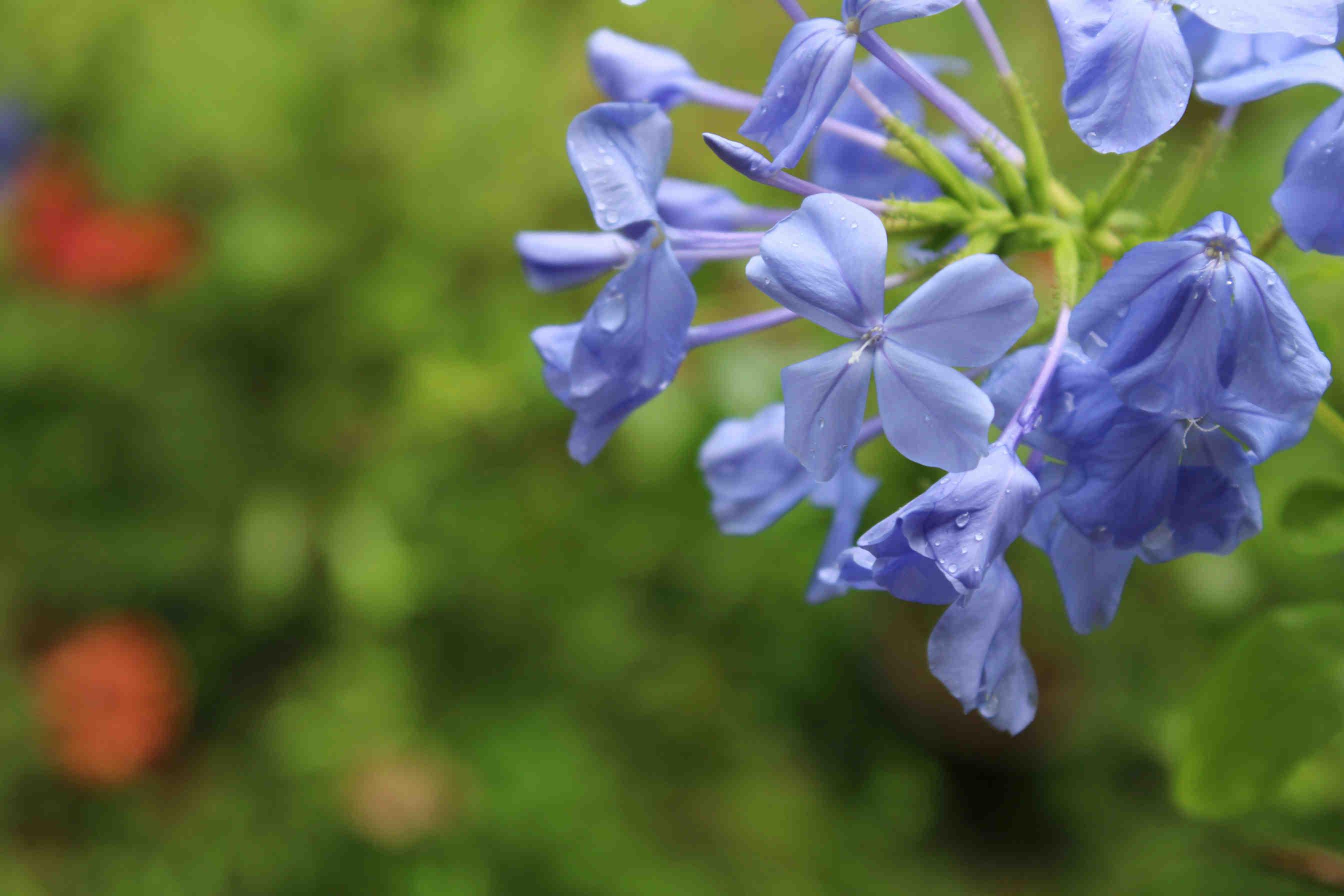
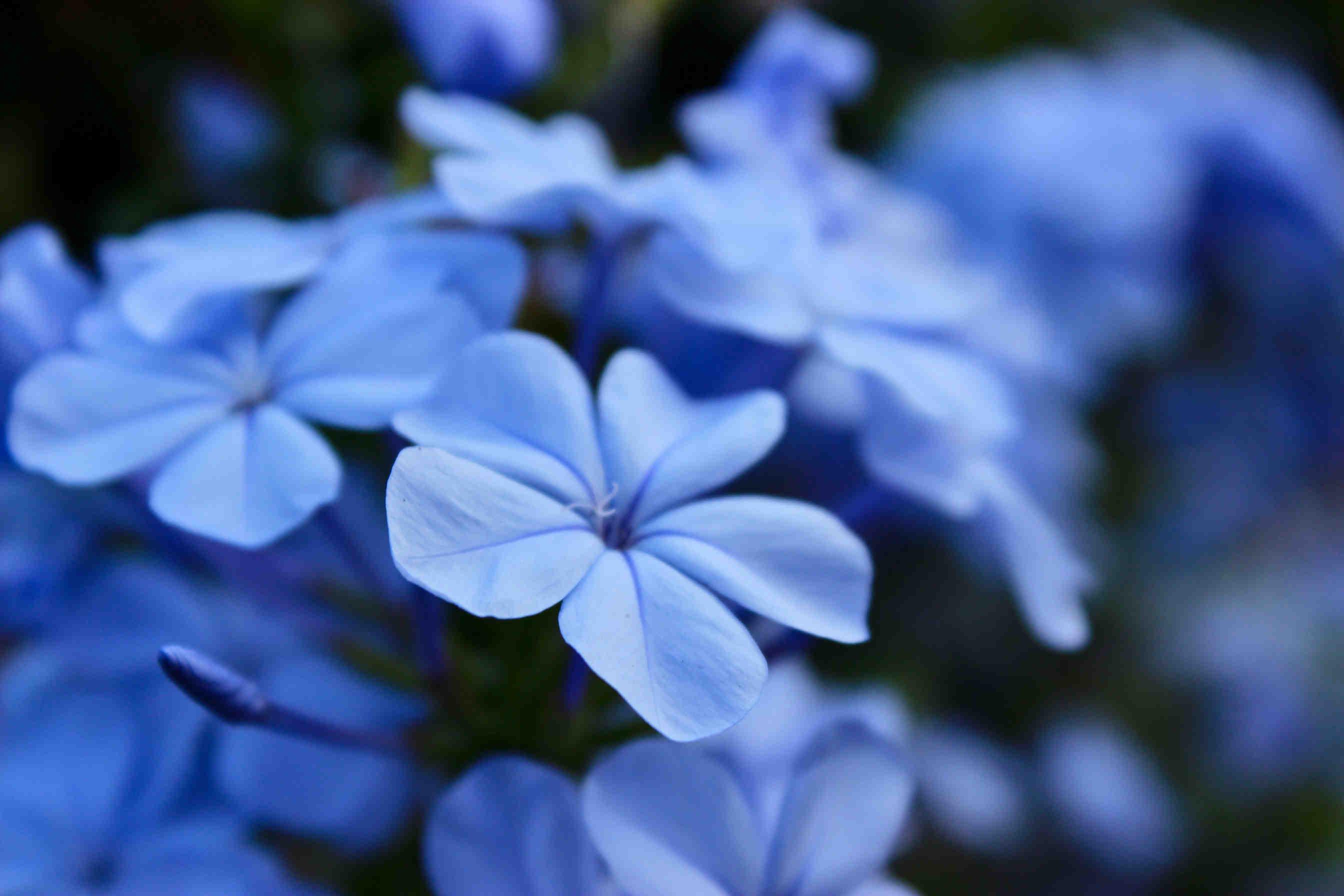
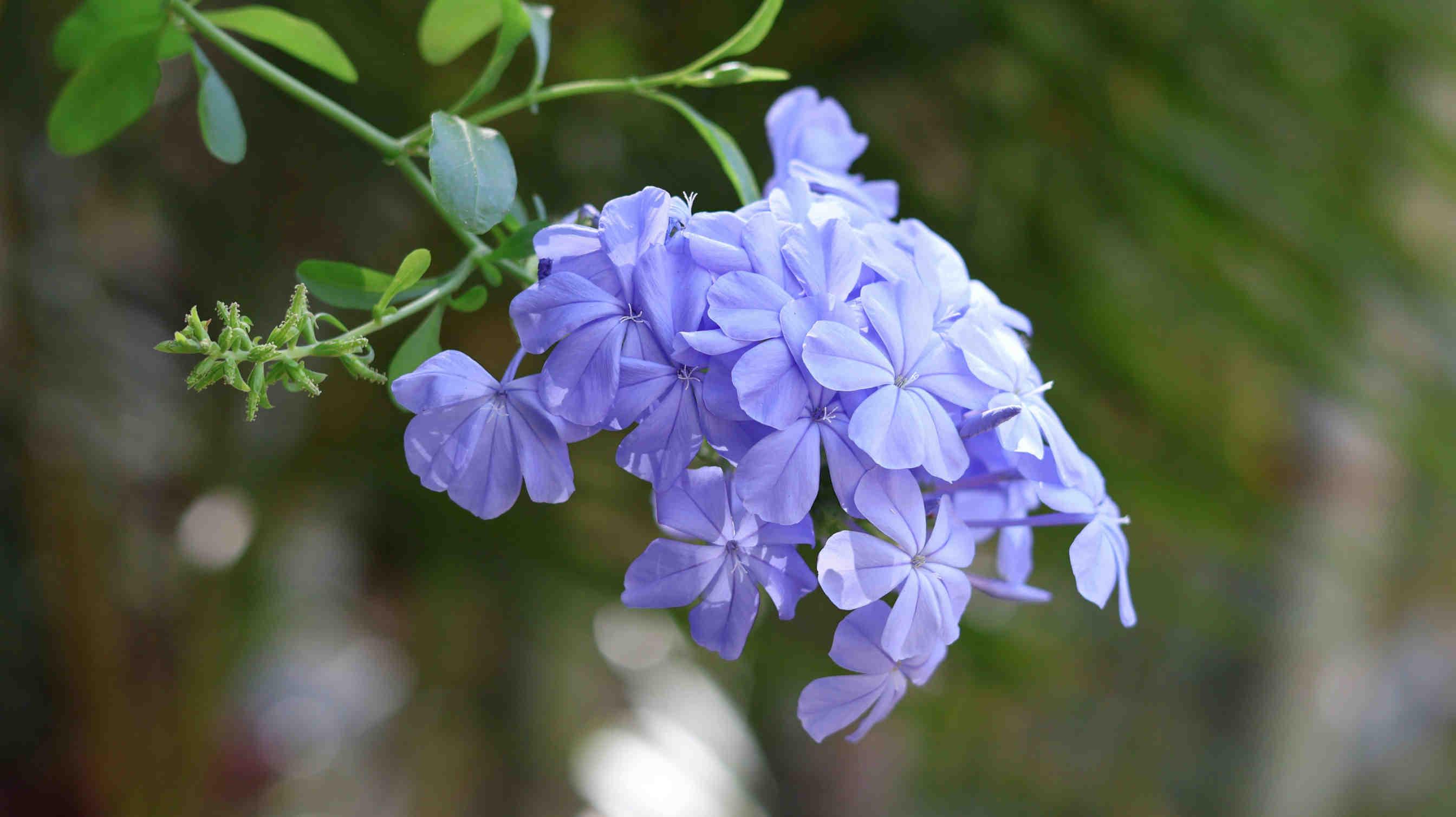
    The genus Plumbago includes very different species. The most widespread in gardens is the Plumbago auriculata, of South African origin, loved for its blue flowers. However, in Italy it is considered an alien species and its use may alter ecological balances. In contrast, Plumbago europaea is a native species of the Mediterranean basin: less showy, but essential for local pollinators. It flowers in summer, has pinkish-purple flowers and grows in poor soils. Although less showy, it represents a more conscious and viable local alternative for those who want to contribute and provide nourishment to pollinating insects.
    3bee-blog-plumbago-differenze-ecologiche-essenziali

    Oasis 3Bee: more than just a space

    3Bee's Biodiversity Oases are spaces designed in urban, industrial and agricultural settings to host pollinators and native flora. Each Oasis is unique: it can include the planting of nectariferous plants and shrubs, pollinator refuges and biodiversity trails. Everything is monitored in real time via satellite-analysed field sensors. Thanks to 3Bee technology, KPIs related to the Oasis are traceable, certifiable and viewable on the dedicated environmental monitoring platform. It is maintained by the Biodiversity Growers.
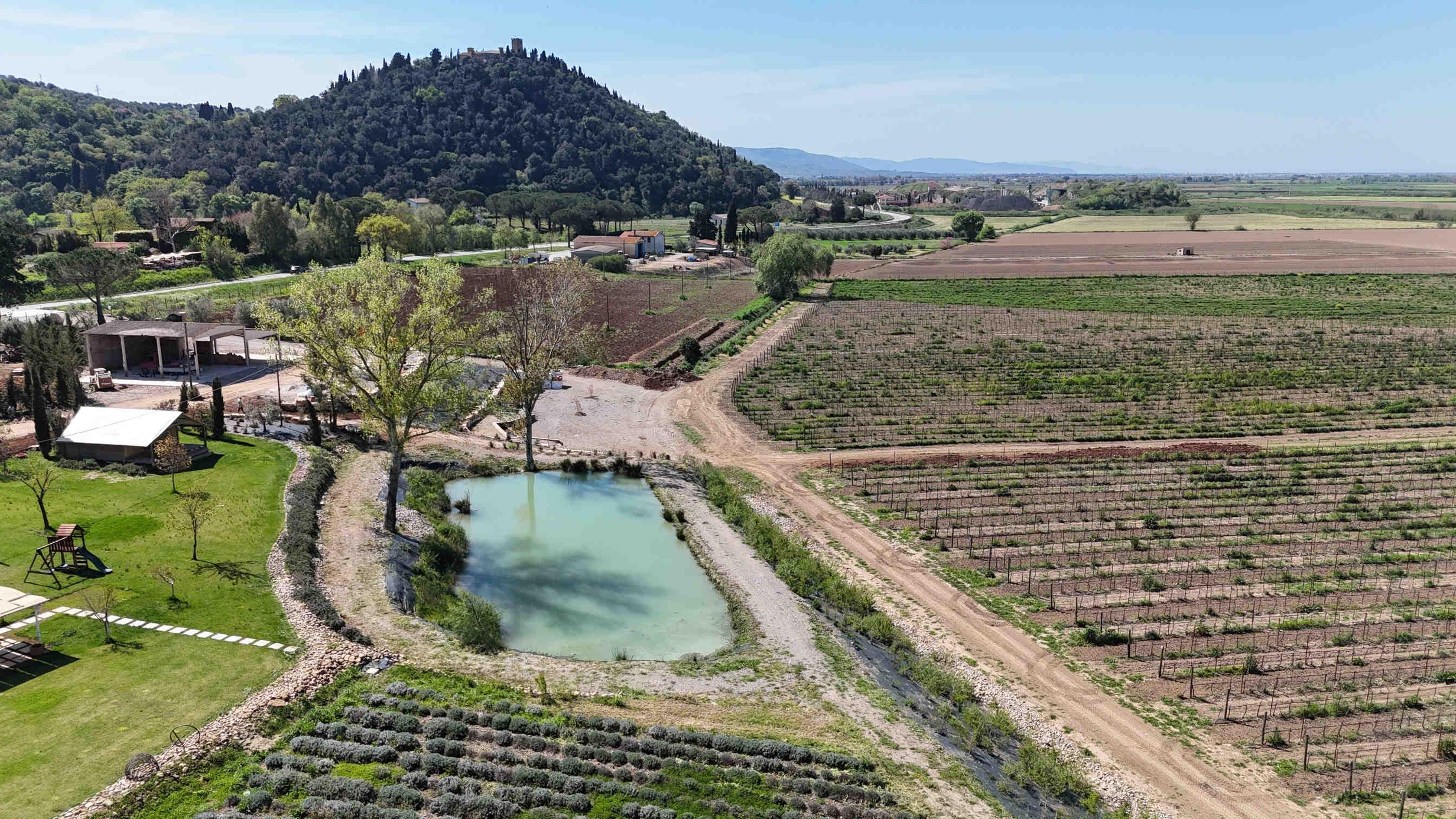
    3bee-blog-oasi-3Bee-più-di-un-semplice-spazio
    XNatura

    Autochthony as a strategy

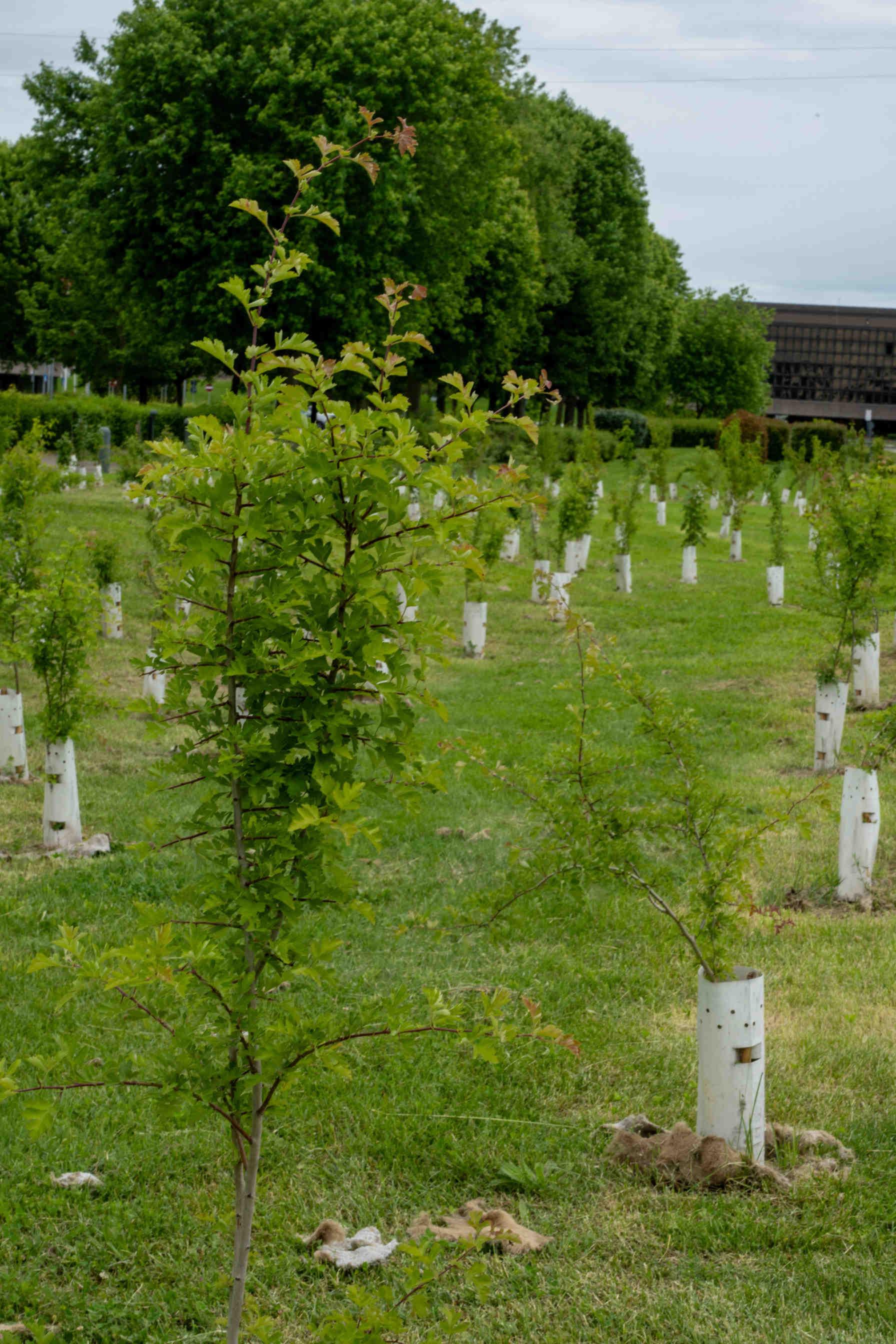
    Planting nectariferous plants and shrubs in a 3Bee Oasis means regenerating the land in an ecologically sound manner, choosing only native species that respect and enhance the existing habitat. The selection process is based on a thorough soil analysis conducted by 3Bee’s environmental experts and includes species such as wild pear, blackthorn, hazel, hawthorn, bay laurel, wild apple, ash, dogwood, Spanish broom, and tamarisk. Each plant contributes to building a resilient ecosystem rich in biodiversity.

    3bee-blog-autoctonia-come-strategia

    Oasis as a concrete ESG action

    Creating a Biodiversity Oasis with 3Bee means integrating environment, innovation and responsibility. Companies can enhance marginal areas, involve stakeholders and communicate environmental commitment with measurable data. Each Oasis is traceable via the environmental monitoring platform. 3Bee, as a scientific partner, supports organisations and companies in the development of a real Biodiversity & Climate Strategy, according to a three-pillar approach: monitoring, regeneration and education.

    3bee-blog-oasi-come-azione-ESG-concreta
    XNatura

    Cultivating awareness through 3Bee Oases

    The two species of Plumbago take different approaches: Plumbago auriculata is valued for ornamental purposes, but is not native to our ecosystems while Plumbago europaea is a native plant. Both contribute to the support of pollinators but the latter, being native, is more integrated and adapted to our ecosystems, generating a greater ecosystem value than the former. Both offer food for thought on how important it is to choose plant species carefully. The 3Bee Biodiversity Oases are based on precisely this principle: promoting awareness of the importance of biodiversity, which can regenerate, educate and generate real impact.

    3bee-blog-coltivare-consapevolezza-attraverso-le-oasi-3Bee
    3Bee
    09/07/2025Of 3Bee, 3Bee
    81 Views
    Newsletter
    newsletter
    Subscribe to the Blog about bees and biodiversity

    Frequently Asked Questions

    Do you have any doubts or other curiosities about this article? Here you will find some insights