The Picasso Bug: A Natural Masterpiece
    Picasso bugDesignMimicryFeeding

    The Picasso Bug: A Natural Masterpiece

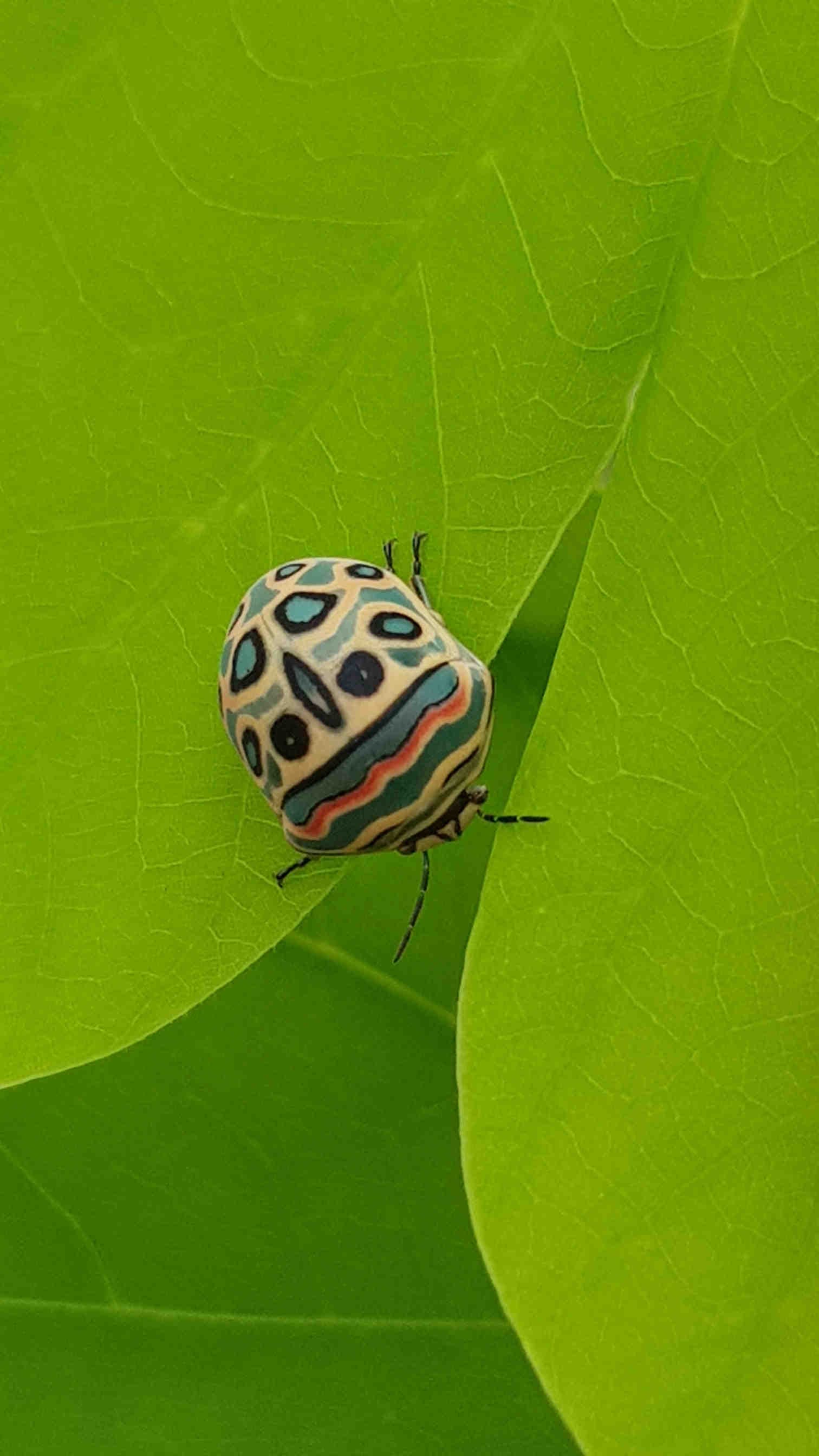
    The Picasso bug (Sphaerocoris annulus) is an African insect with a vibrant and symmetrical appearance, similar to a work of art. Its bright colors are not just decorative: they serve to discourage predators by indicating its ability to emit an unpleasant odor for defense.

    Read the article
    20/08/2025Of 3Bee, 3Bee
    1356 Views
    20/08/2025Of 3Bee, 3Bee
    1356 Views

    The Picasso bug: what is this natural masterpiece

    The Picasso bug, or Sphaerocoris annulus, is an insect that is immediately recognized by its vibrant and symmetrical coloring, appearing as if it came from a modern painting. This insect, belonging to the Scutelleridae family, is native to the tropical and subtropical regions of Africa. With a bright green body and dark round spots reminiscent of Picasso's brushstrokes, the appearance of this insect is as fascinating as it is functional. Its color pattern is not only an aesthetic masterpiece but also represents an important evolutionary strategy for its survival. Although its beauty is unmissable, the colorful spots, with their distinctive design, are meant to warn predators of its natural defense: an unpleasant odor emitted when it feels threatened.
    3bee-blog-picasso-bug-capolavoro-naturale

    An extraordinary natural design

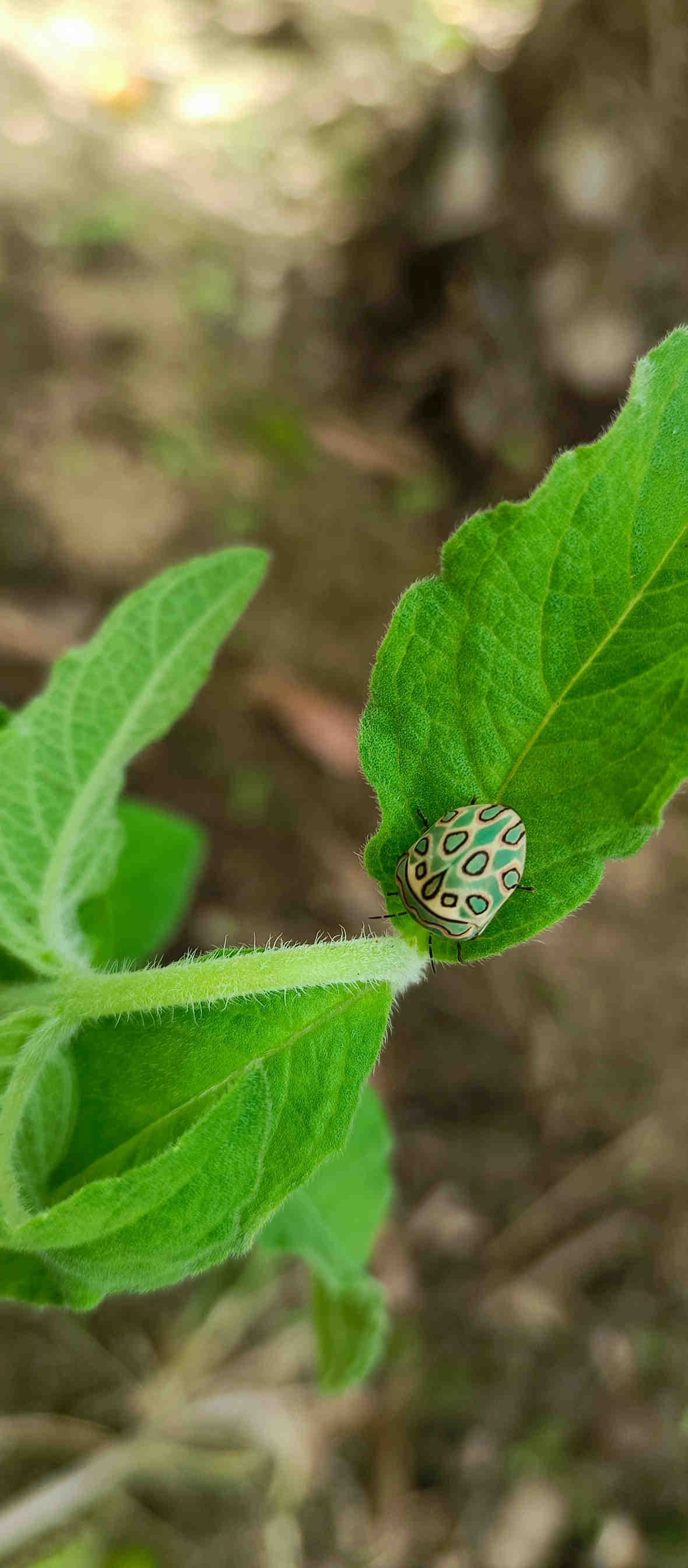
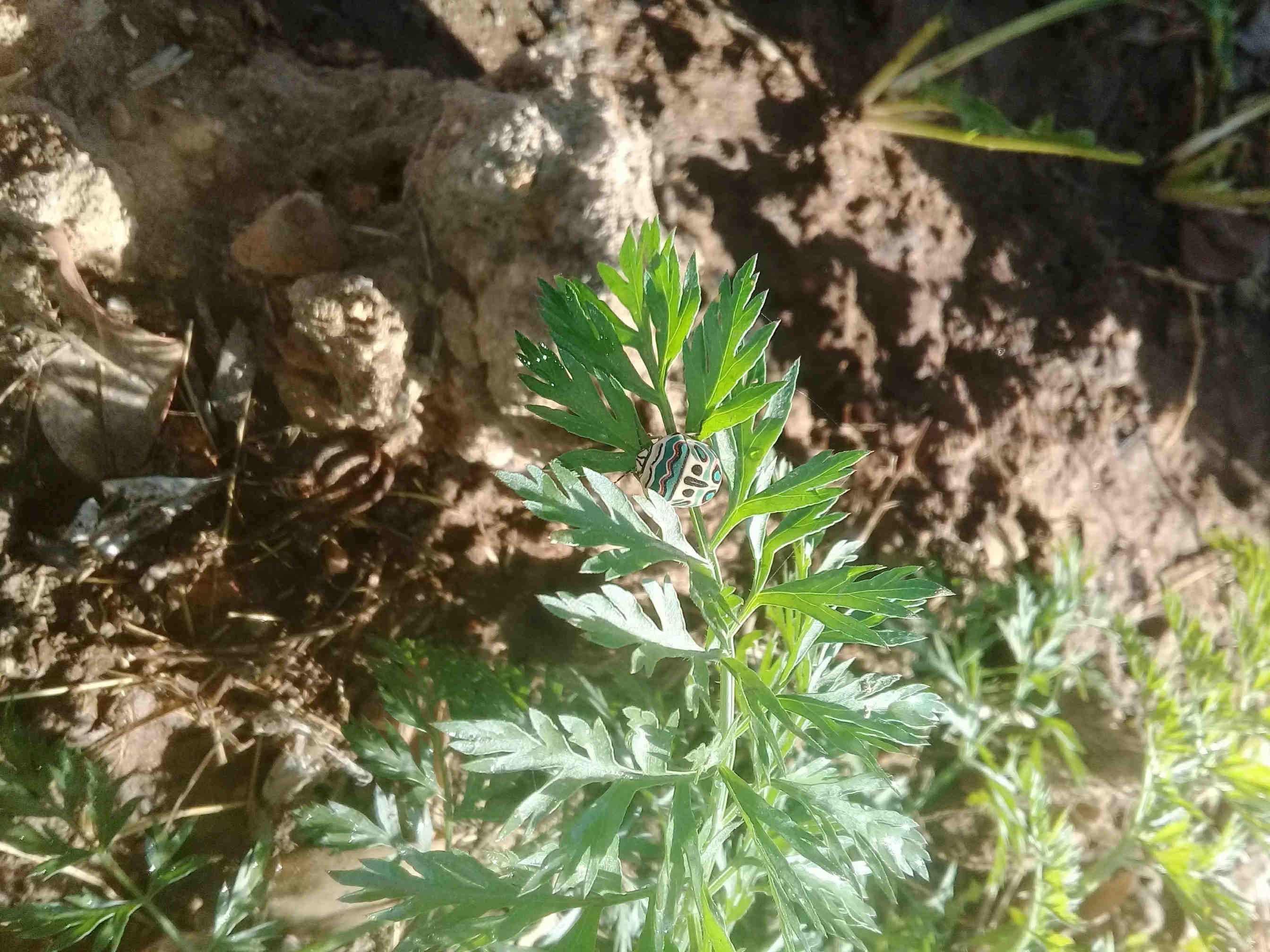
    The body of the Picasso bug is decorated with dark-colored spots arranged perfectly symmetrically, forming a pattern that could easily be mistaken for a work of abstract art. These spots, reminiscent of a Picasso painting, are strategically arranged to blend into its natural habitat, helping the insect camouflage itself among the surrounding plants. Other insects also develop this function of mimicry and populate the 3Bee Biodiversity Oases. For instance, we can find the green shield bug (Palomena prasina) - not to be confused with the Asian stink bug - which blends perfectly with green leaves, and the camouflaged cricket, which mimics the ground or dry plants.
    3bee-blog-picasso-bug-design-straordinario
    XNatura

    Other examples of mimicry

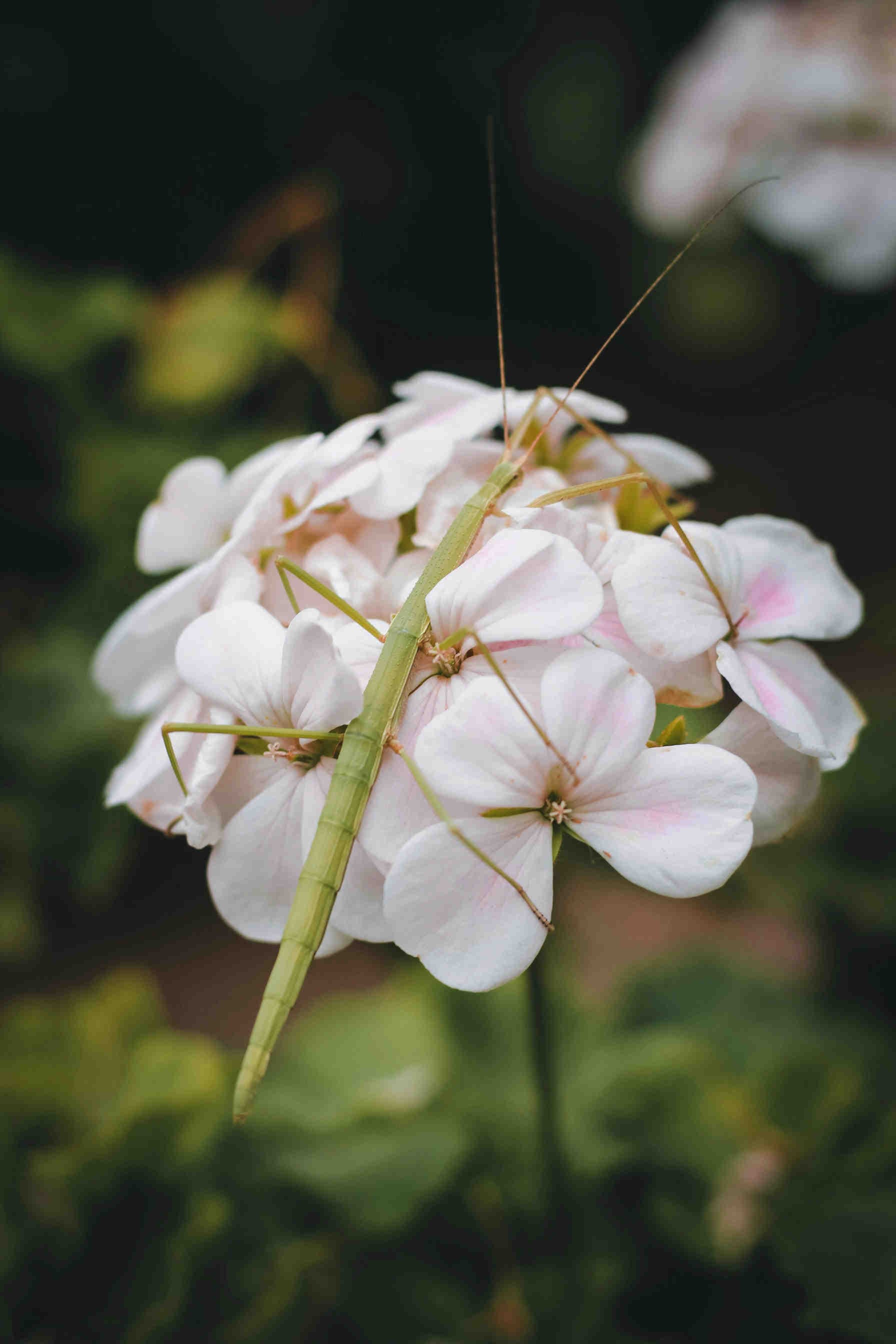
    We cannot forget the famous stick insect, which disguises itself as a branch, and the lonomia, whose larva camouflages with tree bark. These examples of mimicry, through their adaptability, highlight how insects have evolved to survive in complex and delicate natural environments. But beauty is not the only function of this coloration: the insect is equipped with a very effective defense. If threatened, the Picasso bug releases a foul-smelling secretion from glands located on its body, creating a chemical barrier that keeps predators away. This behavior is a typical defensive response of many insect species, using visual and chemical signals to avoid predation. In this case, its spots and smell serve to convey a clear message: "Don't eat me, I'm unpleasant!"

    3bee-blog-altri-esempi-di-mimetismo

    Where the Picasso bug lives and what it eats

    The Picasso bug is an insect that prefers dry and warm environments, such as the savannas and semi-desert areas of African regions. These environments offer the ideal combination of warmth and vegetation necessary for its survival. It is a herbivore and feeds on plant sap, particularly from species like cotton, coffee, and citrus. It uses its piercing-sucking mouthparts to puncture plant tissues and suck the sap. Although it may seem harmless, its diet can pose a threat to agricultural crops, as it feeds on plants that are important to the agricultural economy. Nevertheless, its feeding activity also contributes to the local ecosystem, as it stimulates the growth of new plants and biodiversity. Its feeding is not only a biological necessity but an important part of its interaction with the surrounding environment, promoting coexistence with other animal and plant species.

    3bee-blog-dove-vive-cosa-mangia-la-picasso-bug
    XNatura

    The life cycle and metamorphosis

    The Picasso bug undergoes an incomplete metamorphosis, which means its development does not include a pupal stage as in insects with complete metamorphosis. The eggs are laid on plant leaves, especially during the dry season, and once hatched, the small nymphs begin feeding on local plants. The nymphs are born with a cream-white color with black stripes and over time transform into adults, gradually acquiring the characteristic green livery with round spots. This growth process occurs in several stages and lasts about 56 days, during which the insect sheds its exoskeleton multiple times, progressively adapting to new sizes and its environment. The nymphs are vulnerable and need protection from predation and harsh weather conditions. However, over time, they become adults with coloration that will help them better defend themselves, thanks to their appearance which may discourage predators.
    3bee-blog-ciclo-di-vita-metamorfosi
    3Bee

    Threats and conservation

    Although the Picasso bug is not currently an endangered species, its future may be at risk due to habitat loss and climate change. Environmental changes, such as the reduction of semi-desert areas and the loss of related vegetation, could reduce the resources available for these insects. Protecting natural habitats and promoting biodiversity conservation are essential to ensure that the Picasso bug continues to thrive in its native areas. The conservation of species and their environments is fundamental to maintaining the balance of ecosystems, and the Picasso bug is a perfect example of how even small insects, seemingly insignificant, also have a role in the ecosystem (it contributes to vegetation control, serves as a food source for predators, and participates in the nutrient cycle).

    3bee-blog-minacce-conservazione

    A masterpiece of evolution

    The Picasso bug represents one of the most extraordinary manifestations of the evolutionary creativity of nature. Its features, from unique coloration to defensive strategy, are the result of millions of years of adaptations and natural selection. This insect is not only a masterpiece of beauty but also an example of how nature can develop incredibly efficient solutions for survival. In a world where biodiversity is increasingly threatened, the Picasso bug reminds us of the importance of preserving the variety of life on Earth. Its existence, along with that of many other species, is essential for maintaining ecological balance and protecting our global biodiversity. Observing and studying insects like the Picasso bug offers us a window into the evolutionary process and the incredible capacity of nature to adapt, evolve, and thrive.

    20/08/2025Of 3Bee, 3Bee
    1356 Views
    Newsletter
    newsletter
    Subscribe to the Blog about bees and biodiversity

    Frequently Asked Questions

    Do you have any doubts or other curiosities about this article? Here you will find some insights