Olympic Village 2026: sustainability or cementification?
    RegenerationSustainabilityMSAGreen Areas

    Olympic Village 2026: sustainability or cementification?

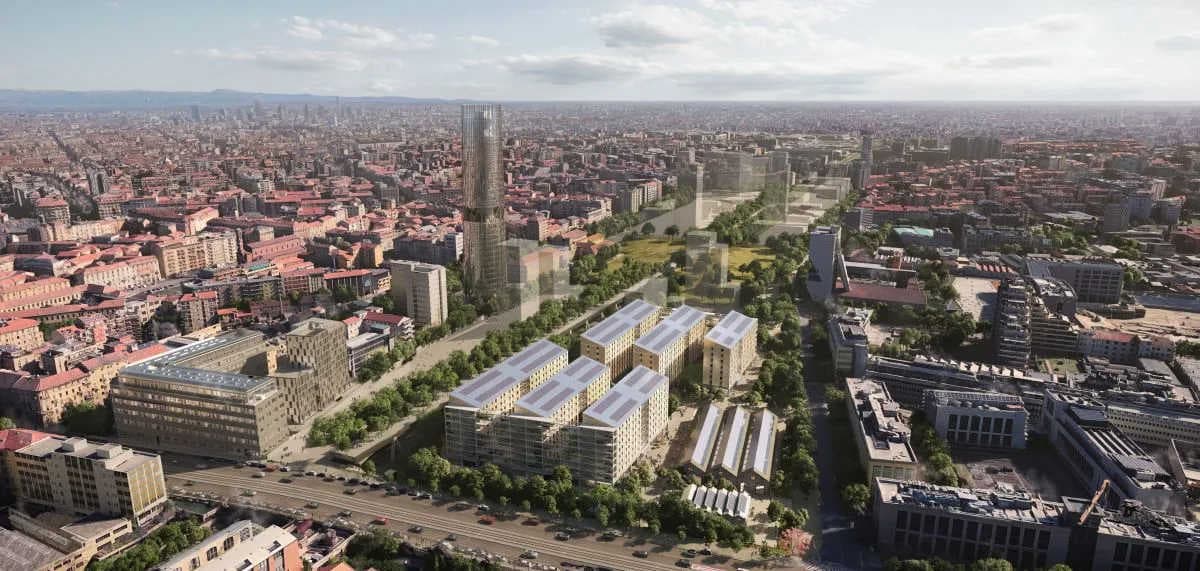
    The Porta Romana Olympic Village is presented as a model of urban regeneration. However, amidst certifications of excellence and its future use as student accommodation, a doubt remains: has Milan chosen true ecology or missed yet another opportunity to create a large green lung?

    Read the article
    05/02/2026Of 3Bee, 3Bee
    128 Views
    05/02/2026Of 3Bee, 3Bee
    128 Views

    From Industrial Abandonment to Spontaneous Revival

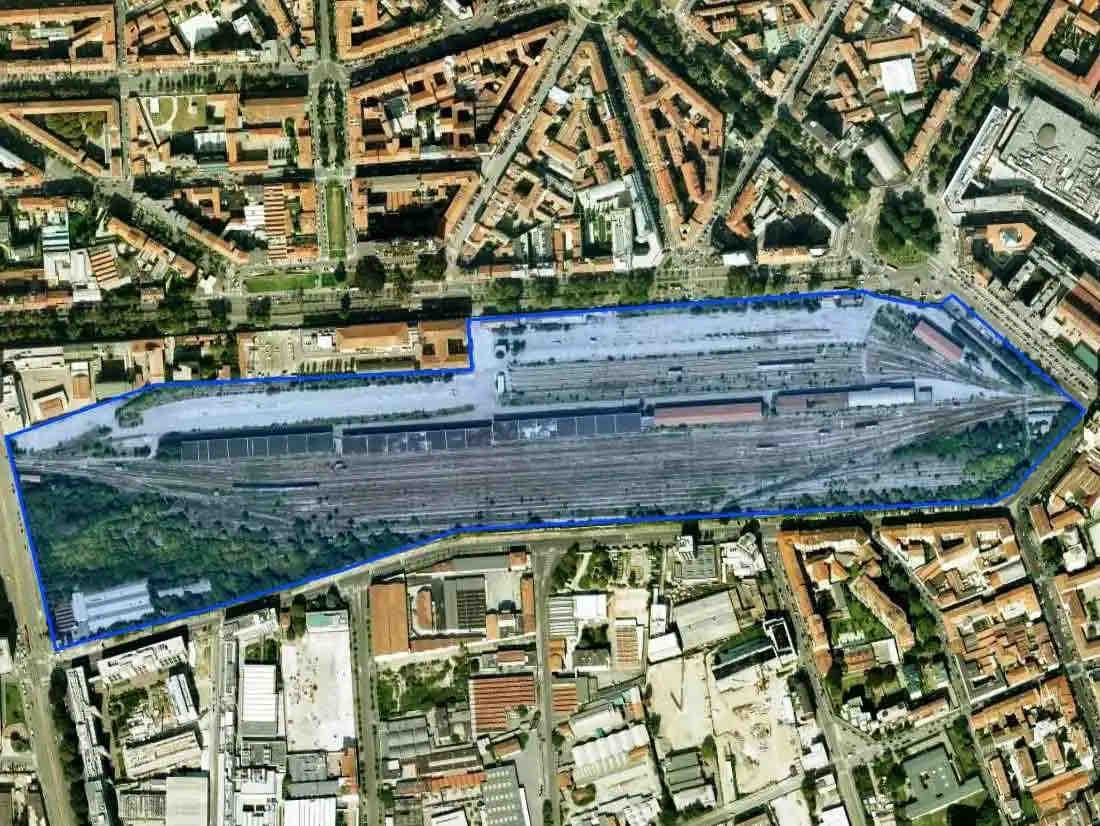
    The Scalo di Porta Romana, abandoned since the 1990s, has long been a "grey area" of 190,000 square metres. However, during these decades of waiting, something extraordinary happened: a spontaneous re-naturalisation. The "wild greenery" created a self-sufficient ecosystem that reclaimed the industrial remnants of the early 20th century. What appeared to be a forgotten area was, in fact, a natural laboratory of urban biodiversity. Today, with the 2026 Winter Olympics, this process comes to a halt. Although the project marks the end of neglect, it is crucial to reflect on what we are sacrificing in terms of authentic and unplanned nature in favour of new construction.
    3bee-blog-dall-abbandono-industriale-alla-rinascita-spontanea

    The project: technical excellence and soil sealing

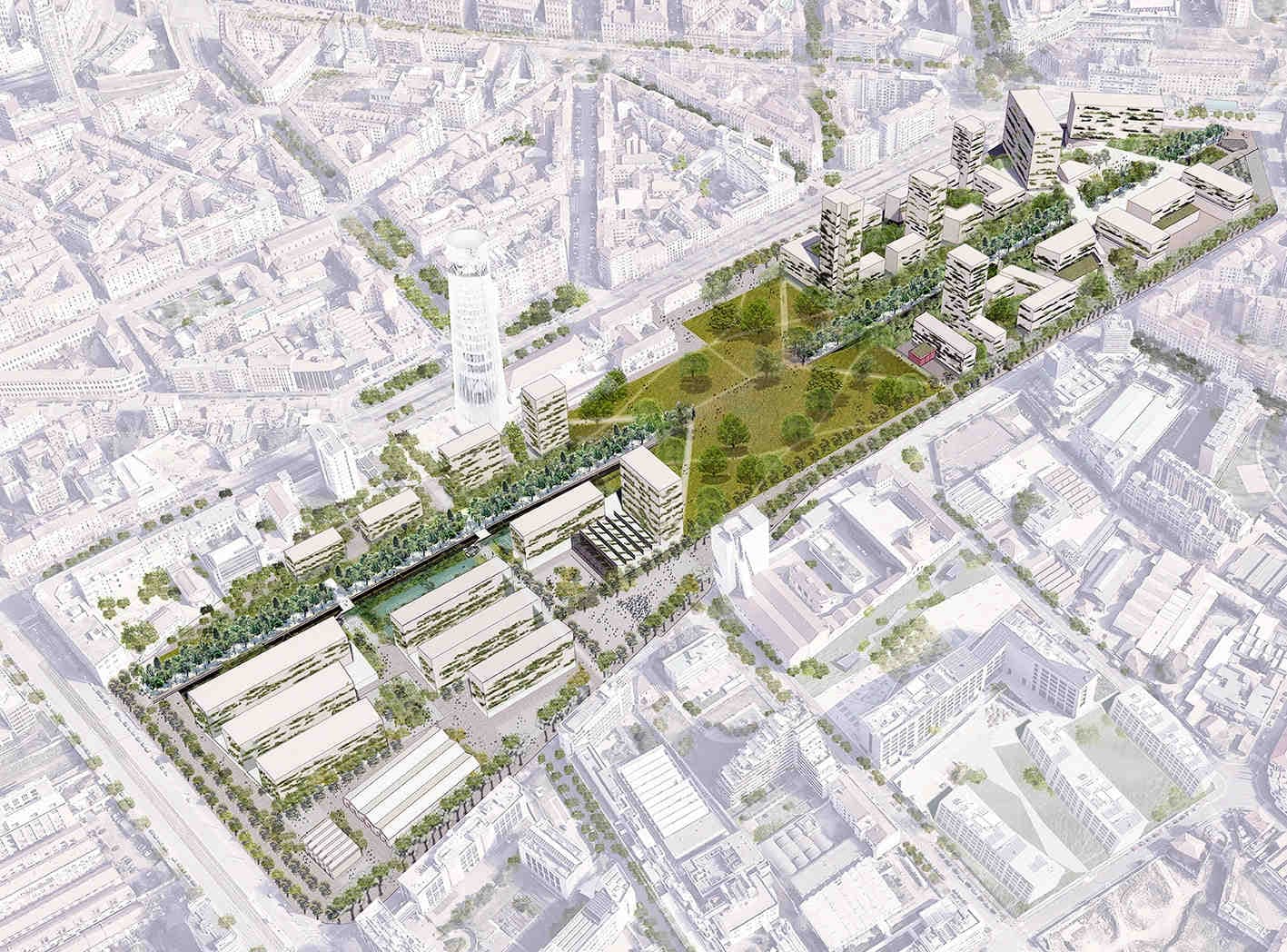
    The new Olympic Village aims for the highest sustainability standards, with the goal of being "Carbon Neutral" and obtaining BREEAM certification. The buildings incorporate advanced technologies, from photovoltaics to water recovery, and will become the largest student accommodation in Italy. However, despite these credentials, the physical impact on the area is clear: it involves a permanent sealing of the soil. Where nature had begun to breathe again, new concrete is now being laid. This raises a central question for the future of Milan: are energy-efficient buildings enough to define a project as "sustainable" if it means permanently foregoing the full return of nature to the city?

    3bee-blog-il-progetto-eccellenza-tecnica-e-sigillatura-del-suolo
    XNatura

    Biodiversity Measured: The Signals of the MSA Index

    With XNatura, it is possible to assess the ecological integrity of the site using MSA Land Use (Mean Species Abundance), an indicator that measures the average abundance of original species compared to an intact ecosystem. This tool assigns a score ranging from 0 (completely degraded ecosystem) to 100 (natural and pristine state). In the case of the Olympic Village, the recorded MSA value is 5. This figure highlights an extremely low biodiversity within the new urbanised environment. Despite the greenery designed in the renderings, the site's capacity to host a rich and varied fauna and flora drastically collapses compared to the area's potential, confirming that biological integrity struggles to coexist with the massive artificialisation of the territory.

    A governance challenge between technology and courage

    The technologies for an ecological transition are already at our disposal, but the case of Porta Romana suggests that they are not sufficient without effective governance and bold choices. The challenge is not only to construct modern buildings but to decide how much of the city should remain free from concrete to ensure climate resilience. Milan desperately needs extensive and deep green areas capable of countering heat islands. Choosing to further densify areas that had already begun a process of natural healing raises doubts about the long-term strategy: we are building a technologically advanced city, but perhaps one that is ecologically poorer than it could have been.

    3bee-blog-una-sfida-di-governance-tra-tecnologia-e-coraggio
    XNatura

    Collaboration and Trust for a Greener Future

    The Olympic Village will leave an important legacy in terms of services and student accommodation, but true progress should be based on a deeper balance between the built environment and nature. We need a trust in progress that does not see nature as an obstacle, but as a fundamental partner in design. Concrete solutions must involve a closer collaboration between urban planning and biology, prioritising the protection of remaining biodiversity. Only with a vision that prioritises soil health over volumetric yield can we say we have built a truly resilient Milan. The future of Porta Romana teaches us that, beyond green roofs, we need the courage to leave space for open land.

    3Bee
    05/02/2026Of 3Bee, 3Bee
    128 Views
    Newsletter
    newsletter
    Subscribe to the Blog about bees and biodiversity

    Frequently Asked Questions

    Do you have any doubts or other curiosities about this article? Here you will find some insights