Olympics 2026: the cost to biodiversity
    MonitoringProtected AreasRisksImpacts

    Olympics 2026: the cost to biodiversity

    The Milan-Cortina 2026 Olympics are not just about sport and medals, but they also bring with them a silent environmental challenge. Thanks to the XNatura platform, we have analysed the impact of the new infrastructures to reveal the true price that nature will have to pay for this event.

    Read the article
    15/01/2026Of 3Bee, 3Bee
    181 Views
    15/01/2026Of 3Bee, 3Bee
    181 Views

    Environmental monitoring with XNatura technology

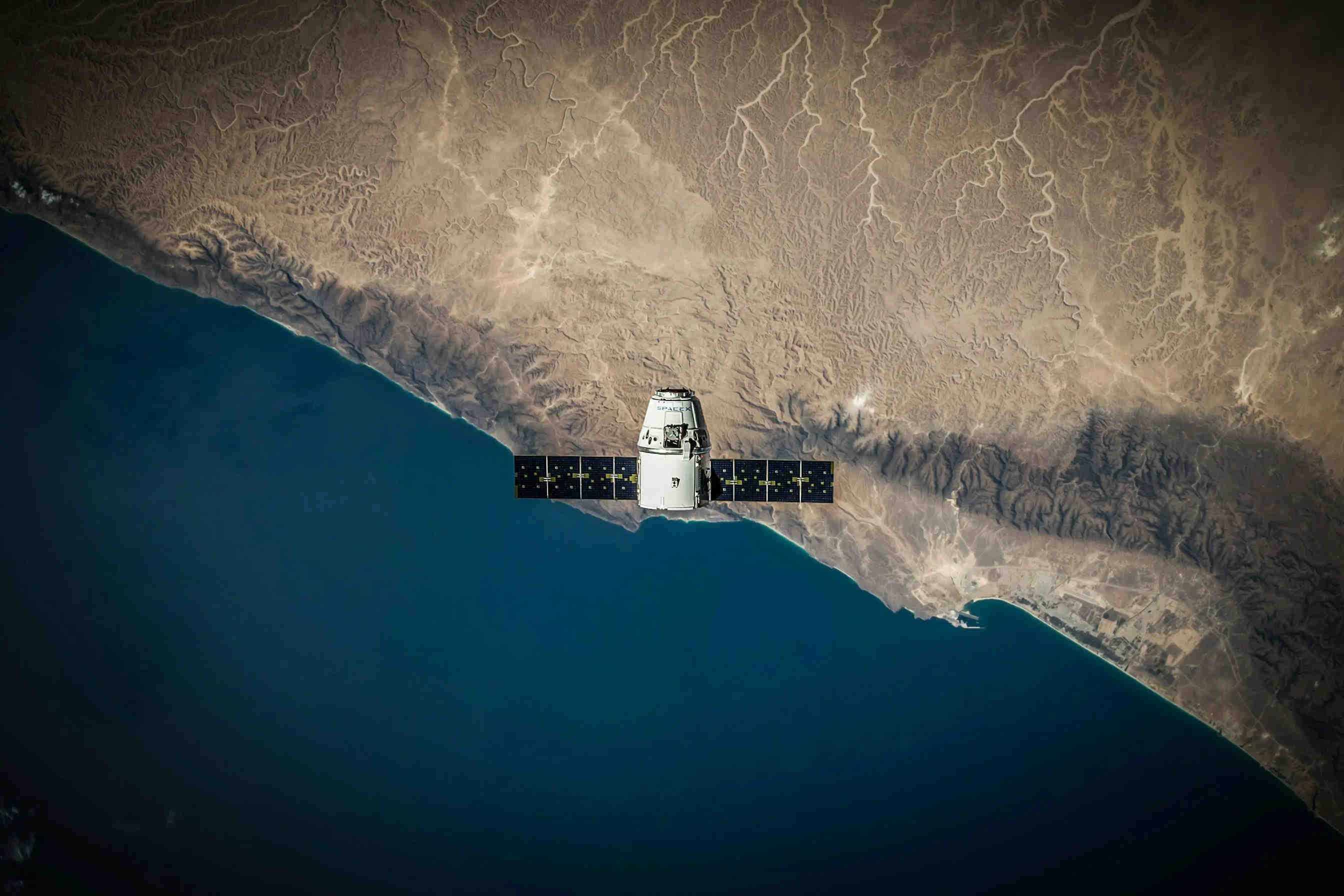
    To assess the impact of new constructions, we relied on XNatura, the environmental monitoring platform by 3Bee designed to transform complex data into clear information about biodiversity. The analysis focused on three key infrastructures for the Games: the Santa Giulia Arena and the Olympic Village in Milan, along with the Luge Centre in Cortina d'Ampezzo. This scientific approach is essential to understand not only what is being built, but more importantly where and at what ecological cost. Monitoring these sites means looking beyond the sporting spectacle, highlighting the vulnerability of local ecosystems in the face of such radical human transformations. Only through transparency and the use of innovative technologies can we quantify the environmental pressures that often remain invisible during the design phase of major international projects.
    3bee-blog-monitoraggio-ambientale-con-la-tecnologia-xnatura

    Protected areas and natural habitats under pressure

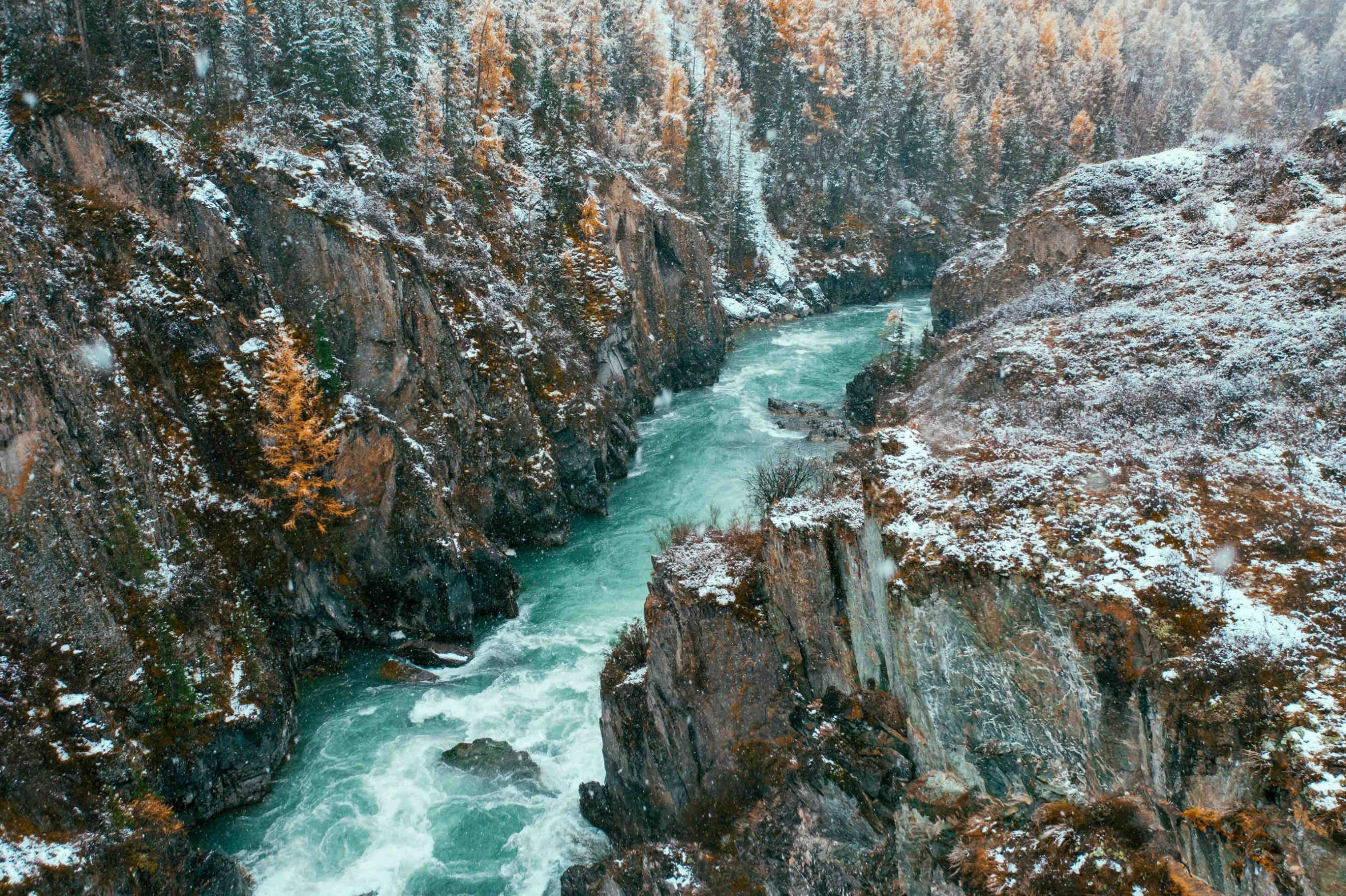
    A critical fact emerges from the analysis: one of the Olympic sites is surrounded by protected areas within a radius of just 2 kilometres. This proximity exposes natural sanctuaries and sensitive habitats to multiple threats, such as noise and light pollution, fragmentation of ecological corridors, and alteration of water flows. Every metre built near these areas reduces the living space for native species, undermining decades of environmental conservation efforts. The proximity to nature reserves significantly influences the potential for local biodiversity conservation, highlighting how vulnerable these sites are to increasing human pressures and the anticipated traffic for the event. Protecting these ecosystems is essential, as once compromised, the damage to biodiversity can become irreversible, turning the Olympic development into an open wound in the heart of the surrounding natural territory.
    3bee-blog-aree-protette-e-habitat-naturali-sotto-pressione
    XNatura

    The dual challenge: biodiversity and water risks

    The data analysis also highlights that two out of three sites record very high scores for both biodiversity loss and water-related risks. This dual issue makes these areas particularly vulnerable and requires priority attention in impact management. When the combined environmental risk reaches such high levels, any construction intervention can trigger chain reactions throughout the entire ecosystem. It is not just about preserving individual species, but about protecting the hydrogeological balance of areas already facing significant climate challenges. Therefore, water resource management and habitat conservation must proceed hand in hand to prevent Olympic infrastructures from becoming an unsustainable burden on the natural system. Ignoring these signals means exposing the area to environmental consequences that could last much longer than the celebrations for the medals won by the athletes.
    3bee-blog-la-doppia-criticita-biodiversita-e-rischi-idrici

    Climate Risks and Potential Economic Impacts

    Analysing the three sites as a whole, climate-related risks emerge as the most critical threat, with high exposure and significant economic values at stake. If these climate risks were to materialise, the potential financial impact could be substantial, burdening the region and administrations for years to come. We are not merely talking about damage to flora and fauna, but about tangible economic consequences related to the resilience of infrastructures. The climate crisis acts as a pressure multiplier: an ecosystem already weakened by the construction of new facilities has less capacity to adapt to extreme events. It is crucial to understand that the sustainability of a major event like the Olympics is also measured by its ability not to generate environmental and economic debts that future generations will be called upon to settle in an increasingly unstable and fragile global context.
    3bee-blog-rischi-climatici-e-potenziali-impatti-economici
    XNatura

    The Promise of Reuse and the Future of the Territory

    One of the central promises for Milan-Cortina 2026 concerns the post-Olympic reuse of the infrastructures. It is crucial that this commitment is upheld to prevent the projects from becoming the usual "cathedrals in the desert" built for a single occasion. When conversion promises fail, it is always nature that pays the highest price. In the coming weeks, we will delve into the data to explore each individual site, revealing specific dependencies on biodiversity and localised impacts. Transparency in data is the only tool we have to understand whether the price paid for hosting the Games is truly acceptable. Behind every medal and every sporting celebration lies an ecosystem bearing an invisible burden; our goal is to give a voice to that nature, ensuring that the Olympic legacy is not just a collection of empty structures, but a model of respect and protection for the environment that hosts us.

    3Bee
    15/01/2026Of 3Bee, 3Bee
    181 Views
    Newsletter
    newsletter
    Subscribe to the Blog about bees and biodiversity