MDG 7: Affordable and sustainable energy
    introductionAccessimportancerenewable

    MDG 7: Affordable and sustainable energy

    Discover how goal 7 of the 2030 Agenda aims to guarantee universal access to sustainable energy. Explore the challenges and solutions for promoting renewable energy and energy efficiency, the role of business and innovative projects in this field.

    Read the article
    27/04/2023Of 3Bee, Elena Fraccaro
    518 Views
    27/04/2023Of 3Bee, Elena Fraccaro
    518 Views

    Introduction to Goal 7 of the SDGs

    Goal 7 of the 2030 Agenda aims to guarantee universal access to affordable, reliable and modern sustainable energy for all. However, even today, 1.6 billion people do not have access to electricity and 2.4 billion do not have access to clean fuels for cooking and heating. This situation has negative effects on human health, economic productivity and the environment. This is why Goal 7 is essential to meeting many other sustainable development challenges and requires concrete action to promote renewable energy and energy efficiency.
    Introduction to Goal 7 of the SDGs

    The state of access to energy worldwide

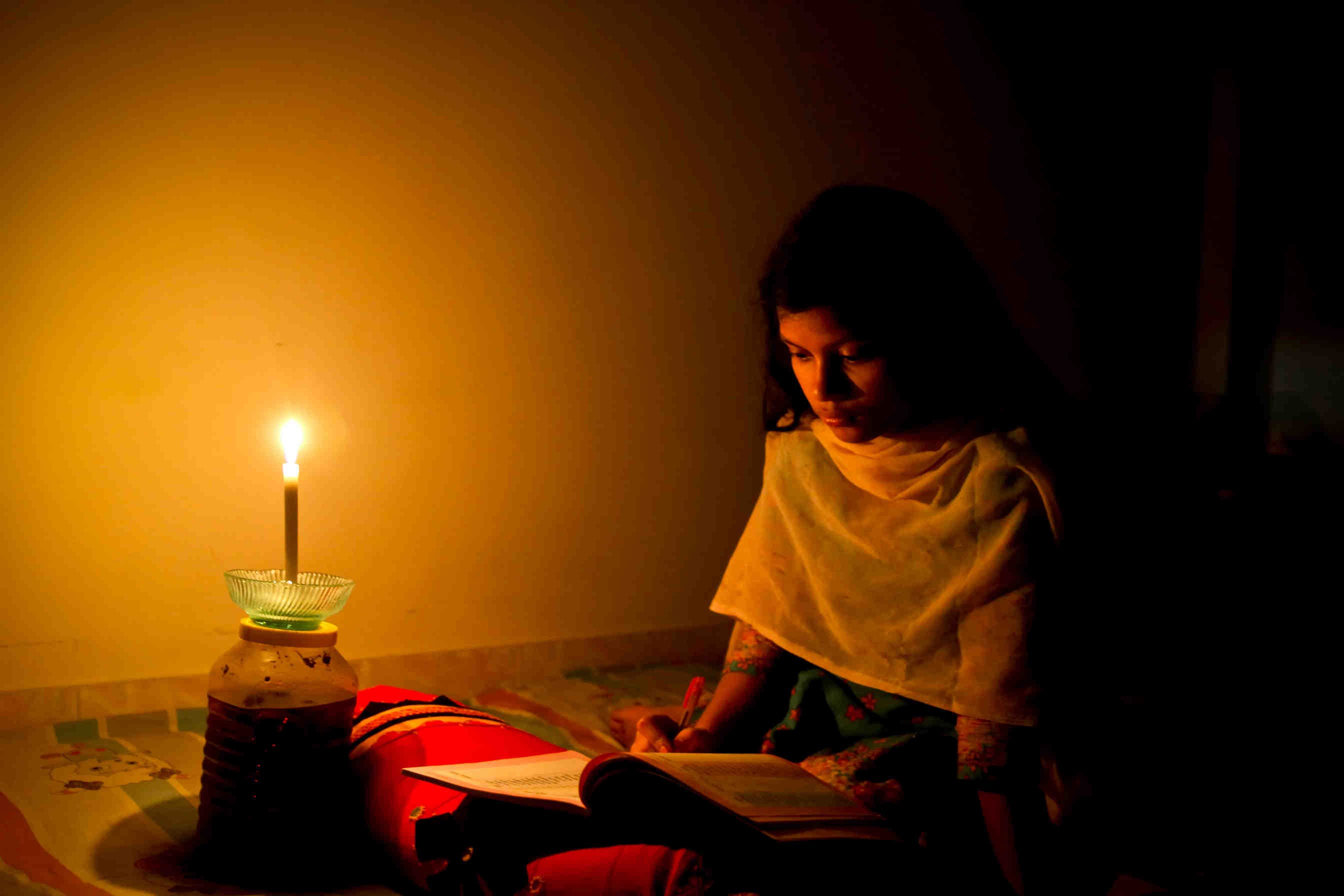
    Access to electricity is a basic necessity to improve people's quality of life, but even today, millions of people around the world do not have access to electricity. According to the International Energy Agency, around 1.6 billion people worldwide have no access to electricity. Most of these people are in sub-Saharan Africa, South Asia and South-East Asia, where rural electrification is weak or non-existent. In addition, many people who have access to electricity do so using traditional methods such as diesel generators, which are costly and polluting. Barriers such as lack of infrastructure, poverty, lack of financing and political instability also prevent universal access to sustainable energy.

    The state of access to energy worldwide
    XNatura

    The importance of sustainable energy

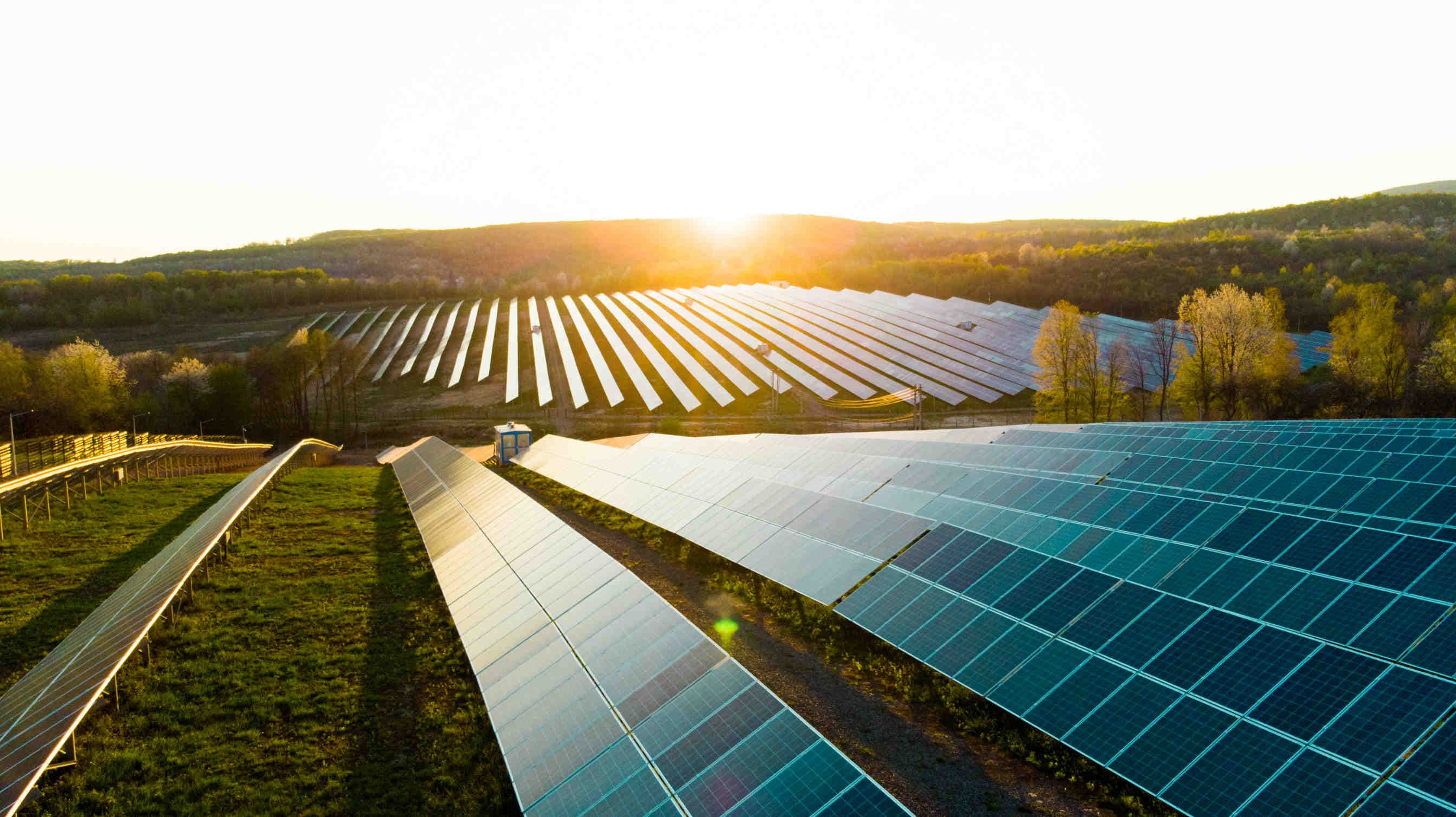
    Access to sustainable energy is an essential prerequisite for sustainable development. Without energy, it is difficult to achieve many SD goals such as poverty eradication, access to clean water and sanitation, the creation of economic opportunities and education. Goal 7 of the 2030 Agenda focuses on universal access to affordable, reliable and modern sustainable energy for all. It also aims to increase the share of renewable energy in the global energy mix and to double the global rate of improvement in energy efficiency by 2030. This objective is essential to promote sustainable development and limit the impact of energy on the environment. The transition to renewable energy sources and more efficient energy technologies will help combat climate change. At 3Bee, we design our technologies to run on sustainable energy.
    The importance of sustainable energy

    Renewable sources: the future of sustainable energy

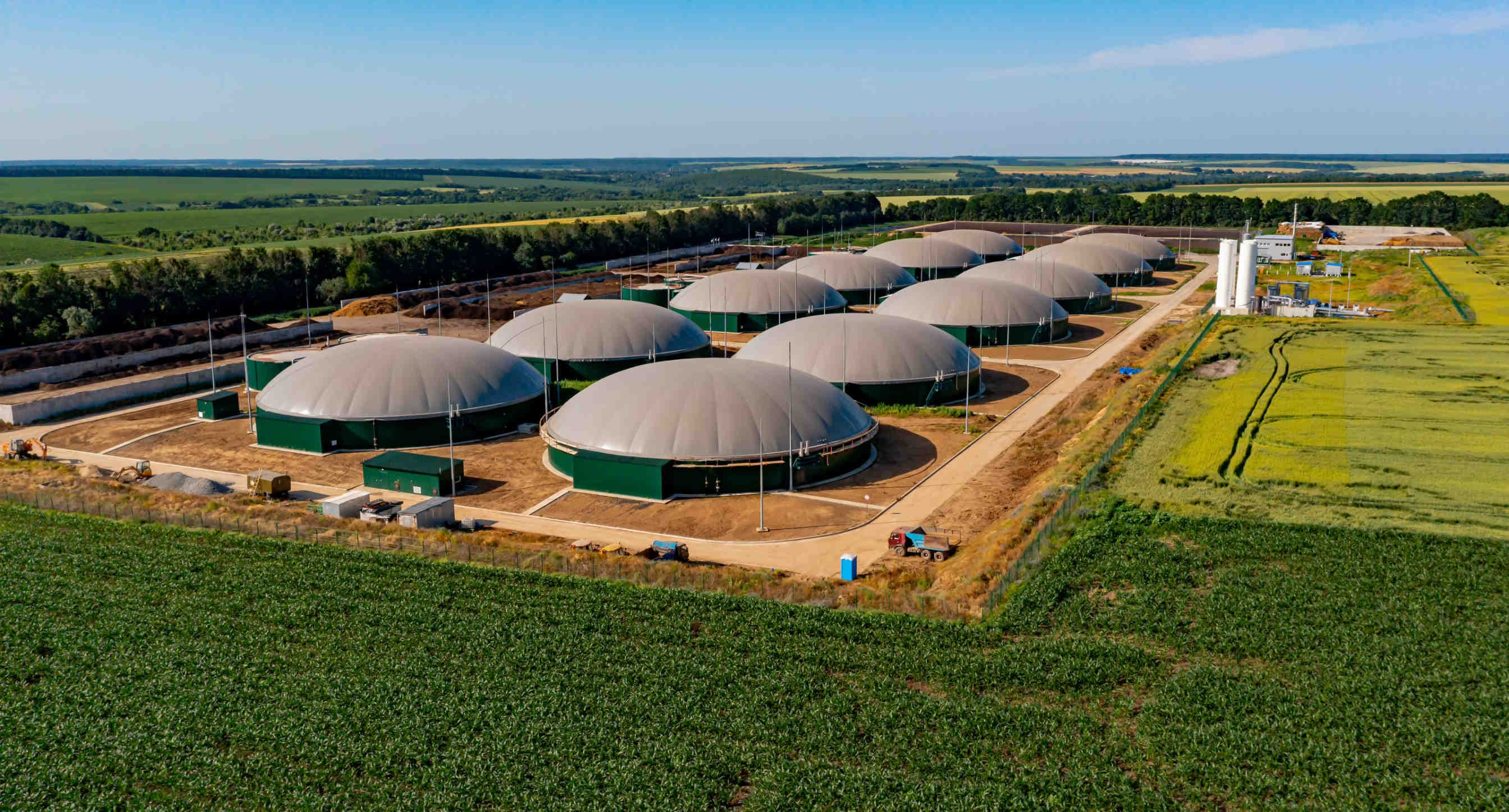
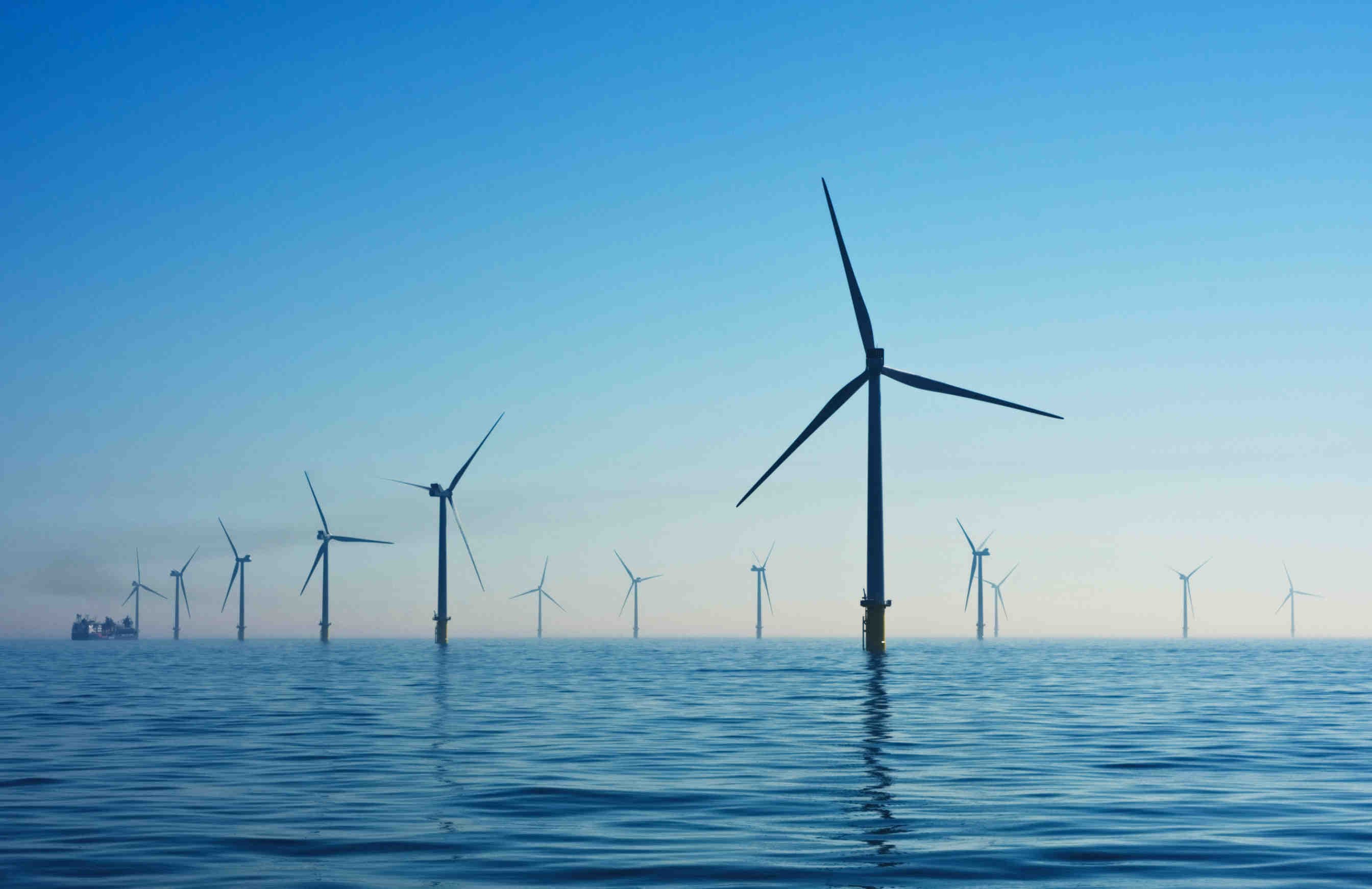
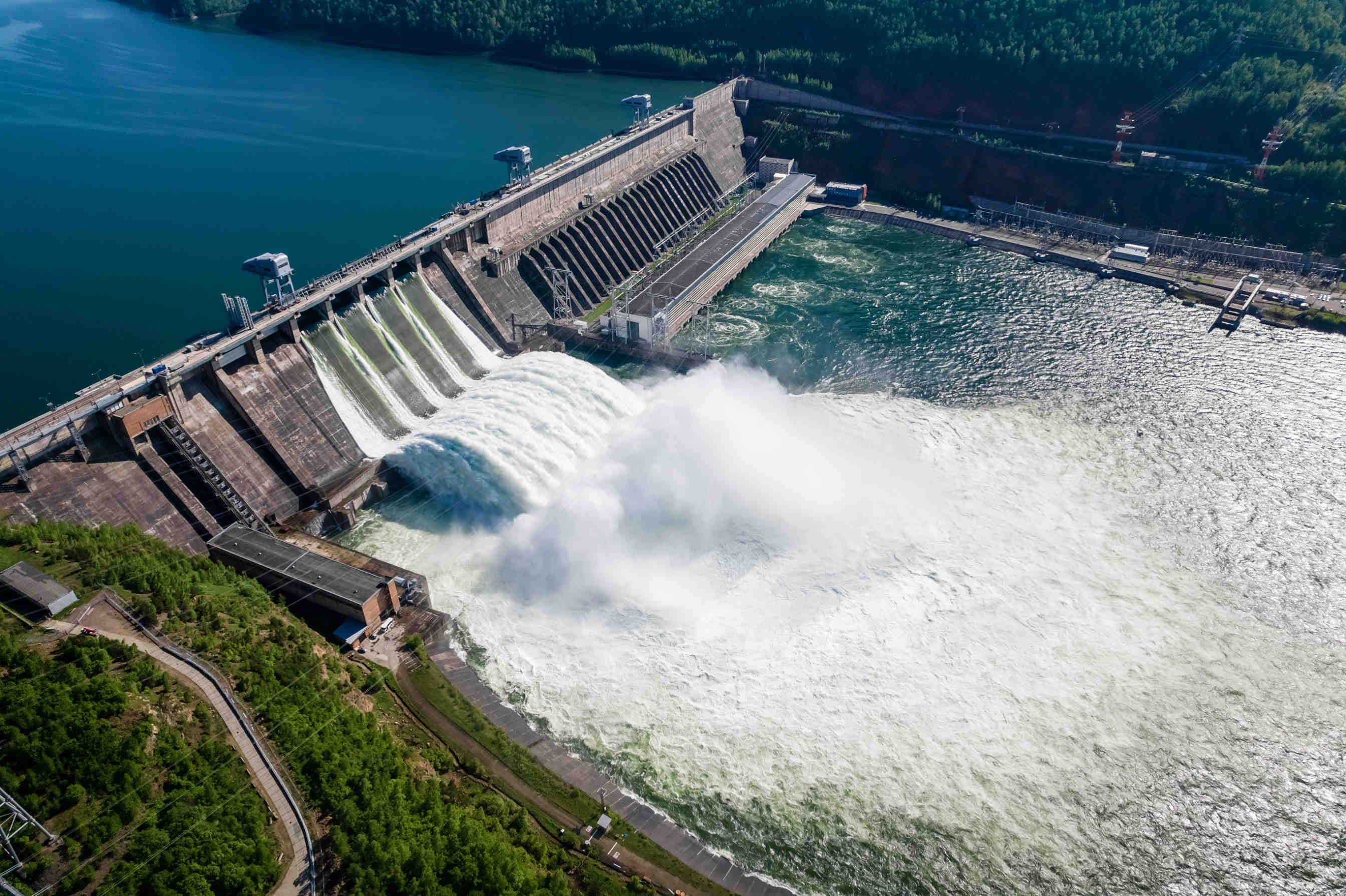
    Renewable energy sources such as solar, wind, hydro, geothermal and biomass can help provide affordable and reliable sustainable energy.These sources are infinite and do not emit greenhouse gases, helping to reduce the impact of energy on the environment. In addition, renewable energy can be produced locally, allowing communities to control their own energy production and reduce their dependence on external energy sources. However, integrating renewable energy into the energy infrastructure requires significant investment, as well as increased international cooperation to facilitate access to technology and research. 3Bee's BeEnergy project, which aims to mitigate the impact of photovoltaic farms by preserving biodiversity, is a step towards the goal of sustainable access to energy.
    Renewable sources: the future of sustainable energy
    XNatura

    Leading countries in access to sustainable energy

    Some countries have achievedremarkable results in terms of access to sustainable energy, particularly those that have invested more in clean technologies and sustainable infrastructure. For example, Morocco launched its solar energy programme in 2009, achieving the goal of generating 52% of its electricity from renewable sources by 2030 as early as 2020. India has launched an ambitious solar energy campaign, with the aim of producing 100 GW of solar energy by 2022. Brazil has made significant progress in biofuel production, thanks to strong demand for ethanol produced from sugar cane. These examples show how a energy policy focused on sustainability can lead to concrete results in terms of universal and sustainable access to energy.

    Leading countries in access to sustainable energy
    3Bee

    Environmental impacts and benefits of sustainable energy

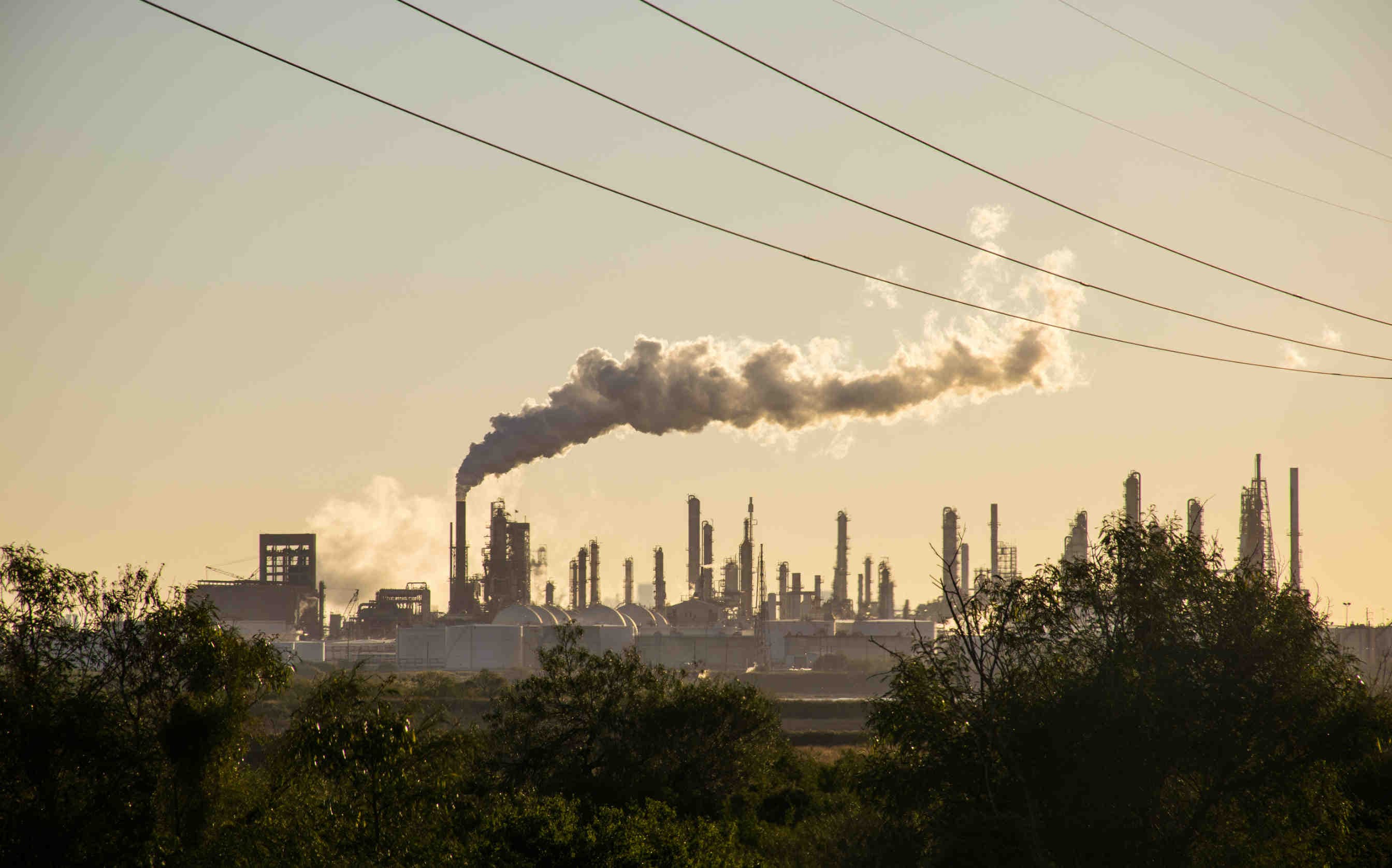
    Using unsustainable energy sources has a significant impact on the environment, including air pollution and greenhouse gas emissions, contributing to climate change. In contrast, sustainable energy from renewable sources such as solar, wind and water is clean and reduces greenhouse gas emissions. In addition, investment in sustainable energy can have economic benefits, such as creating jobs in the renewable energy sector and reducing energy costs in the long term.
    Environmental impacts and benefits of sustainable energy

    Global policies for sustainable access to energy

    Policies to promote access to sustainable energy are underway globally and require a common commitment. International cooperation is crucial for less developed countries to gain access to cutting-edge technologies and make investments in energy infrastructure. In this context, Goal 7 of the 2030 Agenda aims to improve international cooperation to facilitate access to energy research and technologies, including renewable energy, energy efficiency and advanced technologies that are cleaner than fossil fuels, and to promote investment in energy infrastructure and clean energy technologies. The importance of sustainable energy for sustainable development has been recognised globally, and initiatives to promote universal access to affordable, reliable, sustainable and modern energy are crucial to achieving the SDGs.
    Global policies for sustainable access to energy

    Business and access to sustainable energy

    Businesses play a key role in promoting access to sustainable energy on a global scale, contributing to the development of innovative solutions and the spread of sustainable practices. Through their ability to invest in research and development, produce sustainably and collaborate with other organisations, businesses can make a significant contribution to achieving Goal 7 of the 2030 Agenda. At 3Bee, we are supporting businesses in achieving SDG 7 with the BeEnergy project, which aims to create a symbiosis between clean energy and biodiversity to generate 'shared value' for the developer, the local community and the environment. A project in which we are deploying exclusive technologies and expertise derived from ongoing collaborations with universities and research centres. Contact us to find out more and discover how we can help your business.

    Business and access to sustainable energy
    27/04/2023Of 3Bee, Elena Fraccaro
    518 Views
    Newsletter
    newsletter
    Subscribe to the Blog about bees and biodiversity