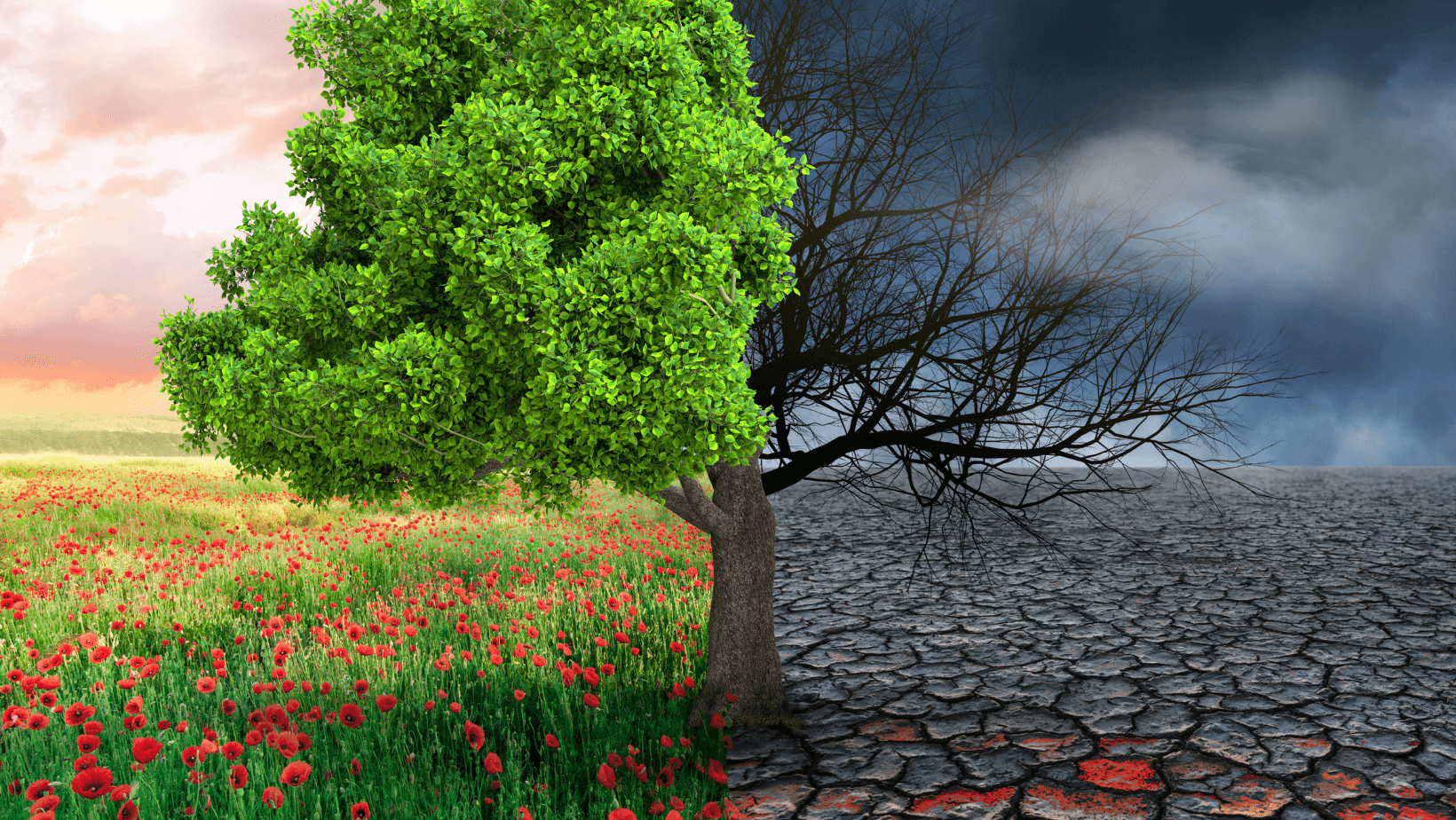
Production 2021: What Do Beekeepers Say?
    Cold climateAnomalyAnthropisationOasis Project

    Production 2021: What Do Beekeepers Say?

    The year 2021 marked a tragic record: the production of spring honeys, including the famous acacia and citrus honeys, fell by 90 per cent compared to last years' averages. The zeroing of spring honey production has forced beekeepers to make emergency feedings.

    Read the article
    08/10/2021Of 3Bee, Elena Fraccaro
    175 Views
    08/10/2021Of 3Bee, Elena Fraccaro
    175 Views

    Production problems in northern and southern Italy

    In the central-northern regions there were abnormal frosts in April, when the plants were in full vegetative recovery. These frosts compromised flower development and, consequently, nectar collection by bees. In fact, few flowers reached bloom and those few that survived produced very little nectar due to the low temperatures and persistent wind. Thanks also to the scales, it was noted that, in the most fortunate cases, a hive produced between 500g and 1kg of honey compared to the average 20gk in previous years. In Southern Italy a very similar situation was recorded. Since mid-February, the weather has become colder and drier, due to low rainfall and wind. This has greatly damaged the flowering of citrus fruits and, consequently, also honey production.
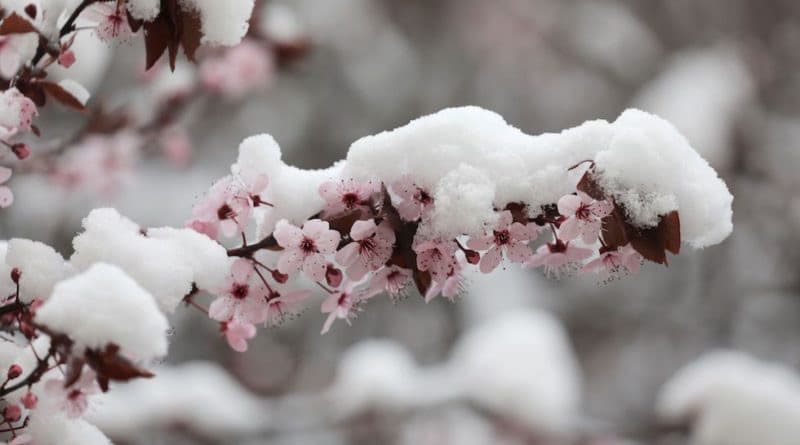
    Production problems in northern and southern Italy

    A climate gone mad

    The 2021 production season is not an isolated case. In recent years, it has become more and more difficult to produce honey due to extreme weather phenomena caused mainly by climate change. Indeed, the last five years have seen a abrupt drop in production as a result of abnormal cold spells, as was the case in 2019 with the production of acacia completely reduced to zero. After pesticides, the changing climate is one of the greatest dangers to the survival of bees and other pollinators.
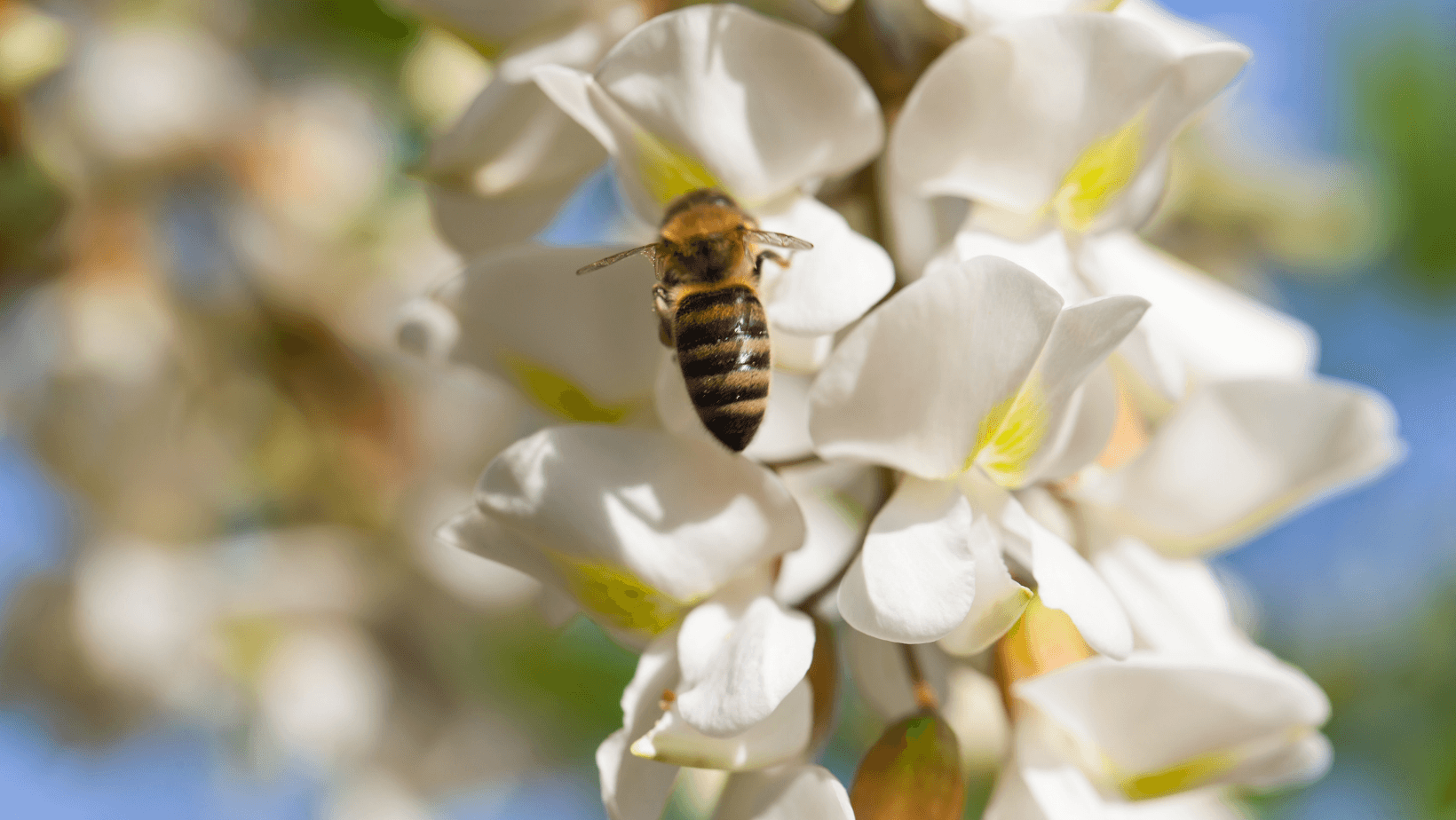
    A climate gone mad
    XNatura

    Anthropisation and habitat reduction

    Besides climate change, an antagonist par excellence, humanisation is also a major cause of reduced production and worsening living conditions for all hives. In recent years, our insect habitats and nectariferous pastures are decreasing due to unrestrained building and agriculture based on monoculture and loss of biodiversity. Although such interventions are carried out with the aim of adapting the environment to human needs and improving the quality of life, they do not necessarily have a positive impact on the environment; on the contrary, they often have a negative impact, irreversibly damaging the natural balance of ecosystems.
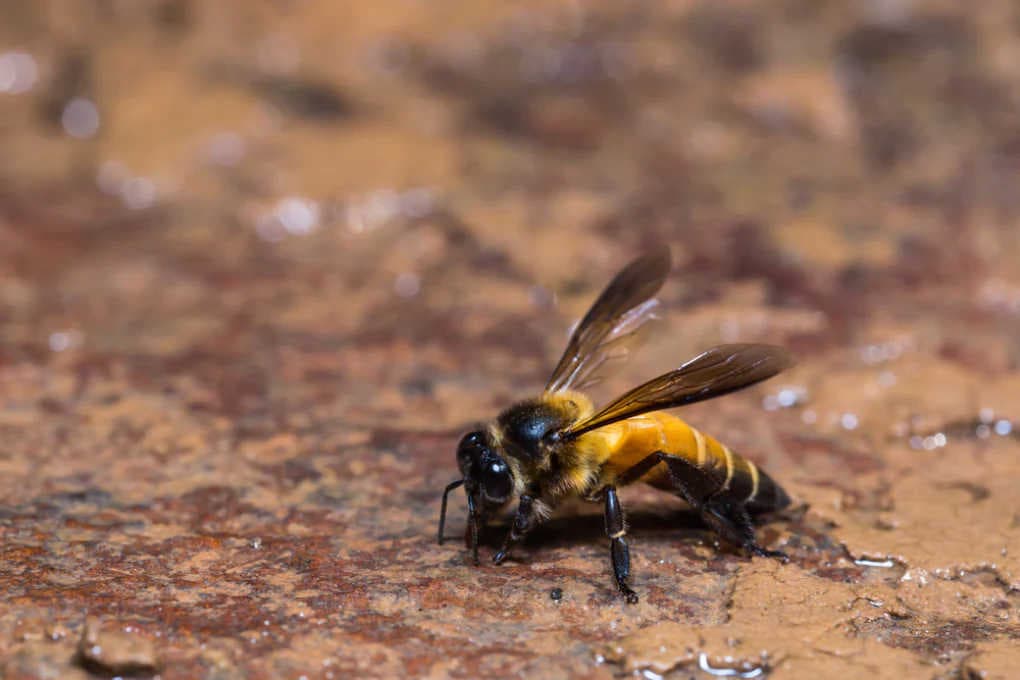
    Anthropisation and habitat reduction

    What to do in practice: a new 3Bee project

    At 3Bee, we always pay special attention to what are the needs of our beekeepers. This is the starting point of each of our projects: listening and talking in order to find a concrete way forward. Talking to beekeepers, we have noticed that climate-related problems are central issues for the beekeeping sector. These adverse events also affect bees, which find themselves with less and less rich pastures from which to gather nectar and pollen for their survival. This led to a deep reflection on what to do to implement a concrete initiative that would really help bees and beekeepers. We raised the bar a bit, trying to be advocates for even more change. This was the starting point for a new project, which sees us again at the side of beekeepers and pollinating insects. Thus was born the Oasis project all made in 3Bee..
    What to do in practice: a new 3Bee project
    XNatura
    08/10/2021Of 3Bee, Elena Fraccaro
    175 Views
    Newsletter
    newsletter
    Subscribe to the Blog about bees and biodiversity