Measuring urban plant biodiversity with citizenship and science
    topicalitycitizen sciencemonitoringbenefici

    Measuring urban plant biodiversity with citizenship and science

    As a complement to research activities in the field of urban green, citizen-science, supported by constantly updated software and databases, is a valuable tool for identifying and estimating the ecosystem services, such as biodiversity, that plants provide us with in the city.

    Read the article
    16/11/2024Of 3Bee, Luca Rossi
    298 Views
    16/11/2024Of 3Bee, Luca Rossi
    298 Views

    The importance of urban biodiversity

    Disclaimer: this is an automated translation from Italian. Go to the original article.

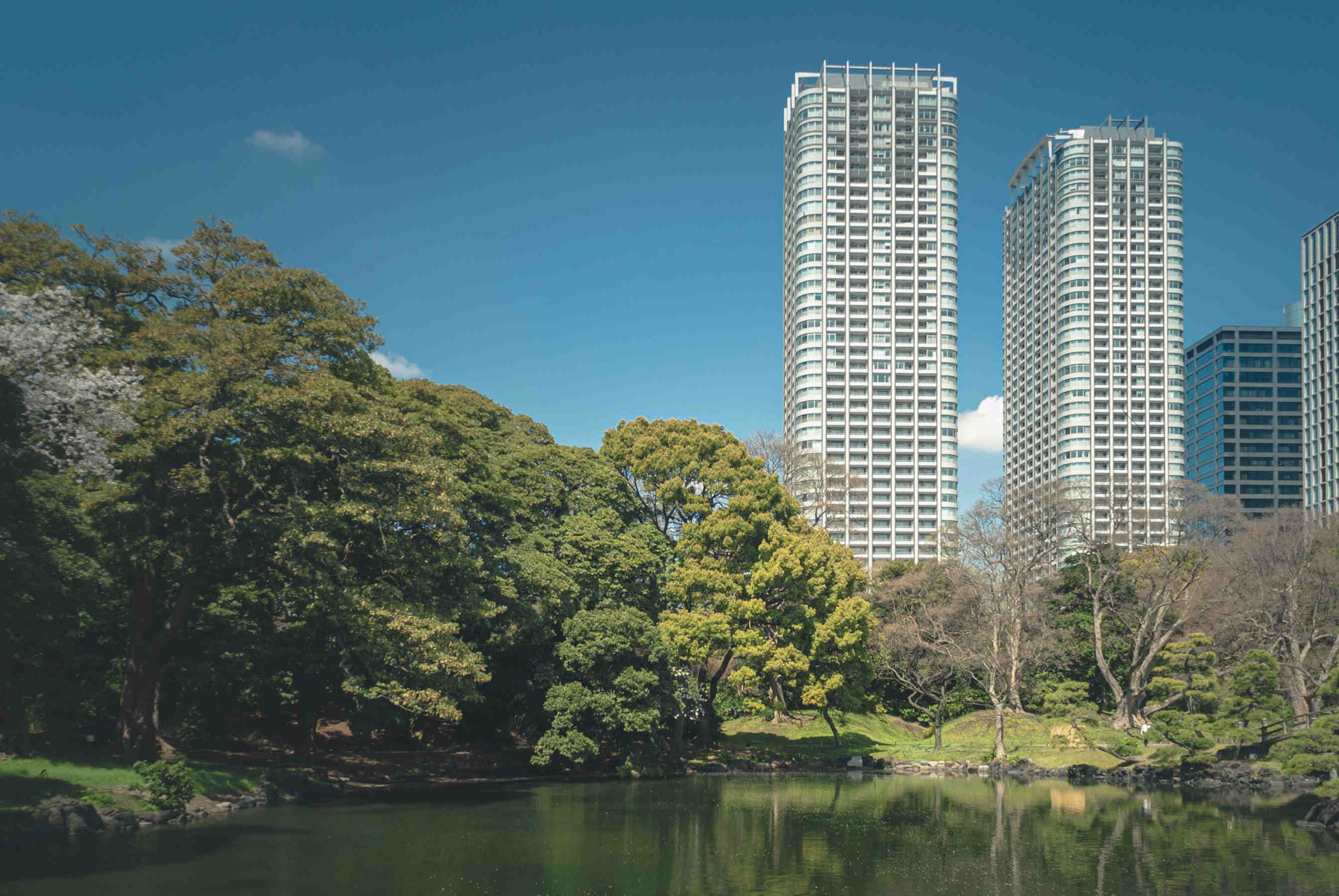
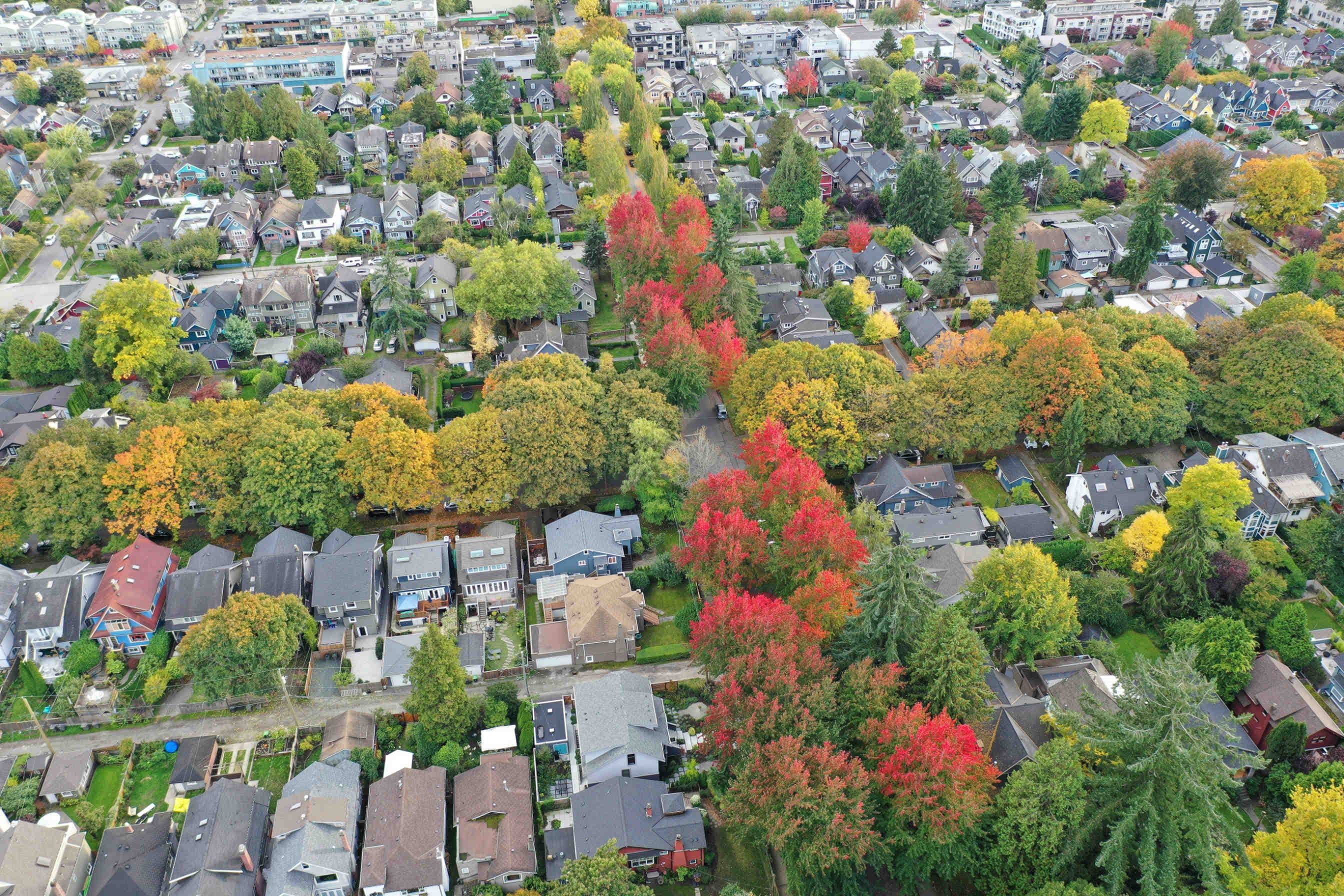
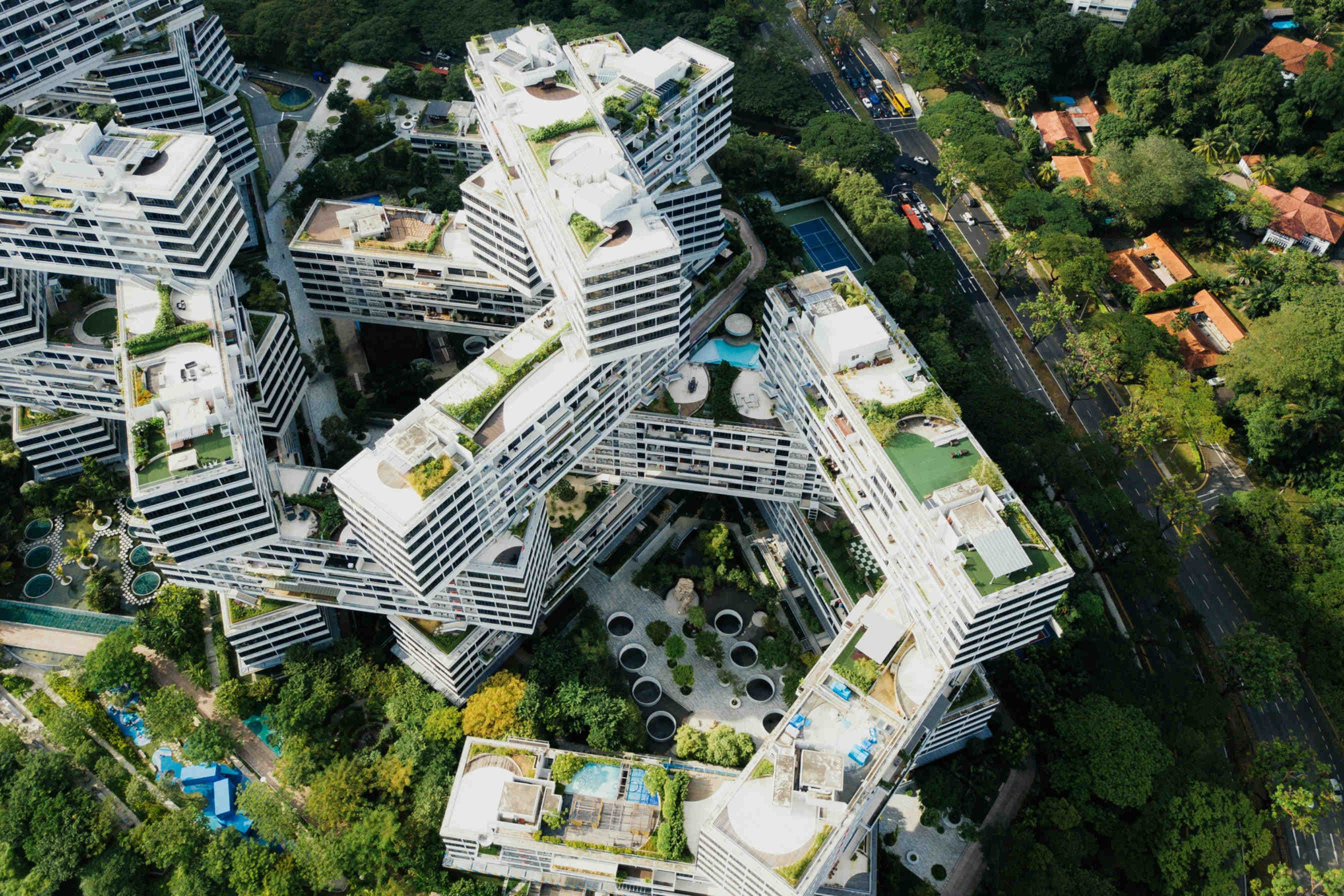
    Today more than 55% of the world's population lives in cities, environments that can host complex ecosystems in which vegetation plays a key role. This is told to us by the United Nations, in the Habitat 2020 report, which also reminds us that urban plant biodiversity is not only an aesthetic aspect, but also has a direct impact on quality of life. Urban plants help to improve the air, reduce the heat island effect, promote local biodiversity and provide spaces for relaxation. Euthoritative studies highlight how urban greenery is crucial for the resilience of cities, especially in the context of climate change and increasing urbanisation. citizen-science, combined with new digital technologies, is emerging as a powerful tool to monitor, manage and safeguard urban biodiversity more effecti
    urbanizzazione

    Citizen science: a bridge between research and society

    The citizen-science - literally science that is realised with the citizen's contribution - allows citizens to actively participate in the collection of environmental data, turning them into researchers in the field. This approach, theorised in the 1990s by Rick Bonney, has found an ideal application in urban biodiversity. Studies in various parts of the world have shown how mass participation has made it possible to involve hundreds of citizens and collect a large amount of data, which would be difficult to obtain with traditional methods. Indeed, citizen-science projects can create a widespread network of observers that monitors changes in urban flora in real time, even in large cities such as Berlin, where monitoring and conservation projects have led to the identification of over 1,000 previously unknown plant species in the city.

    mani unite
    XNatura

    Monitoring urban biodiversity with technology

    Technological innovation has greatly improved the monitoring of urban biodiversity. Citizen-science platforms, such as PlanNet and iNaturalist, combine citizen input with advanced algorithms for species recognition. iNaturalist, developed by the California Academy of Sciences, is an example of how machine learning can support vegetation monitoring. This tool has over 90 per cent accuracy in recognising common plant species, and the databases generated through these platforms, such as those integrated into the Global Biodiversity Information Facility (GBIF), provide vital information for urban green research and management, helping to predict how urban vegetation will respond to climate change and to identify species.

    smartphone foto albero

    From ecosystem function to economic benefit for humans

    Biodiversity is one of the so-called Ecosystem Services (ES), i.e. the benefits that natural ecosystems provide to humanity. These include supply services, such as food, water and timber; regulatory services, which involve functions such as air and water purification, stormwater management, climate regulation and carbon sequestration; cultural services, which provide recreational, aesthetic and educational benefits, enhancing the quality of life; and finally, support services, such as oxygen production, soil formation and, indeed, biodiversity, which are fundamental to the functioning of the other services. The economic value of these services is estimated by considering, for example, the savings related to the management of natural resources, the increased real estate value of green areas and the reduction of health care costs due to improved air quality.

    economic value
    XNatura

    Ecosystem Services: Evaluation and Economic Impacts

    The assessment of Ecosystem Services provided by urban vegetation is a central theme of ecological research. The academic world agrees that every single tree in the city is capable of generating significant economic benefits, such as carbon sequestration, air purification, rainwater regulation and management, and city air cooling. State-of-the-art software, honed over the years such as InVEST, utilises data on vegetation and topography allowing the quantification and mapping of the benefits that urban greenery provides to cities, supporting urban planning decisions. This tool is particularly useful for planning interventions that improve ecological sustainability and foster biodiversity, as it helps balance urban sprawl with the protection of ecosystems.

    viali alberati
    3Bee

    User-friendly software and participative monitoring

    One of the most advanced tools for measuring the Ecosystem Services provided by trees in the city is i-Tree, a free software developed by the U.S. Forest Service that helps quantify and visualise the ecological, economic and social benefits of urban greenery. i-Tree is a particularly useful suite because it integrates ecological science with citizen-science, enabling citizens and professionals to assess the impact of trees on the quality of life in cities. i-Tree is not only a calculation tool, but can also be used by citizens to collect data on the characteristics, status, size, species, and location of urban trees, to estimate their leaf area and to analyse their specific variability from a biodiversity perspective, reflecting how different types of plants contribute differently to the health of the urban ecosystem.

    user friendly

    Citizen involvement in urban green management

    The active participation of local communities creates a stronger link with the environment, raising awareness about the importance of urban greenery and about the impact that management choices can have on biodiversity. The use of i-Tree in urban contexts has had great success in the United States, where a increasing number of cities, from the West to the East Coast, have applied this type of analysis on their territory. In Chicago, for example, i-Tree has estimated that the city's trees contribute annually to reducing CO2 emissions and improving air quality, with an economic value of around $50 million. Born in the USA and spreading almost all over the world, i-Tree has also found application in Italy, finding fertile ground especially in recent years also in response to the needs of people fatigued by the restrictions imposed by COVID-19, in several cities including Milan, Perugia, Ancona, Padova, to name a few.

    cittadinanza

    Scientific protocols for data validation

    Citizen-science not only has scientific impacts, but social impacts as well. Recent studies show that participation in urban biodiversity monitoring projects increases citizens' environmental awareness and their sense of community. But to ensure that data collected through citizen-science are reliable, it is necessary to adopt rigorous scientific protocols. The European Citizen Science Association (ECSA) has developed guidelines combining accessibility and methodological rigour. The training of participants includes theoretical and practical sessions, accompanied by online tutoring and teaching materials. Data validation takes place through a multilevel process combining automatic checking by machine learning algorithms and expert review. This approach ensures data quality

    laptop

    Biodiversa: the 3Bee citizen science game app

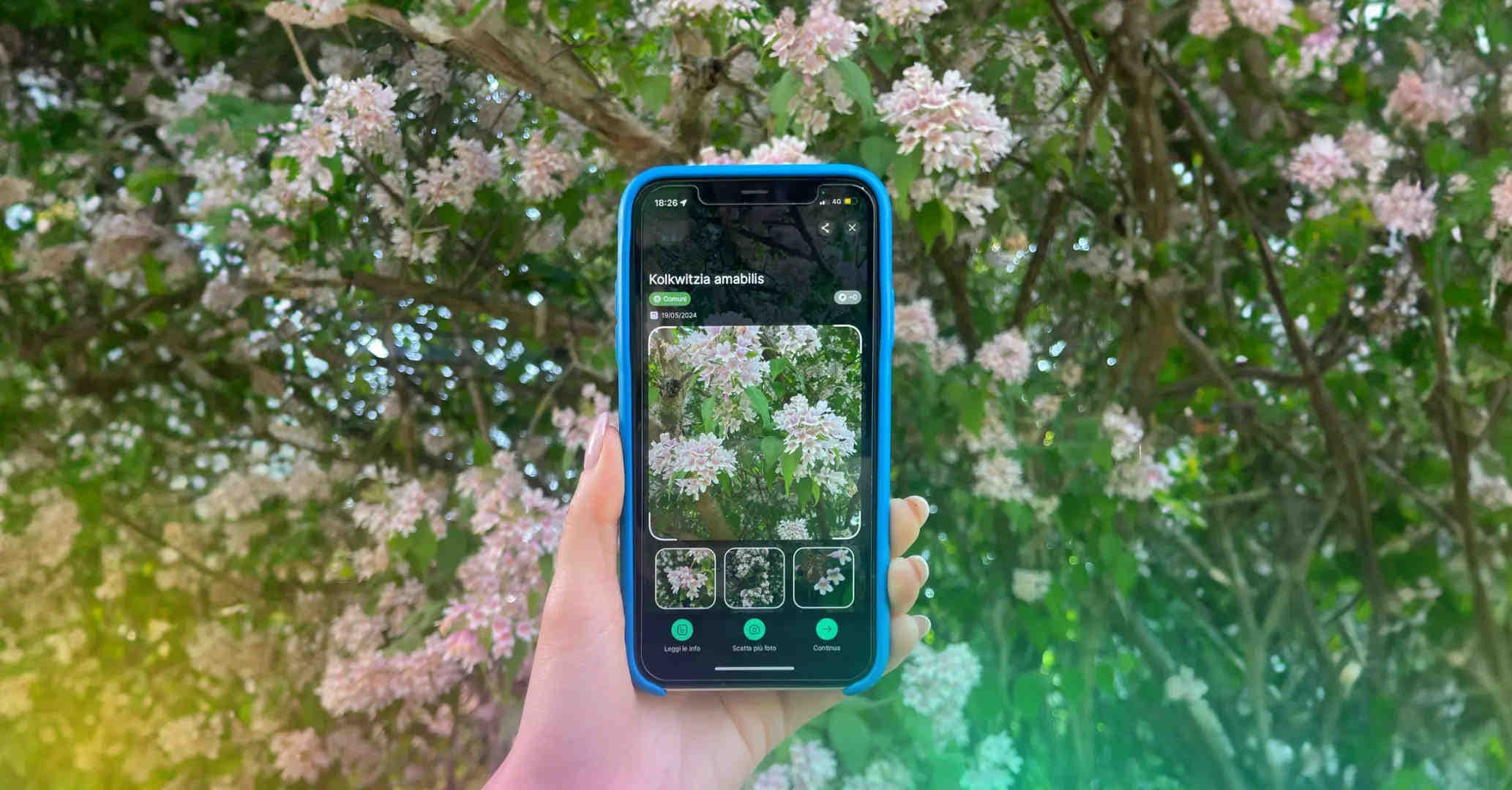
    In the context of Citizen Science is Biodiversa, 3Bee's free game app for biodiversity monitoring and ecosystem protection that allows users to easily 'collect' and identify plants and flowers encountered during an outdoor walk. This ambitious citizen science project aims to create a cooperative archive dedicated to flora (and in a second phase fauna) in Europe, involving player users with challenges to catalogue species, some of which are rare or endangered. Available for iOS and Android, Biodiversa has a dynamic similar to that of some well-known free-to-play video games that encourage moving and travelling in the real world to 'collect' characters. The app made by 3Bee in fact offers a gaming experience in which plants are all to be 'collected' and identified in order to collect experience points, level up and climb the leaderboard.

    biodiversa
    16/11/2024Of 3Bee, Luca Rossi
    298 Views
    Newsletter
    newsletter
    Subscribe to the Blog about bees and biodiversity