Lily of the Valley: fragrance, secrets, and biodiversity to discover
    ConvallariaNectarBell shape3Bee Oases

    Lily of the Valley: fragrance, secrets, and biodiversity to discover

    Fragrant and symbolic flower, the Lily of the Valley conceals a great botanical and environmental wealth. Discover how many species exist, where it grows in the world, and why it is important for ecosystems and pollinators, also thanks to the conservation projects by 3Bee.

    Read the article
    29/07/2025Of 3Bee, 3Bee
    552 Views
    29/07/2025Of 3Bee, 3Bee
    552 Views

    Lily of the Valley: not just a European plant

    Disclaimer: this is an automated translation from Italian. Go to the original article.

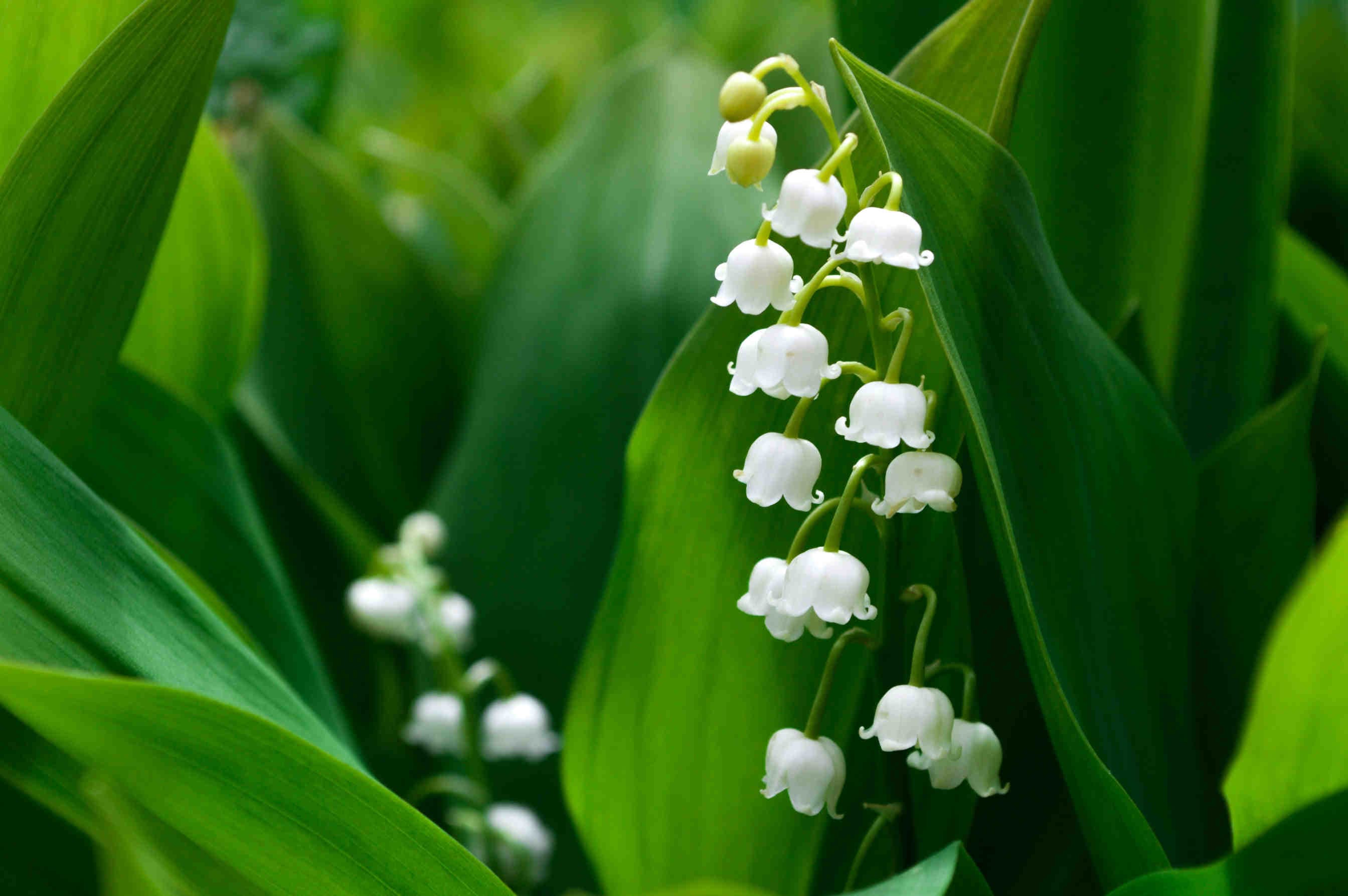
    Known as Lily of the Valley, Convallaria exists in nature in several varieties. The most common species is Convallaria majalis, widespread across Europe, the Caucasus, and northern Asia. However, there are also Convallaria keiskei in Japan and Korea, and Convallaria montana, native to some eastern U.S. states. All share the unmistakable bell-shaped white flower and strong fragrance, but differ in size and habitat. Some bloom earlier, others prefer mountainous altitudes or more humid climates. This variability makes them indicators of plant biodiversity in their respective ecosystems. Lily of the Valley also has a rich symbolic history: in France, it is considered a good luck charm on May 1st, and in many European cultures, it represents purity. Botanically, it is fascinating for its reproductive strategy.
    3bee-blog-mughetto-non-solo-una-pianta-europea

    How much nectar does Lily of the Valley really produce?

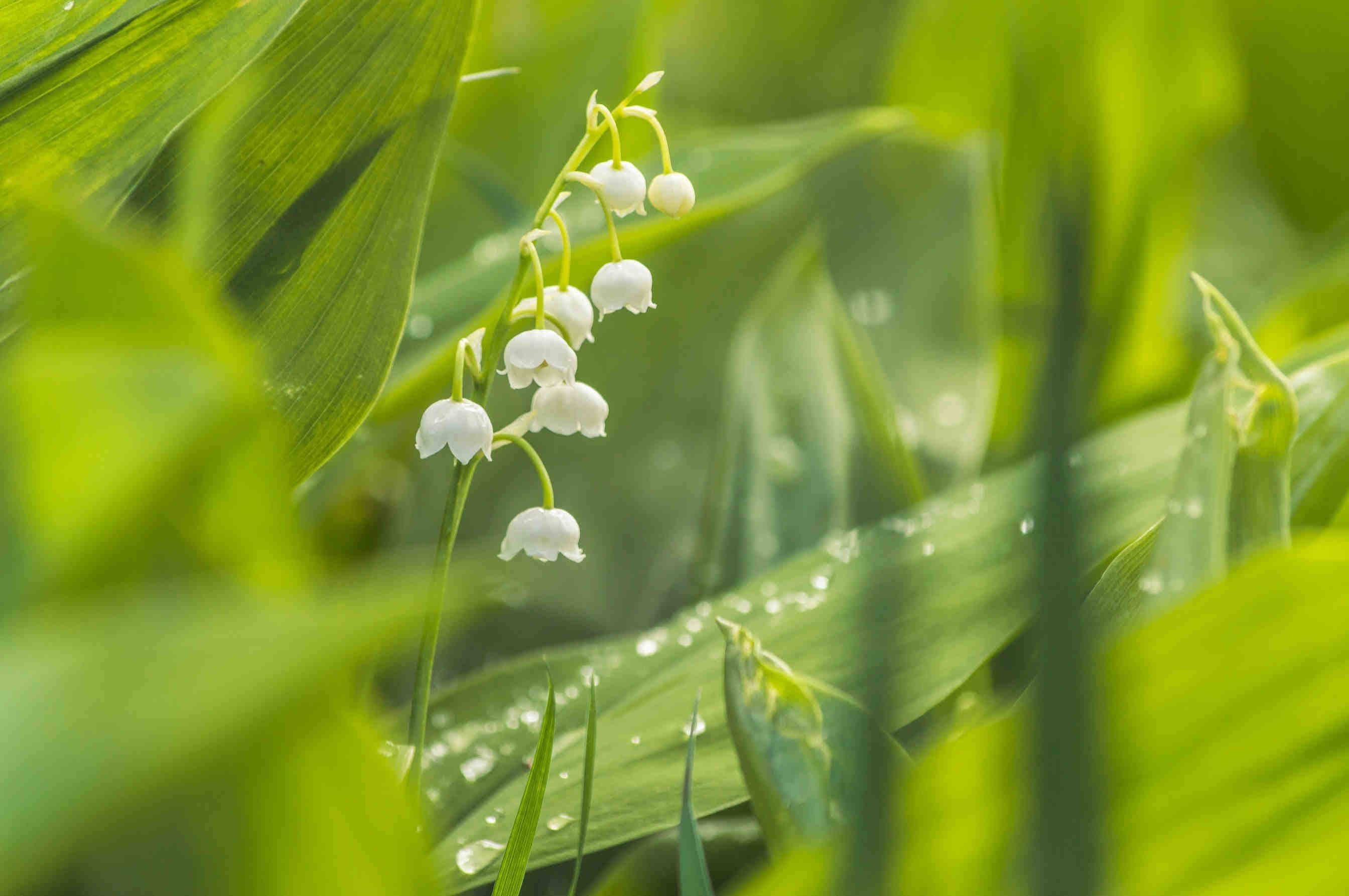
    Despite being much loved for its beauty, the lily of the valley is a plant with little nectar. Its flowers do not offer large quantities of nectar, yet they still attract pollinators such as wild bees, bumblebees, and butterflies, thanks to the scent and the protected shape of the flowers. In some ecosystems, its spring blooms precede the peak presence of other plants, providing an early foraging point. The lily of the valley grows spontaneously in moist woods, beech forests, heaths, and shady slopes, where the soil is cool and rich in humus. It favours undisturbed environments, where plant biodiversity is intact. Its presence indicates a balanced ecosystem, capable of offering stable microclimates and ground cover.
    3bee-blog-quanto-nettare-produce-davvero-il-mughetto
    XNatura

    The bell shape: just for beauty?

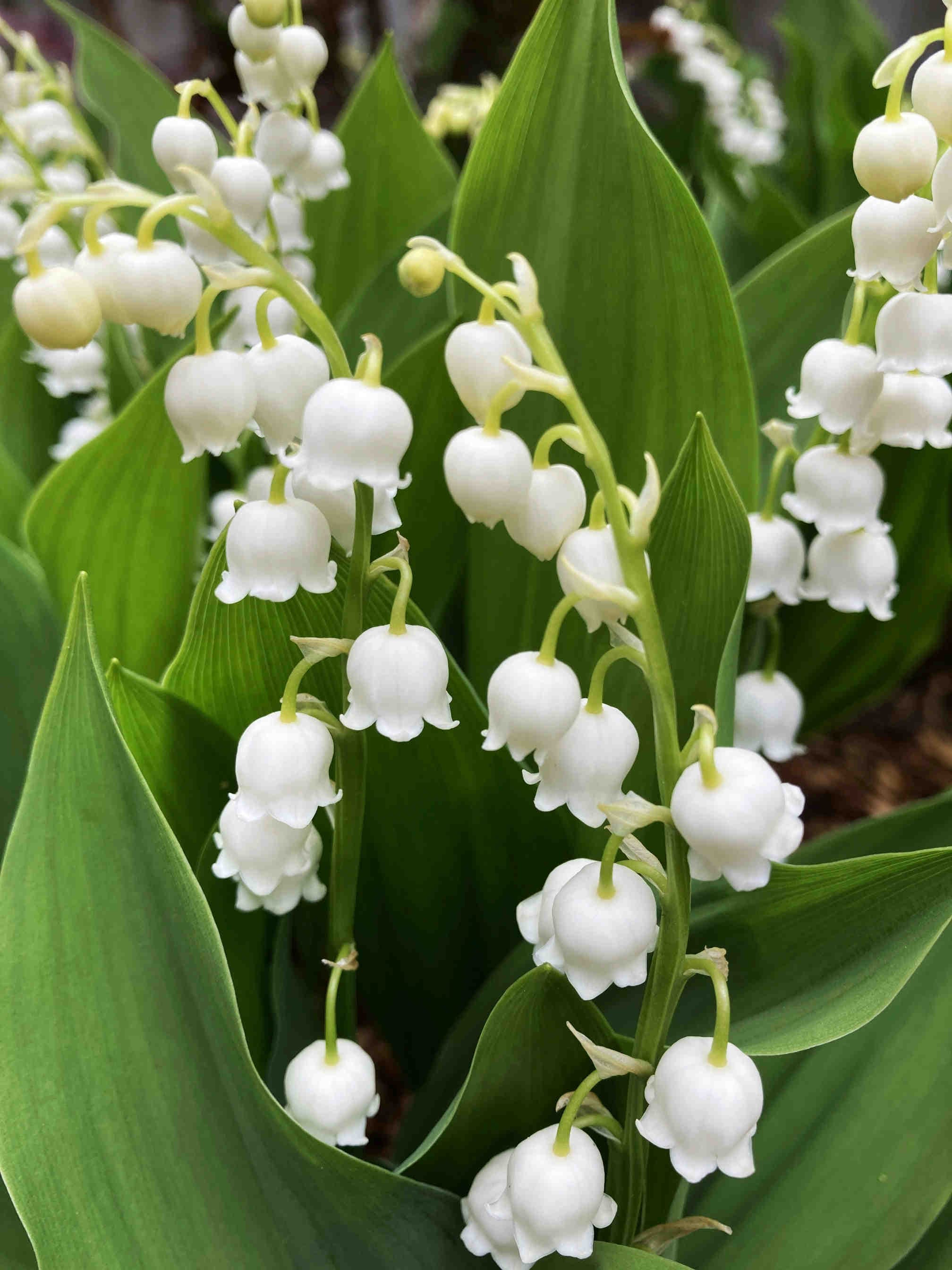
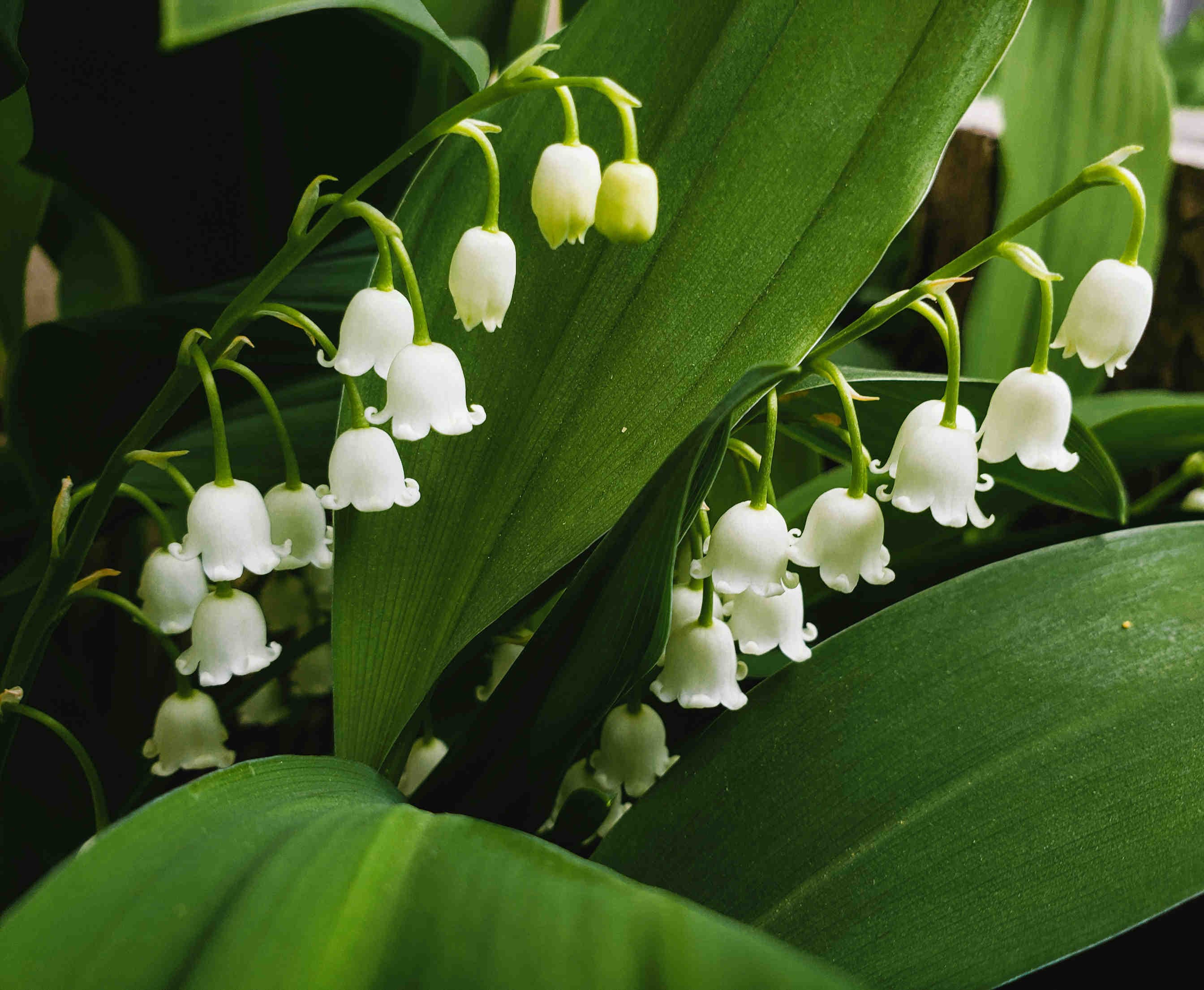
    The Lily of the Valley flower is among the most recognisable in nature: a small, pendulous, white, waxy bell with an intense aroma. At first glance, it might seem somewhat inaccessible to pollinators: the closed shape could indeed hinder the entry of larger bees. However, small pollinators such as solitary bees and certain species of bumblebees manage to penetrate the structure and access the stamens, thanks to their ability to vibrate and their more compact bodies. The flower thus acts as a natural filter, favouring specific species and reducing the risk of nectar theft by non-pollinating insects.
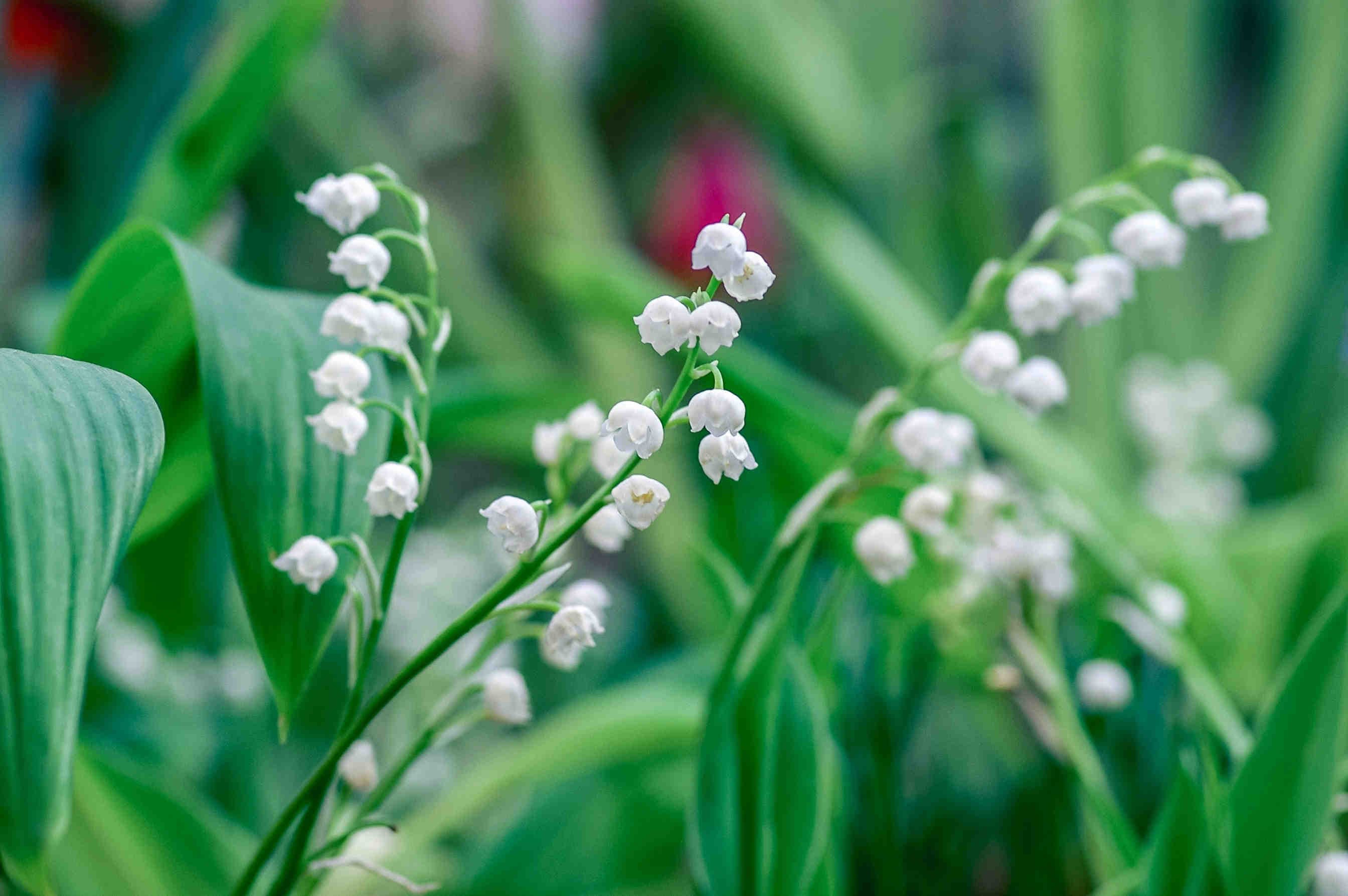
    3bee-blog-la-forma-a-campanella-solo-per-bellezza

    The 3Bee Biodiversity Oases

    The Biodiversity Oases are spaces regenerated through technology and botanical selection designed to encourage the return of pollinators and beneficial fauna. Each Oasis is designed with nectariferous trees, native shrubs, and environmental monitoring systems such as Hive-Tech, Spectrum, and Birdy. Although the lily of the valley is a symbolic and useful plant in certain contexts, it is not commonly included in the 3Bee Oases, as we prefer tall species with high ecological and structural value. However, due to its decorative form and ground-covering ability, it can be appreciated in contexts such as naturalistic flowerbeds or passage areas, where it serves as a ground cover.
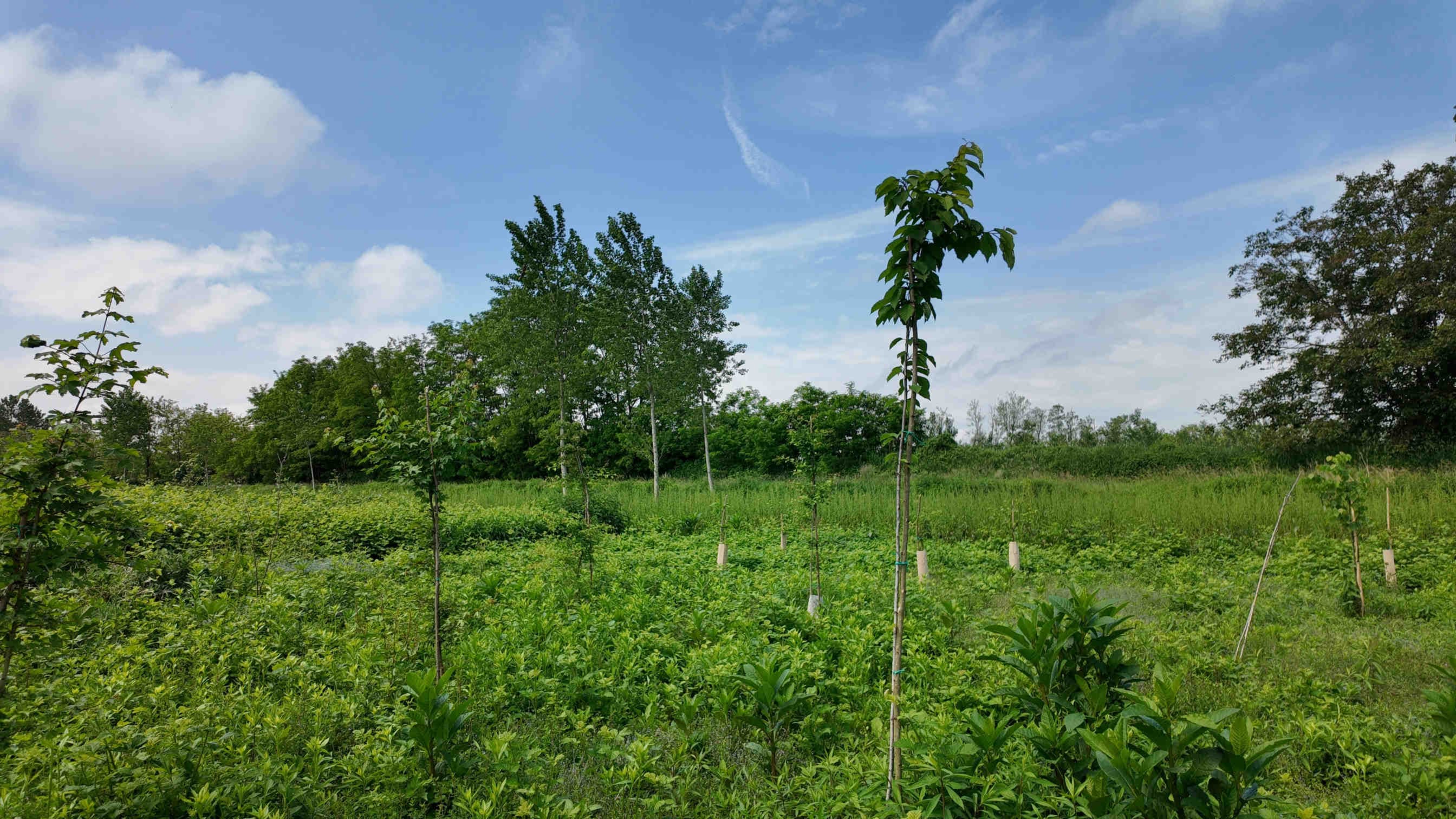
    3bee-blog-oasi-della-biodiversita
    XNatura

    The white of the flowers: a message for the pollinators

    The Lily of the Valley flower is white, small, and discreet. Yet in nature, even the most subtle colours convey clear signals. White flowers, often underestimated, play an essential role in ecosystems: they reflect light even in shaded or twilight conditions and are particularly visible to the eyes of nocturnal or crepuscular insects, such as certain moths and solitary bees. This colour acts as a beacon in the undergrowth, where light is scarce and visual competition between flowers is less. White communicates purity, but also immediate energy availability. Thus, in their elegant and closed form, lily of the valley flowers transmit precise messages to those who can decipher them: "here there is fragrance, there is shelter, there is something to discover."

    3bee-blog-il-bianco-dei-fiori-un-messaggio-per-gli-impollinatori
    3Bee

    XNatura: listening to the silent language of ecosystems

    Pollinators and plants have always communicated in a language that humans struggle to grasp: one made of colours, shapes, vibrations, and seasonality. XNatura, the nature intelligence division of 3Bee, was created to translate this silent complexity into concrete data. Through technologies such as bioacoustic sensors, IoT devices, and satellite analysis, XNatura listens to, records, and interprets the signals emitted by ecosystems: from blooms to pollinator flows, from soil quality to the level of land artificialisation. This system allows us to synchronise with nature, acting promptly to protect and enhance it. In a world where natural language risks being drowned out by the noise of urbanisation, XNatura amplifies its voice, making every Biodiversity Oasis a listening point, and every plant, even the lily of the valley, a living and measurable signal.
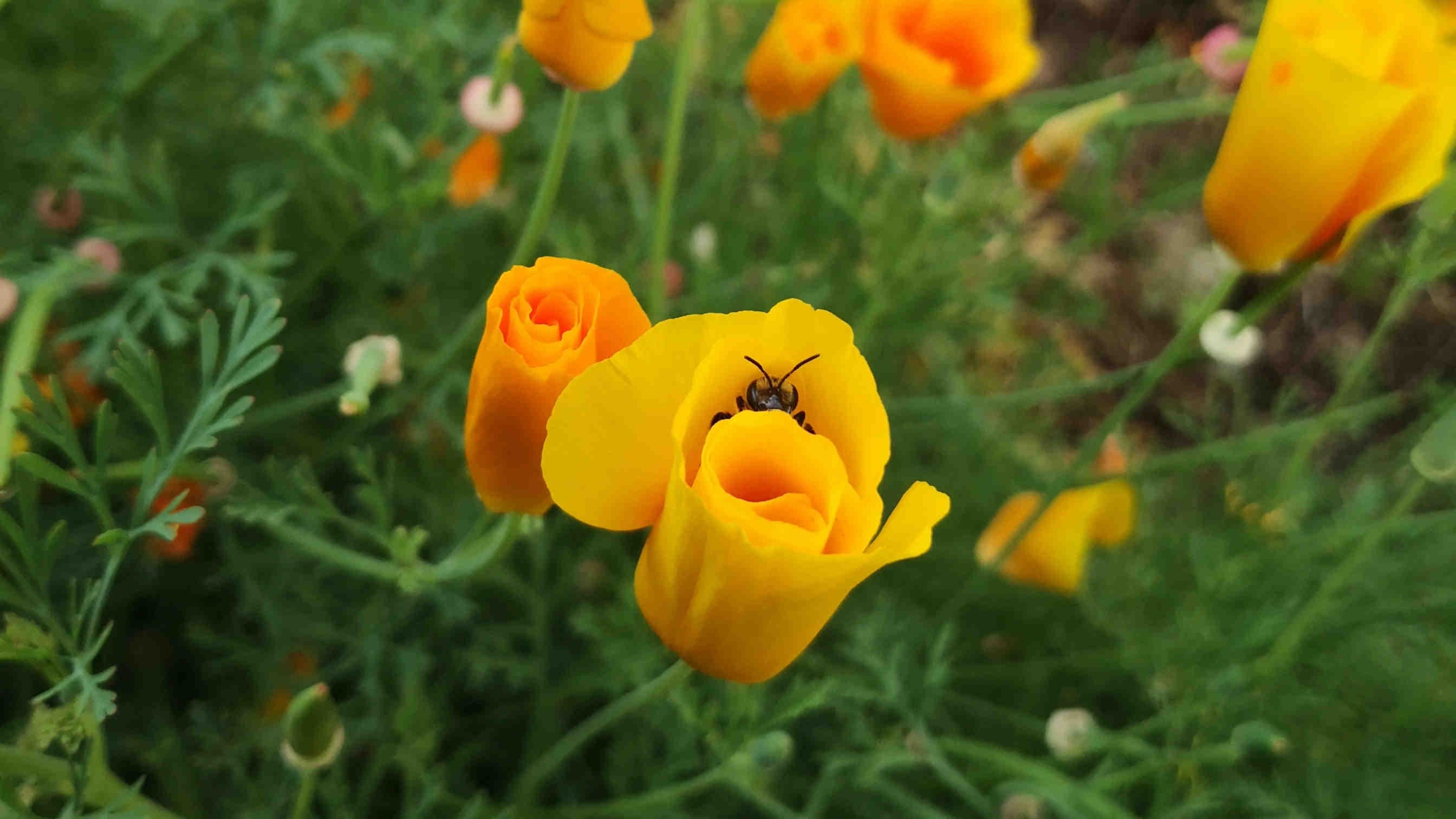
    3bee-blog-xnatura-ascoltare-il-linguaggio-degli-ecosistemi
    29/07/2025Of 3Bee, 3Bee
    552 Views
    Newsletter
    newsletter
    Subscribe to the Blog about bees and biodiversity