Juniper: Everything You Need to Know
    JuniperDistributionLife cycleLeaves

    Juniper: Everything You Need to Know

    Juniper is an evergreen plant belonging to the Cupressaceae family, widespread in the temperate regions of the northern hemisphere. Discover in this article its characteristics, where it is widespread, the life cycle of this plant, and some interesting curiosities.

    Read the article
    05/12/2024Of 3Bee, Lisa Santillo
    2513 Views
    05/12/2024Of 3Bee, Lisa Santillo
    2513 Views

    Juniper: characteristics, flowers, and fruits

    Disclaimer: this is an automated translation from Italian. Go to the original article.
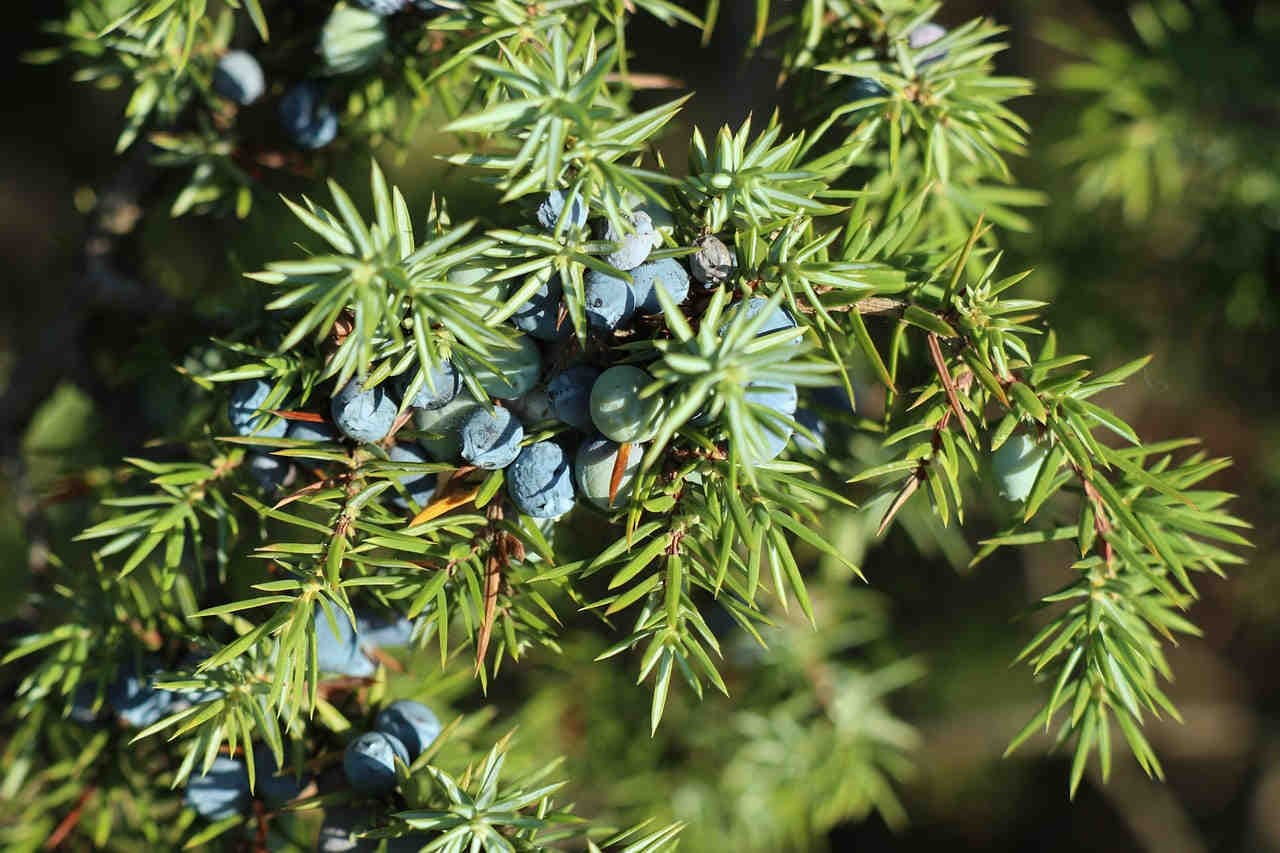
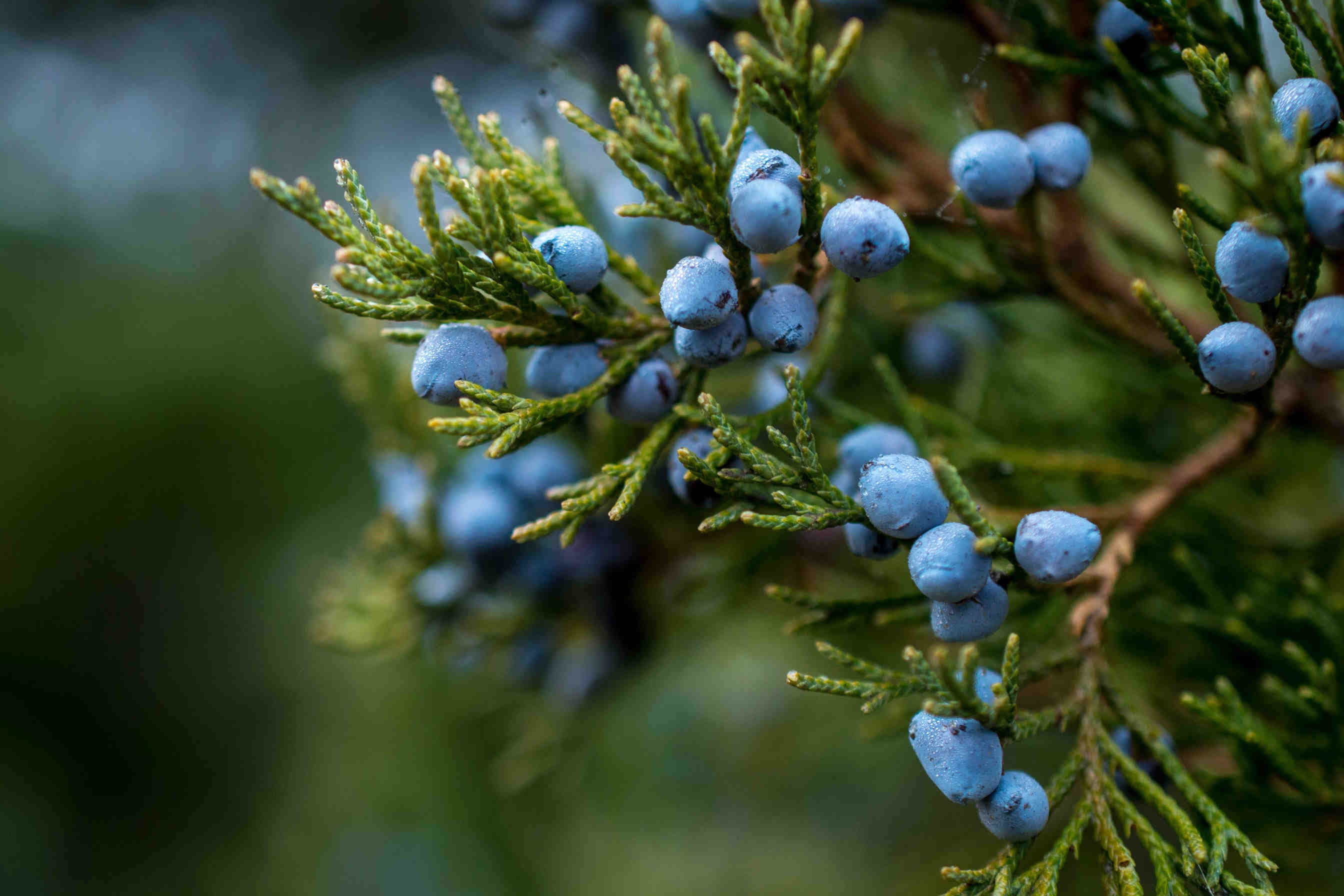
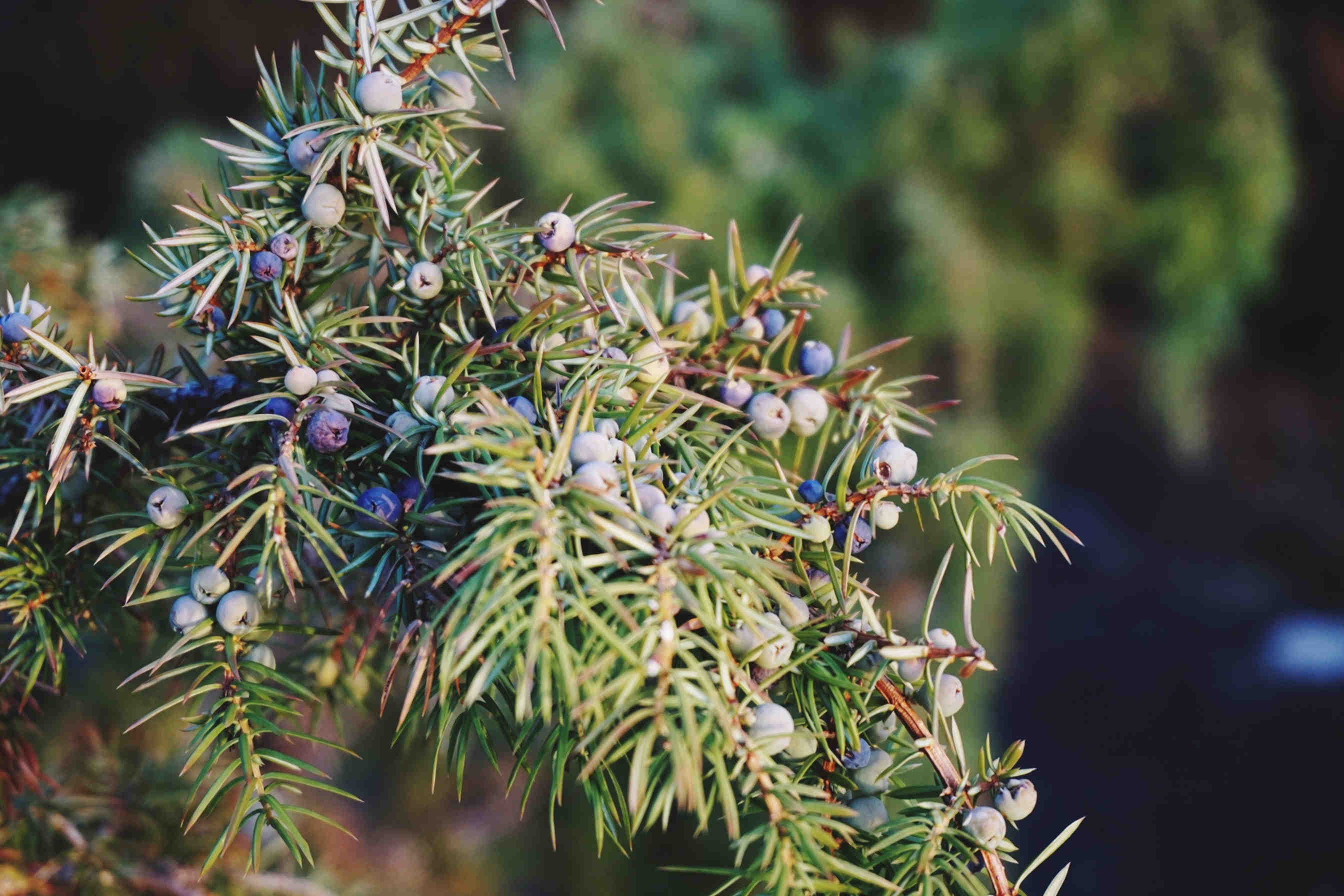
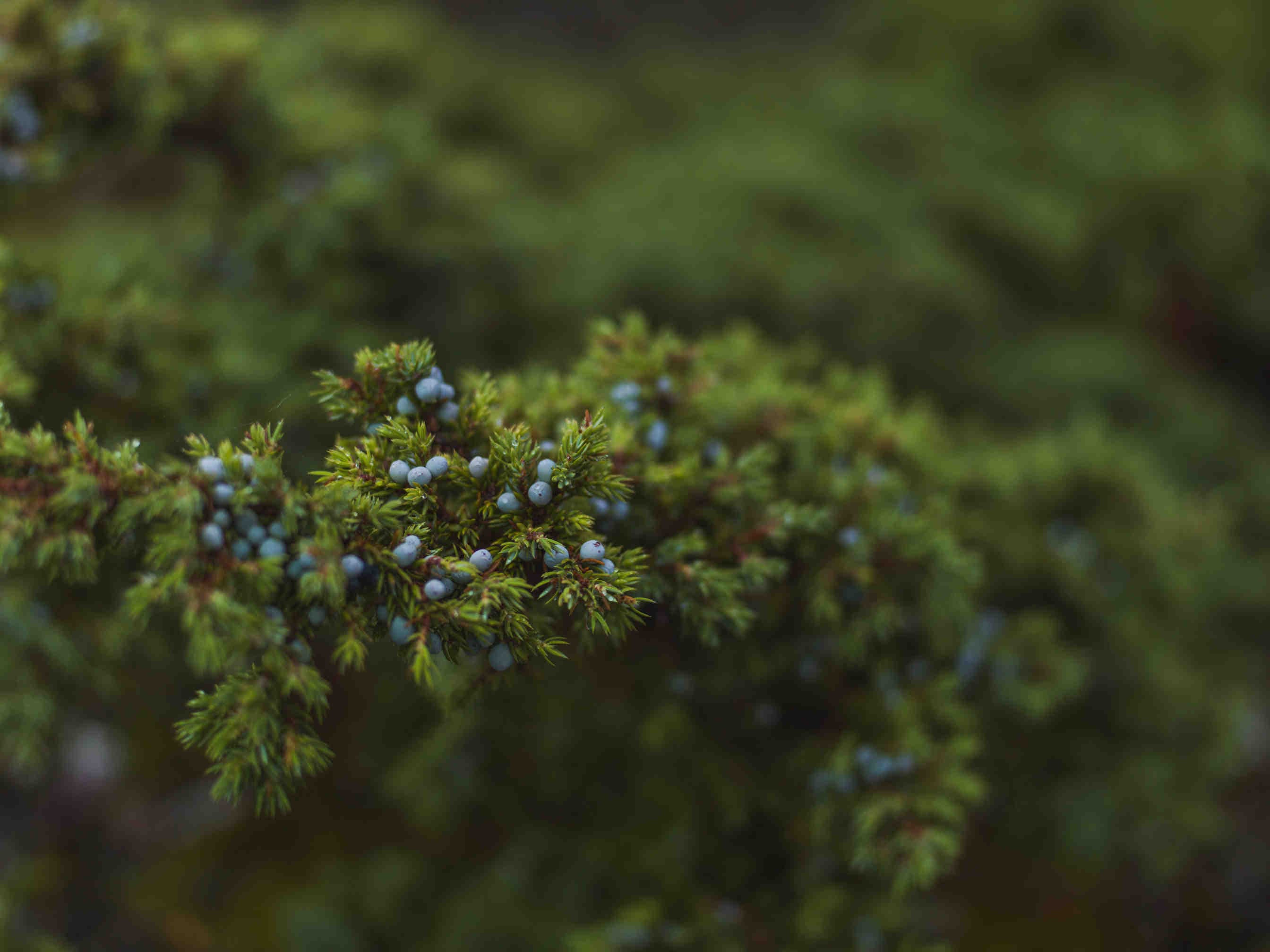
    Juniper (Juniperus communis) is a perennial plant belonging to the Cupressaceae family. Its bark is gray or brown, while the leaves are needle-like, long, and narrow, similar to those of pines. Young leaves are light green, while more mature ones tend to turn darker green, almost bluish. The flowers of juniper are very small and inconspicuous, but their role in the formation of fruits is fundamental: they are male and female and develop separately on the same plant. The fruit of juniper is a small berry, spherical in shape, which is initially green and over time becomes a deep blue-black when it matures. These berries are the most distinctive feature of the plant and are covered with a thin waxy layer.

    ginepro pianta

    Juniper distribution

    Juniper is mainly distributed in the temperate regions of the northern hemisphere. It is a plant that grows spontaneously in Europe, Asia, and North America, especially in mountainous areas and on poor and arid soils. Resistant to cold and drought, juniper can thrive in even less favorable environments, like grasslands and mountain forests. Its distribution is linked to its adaptability: it can grow at both low and high altitudes, up to 2,000 meters above sea level, and in various types of soil, even those less rich in nutrients. In Europe, juniper is more common in the Mediterranean regions, the Alps, and the mountainous areas of Scandinavia. Its distribution is more limited in tropical areas, where the warm and humid climate does not favor its growth.

    ginepro primo piano
    XNatura

    Juniper's life cycle

    The life cycle of juniper is long and develops in various phases. The plant grows slowly and can live up to 100 years. Young specimens start as small shrubs and, over decades, can become real trees, with a trunk that can reach 10 meters in height. During the early years, juniper is particularly sensitive to climatic conditions and soil, but once it reaches a certain stability, it grows slowly, accumulating a fragrant resin that characterizes its aroma. Juniper produces berries only when it reaches a certain maturity, usually between 3 and 10 years, depending on growing conditions. The flowering cycle occurs between spring and summer, but the fruits do not fully mature until two years after flowering.

    ginepro foglie

    How to recognize juniper leaves

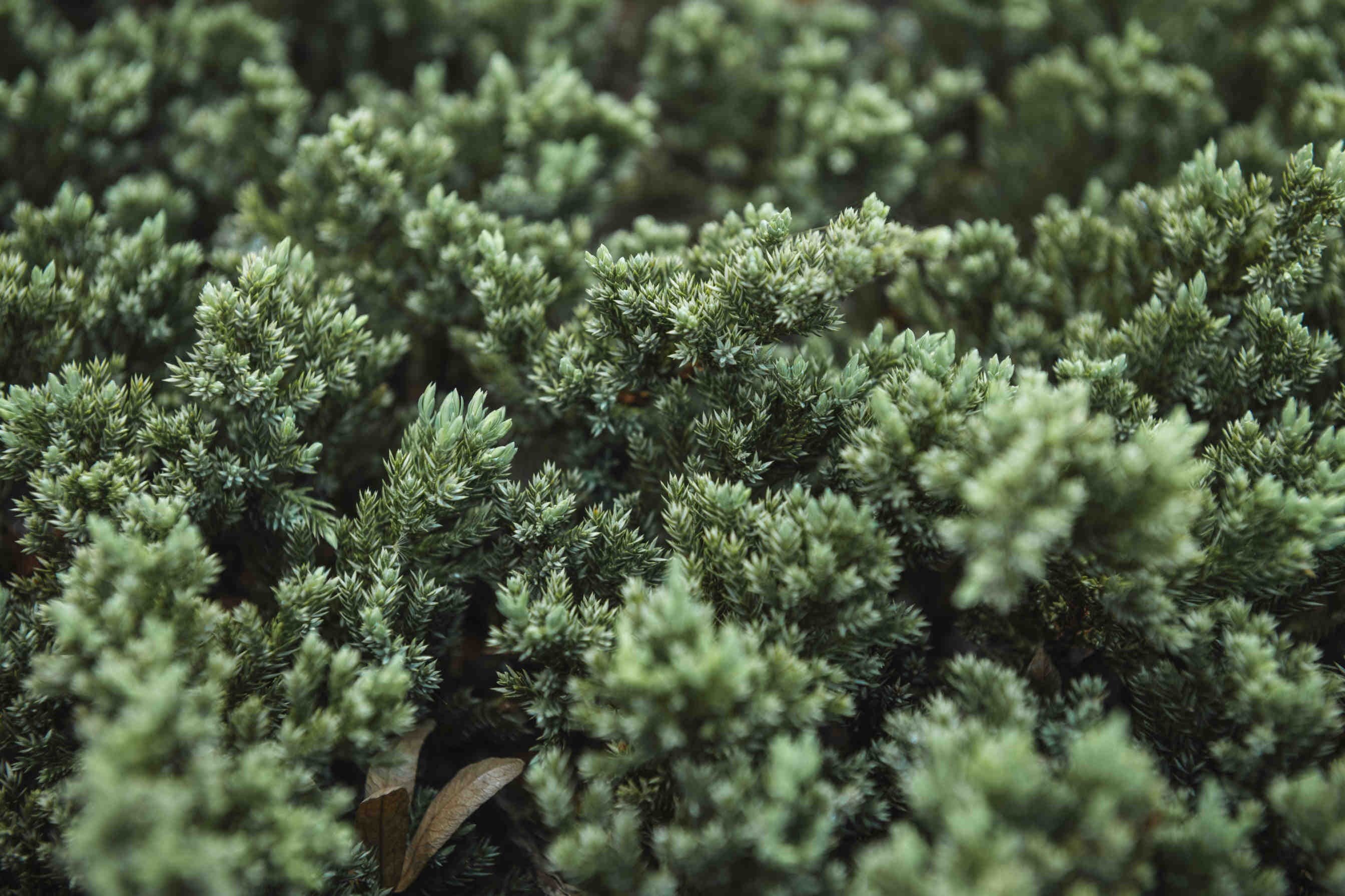
    Juniper leaves are one of the most distinctive features of the plant. Unlike other conifers, which have thinner needle-like leaves, juniper leaves are robust, pointed, and linear in shape. Young leaves are light green and soft to the touch, while adult leaves become firmer, thicker, and of a more intense green. Another interesting characteristic of juniper leaves is their arrangement: they are arranged in groups of 3 and, when touched, they emit a characteristic resinous aroma. Juniper leaves, like its berries, contain essential oils with therapeutic and aromatic properties.

    ginepro
    XNatura

    Origin and meaning of the name, symbolism, and curiosities

    The name "juniper" derives from the Latin juniperus, which in turn comes from the Greek juniperus, meaning “young” or “fresh,” perhaps referring to the vibrancy of its berries. In many cultures, juniper is a symbol of protection, purification, and longevity. In ancient times, its berries were burned as incense during religious ceremonies, and they were believed to have magical powers to ward off evil spirits. In some folk traditions, juniper has also been associated with fertility and protection from disease. In addition to being a symbol of purification, juniper is also a recurring element in mythology. In European folklore, juniper berries were considered a powerful talisman against evil, and some people believed that planting one near their home would ward off negativity. Fun fact: juniper is also one of the main ingredients of gin, a distilled spirit that takes its name from the plant.

    app Biodiversa concorso
    3Bee

    Biodiversa: the 3Bee game app to monitor biodiversity

    Biodiversa is the free game app for monitoring biodiversity and protecting ecosystems, allowing you to easily “collect” and identify plants encountered during a walk in the open air. An ambitious citizen science project aimed at creating a cooperative archive dedicated to flora in Europe, involving user players with cataloging challenges for species, some of which are rare or endangered. Available for iOS and Android, Biodiversa has a dynamic similar to some well-known free-to-play video games that encourage movement and travel in the real world to “collect” characters. Additionally, starting from September 9, 2024, the "Biodiversa Heroes" competition launches: each new and different plant photographed and captured allows players to earn a point and climb the leaderboard to try to win fantastic prizes. The goal is to reward the most "biodiverse" nature explorers.

    05/12/2024Of 3Bee, Lisa Santillo
    2513 Views
    Newsletter
    newsletter
    Subscribe to the Blog about bees and biodiversity

    Frequently Asked Questions

    Do you have any doubts or other curiosities about this article? Here you will find some insights