June in the beehive: Here are all the beekeeper's jobs
    SwarmingRunningRemovalFioriture

    June in the beehive: Here are all the beekeeper's jobs

    We are now approaching the halfway point of June, but the tasks for beekeepers show no signs of abating. June is also a very busy month, characterised by a lot of flowering and some very important work to preserve the health of the family.

    Read the article
    15/06/2018Of 3Bee, Elena Fraccaro
    641 Views
    15/06/2018Of 3Bee, Elena Fraccaro
    641 Views

    Late swarming

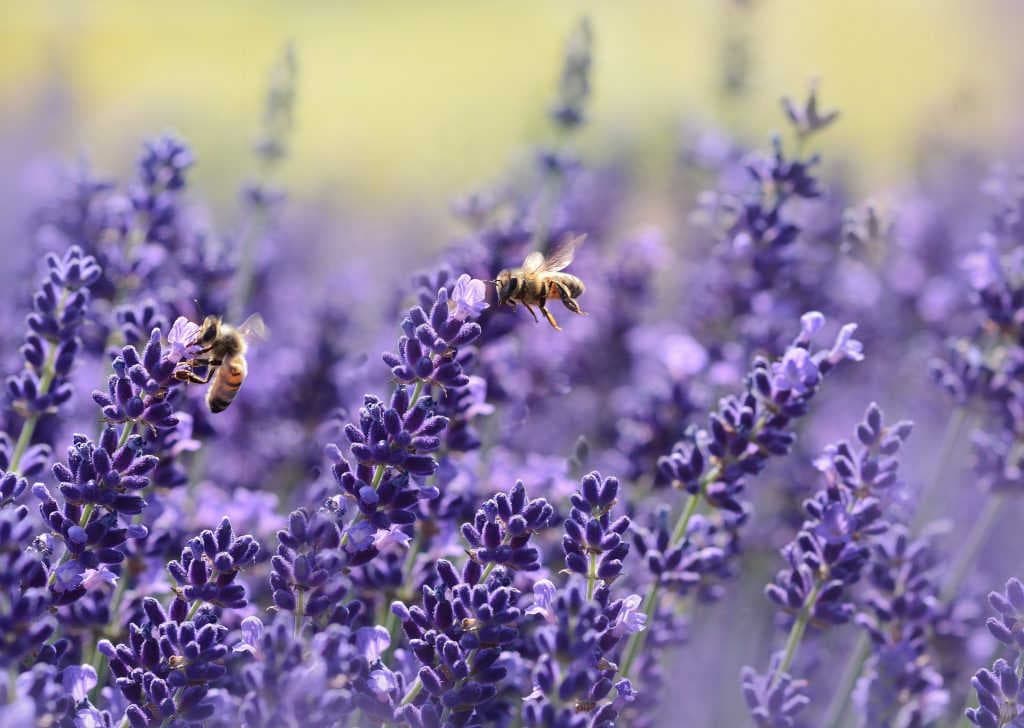
    At this time of year, one still has to worry about the possibility of swarming. Late episodes may occur, and the beekeeper must be prepared to avoid losing their families. In this sense, one can proceed with the manual removal of the royal cells under construction, taking great care not to forget a single one, or one can also continue the practice of creating new nuclei, removing frames of fresh and operculated brood that will be replaced with frames with wax sheets to be constructed, replacing queens or balancing families.
    Adding and removing honeycombs

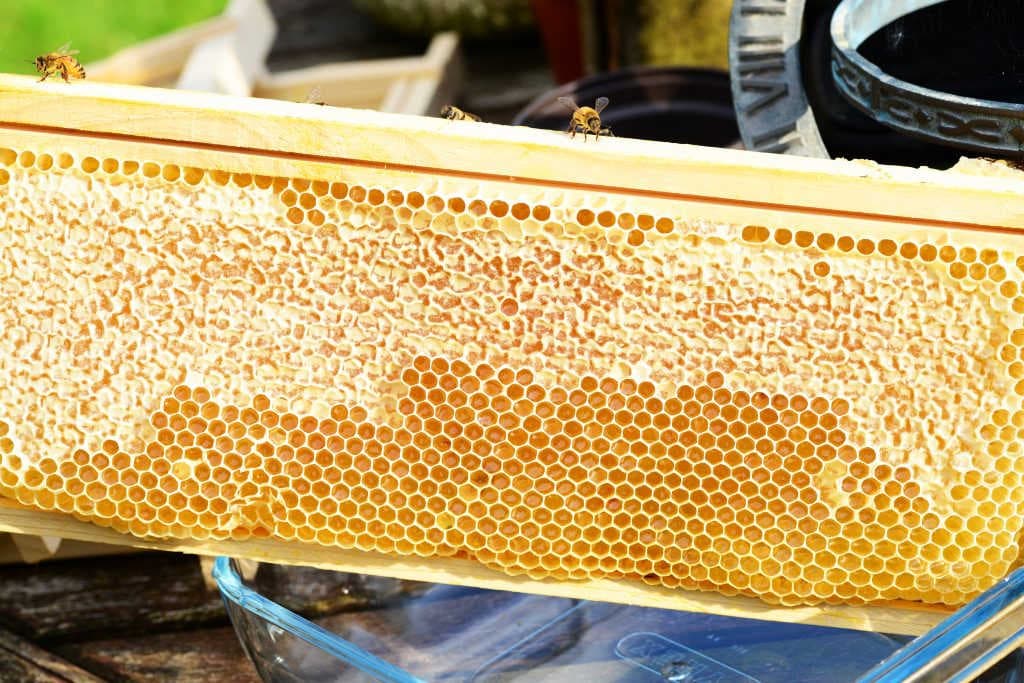
    Another practice to control swarming, as already seen, is the addition of the honeycombs. In mid-June, however, the management of the honeycombs is not only related to this event, but also to honey production. The timing for adding and removing the honeycombs is very important: removing the honeycombs too early could mean risking having honey that is too wet and at risk of fermentation, while removing them too late would lead to contamination of the different blooms and this would not be favourable for beekeepers who want to produce monofloral honey. The 'rule' is that the appropriate time to remove the honeycomb is when it is at least 3/4 operculated. In general, one always checks that the honey is ripe: one takes the frame, shakes it and, if the honey does not drip, it means it is ready to be removed. At the beekeeper's discretion, specific instruments can also be used to measure the moisture level.
    Adding and removing honeycombs
    XNatura

    Honeycomb removal procedures

    Before removing the honeycombs, of course, one must ensure that all the bees have descended into the nest. For this reason, one can either use the blowers, tools mainly chosen by those who have many hives, or the traditional beekeeper. The latter is a tool that is inserted between the nest and the honeycomb and allows the bees to descend to the nest, but not to ascend. In this way, in a few days you can be sure of being able to remove the honeycomb without finding bees in it. In the event that this is not the case, the reasons could be that you have positioned the honeycomb incorrectly or that you have not inserted the queen excluder. This almost certainly results in the presence of brood combs in the honeycomb and, consequently, bees tending them. It is not advisable to remove these combs, but it would be preferable to leave them in place until there is no more brood.

    Blooms of great interest

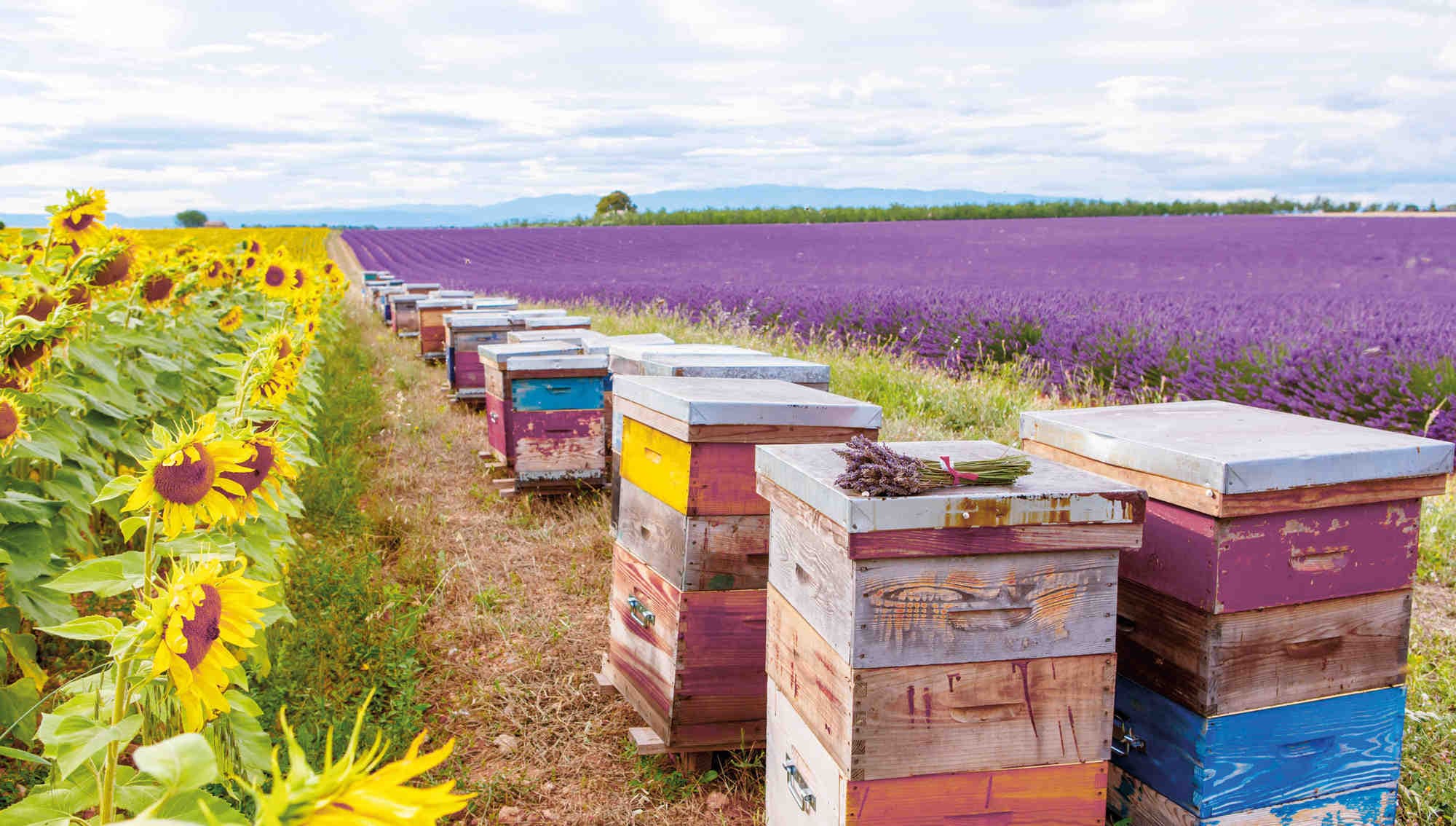
    June is also a month full of blooms that are interesting for honey production, especially the honey and the chestnut. To follow these blooms throughout their development, beekeepers practice nomadism, moving their boxes from place to place to maximise their production. Other plants of beekeeping interest that see their flowers bloom during this period include lavender, alfalfa, bramble, eucalyptus, rape and clover.
    Blooms of great interest
    XNatura

    Construction of traps against hive predators

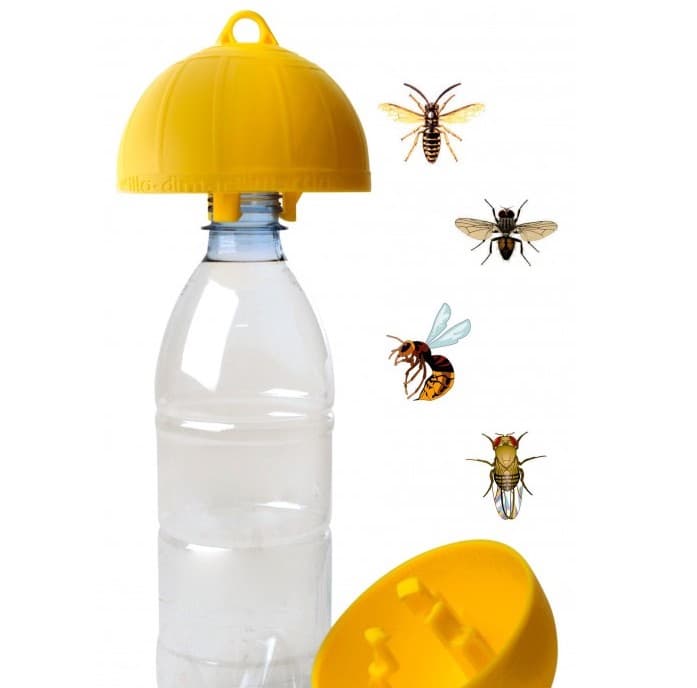
    This is also the time of year when the risk of attack on the hive by various predators, such as wasps and hornets, increases. Although bees have managed to develop defence mechanisms against some of them, it is always useful to provide extra help through the use of products such as pheromones or through the construction of traps. The most famous and easiest method is the one constructed from a very common plastic bottle. By cutting the bottle in half and inserting the upper part into the lower part like a imbute, it can be filled with sweet drinks or beer and then hung from trees near the hives. In this way, predatory insects will be attracted by the drink and, trying to drink it, will get caught in the trap. This method is very effective, especially if applied as early as March, very economical and at the same time very environmentally friendly.
    Construction of traps against hive predators
    3Bee

    Renewal of Queens

    Some beekeepers choose this month to change queens. It is worth remembering that the younger the queens, the lower the risk of swarming, while it increases as the age of the queen increases. This consideration, combined with the abundant presence of drones in the hive at this time and the lush blooms, leads many to choose this time as the ideal moment to 'renew' their queens. These can be replaced either with queens bred directly by the beekeeper or with purchased queens. What is important is that, before introducing the new queen into the hive, the family must be orphaned to avoid any problems.

    Antivarroa treatments

    An important activity to be carried out during this summer period is certainly the anti-varroa treatment. A colony prone to infestation and not properly treated is doomed to be lost. There are many methods to combat this pest, but it is important to remember that treatments are necessary to deal with this problem and preserve the health of one's bees. Generally, a thymol treatment is carried out during the production season, which requires high and constant temperatures. Another option is the tampon treatment with oxalic acid to be carried out with brood block. Both of these procedures, although they involve the use of substances foreign to the hive, are also permitted for organic beekeepers. Some beekeepers, on the other hand, opt for the Campero method, which does not involve the use of acaricide substances, but exploits the propensity of varroa to accumulate in the kelp cells.

    Always monitor your hive with 3Bee

    As we have seen, timing is essential at this time of year. Having a support system that allows you to always keep up with the work in the apiary and with what is happening inside the hive can be really important for the beekeeper, both to reduce operating costs, but also to increase productivity and save time. 3Bee thought precisely of beekeepers when designing and building its monitoring systems so that they could meet the various needs of every beekeeper: professional, hobbyist, nomadic or sedentary beekeeper. Discover all the benefits of 3Bee!
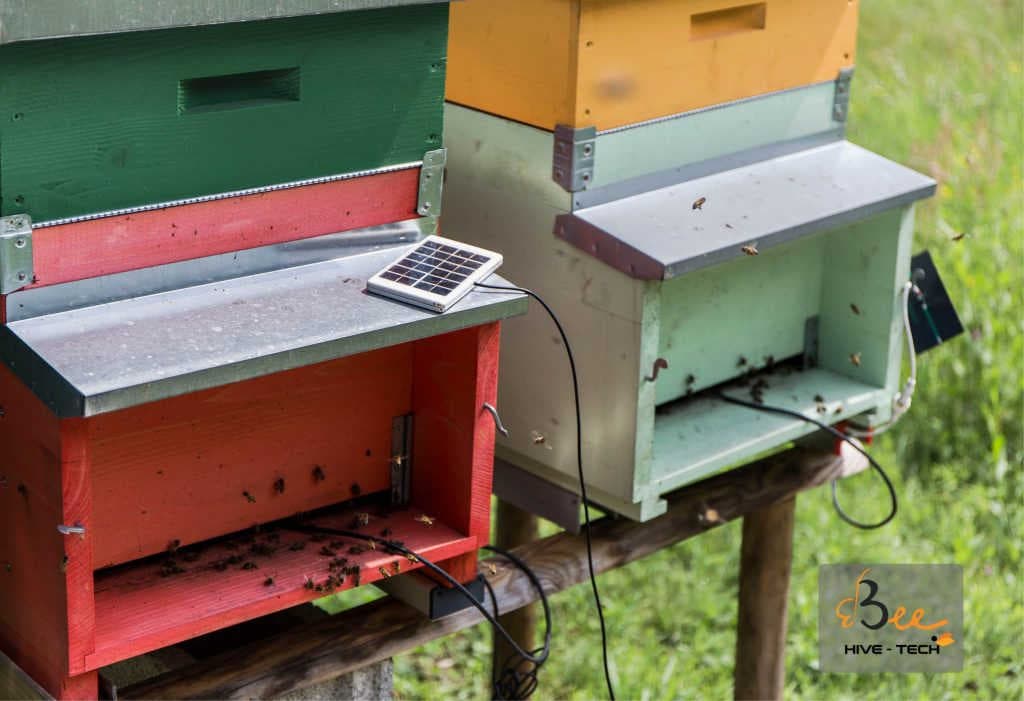
    Always monitor your hive with 3Bee
    15/06/2018Of 3Bee, Elena Fraccaro
    641 Views
    Newsletter
    newsletter
    Subscribe to the Blog about bees and biodiversity


