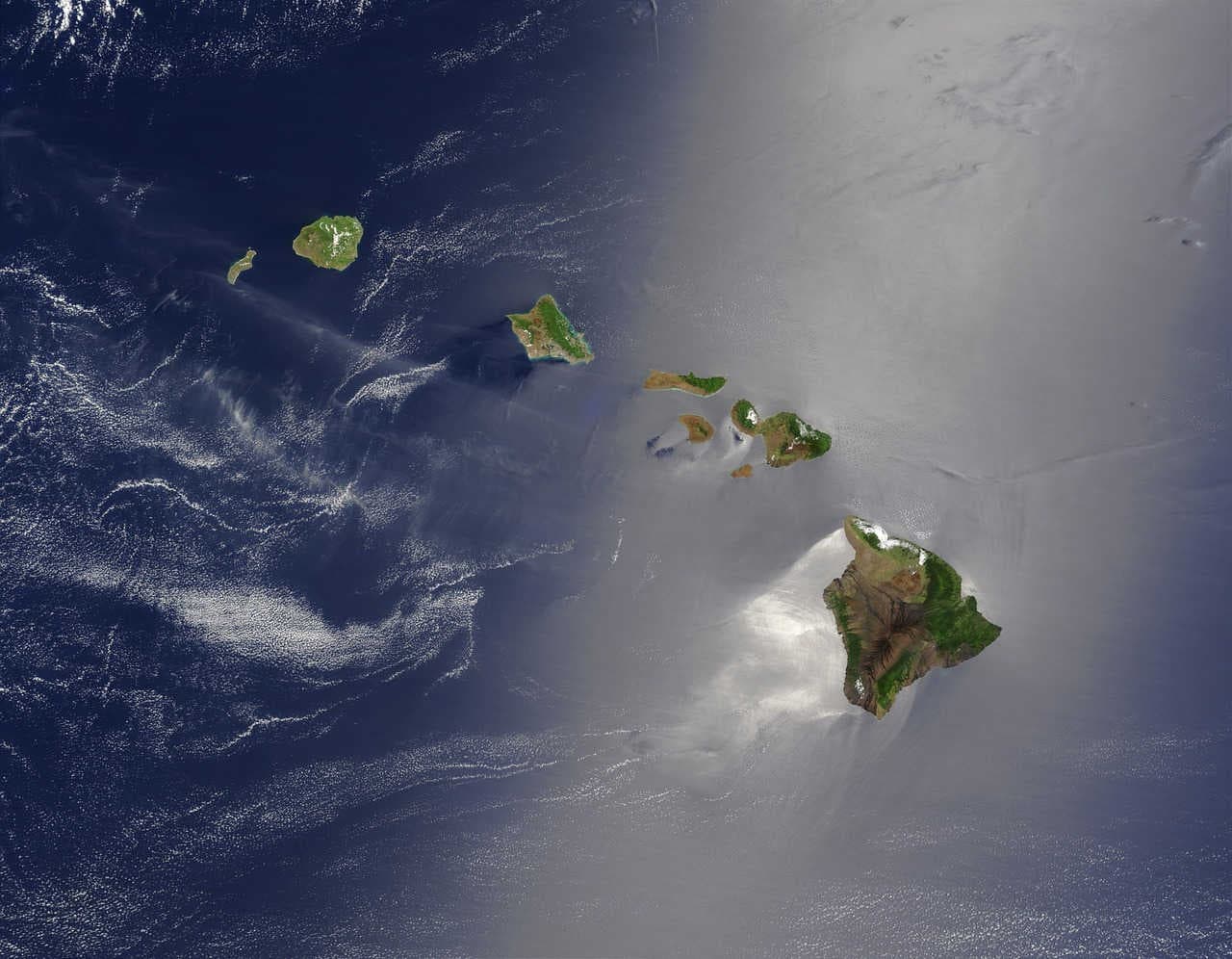
Island biogeography
    TermDefinitionFaktorenSystems

    Island biogeography

    The concept of island biogeography is a subfield of biogeography. It is based on evolutionary biology as well as ecology. In detail, the theory describes the relationship between the colonisation and development of species and their habitat size, in the special case of islands.

    Read the article
    10/07/2024Of 3Bee, Elise Maria Keller Boehm
    460 Views
    10/07/2024Of 3Bee, Elise Maria Keller Boehm
    460 Views

    What exactly does the term "island biogeography" mean?

    The concept of island biogeography describes the factors that determine species richness and diversity in isolated natural habitats. Originally, the concept was developed to describe relationships between species and the habitat in which they occur, because it was observed that species in different places, especially in isolated areas, (must) develop specifically to their habitat. Originally, only islands were considered and the term was sometimes extended to isolated areas such as mountain peaks, oases or areas fragmented by humans.
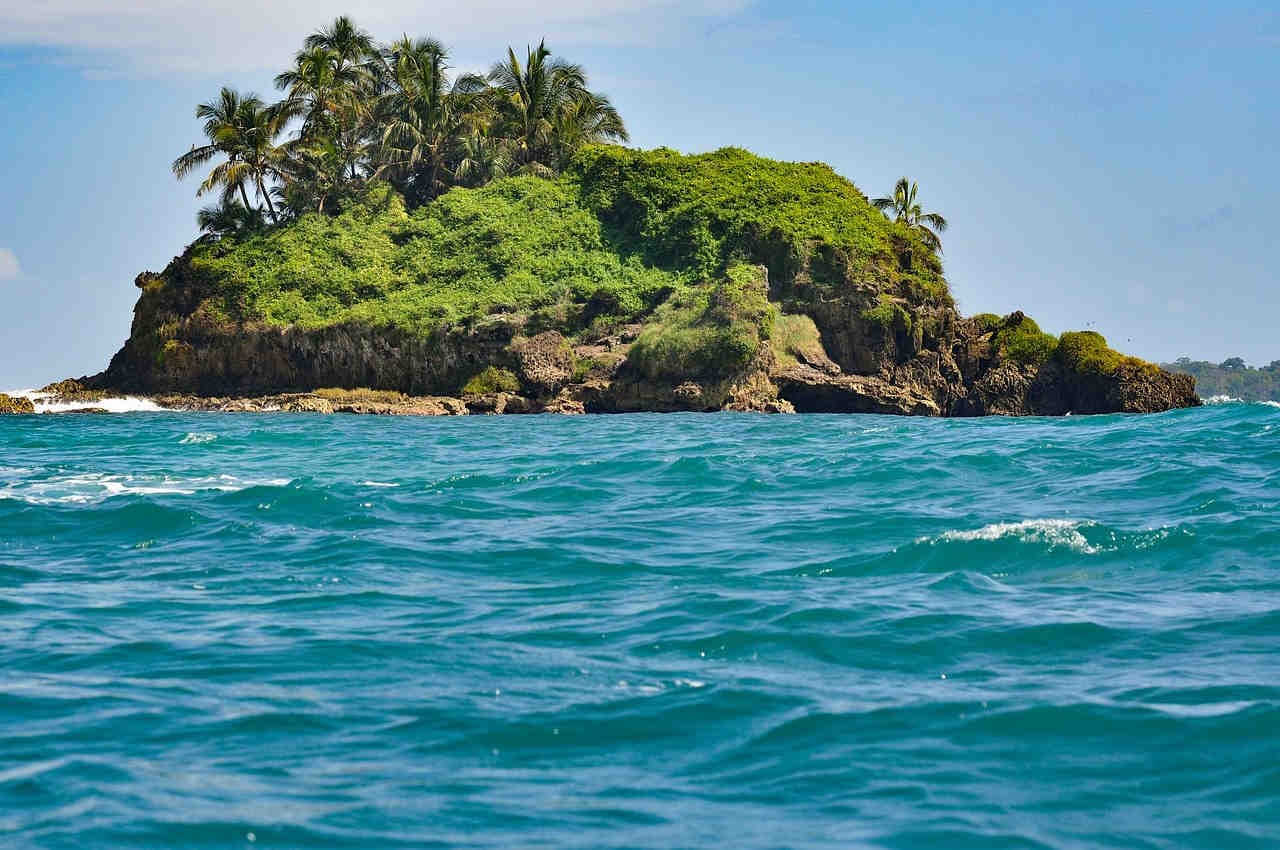
    Insel

    Definition

    The definition of an island within the theory of island biogeography describes a habitat that is habitable for a species and is completely surrounded by another habitat that is not habitable for said species. This can be an actual island, but also an isolated habitat, such as a mountain peak or a lake. If the term is defined in this way, a forest surrounded by houses and roads can also be interpreted as a habitat with island biogeography. Within such a habitat, there may be species that can only exist in that habitat and others that live inside and outside it. The most fundamental observations that led to the theory of island biogeography are the evolution of new species through insular isolation and the influence of island size on the density and diversity of a species.
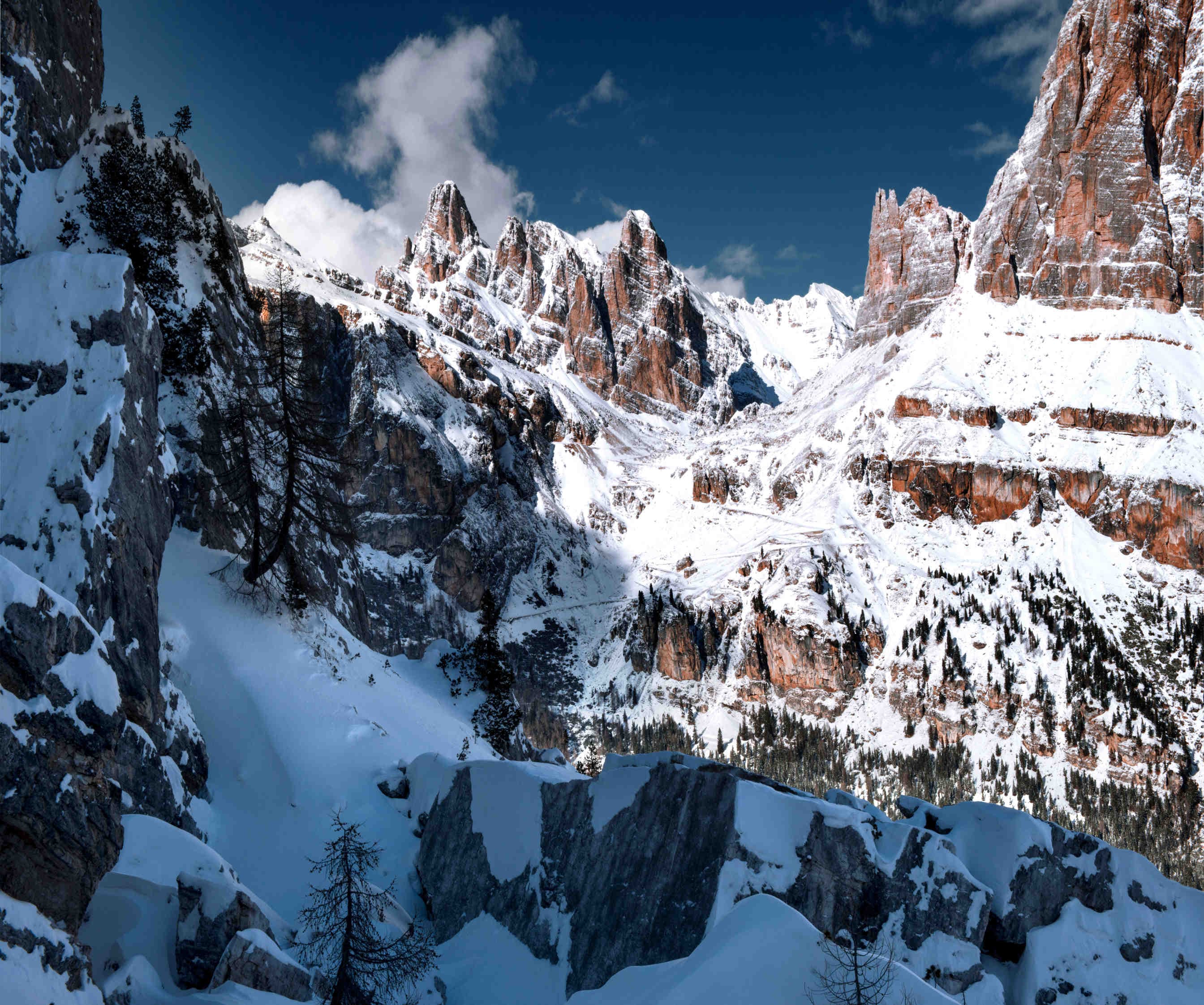
    mountain
    XNatura

    Influencing factors

    The theory of island biography states that the abundance of a species in an undisturbed isolated habitat is determined by immigration and extinction and that several isolated populations of the same species follow different evolutionary paths, as already described in Darwin's observations on the finches of the Galapagos Islands, for example. The immigration and emigration of species depend on the proximity of the isolated area, the island, to the mainland or to the original habitat of the species being studied. A logical conclusion is that the further away and more isolated an "island" is, the less likely it is to be colonised. Other natural factors for colonisation include the degree of isolation, the duration of isolation, the climate, the existing flora and fauna and the conditions of air and ocean currents. Non-natural factors include human activity in the habitat under investigation.
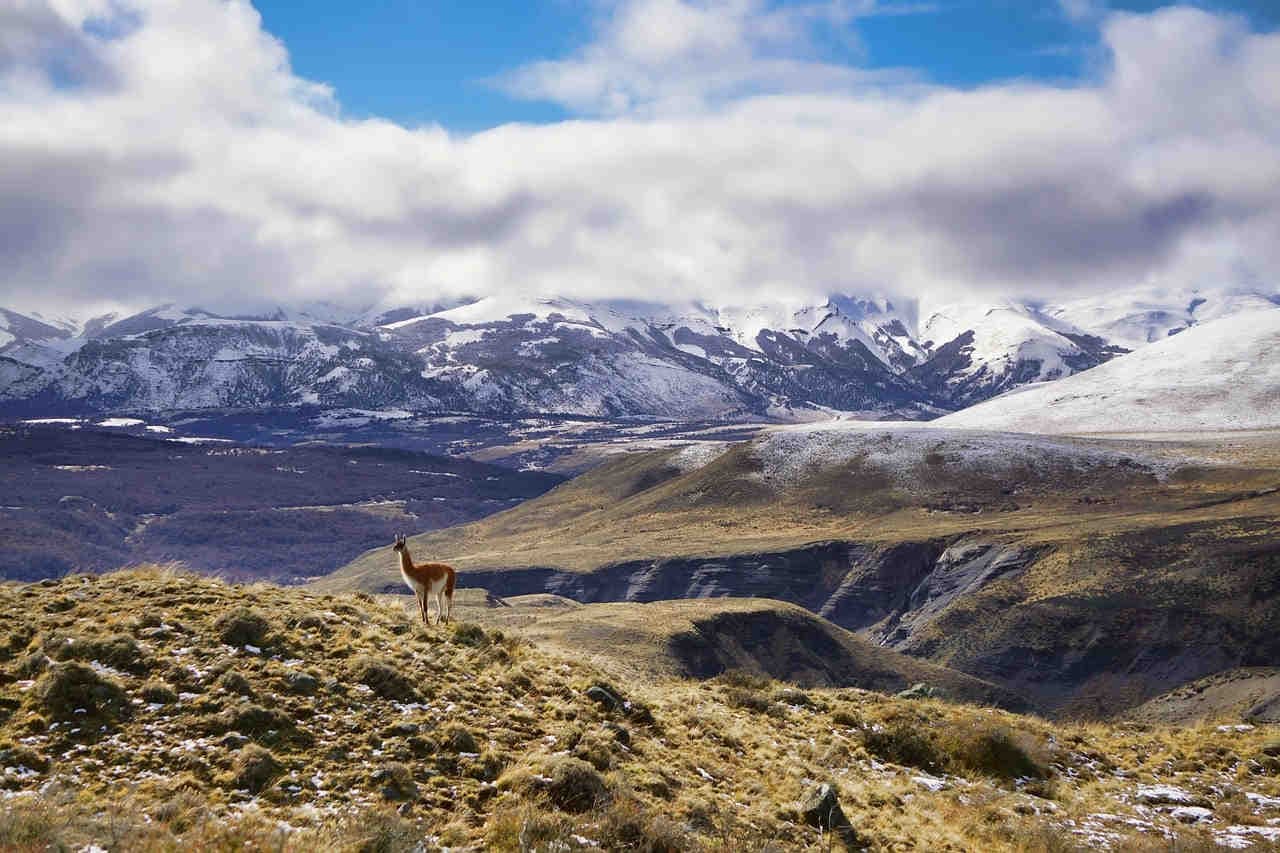
    Lama

    Island-like systems

    Strictly speaking, the theory of island biogeography in its beginnings only referred to the species-area relationship on islands. In the meantime, however, there are also approaches to consider island-like habitats from the perspective of island biogeography. These are described as "Island Like Systems (ILS)"and are defined as habitats that exist in isolation within an ecosystem. Using the example of the island, this would be isolated by water. The nearest land area that is not the island would then be the mainland. Within the theory of ILS, the equivalent of the mainland is the zone from which the colonising species originate. It has been observed that in many cases the factors of island biogeography act the same or similarly between mainland-island and isolated mainland-mainland systems.
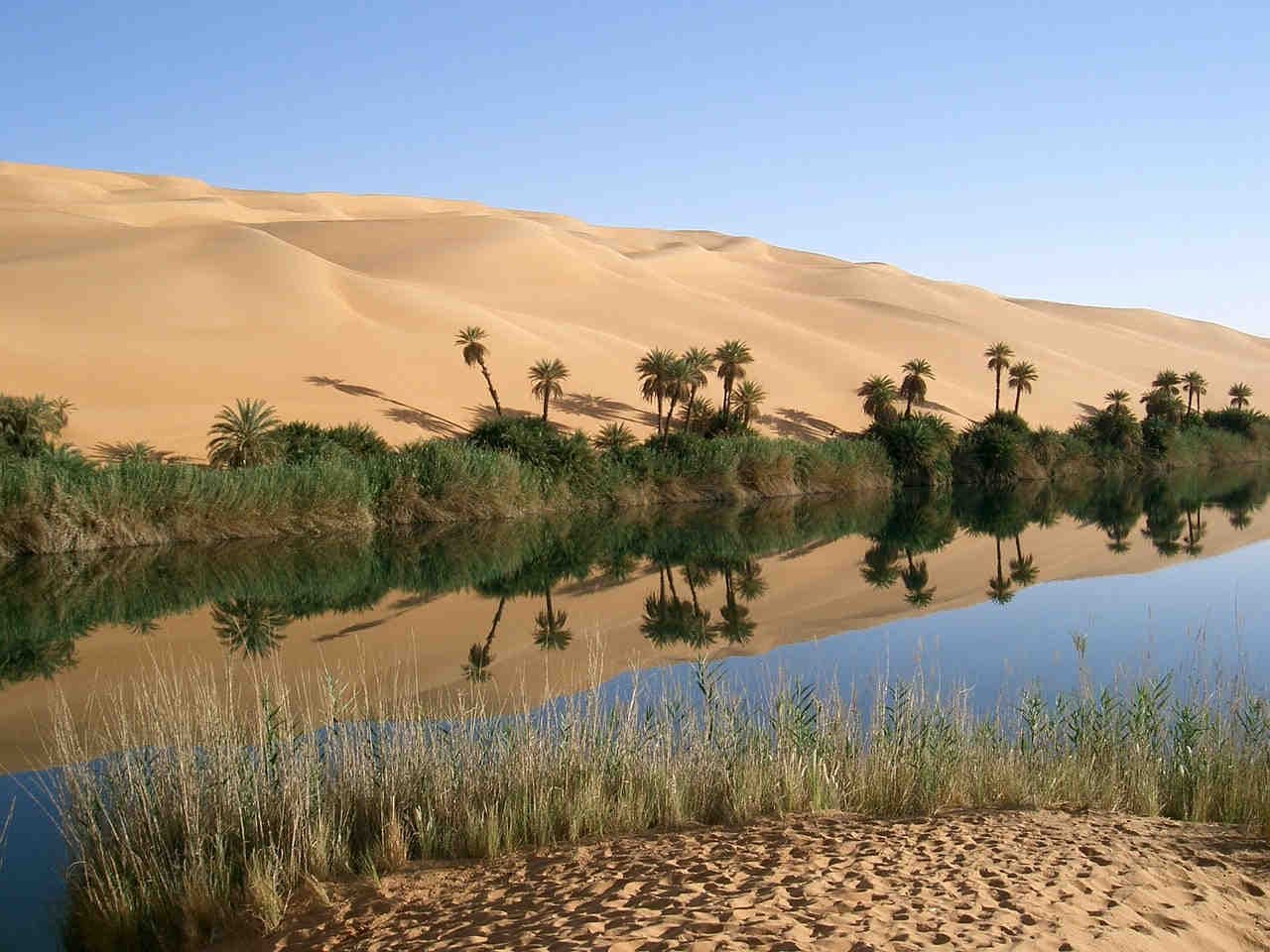
    Oase
    XNatura

    Species and biodiversity conservation

    In the field of species conservation, the theory of ILS plays a role in the consideration of species that are located in national parks, for example. Since animals in isolated habitats no longer spread after a certain point and even tend to reduce in number and diversity, it has been discussed, especially when it comes to the colonisation of national parks surrounded by urban settlements by large mammals, which have a large habitat requirement. Since the presence of large mammals tends to reduce the presence of small mammal teachers, the concept of national parks was to protect either one large species or several small species (SLOSS - single large or several small). However, this approach is and has been very controversial and there are now different approaches in nature and species conservation planning, strongly dependent on the size and type of protected area.
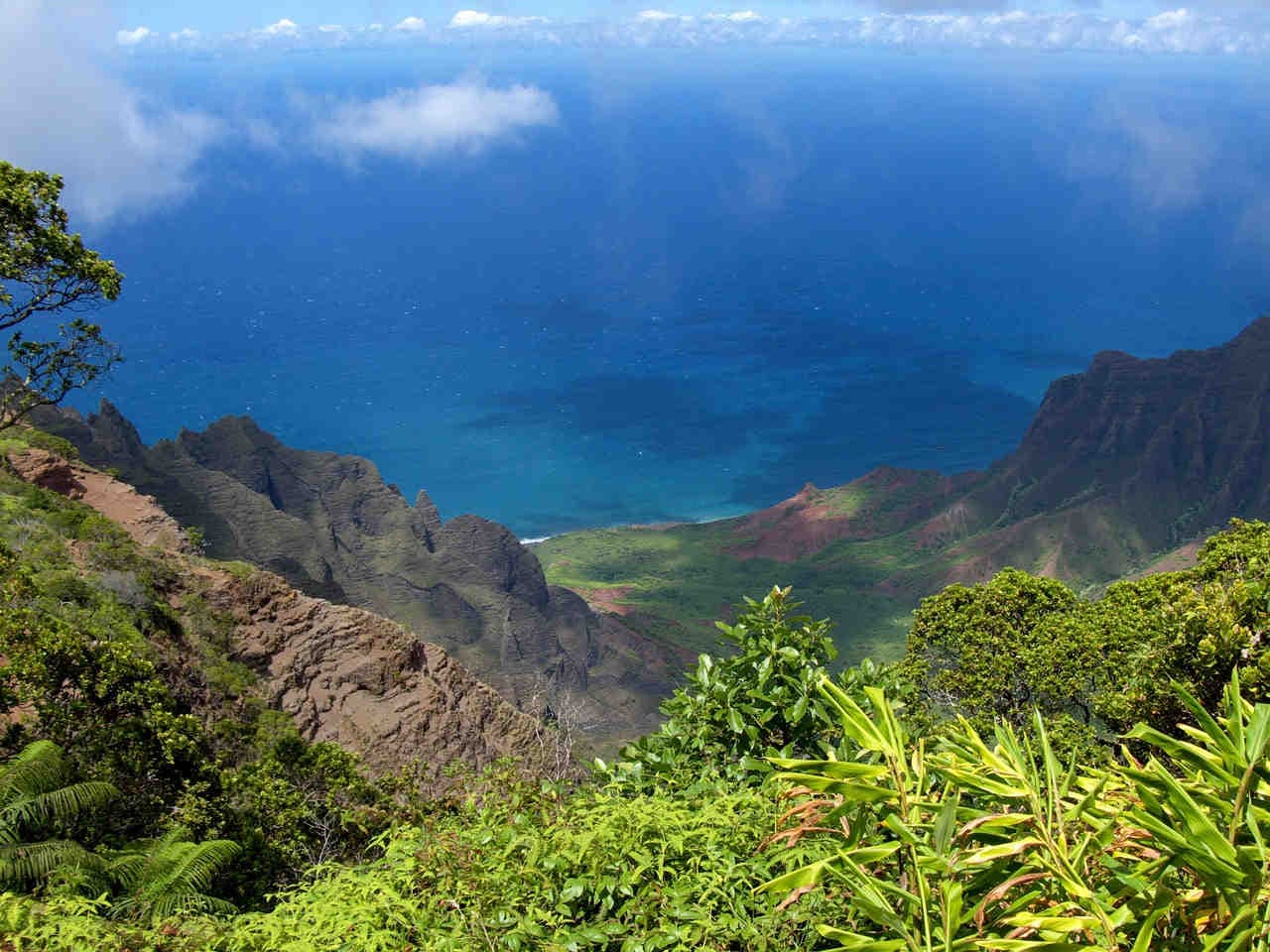
    Hawaii
    3Bee

    Species conservation on islands

    Unfortunately, the flora and fauna on islands are often so specialised to their protected habitat that the species present are usually also more susceptible to human disturbance. For example, around 2000 bird species have been lost on the Pacific islands since they were colonised by humans. An estimated 60% of terrestrial species lost over the last 5-6 centuries are species that were exclusively native to islands. At the same time, it is often islands on which new species are still being discovered. For example, ten new bird species were discovered on Sulawesi in 2013/14. The factors that make human colonisation a major threat to island species are hunting, the destruction of habitats with no alternative, the introduction of pathogens and the introduction of invasive species. In recent decades, the threat of species due to climate change has become more and more evident, such as the Bramble Cay mosaic-tailed rat.
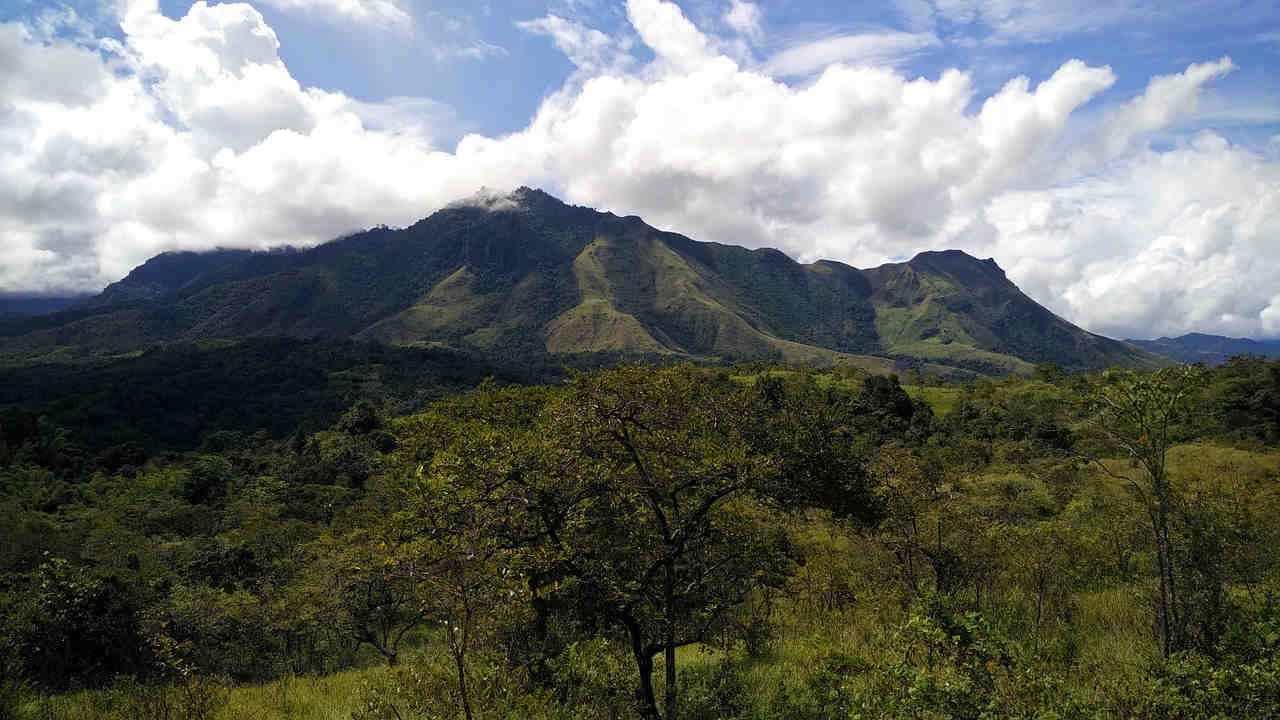
    Sulawesi

    Peculiarities of island species

    The destructive impact of humans on island species is not the only reason for their increased vulnerability. There is also the greater susceptibility of island species to endangerment. Many species have evolved in extremely specific ecological niches and are extremely sensitive to disturbance. They are therefore also referred to as "evolutionary winners" but "ecological losers". In addition, many of the species have evolved on very isolated islands without the presence of predators, which has led to a lack of sensitisation to predators or humans. Devastating for such species are humans as hunters, but also human pets such as cats or dogs that have been introduced. A sad example is the dodo - the new arrivals described that the dodo did not run away and they were able to kill it without effort.
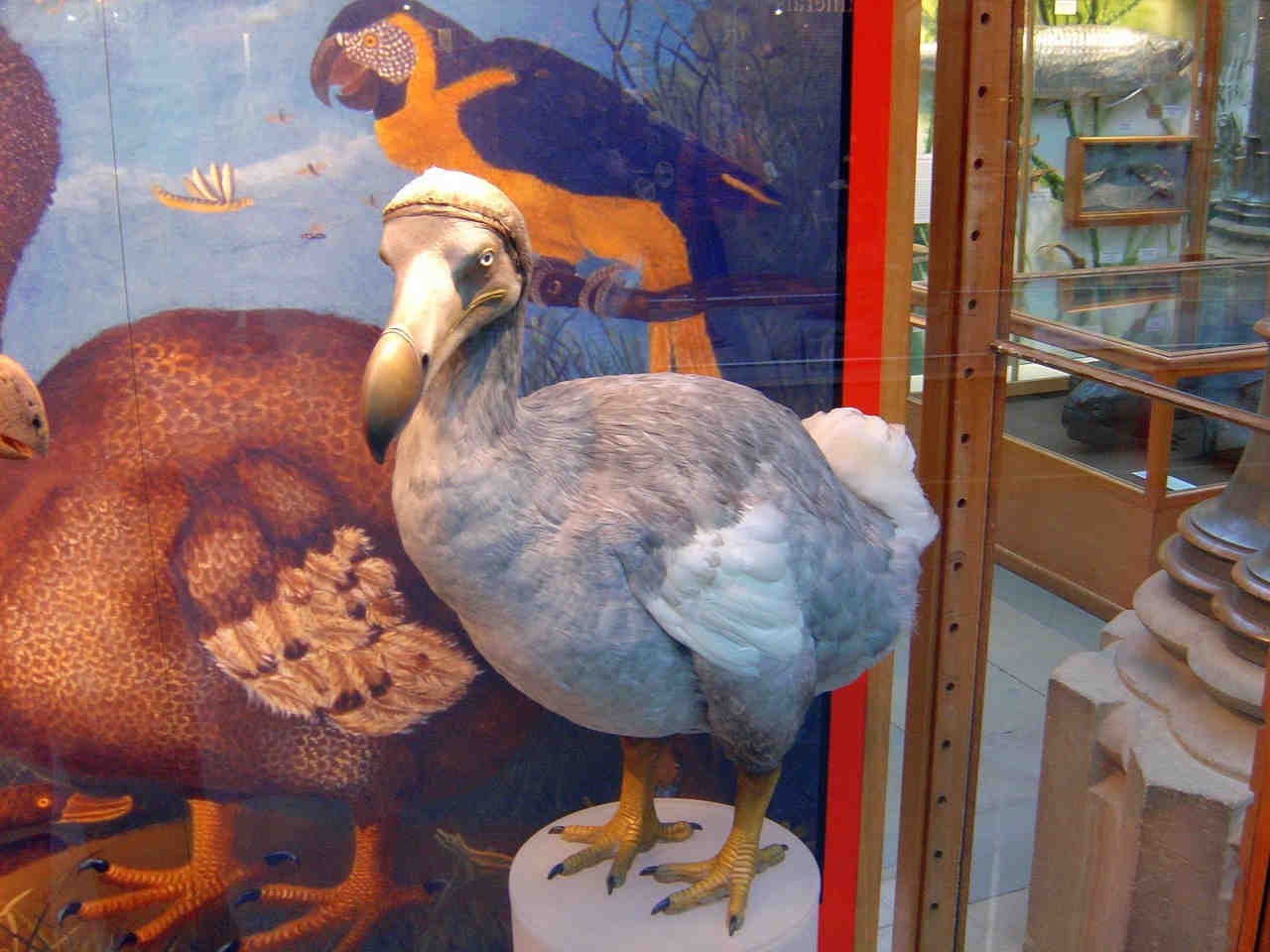
    Dodo
    10/07/2024Of 3Bee, Elise Maria Keller Boehm
    460 Views
    Newsletter
    newsletter
    Subscribe to the Blog about bees and biodiversity

    Frequently Asked Questions

    Do you have any doubts or other curiosities about this article? Here you will find some insights