The Value of the International Day of Education
Disclaimer: this is an automated translation from Italian. Go to the original article.
The


On 24th January, the International Day of Education 2026 is celebrated. The global event, centred on the theme "The power of youth in co-creating education", examines the role of young people in redesigning educational models to address the technological and environmental challenges of the future.
Read the articleDisclaimer: this is an automated translation from Italian. Go to the original article.
The
The focus of the International Day of Education 2026 is the engagement of those under 30 through the 2026 theme "The power of youth in co-creating education". UNESCO emphasises that young people are a driving force for innovation, although they are often disadvantaged by poverty and limited access to quality education. As the main beneficiaries of educational programmes, their contribution to the co-creation of educational pathways is considered indispensable today. Projects like "A scuola di biodiversità" by 3Bee align with this vision, offering tools to integrate biodiversity into school curricula.
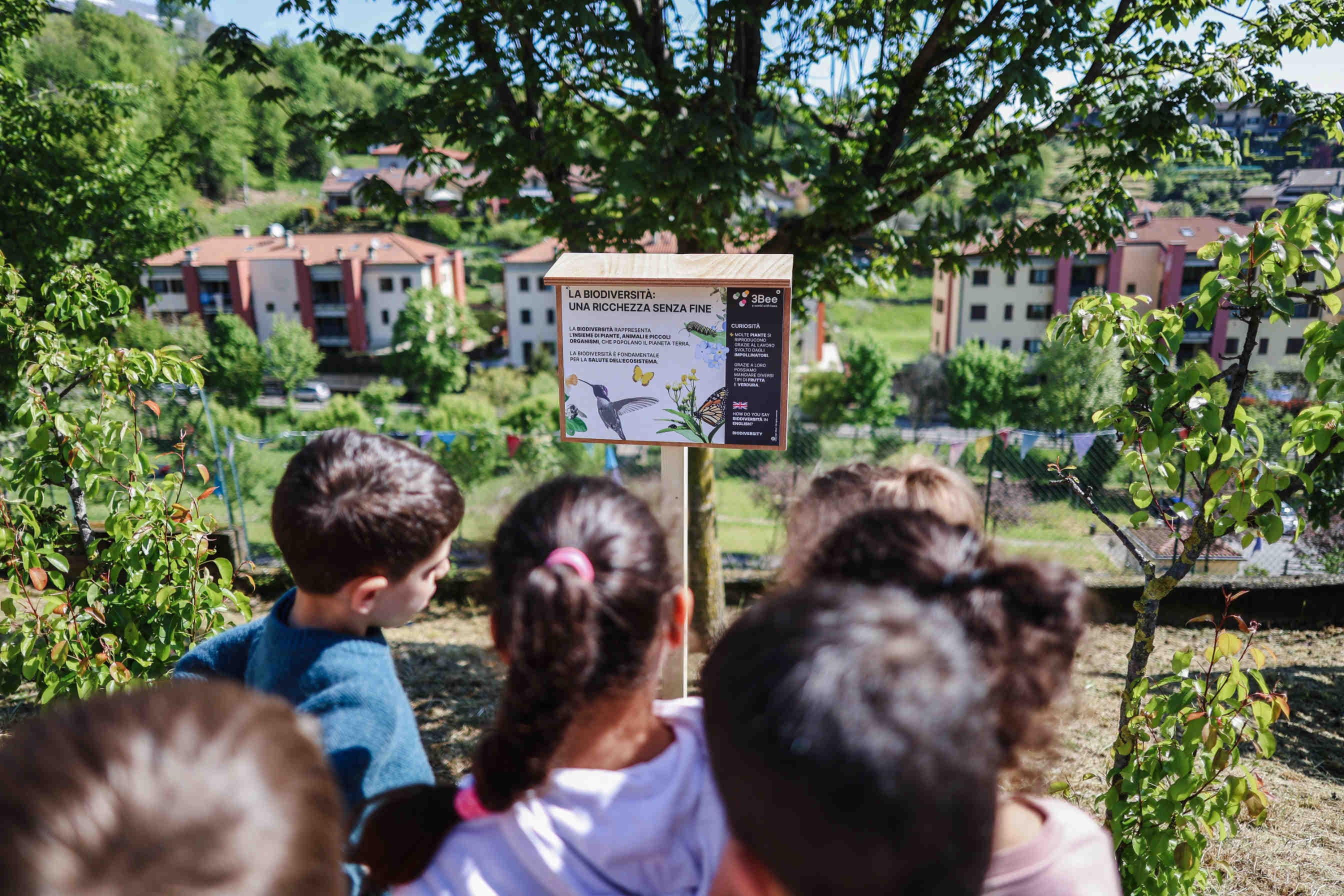

The technological transformation mentioned by UNESCO requires rethinking the way students interact with knowledge. In this context, Citizen Science emerges as a method to put into practice the concept of "

UNESCO highlights how achieving the Sustainable Development Goal 4 (SDG 4) is closely linked to the ability of educational systems to evolve in response to global challenges. In line with the targets of the 2030 Agenda, the International Day of Education 2026 promotes the acquisition of technical and professional skills necessary for sustainable development. According to the vision promoted by UNESCO's Greening Education Partnership, education must prepare young people to actively lead the ecological transition through programmes that integrate science and technology. In this context, the adoption of digital tools for


Do you have any doubts or other curiosities about this article? Here you will find some insights