Discovered How Honeybees Recognise Dead Mates
    SearchHopeCommentsResults

    Discovered How Honeybees Recognise Dead Mates

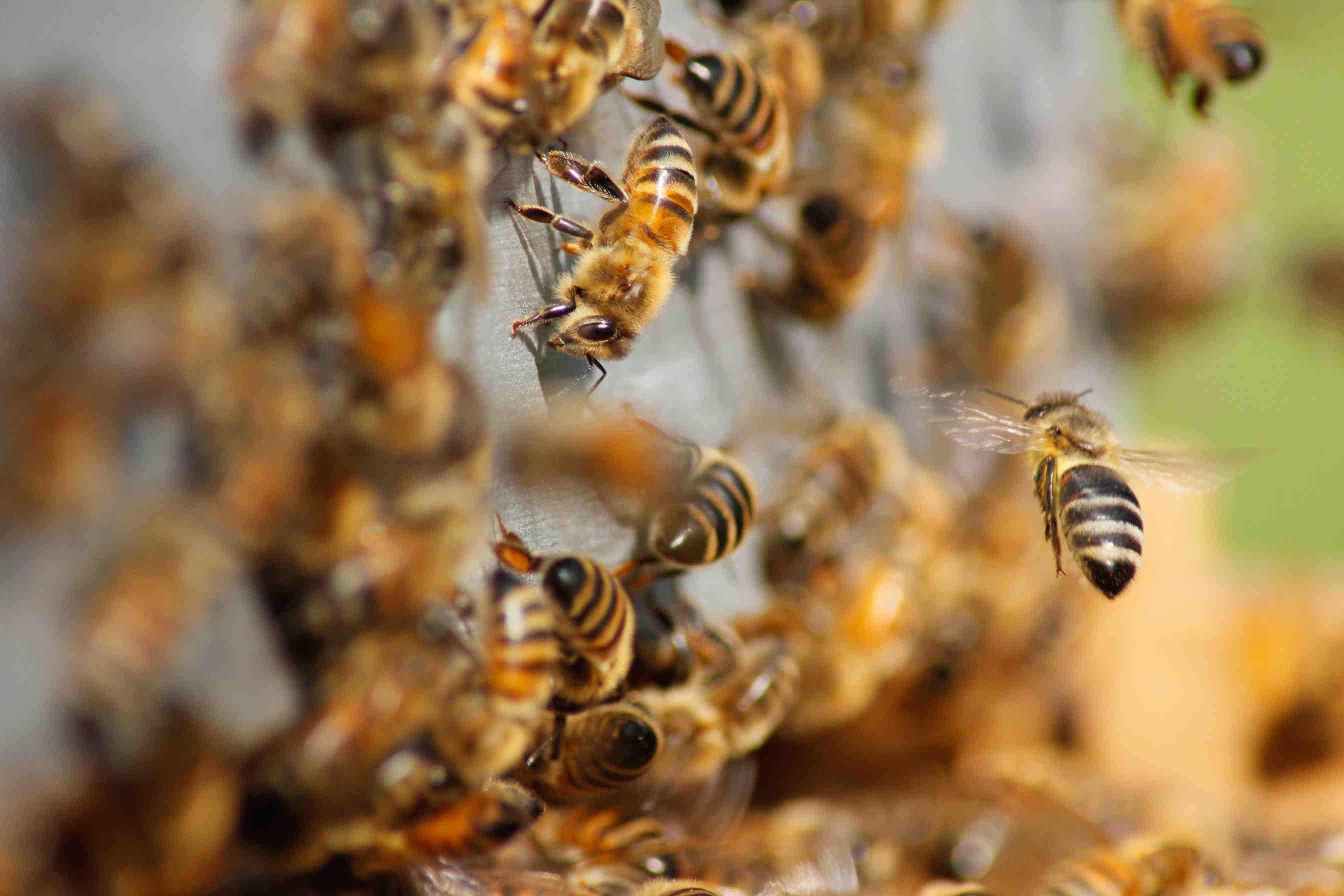
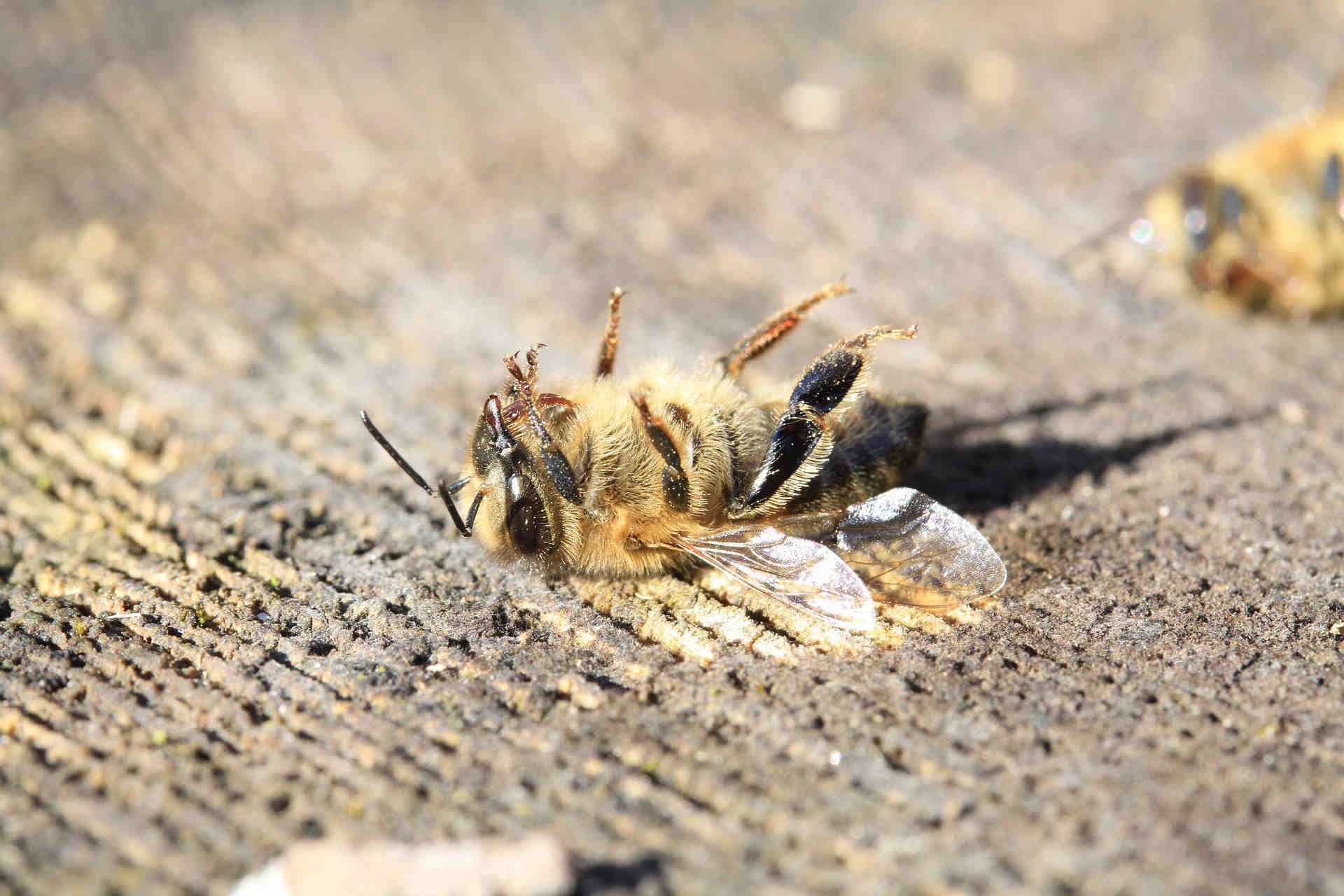
    There is a class of worker bees, the beak bees, which scour the hives for dead mates and transport them outside in order to keep the indoor environment clean and healthy. One study looked into precisely how this can happen. Let's find out!

    Read the article
    23/03/2020Of 3Bee, Elena Fraccaro
    758 Views
    23/03/2020Of 3Bee, Elena Fraccaro
    758 Views

    How do they do it?

    These bees manage to find their mates in the dark in just 30 minutes, despite the fact that they have not begun to give off the typical decaying odours. New research may have discovered how they do it. The published study, which has not yet been peer reviewed, is by Wen Ping, an ecologist at the Tropical Botanical Garden Xishuangbanna of the Chinese Academy of Sciences. The researcher wondered whether a specific type of scent molecule could help bee bees find their deceased hive mates. Ants, bees and other insects are in fact covered in compounds called cuticular hydrocarbons (CHCs), which make up part of the waxy coating of their cuticles (the shiny parts of their exoskeletons) and help prevent them from drying out. While the insects are alive, these molecules are continuously released into the air and are used to recognise hive members.

    How do they do it?

    The hypothesis and the experiment

    Wen hypothesised that after death, due to the decrease in body temperature, fewer of these molecules are released into the air. She then used chemical gas detection methods to test this hypothesis, confirming that following cooling, dead bees actually emit less volatile CHCs than live bees. The researcher then designed a series of experiments to see if the bee bees were picking up on this change and that this was the signal that could guide them in their work. For the experiments, she considered five hives belonging to the Asian honey bee (Apis cerana Fabricius), a small, hardy insect found throughout Asia, and warmed the corpses of deceased honey bees.
    The hypothesis and the experiment
    XNatura

    Comments

    He observed that if he placed dead, cold bees in a hive, the beak bees always removed them within half an hour. Whereas if he placed a dead bee but artificially warmed by a few degrees, the beak bees often took several hours to notice the body. This behaviour, according to the study, presumably occurs because the warm bee body releases almost the same amount of CHC as a living bee. To confirm the hypothesis, Wen removed CHCs from dead bees with hexane (which can dissolve waxes and oils), warmed the corpses up to the temperature of a live bee, and returned them to their respective hives. The gravediggers in this case went into action and managed to remove almost 90% of the clean, warm dead bees within half an hour despite the fact that they were warm. This suggests that it is not the temperature but the absence of CHC emissions that the gravediggers use to diagnose death.
    Comments

    The results

    According to Wen, a reduction in temperature and a reduction in cuticular hydrocarbons lead beetles to perceive a dead bee as something that needs to be removed. Recognition of death is a complex process, however, and Yehuda Ben-Shahar, an entomologist at Washington University in St. Louis, says more research will be needed to back up Wen's claims. "I think this study is a good start," he says. "It makes sense that there's some chemical signature of a dead bee, but I wouldn't say we now know exactly what's going on." For example, although bees can "smell" with their antennae, they can also "taste" with their feet, he notes, which could add another layer to the way they perceive dead mates.

    The results
    XNatura
    23/03/2020Of 3Bee, Elena Fraccaro
    758 Views
    Newsletter
    newsletter
    Subscribe to the Blog about bees and biodiversity