What is Greenwashing?
    Recognising itBirthHistoryTypes

    What is Greenwashing?

    Greenwashing is the use of unfair practices to deliberately mask activities that are harmful to humans, nature and communities. Greenwashing is not easy to recognise as companies and individuals who engage in it tend to hide their processes from the public.

    Read the article
    13/06/2022Of 3Bee, Elena Fraccaro
    881 Views
    13/06/2022Of 3Bee, Elena Fraccaro
    881 Views

    How to recognise it?

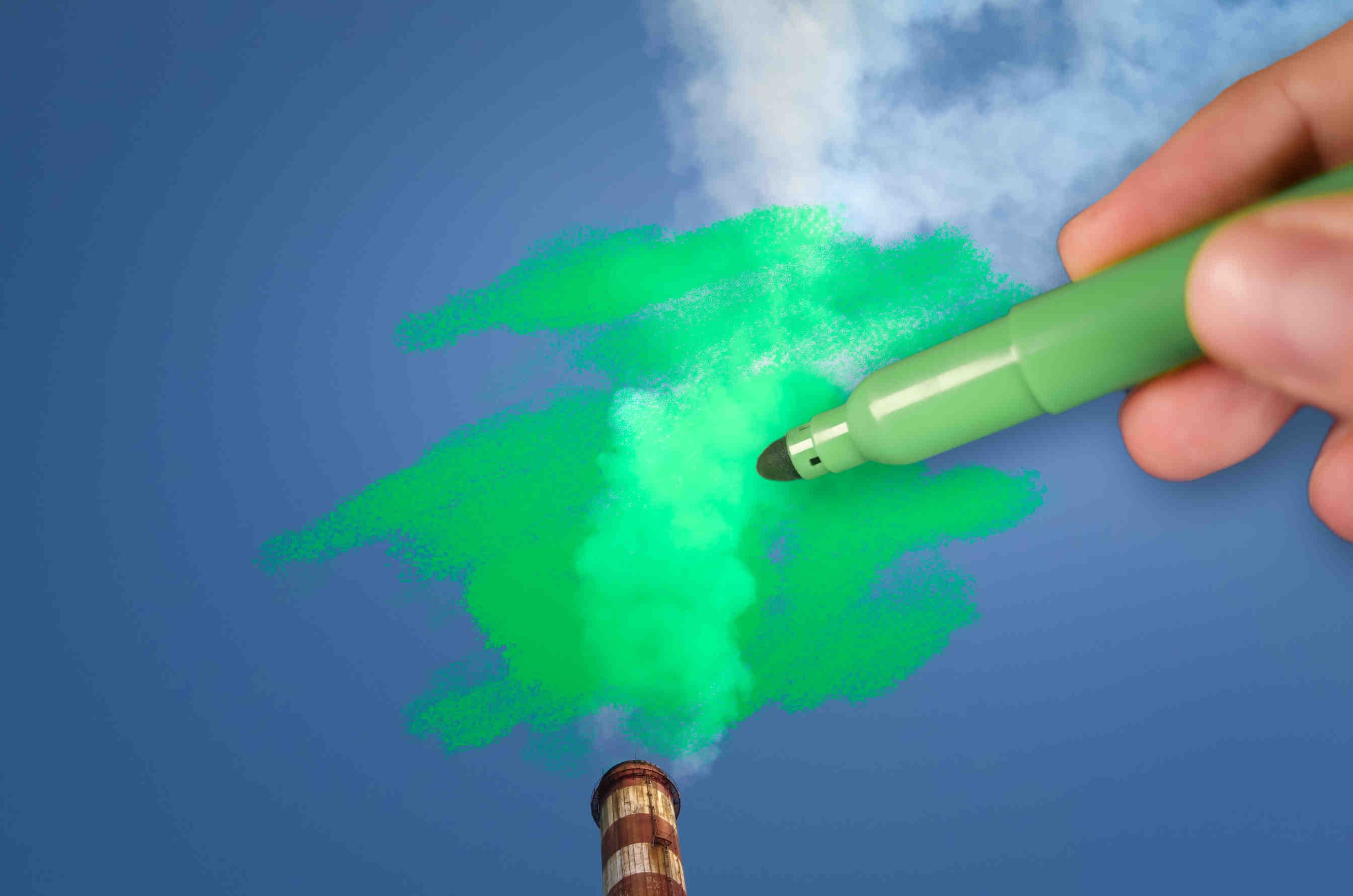
    greenwashing is not easy to recognise and identify. Companies practising it intentionally conceal their activities that are harmful to humans and the environment. They exploit commercial ploys to camouflage their negative impacts and have the intended purpose of confusing the consumer. This is why greenwashing is not easily recognisable and is easy to confuse. Companies that practice ethical activities and develop multi-year plans focused on sustainability are often accused of greewashing, just because they have exposed themselves. On the other hand, it is difficult to detect those who cheat and those who intentionally try to hide their sins. How to recognise this? 1) Analysing the company's non-financial statement; 2) Examining in detail the type of goods and products sold by the company 3) Assessing whether the company is transparent in its production processes; 4) Writing. Write to the company if you have doubts. If they do not reply, they may be hiding something.

    How to recognise it?

    Why did this phenomenon arise?

    Today "being green" is necessary. Sustainability-conscious consumers are growing rapidly and represent the largest market share of all time. Companies are faced with new lifestyles, new market trends and above all people who want transparency and ethics. How do you go about capturing this market? There are 2 ways: first, start a lasting path of change or, in the second case, activate marketing ploys to blind the consumer through greenwashing.

    Why did this phenomenon arise?
    XNatura

    Historical errors or greewashing phenomena?

    The phenomenon of greenwashing was first 'uncovered' in 1986. The rich and prosperous hotel chains were singled out. The hotels invited (and still invite) their guests to reuse towels and bathrobes so that they would not have to wash them daily. According to many, this was a phenomenon of greenwashing as companies made a financial gain by reducing washing. In this theory, therefore, being green does not have to mean being profitable: you are green if you are loss-making. This theory has been refuted in recent years by coming to harmonise environmental sustainability and economic sustainability. Today, greenwashing is no longer about profit, but about the effective impact you generate That is why many hotel chains continue to use this communication today.

    Historical errors or greewashing phenomena?

    Types of greenwashing

    The greenwashing phenomena ascertained and fined are hundreds in the world and about ten in Italy: 1) companies trying to offset their CO2 impact through unsuitable reforestation, 2) wrong labelling of recycling, 3) products defined as eco-sustainable that in reality bring no environmental benefits other than an increase in profit for those who sell them, 4) alterations to software for analysing CO2 emissions, 5) cruelty-free products that were nevertheless tested on animal guinea pigs or even on humans. At this link you can find different examples.

    Types of greenwashing
    XNatura
    13/06/2022Of 3Bee, Elena Fraccaro
    881 Views
    Newsletter
    newsletter
    Subscribe to the Blog about bees and biodiversity