Germany's ecological heritage: safeguarding biodiversity
    BIODIVERSITÄTCONSERVATIONLIVING SPACESMARINE PROTECTION

    Germany's ecological heritage: safeguarding biodiversity

    Immerse yourself in the fascinating world of German nature and discover why protecting biodiversity is a global responsibility. Find out more about measures to preserve habitats, protect the oceans and the role of research in managing biodiversity.

    Read the article
    12/07/2023Of 3Bee, Elena Fraccaro
    520 Views
    12/07/2023Of 3Bee, Elena Fraccaro
    520 Views

    Germany's breathtaking biodiversity

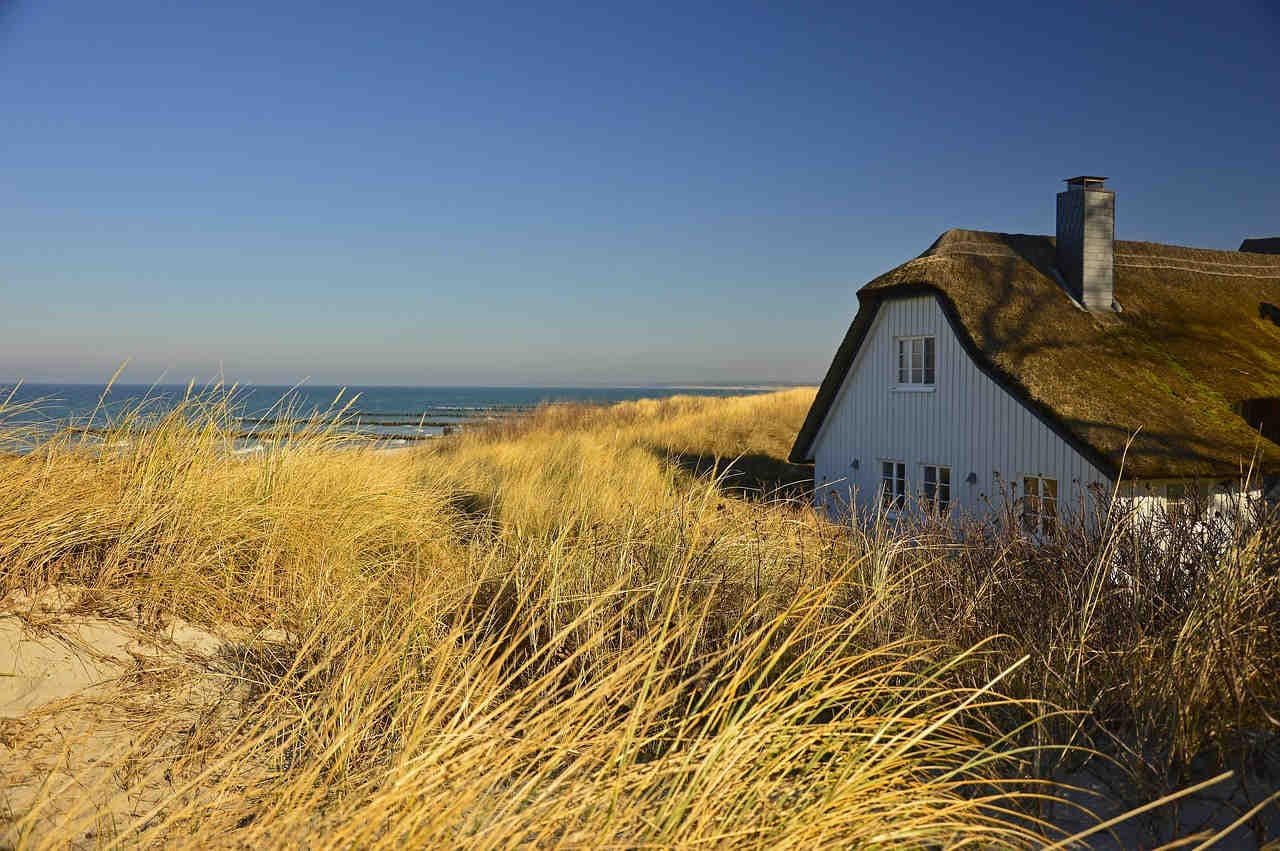
    Germany boasts an impressive variety of biodiversity, stretching from the North Sea to the Alps. With 16 different national parks and UNESCO biosphere reserves, the country is committed to protecting its environment and natural treasures. Germany is home to an incredible 48,000 animal species, 9,500 plant species and 14,000 species of fungi. The protection of these fundamental foundations of life became an official national goal in 1994 and was incorporated into the Basic Law. In addition, there are numerous nature reserves in Germany that extend across the entire country.
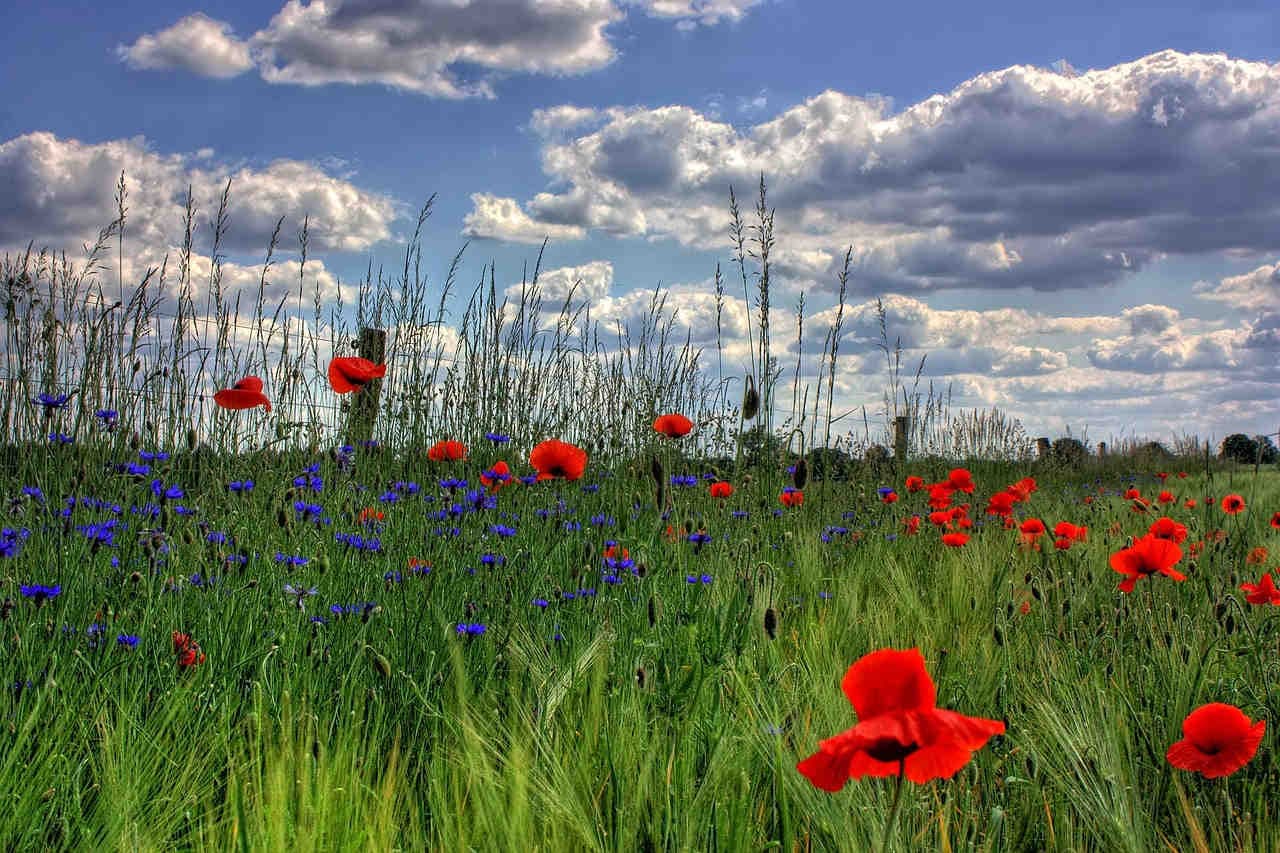
    Germany's breathtaking biodiversity

    Germany's commitment to the preservation of nature

    As a signatory to important international biodiversity agreements and intergovernmental agreements, Germany is actively involved in various programmes to protect the natural heritage of our planet. By ratifying the UN Convention on Biological Diversity, the country, together with 195 other nations, has committed itself to protecting the diversity of life on earth. In 2007, Germany adopted a national strategy on biological diversity, emphasising the conservation of biodiversity as a humanitarian duty and ethical obligation. The country also supports the EU's biodiversity strategy, which includes the legal protection of 30% of land and marine areas.

    Germany's commitment to the preservation of nature
    XNatura

    Protection of habitats for wildlife

    Germany faces the challenge of preserving its biodiversity, as 35% of native species and 26% of native plant species are endangered. To counteract this problem, measures have been taken to minimise the impact of construction projects on habitats and to reduce pollution from intensive agriculture and excessive use of fertilisers. The use of land for settlements and roads is to be reduced to less than 30 hectares per day by 2030. In addition, efforts are underway to leave 2% of Germany's land area "wild" and to allow 5% of forests to develop naturally in order to provide important habitats for various species.

    Protection of habitats for wildlife

    Strengthening marine protection and combating plastic waste

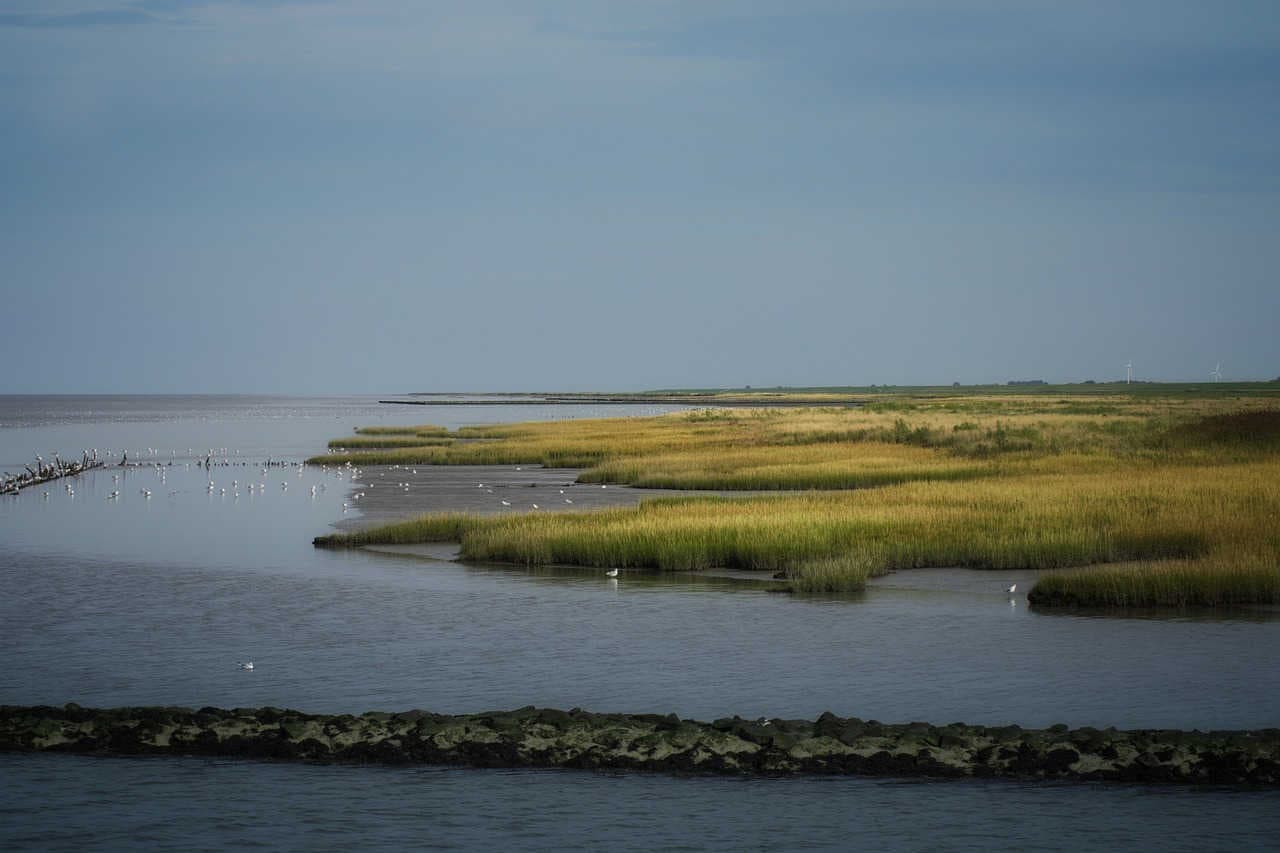
    Germany's National Marine Strategy aims to strengthen the protection of its seas, which harbour a diverse range of species and provide important resources. Despite global threats such as pollution and plastic waste, special protection areas are being established in the North Sea and Baltic Sea to ensure effective marine nature conservation. In 2022, a significant milestone was reached at the United Nations Environment Assembly (UNEA): the adoption of a legally binding convention by 2024 that will regulate the environmentally friendly management of plastics from production to disposal. The German government considers this a great success.

    Strengthening marine protection and combating plastic waste
    XNatura

    Global cooperation for the protection of biodiversity

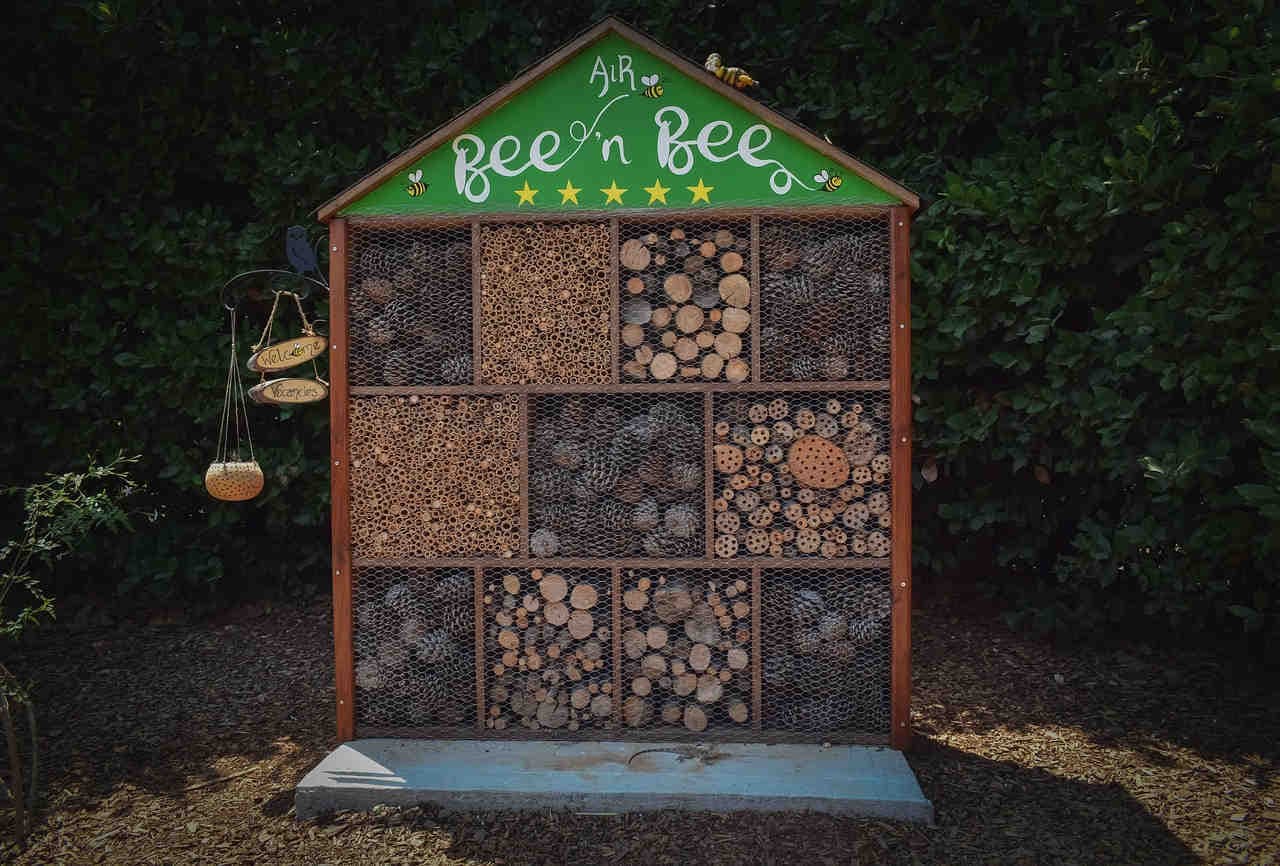
    The decline of insects, which play an important role in ecosystems, has caused concern in Germany. In response, a comprehensive package of measures was adopted in 2021, which provides for improved protection of insect habitats such as flower meadows as well as a reduction in pesticide use and a ban on the weedkiller glyphosate from the end of 2023. The loss of biodiversity also affects Germany, where a quarter of plant species and a third of animal species are considered endangered. To counteract this, Germany's "National Strategy on Biological Diversity" is funding research and implementation measures to reverse the trend by 2020.

    Global cooperation for the protection of biodiversity
    3Bee
    12/07/2023Of 3Bee, Elena Fraccaro
    520 Views
    Newsletter
    newsletter
    Subscribe to the Blog about bees and biodiversity