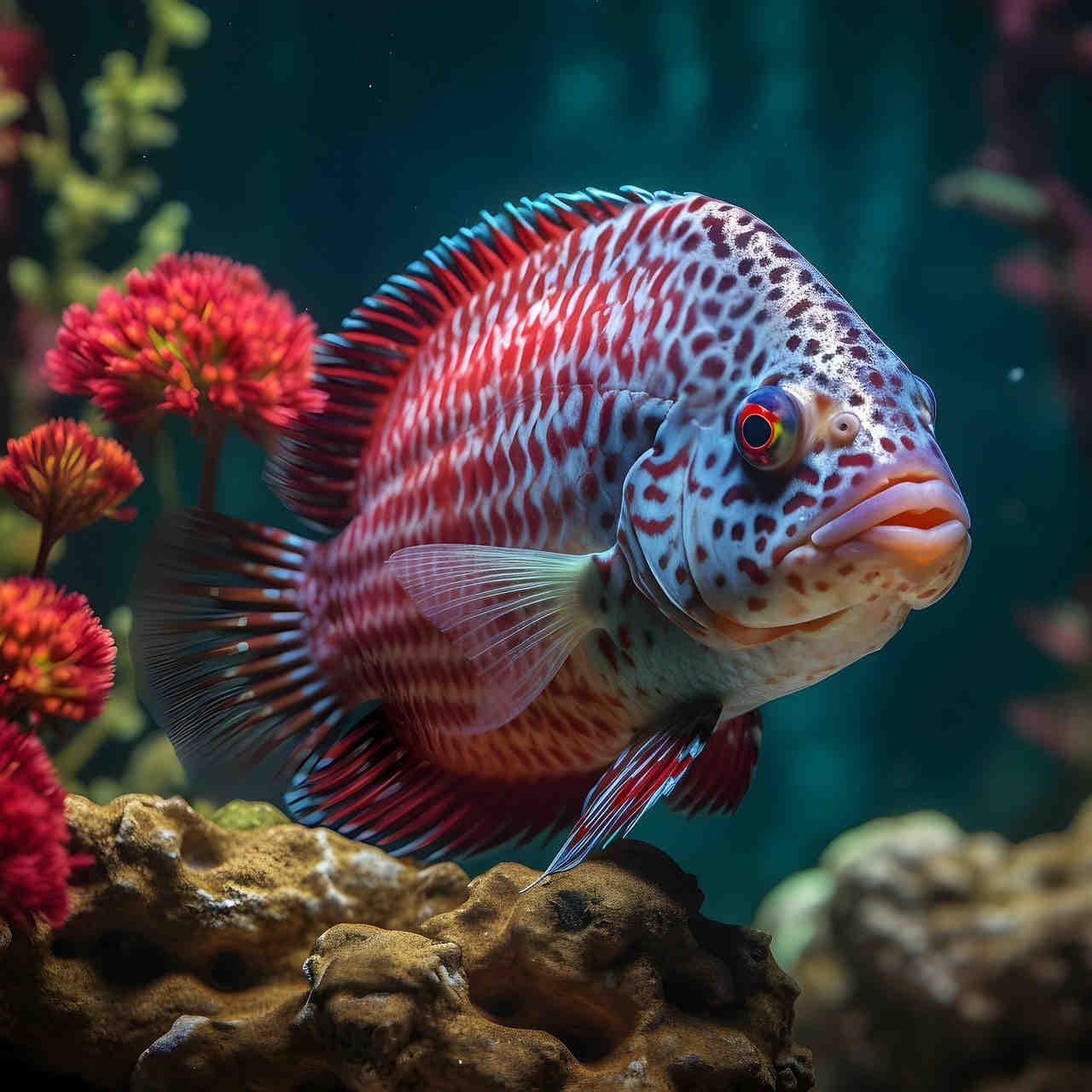
Curiosity: fundamental driver of animal adaptation
    AdaptationCichlid fishesStudioResults

    Curiosity: fundamental driver of animal adaptation

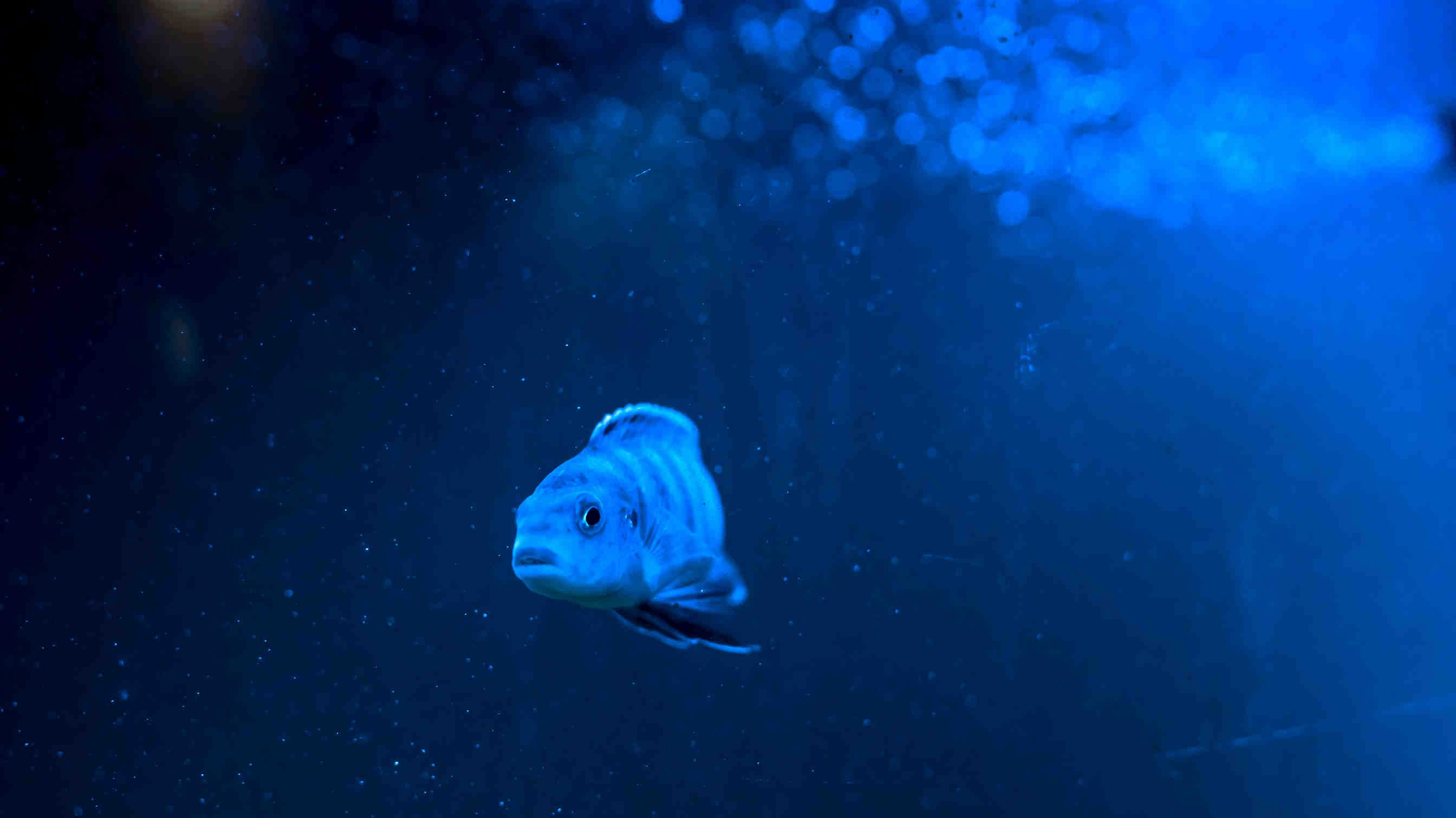
    Exploratory behaviour is one of the fundamental personality traits of animals as it can influence their chances of survival. Indeed, it appears that cichlid fish display varying degrees of curiosity that influence their ability to adapt to new habitats.

    Read the article
    07/06/2024Of 3Bee, Alessia Mircoli
    581 Views
    07/06/2024Of 3Bee, Alessia Mircoli
    581 Views

    On what does animal adaptation depend?

    How animals respond to unknown or novel stimuli is a key aspect of their fitness. Their reactions when in a new environment or interacting with new predators, potential partners or competitors, and food resources can have a significant impact on their survival and reproduction. This implies that different behavioural responses may be favoured in different ecological contexts. In particular, among the various types of behaviour that an animal may exhibit is curiosity. The latter constitutes a critical personality trait that influences the adaptation and survival of animals.
    uccello

    The thousand facets of cichlid fish

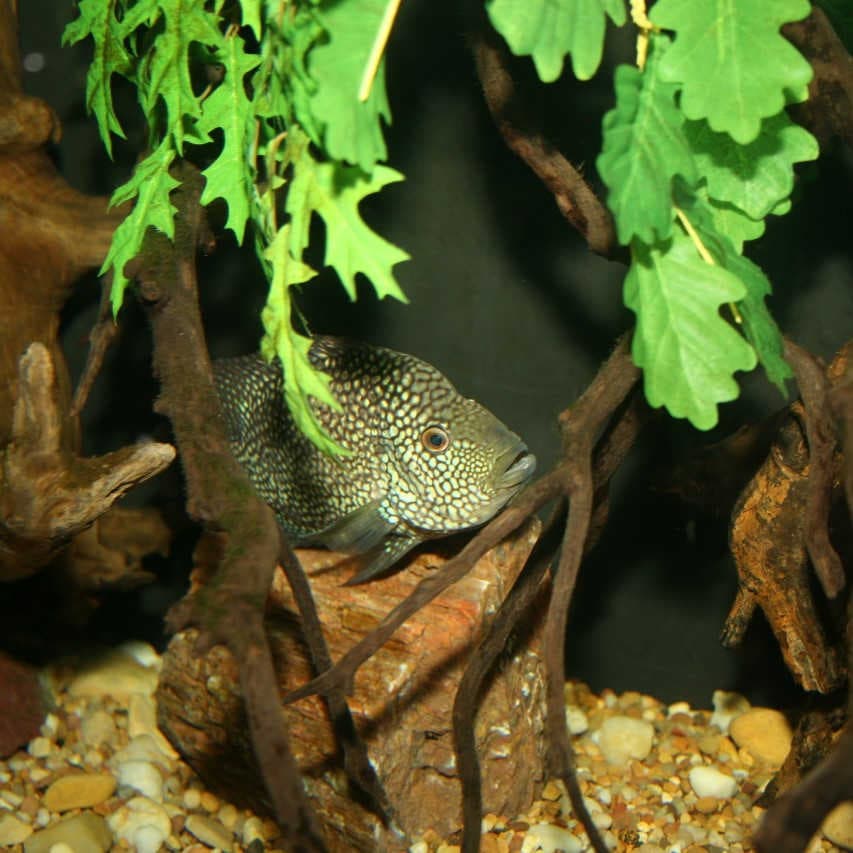
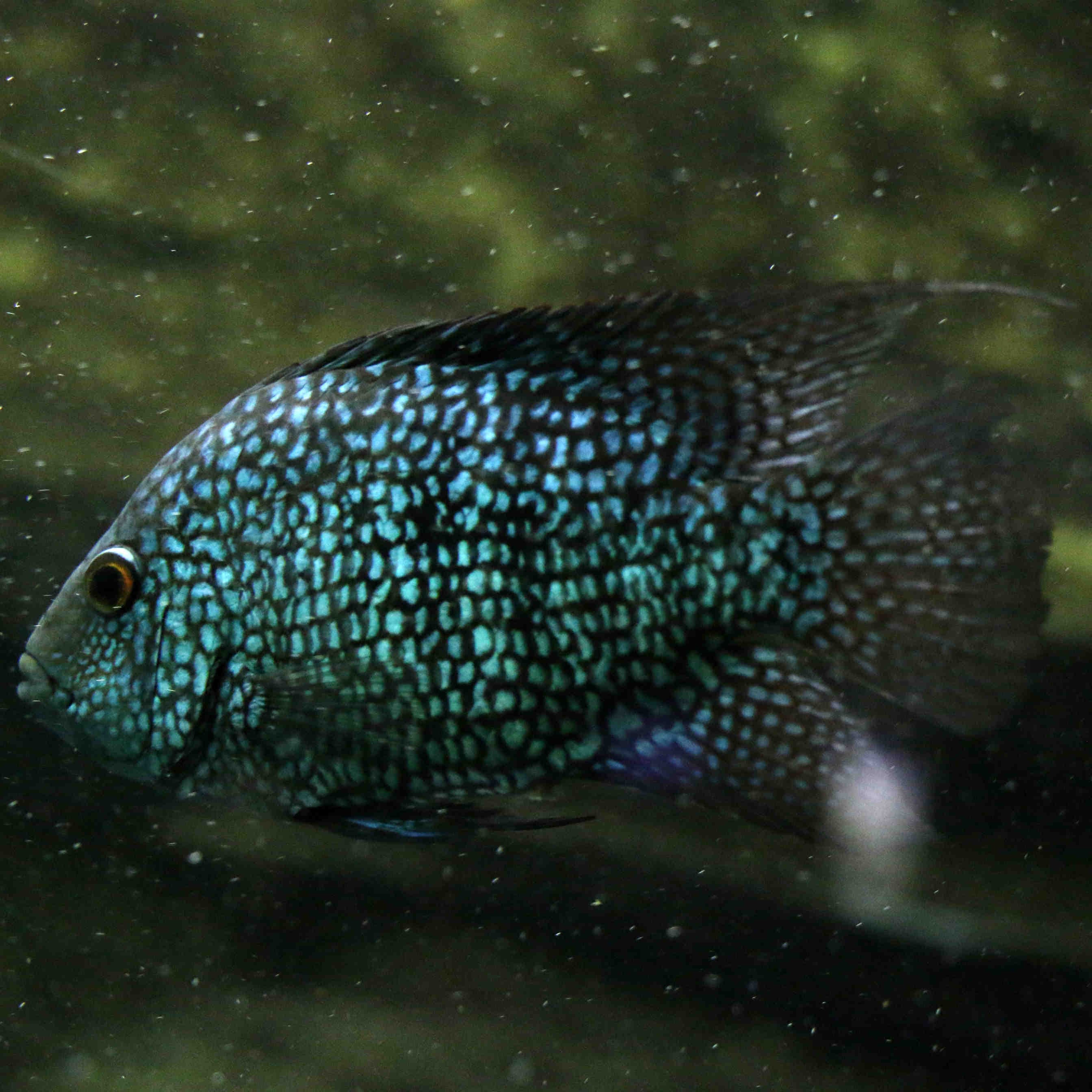
    This character aspect was recently examined in a research whose results were published in the journal Science. The study site is the Lake Tanganyika, a body of water located in the heart of Africa, which serves as a natural laboratory where the extensive biodiversity present can be studied. In the lake, one finds numerous species of cichlids that are distinguished by an extraordinary variety of shapes, diets, habitats and colourations. This wide range of characteristics allows them to adapt and specialise in different ecological roles within the same lake environment. Since it has long been suspected that curiosity also plays a role in the formation of new species and thus in biodiversity, a team of researchers, led by Professor Walter Salzburg of the University of Basel, studied these fish to explore the role of behavioural differences in their adaptation to different ecological niches.
    pesce blu
    XNatura

    The study

    For a total of nine months, the first author, Dr Carolin Sommer-Trembo, recorded the "exploratory behaviour" of 57 different cichlid species along the southern shores of Lake Tanganyika. To this end, the zoologist made video recordings of how the approximately 700 cichlids caught in the lake behaved once they were moved to a new environment (large experimental tanks). After the experimental part that allowed her to collect all the necessary data, the fish were released into their natural environment at the specific capture site.

    lago

    The results of the study

    The researcher analysed each individual video to assess how each species had adapted to these new environments. In particular, she determined which areas of the experimental pond were explored by each fish over a 15-minute period. He thus deduced that, overall, great differences in exploratory behaviour were observed between the different fish species. This points to a strong connection between behaviour, habitat preference and physical traits. In particular, it was found that the larger cichlids found closer to the coasts showed greater curiosity than their longer-line counterparts found in open waters.
    risultati
    XNatura

    Behavioural variations have a genetic basis

    It is evident, therefore, that there are clear differences between different species of fishes at the behavioural and, consequently, adaptive level. However, the genetics underlying adaptive behavioural variation is generally poorly understood. To fill this gap, a genetic analysis was conducted in the study to understand the behavioural differences observed in cichlids. The research team collaborated with Dr Milan Malinsky of the University of Bern to develop a new method of genomic analysis that allowed them to compare data between different species.

    analisi
    3Bee

    Genetics is the key to everything

    Using this new methodology, the researchers identified a genetic variant in the cichlid genome that showed an almost perfect correlation with exploratory behaviour. Specifically, they observed that there is aSNP (Single Nucleotide Polymorphism) whereby species with a 'T' (thymine) in this genomic area show a particular curiosity. In contrast, those with a 'C' (cytosine) show less exploratory behaviour. Furthermore, by using an advanced genetic editing technology, the researchers were able to induce mutations in this specific DNA region, thereby increasing the cichlids' curiosity. The team also used artificial intelligence to obtain predictive information on the exploratory behaviour of previously unstudied cichlid species.

    DNA

    Wider applications: from fish to humans

    Interestingly, the identified genetic variant is located near the cacng5b gene that is also present in other vertebrates, including humans. The particularity of this gene lies in the fact that it is associated with neurological and psychiatric conditions, such as schizophrenia and bipolar disorders, which may, in turn, be related to personality disorders. This means that the results of this research go beyond the boundaries of Lake Tanganyika as they could also be useful in the field of human health.

    studio

    Cichlid fishes: who they are and why they are so differentiated

    The cichlid fishes are a remarkably diverse group of freshwater fish found mainly in the tropical regions of Africa and Central and South America. In particular, it is thought that the most phenotypically diverse group of cichlids in the world is to be found in Lake Tanganyika, the oldest of the large lakes in East Africa, as well as the largest freshwater lake in Africa in terms of water volume (32,600 km 2 with a maximum depth of 1470 m). Nevertheless, it takes third place in terms of species richness, ranking behind Lakes Malawi and Victoria. The extraordinary species richness of these lakes is often the product of intralacustrine adaptive radiations, in the course of which a common ancestor rapidly diversifies into new, phenotypically distinct species, which occupy certain ecological niches. This is why these places are home to a huge variety of cichlid fish and more.

    lago al tramonto

    Morphological and behavioural diversity

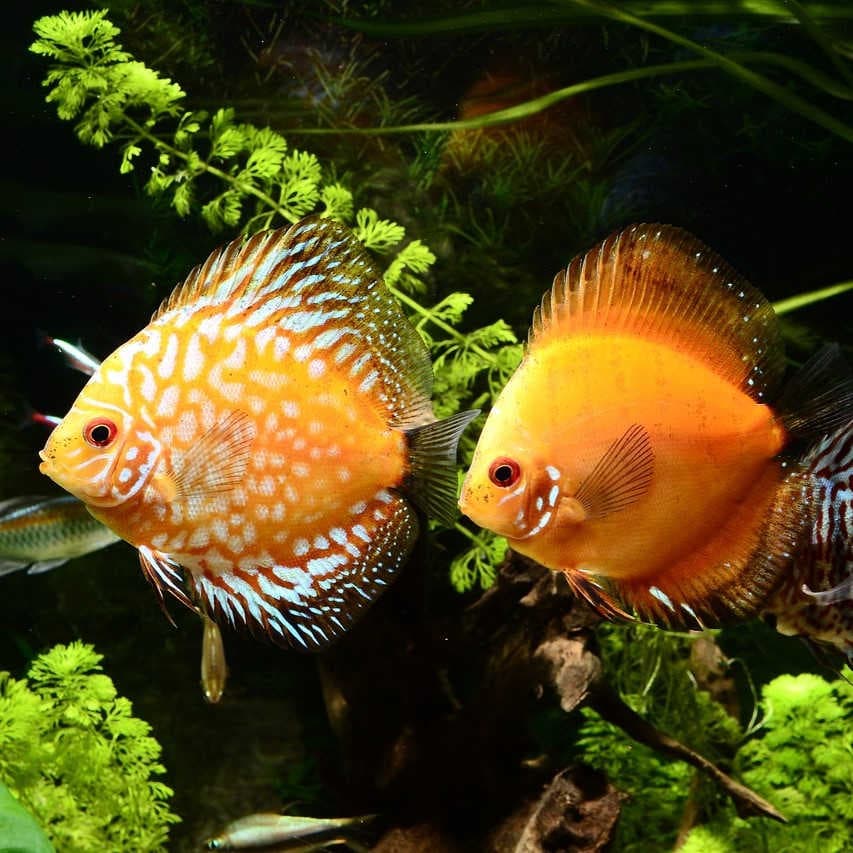
    The physical diversity of cichlids is astounding: their size varies greatly, from a few centimetres to over 30 centimetres in length. Their bodies can be slim and elongated or short and squat, adapted to different types of water flow and predation pressures. The colouration of cichlids is equally varied and often plays a significant role in mating rituals. Bright colours can attract mates or intimidate rivals. But that is not all: these animals exhibit a wide range of distinct behaviours. Some species, for example, are renowned for their complex courtship dances and elaborate reproductive behaviours, including hatching by mouth, in which the female or sometimes even the male carries fertilised eggs in his mouth to protect them until hatching. Others have developed unique feeding strategies such as scraping algae or opening shells.

    ciclide verde

    The importance of cichlid fish

    Despite their remarkable adaptability, many cichlid species are threatened by environmental changes such as pollution, habitat loss and the introduction of non-native species. Considering the wide variety of species that exist and the different niches they occupy, the presence of these fish assumes significant ecological importance Moreover, they are a key model group for studies in evolutionary biology, especially for understanding the process of speciation, through which new species develop. Their rapid rates of speciation and various forms of adaptation make them ideal for investigating genetic, ecological and behavioural evolution. Overall, cichlids not only contribute significantly to the biodiversity of their native habitats, but also provide valuable insights into the evolutionary processes that drive the diversity of life on Earth.
    discidi
    07/06/2024Of 3Bee, Alessia Mircoli
    581 Views
    Newsletter
    newsletter
    Subscribe to the Blog about bees and biodiversity

    Frequently Asked Questions

    Do you have any doubts or other curiosities about this article? Here you will find some insights