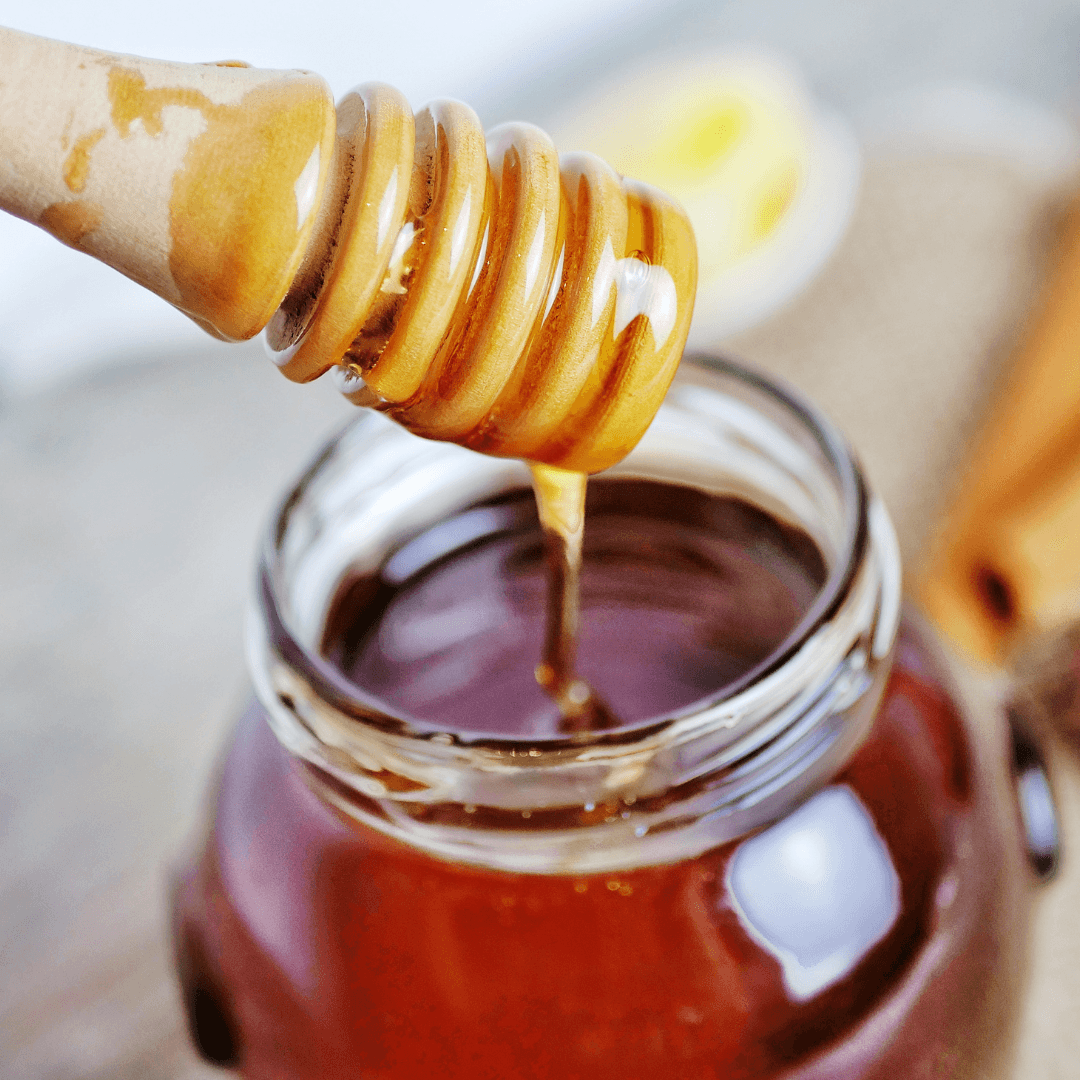
Forest honey: characteristics and advantages
    WaldhonigFeaturesAdvantagesBee sponsor

    Forest honey: characteristics and advantages

    In addition to flower nectar, another important food source for bees is honeydew, from which the bees produce a special type of honey. Forest honey is the name given to honeydew honey that comes exclusively from plants in forests.

    Read the article
    10/06/2022Of 3Bee, Elena Fraccaro
    2700 Views
    10/06/2022Of 3Bee, Elena Fraccaro
    2700 Views

    Waldhonig

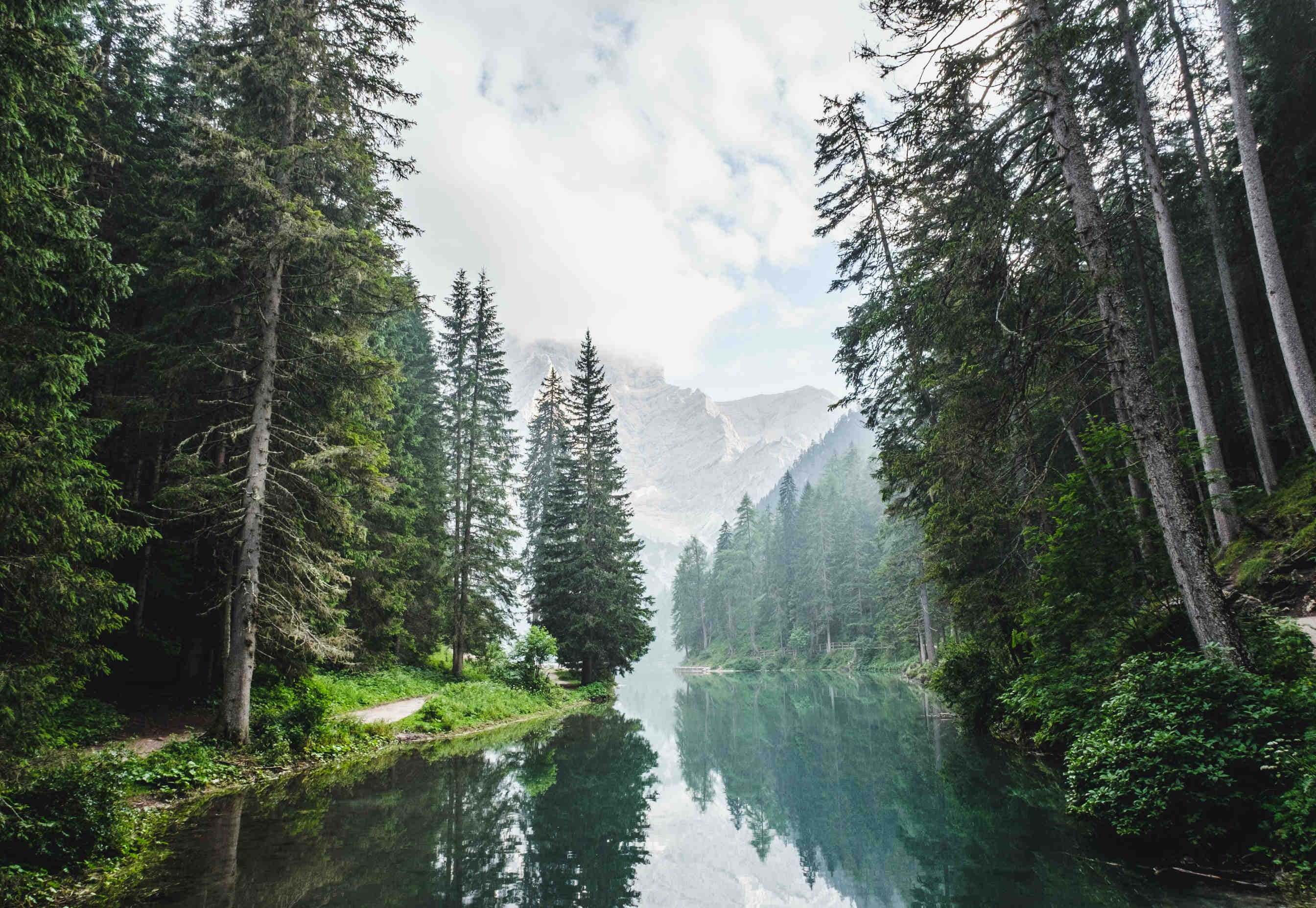
    As spring approaches, nature awakens, new plants are born and grow, and flowers bloom. With the blossom, our beloved bees also awaken and continue their explorations in search of nectar and food. In addition to flower nectar the so-called honeydew is another important food source for bees. This sweet mass, known as honeydew, is produced by aphids and other insects that drink, digest and then secrete the sugary sap from the trees. The bees absorb it and transport it to their stomachs in the hive. There it is enriched with ferments and then stored by the bees in honeycombs in the hive. Forest honey is the name given to honeydew honey that comes exclusively from plants found in forests, mainly from various conifers such as spruce, fir, Douglas fir and pine.
    Waldhonig

    Characteristics of forest honey

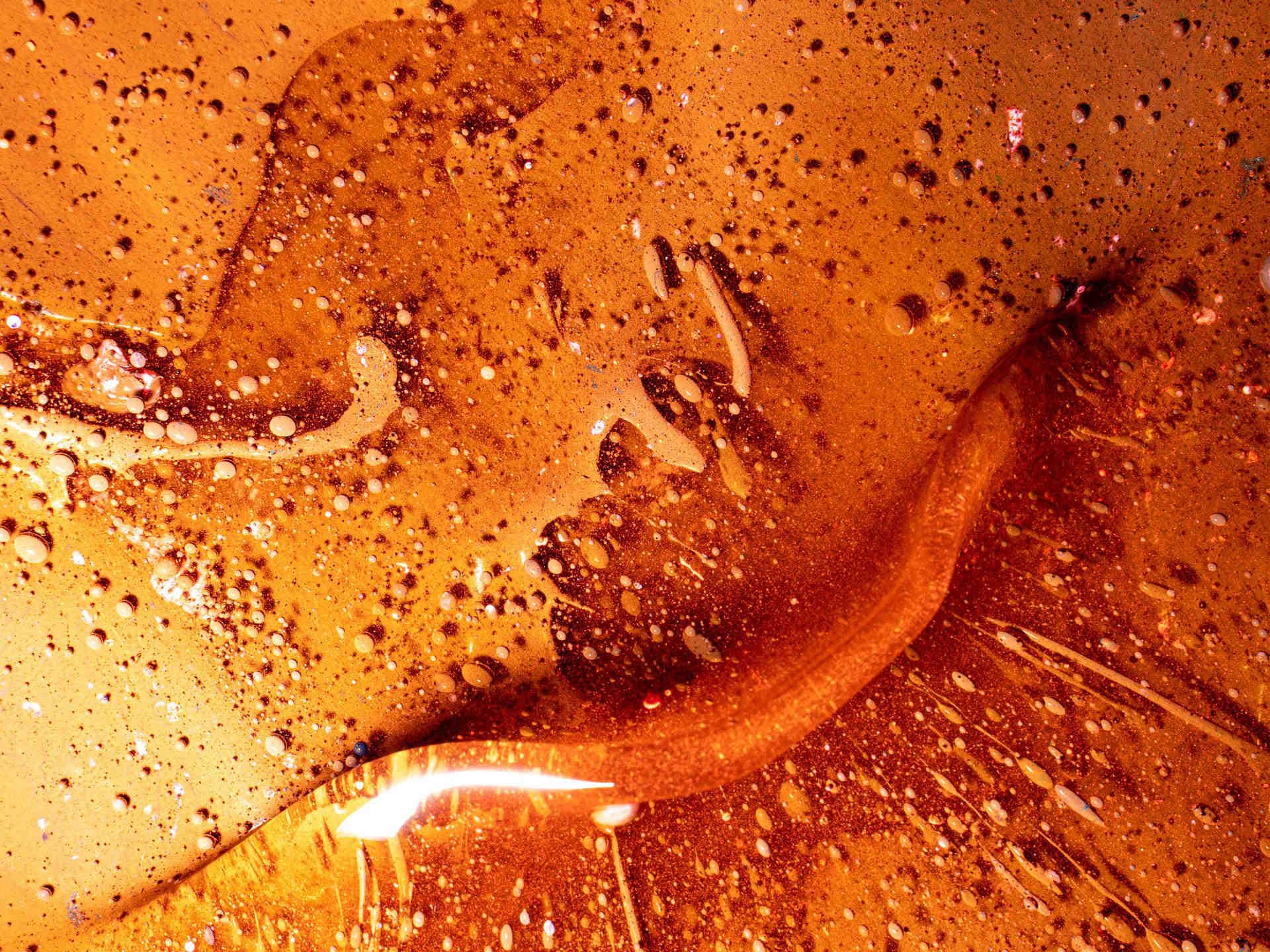
    This honey usually has a much darker colour than honey made from flower nectar and remains liquid for a long time due to its low glucose content. For this reason, it is not as sweet as blossom honey. It has a strong, spicy, slightly sour, often resinous-malty flavour and is light or dark brown in colour. It can vary from almost black to dark brown and sometimes has a slightly greenish colour. This depends on the plants from which the honeydew originates. This surprising colouring promises an unusual composition of ingredients. A certain percentage of nectar from flowering plants is often also contained in forest honeydew honey. In any case, the exact composition of the ingredients varies depending on the plant visited, season, climate or location. The typical microscopic characteristics of forest honey include honeydew elements, such as fungi and algae, and crystalline mass.

    Characteristics of forest honey
    XNatura

    Advantages of forest honey

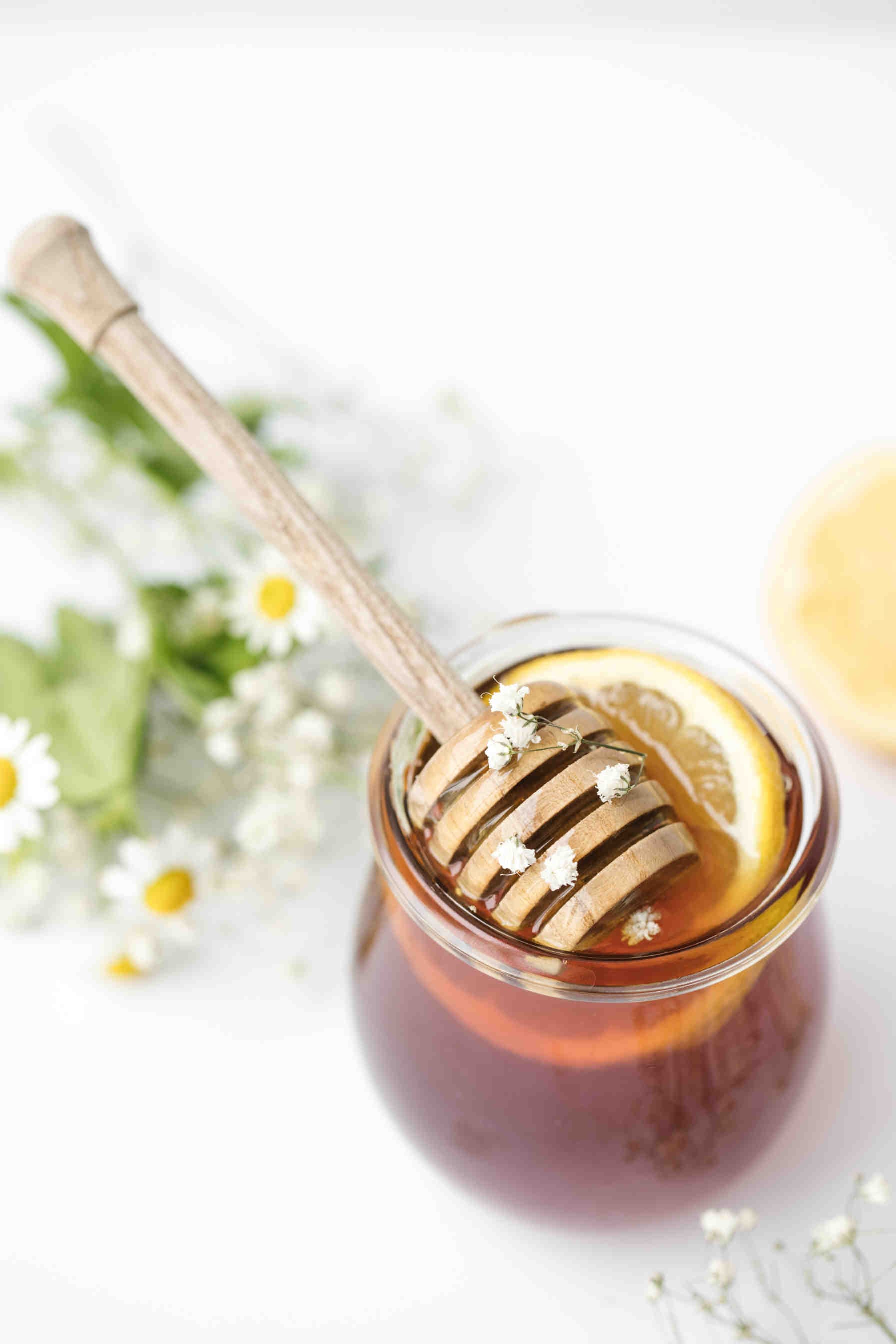
    It is a healthy honey and this is mainly due to its plant origin, the elaborate production process and its many healthy ingredients. Forest honey contains valuable enzymes and minerals. When the bee ingests the sweet honeydew, it also enriches it with enzymes from its stomach. It also contains vitamins, amino acids, minerals and anti-inflammatory substances. It can also be applied to small wounds or burns, as it is said to have an antibacterial effect due to its high sugar content and the inhibins it contains. Among other things, it contains essential oils that are considered particularly helpful for bronchial diseases. This honey can generally have a soothing effect on the symptoms of infectious diseases, such as coughs and sore throats, and on gum inflammation.
    Advantages of forest honey

    Protect bees with 3Bee

    However, to fully enjoy the benefits of honey, it is important to only consume raw honey that has not been processed or altered in any way. Treatments such as pasteurisation, for example, destroy all the elements that make this food so special and valuable. Always consume honey whose origin you know and make sure it comes from the country indicated! Get a 3Bee bee sponsorship and discover the beekeepers and their different honey productions in Germany.
    Protect bees with 3Bee
    XNatura
    10/06/2022Of 3Bee, Elena Fraccaro
    2700 Views
    Newsletter
    newsletter
    Subscribe to the Blog about bees and biodiversity