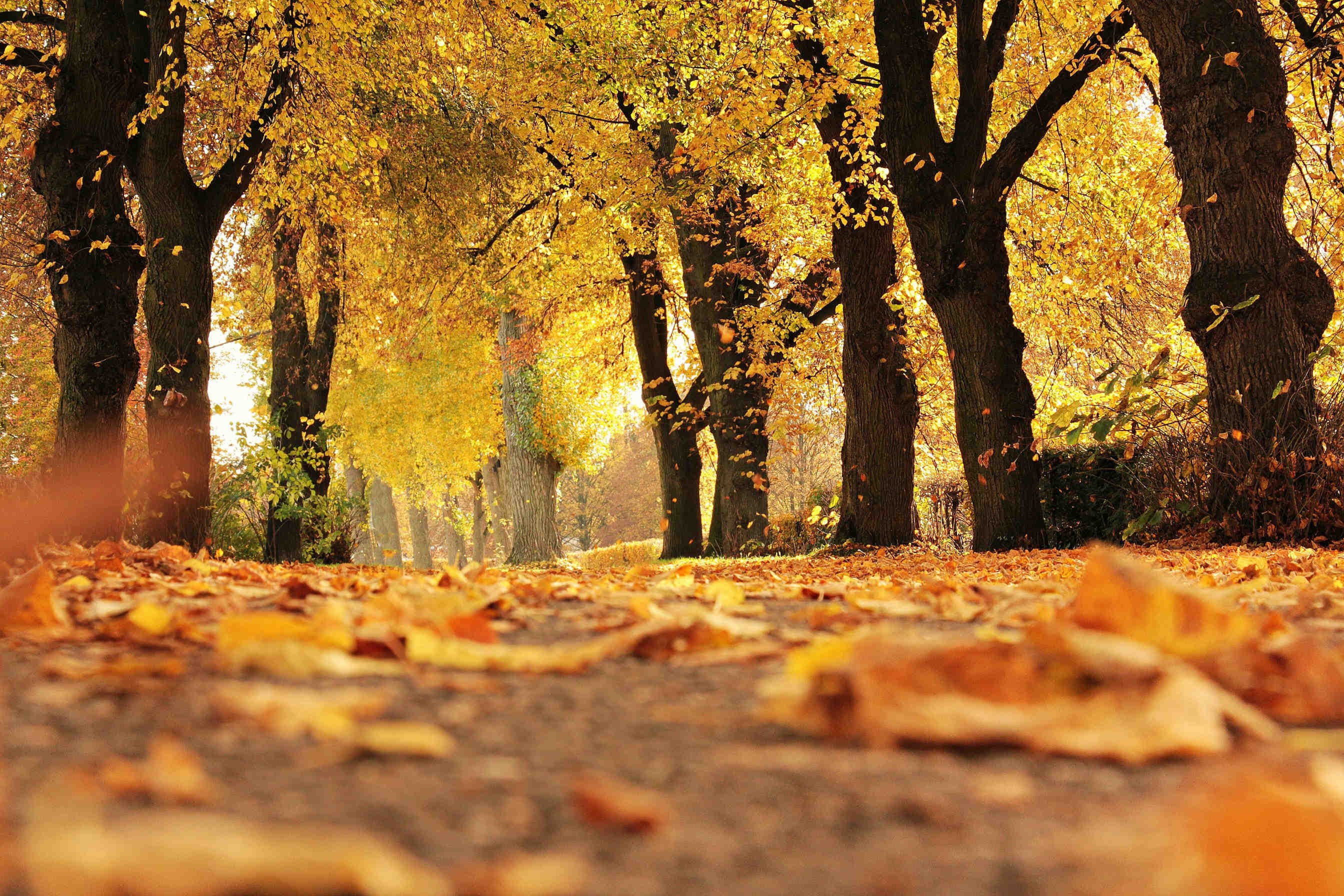
Foliage: why do some plants change leaf colour in autumn?
    FoliagedeciduousPigmentsSenescence

    Foliage: why do some plants change leaf colour in autumn?

    Autumn is often synonymous with vibrantly coloured leaves, with shades ranging from yellow to red. The change in the colour of the leaves of deciduous plants is a response to the arrival of winter, experienced by these organisms as a stress from which they must protect themselves.

    Read the article
    01/11/2024Of 3Bee, Lara Vivarelli
    658 Views
    01/11/2024Of 3Bee, Lara Vivarelli
    658 Views

    Yellow, red and orange: the colours of foliage

    Disclaimer: this is an automated translation from Italian. Go to the original article.

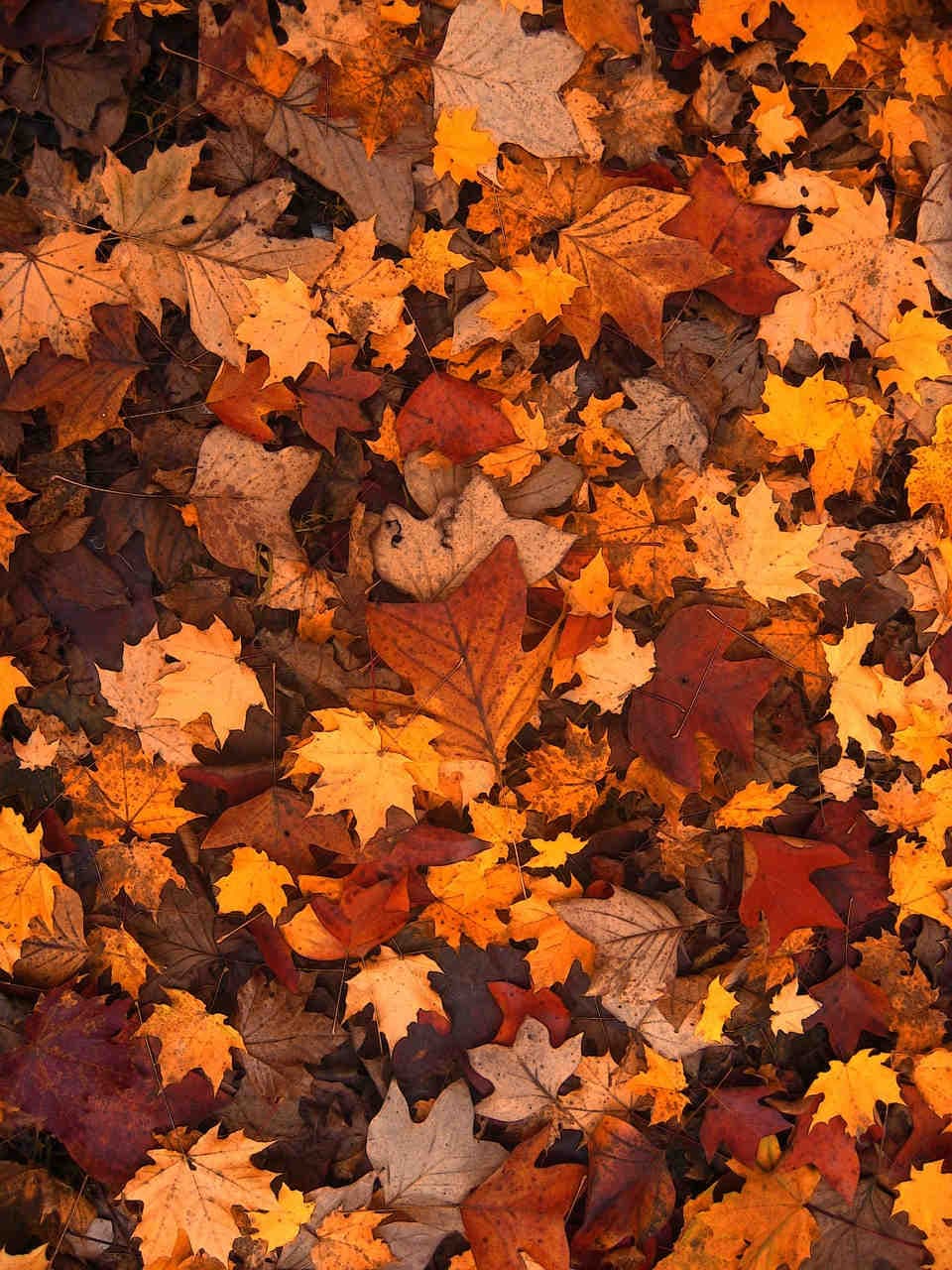
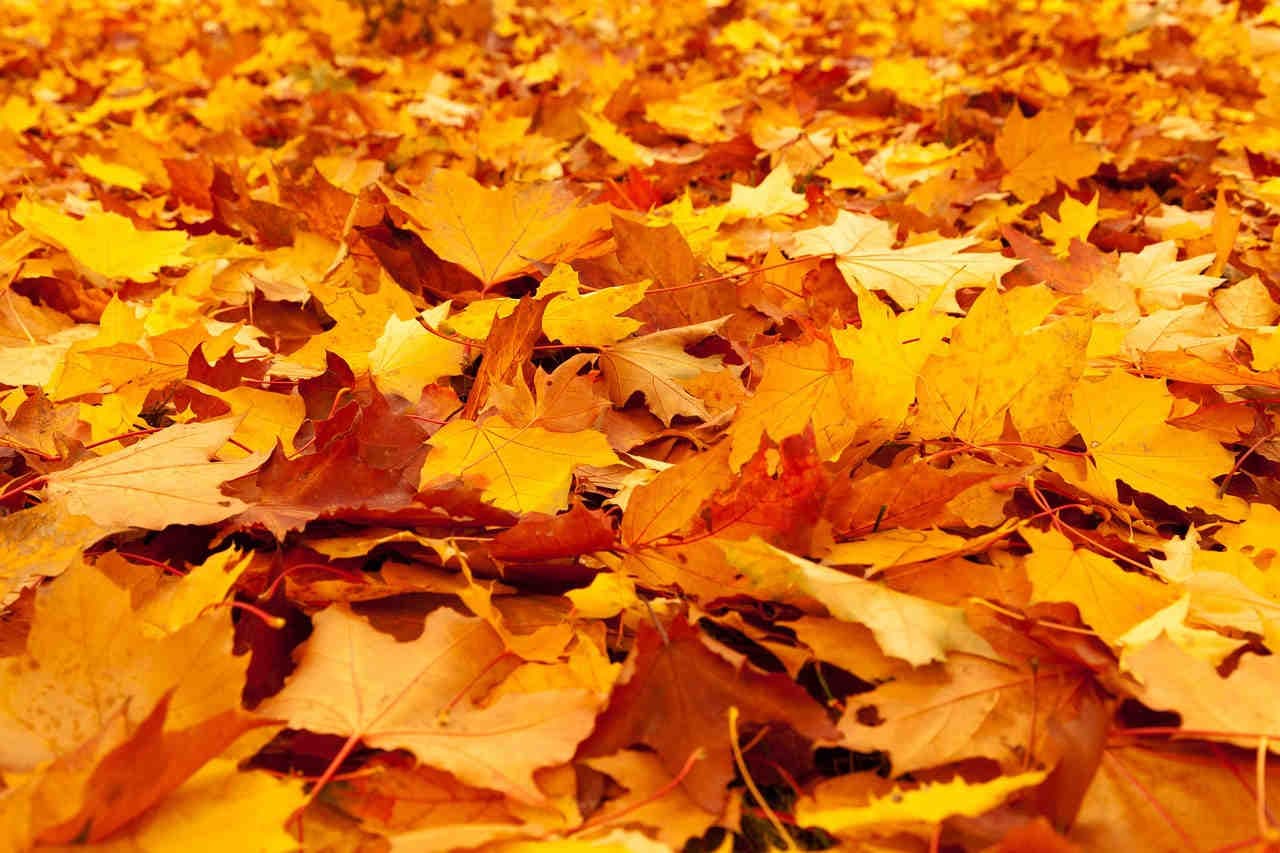
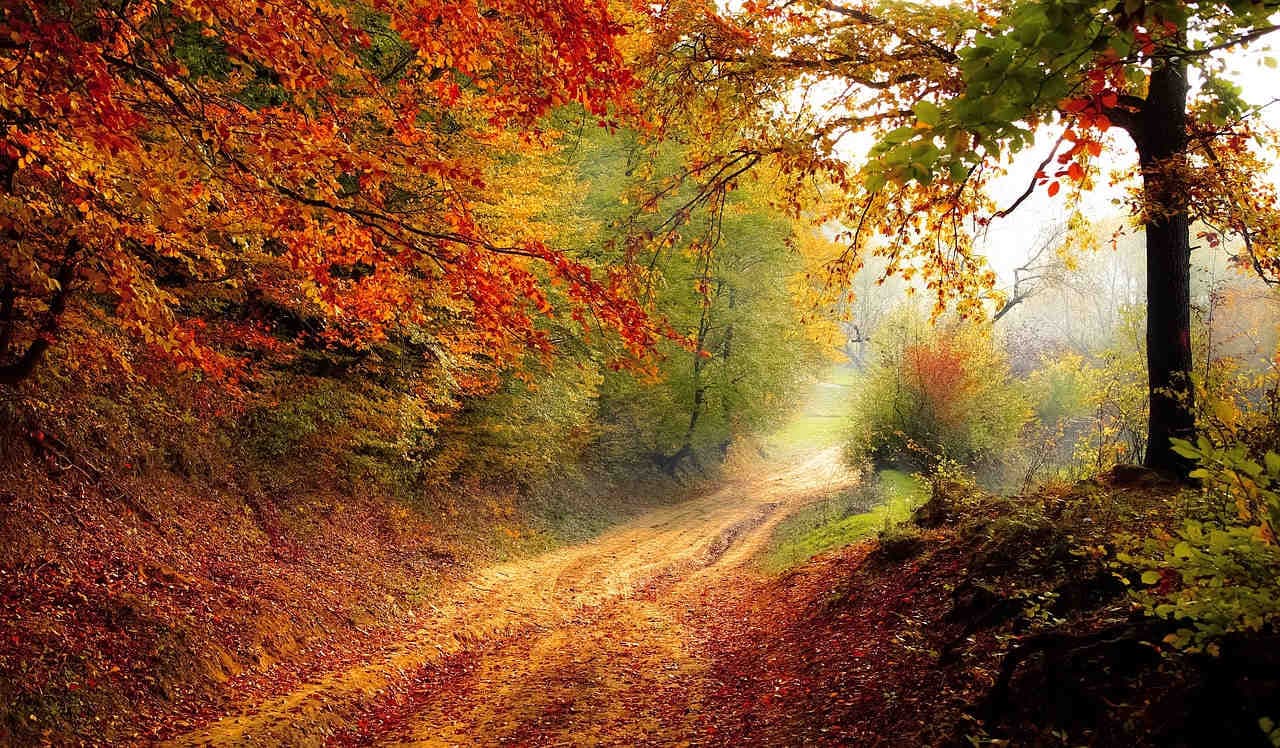
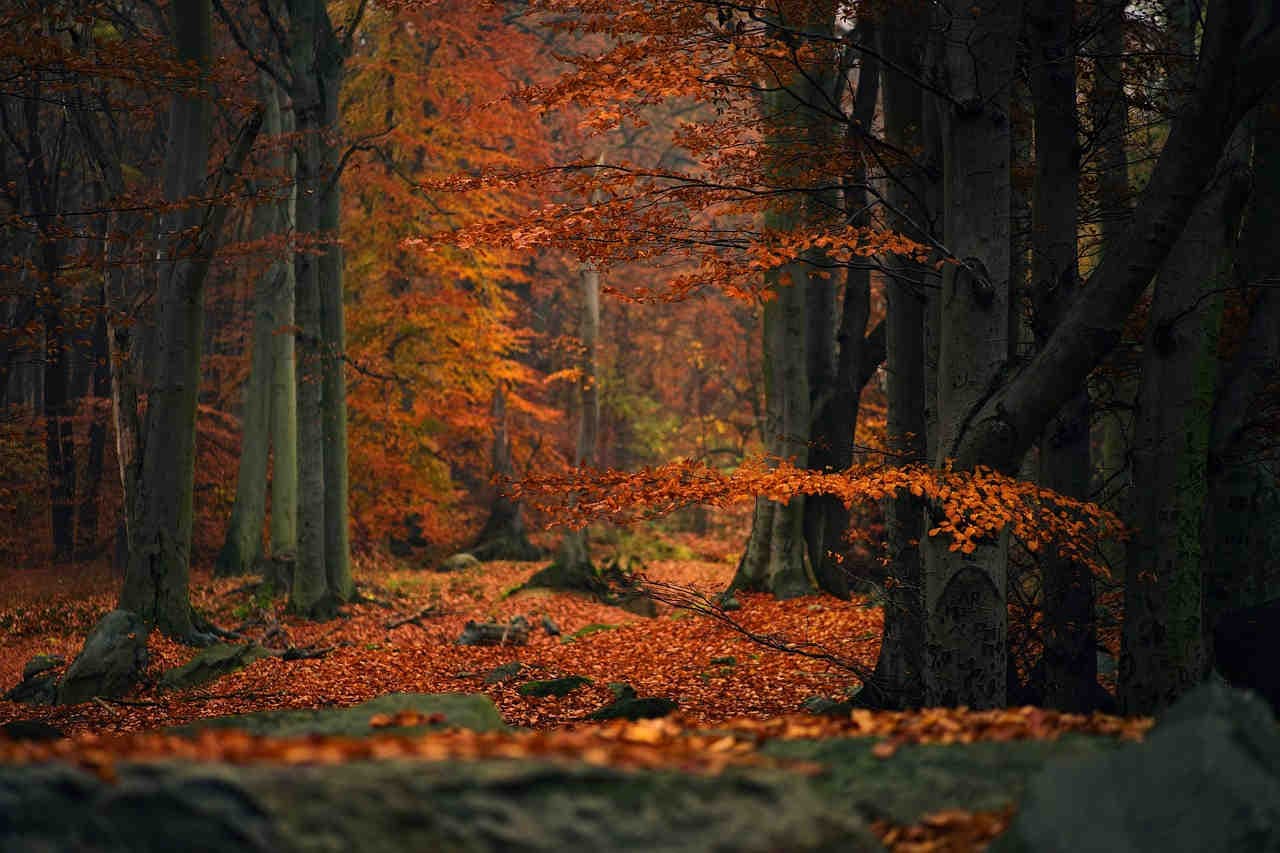
    Hills and mountains in temperature zones, rich in plant biodiversity, change colour in autumn from the bright green of spring-summer to a mix of shades ranging from yellow to red. The precious pigment responsible for the green colour, chlorophyll, is degraded, leaving room for carotenoids and anthocyanins to express their beauty. The much-loved and photographed foliage is nothing more than the life cycle of leaves coming to an end, making way for the winter rest in preparation for a new beginning in spring.
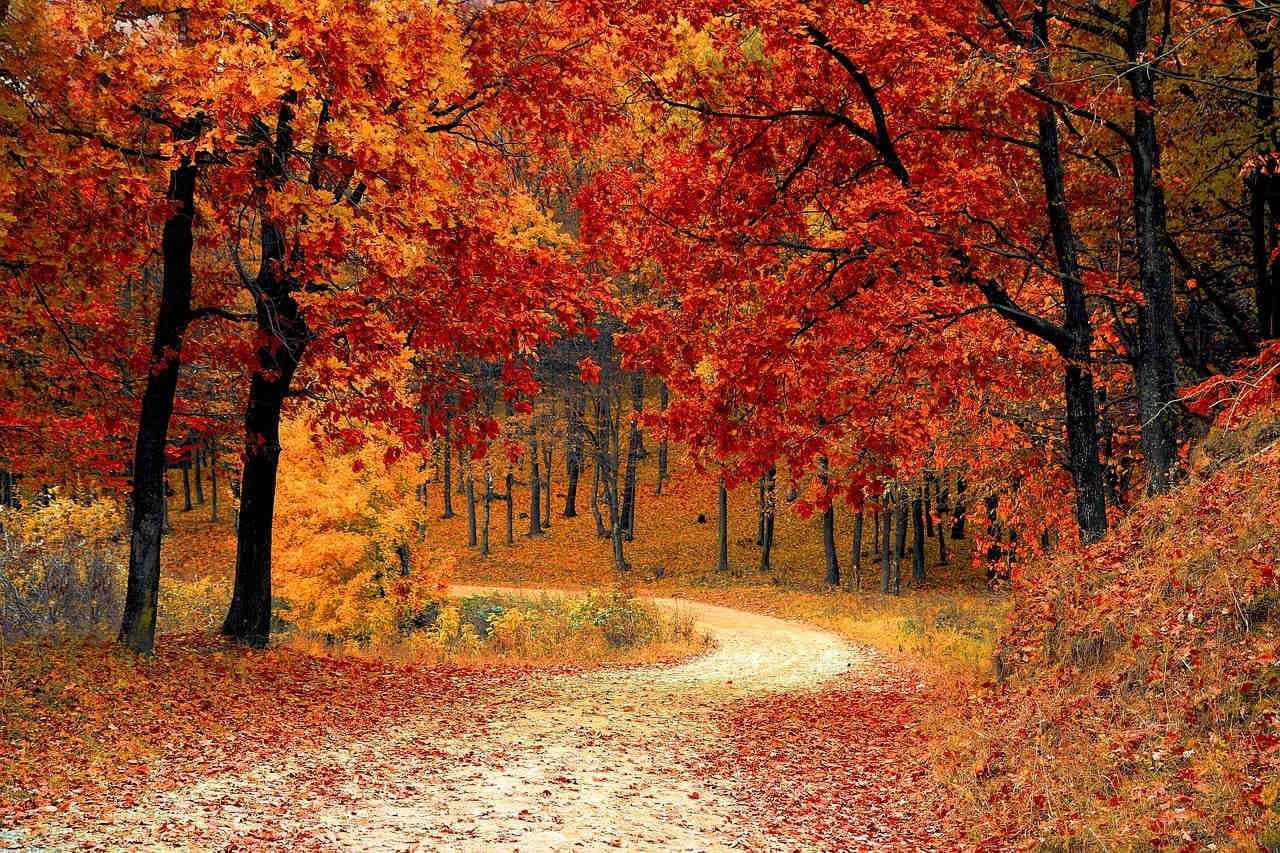
    foliage e i suoi colori

    Foliage is characteristic of deciduous plants

    The colour change of the leaves and their subsequent fall occur exclusively in deciduous plants. These plants lose their photosynthetic organs as the unfavourable season, winter, arrives. They differ from evergreens, which lose their leaves slowly and steadily throughout the year. Deciduous plants, also known as broadleaves, lose their leaves in response to a decrease in photoperiod and a significant drop in temperature. The arrival of winter initiates a process of leaf ageing followed by abscission, the separation of leaves from the branches. This represents a physiological response of broadleaf trees to autumn, perceived as a real stress.
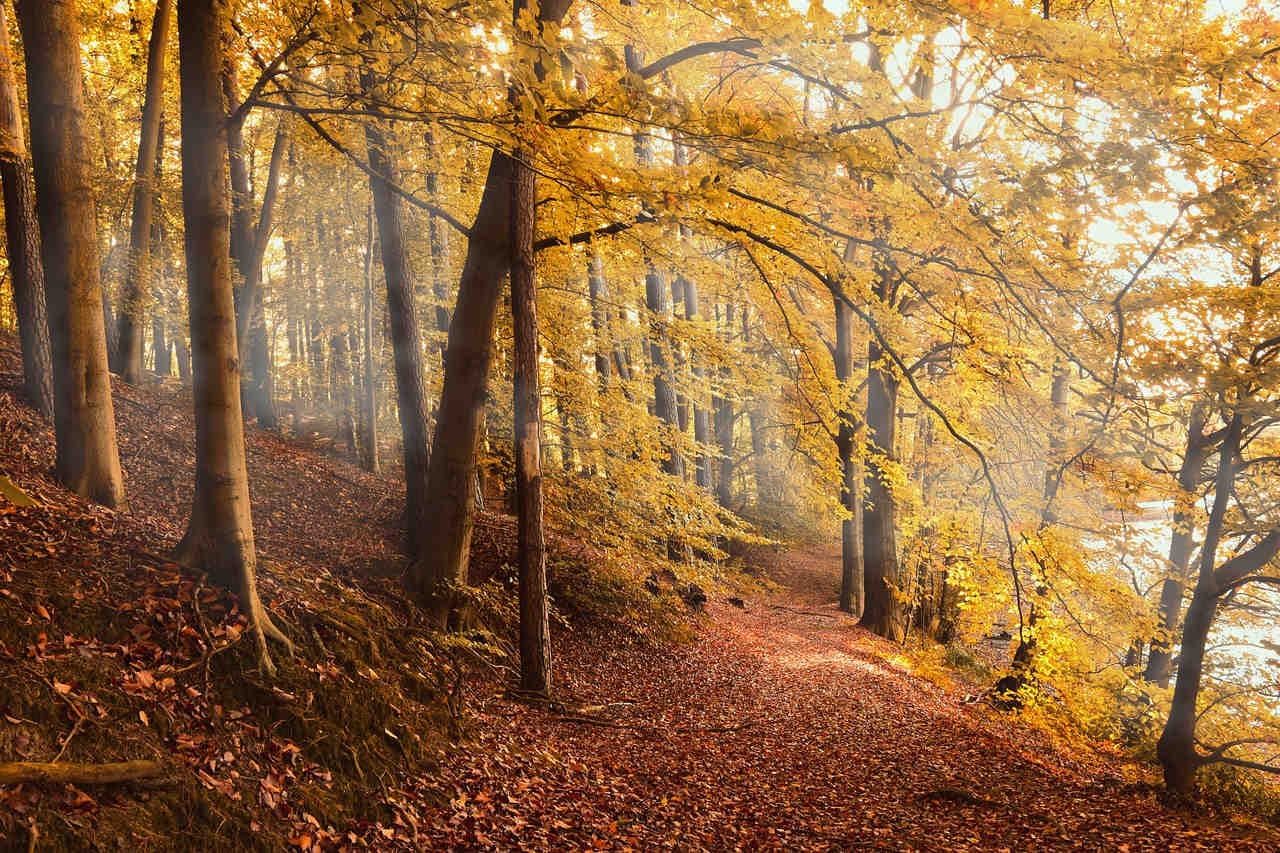
    piante caducifoglie foliage cambiamento colori
    XNatura

    The face of foliage: degradation and pigment production

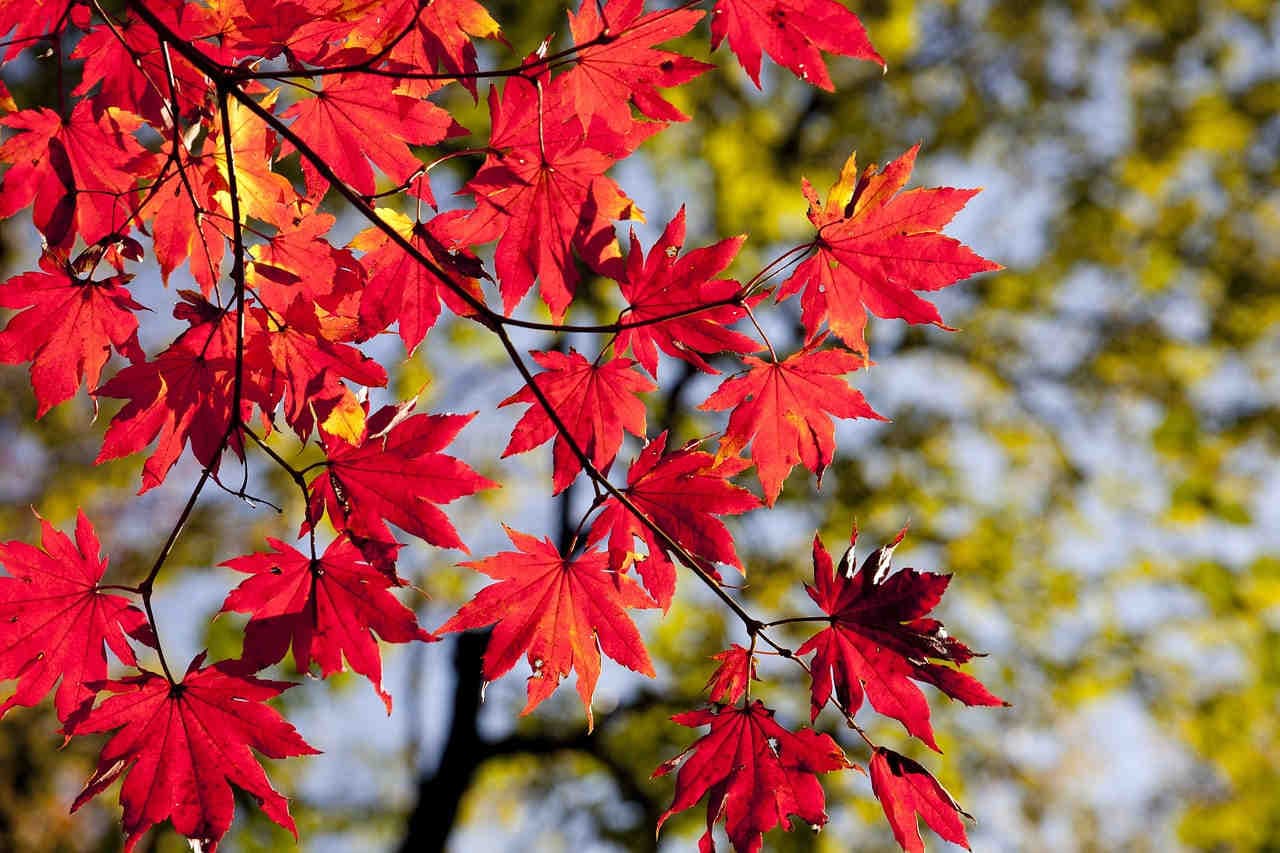
    With the arrival of winter, the plant starts the degradation of chlorophyll, the green pigment of the leaves. This process is stimulated by environmental factors that activate the production of enzymes, including the enzyme pheophorbide oxygenase A, which is responsible for chlorophyll degradation. The production of this enzyme increases exponentially at the onset of leaf senescence. Chlorophyll degradation leads to the yellowing of leaves, revealing the presence of carotenoids, pigments present throughout the year but shielded by the green of chlorophyll in the good season. Carotenoids perform essential functions, such as protection against oxidative stress caused by sunlight and absorption of light as accessory pigments. In contrast, the anthocyanins, pigments responsible for the red and purple colours, are produced during leaf senescence and do not participate directly in photosynthesis.
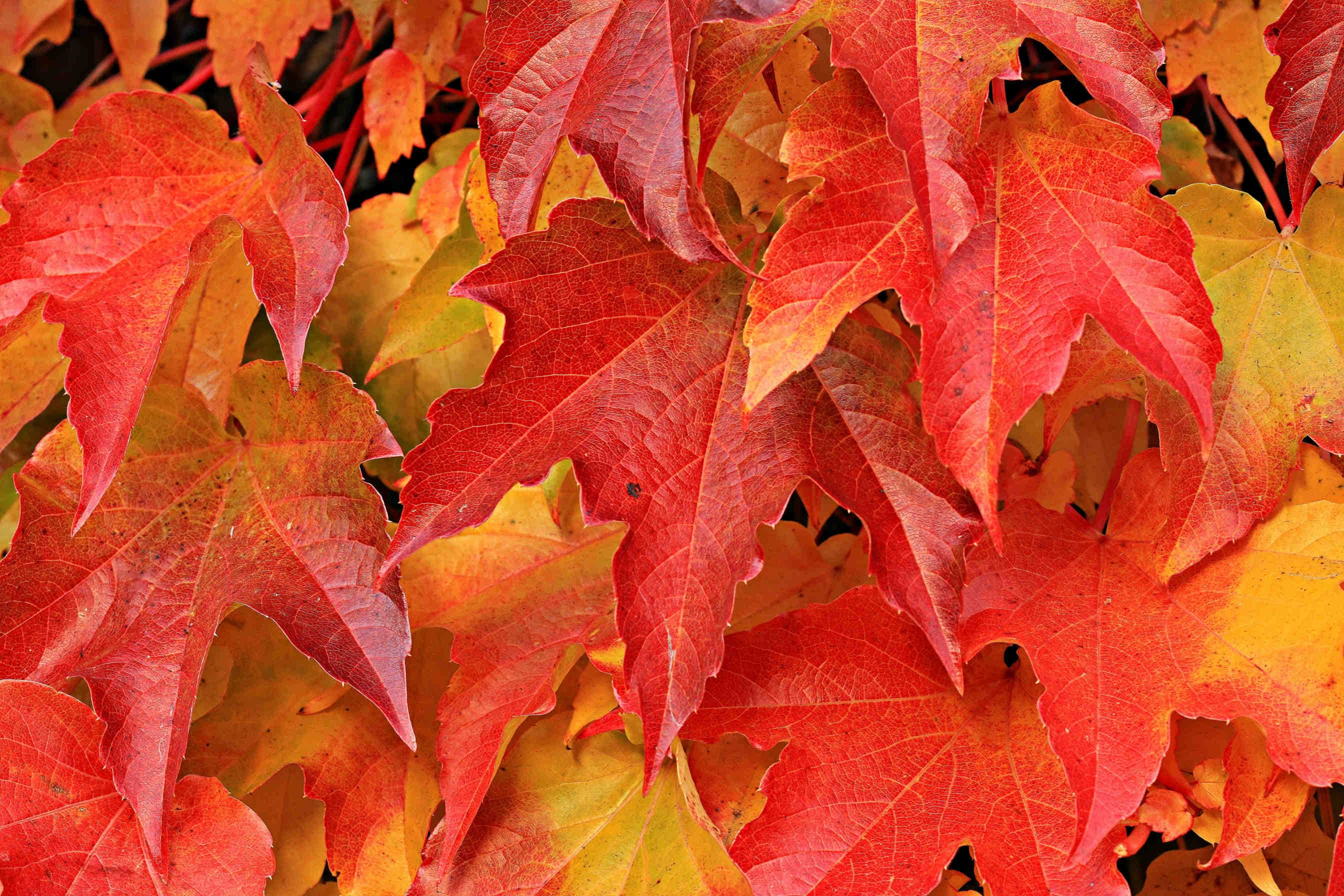
    produzione e degradazione dei pigmenti

    Leaf senescence can take several forms

    The leaf senescence is mainly associated with the autumn period, but can also beinduced by various processes that plants perceive as stress. Examples are insect stings, weather adversities such as hail, limitation of water or nutrients and the spread of pathogens. In the case of a response to a pathogen attack, as plants do not possess an immune system like animals, to counteract the advance of harmful microorganisms they canphysically separate the affected area, sacrificing the cells involved, to safeguard the rest of the plant organism. Leaves can therefore be lost at any time of the year, partially or completely.

    senescenza fogliare
    XNatura

    Leaf senescence as a survival strategy

    Plants, unlike animals, produce the energy to sustain themselves through the process of chlorophyll photosynthesis. Leaves are rich in chlorophyll, the pigment responsible for absorbing light for energy production. Dropping these plant organs may seem counterproductive as, the plant deprives itself of the ability to produce energy. However, this behaviour represents an efficient strategy in response to the arrival of cold weather. By shedding leaves, plants reduce the surface area exposed to adverse conditions, such as low temperatures. In fact, plants prefer tosacrifice these exposed structures, which would be unproductive during the winter due to the limited hours of light, rather than risk death or loss of valuable nutrients.

    senescanza fogliare strategia di sopravvivenza
    3Bee

    Why are leaves coloured in autumn?

    The autumn colouration of leaves is certainly a by-product of leaf senescence in response to autumn stress, but it may also have several adaptive roles. Examples are the red and orange colour pigments, anthocyanins and carotenoids respectively, which play a sunscreen function, to protect plant cells from the damage caused by intense radiation and free radicals, the culprits of photo-oxidation. The production of anthocyanins, in particular, is regulated by specific genes, which are activated with the onset of senescence, precisely to provide agreater level of protection from excess light and in contributing to the effective reabsorption of nutrients.

    ruoli adattativi colori foglie

    Leaf senescence is regulated at the genetic level

    The change in leaf colour in autumn results from a complex interaction between genetic and environmental factors. The response to cold weather and the shortening of the photoperiod is ofa genetic nature: under particular environmental conditions, the expression of genes is activated that lead to the production of specific enzymes with different functions. In this context, the production of enzymes for the degradation of chlorophyll and for the biosynthesis of anthocyanins their quantities and the times of expression of them are under genetic control. During autumnal leaf senescence, the plant implements another genetically mediated response: programmed cell death. This process is an effective strategy to cope with autumn stress by accompanying and facilitating chlorophyll degradation.
    colori autunnali e senescanza fogliare controllati a livello genetico

    Recycling nutrients

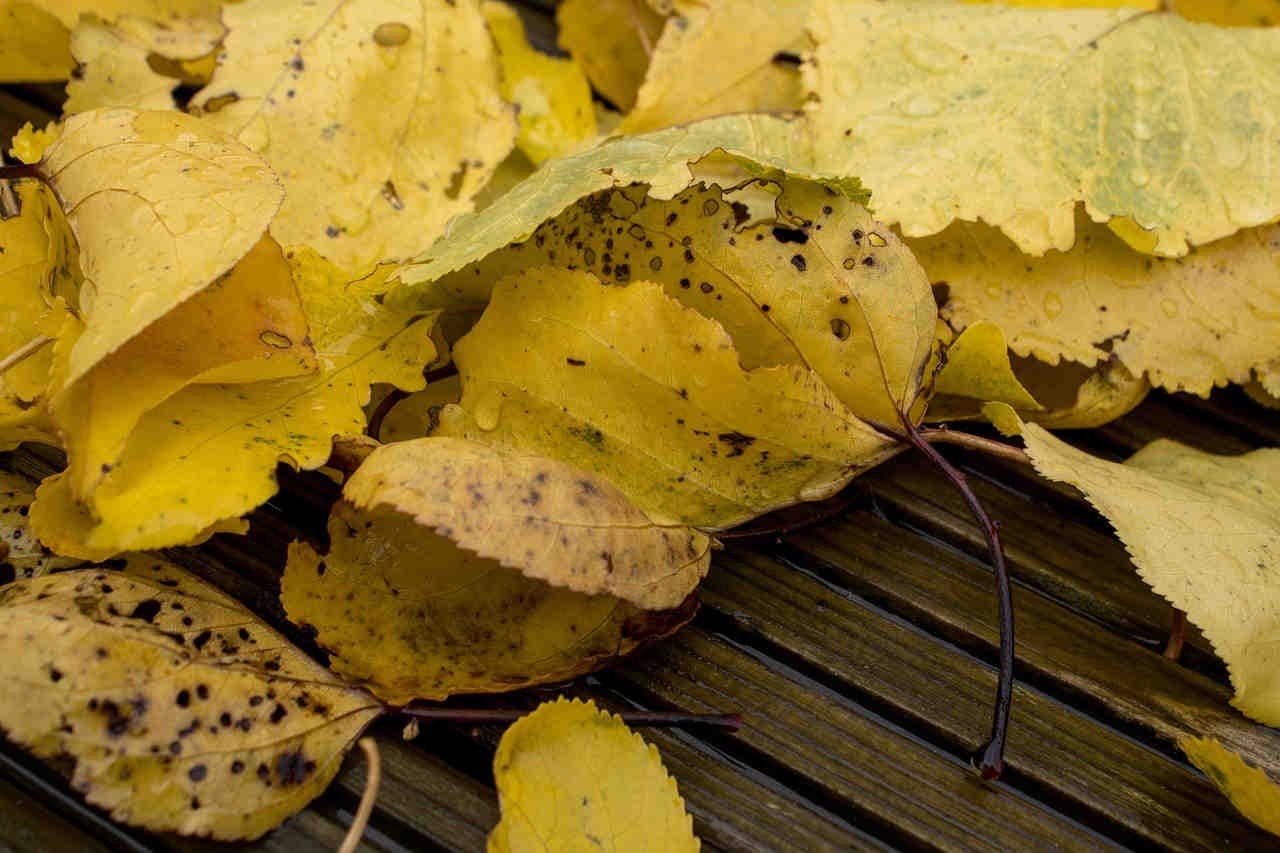
    Leaf senescence causes both the degradation of certain leaf components and the death of plant cells. This death process is paralleled by a process of mobilisation of the by-products of degradation for their reuse. It is not only pigments that are degraded, but there is a recirculation of all the molecular components of the leaf to the rest of the plant. Indeed, the proteins, 75% of which are composed of RuBisCO, the main enzyme involved in photosynthesis, are degraded and mobilised. The membranes of the photosynthetic organelles, the chloroplasts, are harnessed as energy for the process due to their availability of carbon. The DNA, on the other hand, is kept as such to enable genetic reading and the coding of useful enzymes. Also metal ions and minerals are transferred outside the leaf to be recycled by the plant.
    riciclo nutrienti senescenza fogliare

    Impact of climate change on foliage

    The increase in global temperature in recent years has led to warmer autumns, threatening the vibrant colours of foliage. Phenomena of dryness and a reduction, or even absence, of precipitation can delay the change in leaf colour and thus leaf senescence. Climate change, by impacting leaf ageing, disrupts the annual cycles of growth and rest that trees undergo. Scientists are still working to understand the implications of these changes for forests: how the health of trees may change, where they can best thrive and whether they will continue to store carbon at the same rate as before.

    cambiamento climatico e foliage
    01/11/2024Of 3Bee, Lara Vivarelli
    658 Views
    Newsletter
    newsletter
    Subscribe to the Blog about bees and biodiversity

    Frequently Asked Questions

    Do you have any doubts or other curiosities about this article? Here you will find some insights