Flooding in Emilia Romagna: The Role of Biodiversity
    Climate changeGeologyBiodiversityBiodiversity

    Flooding in Emilia Romagna: The Role of Biodiversity

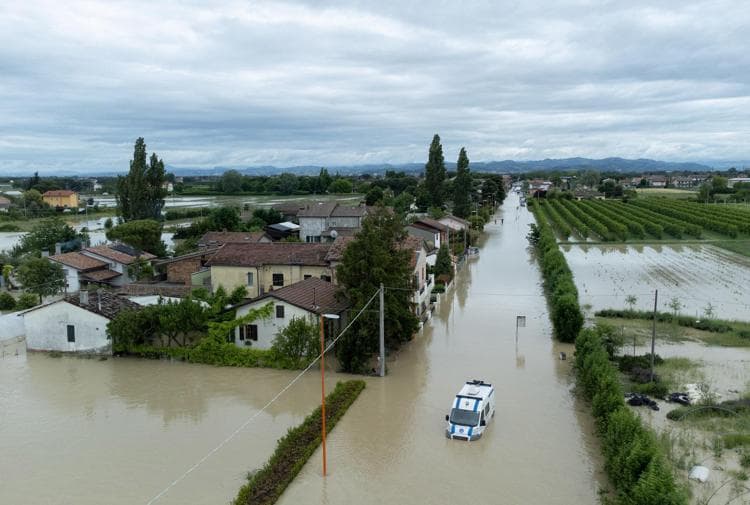
    Climate change and the biodiversity crisis are the factors that caused one of the most devastating floods of the century in Emilia-Romagna. Two flood events followed one another, causing the inundation of entire cities and towns.

    Read the article
    18/05/2023Of 3Bee, Elena Fraccaro
    966 Views
    18/05/2023Of 3Bee, Elena Fraccaro
    966 Views

    The global scenario: climate change

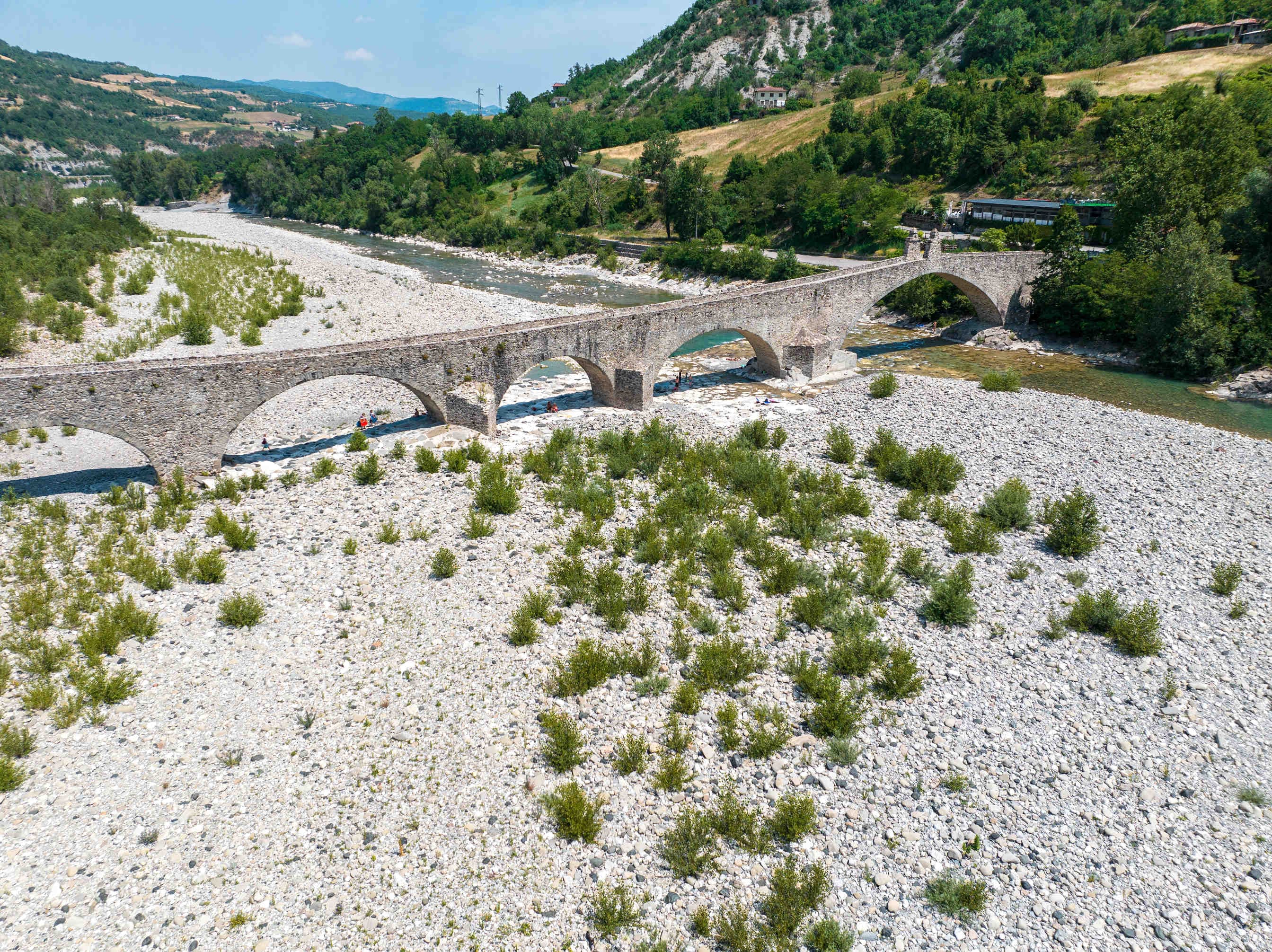
    That climate change is responsible for these events is universally recognised by the international scientific community. The high and abnormal temperatures of the early spring months, combined with the total absence of rainfall that has caused droughts and river dryness over the past two to three years, have created a devastating combination. Water evaporation occurs rapidly, winds and currents change, and the annuality of rainfall is reduced to a few but extreme events, as seen in recent days. The European climate is heading towards tropicalisation and we can only defend ourselves through mitigation and adaptation.
    The global scenario: climate change

    Geology

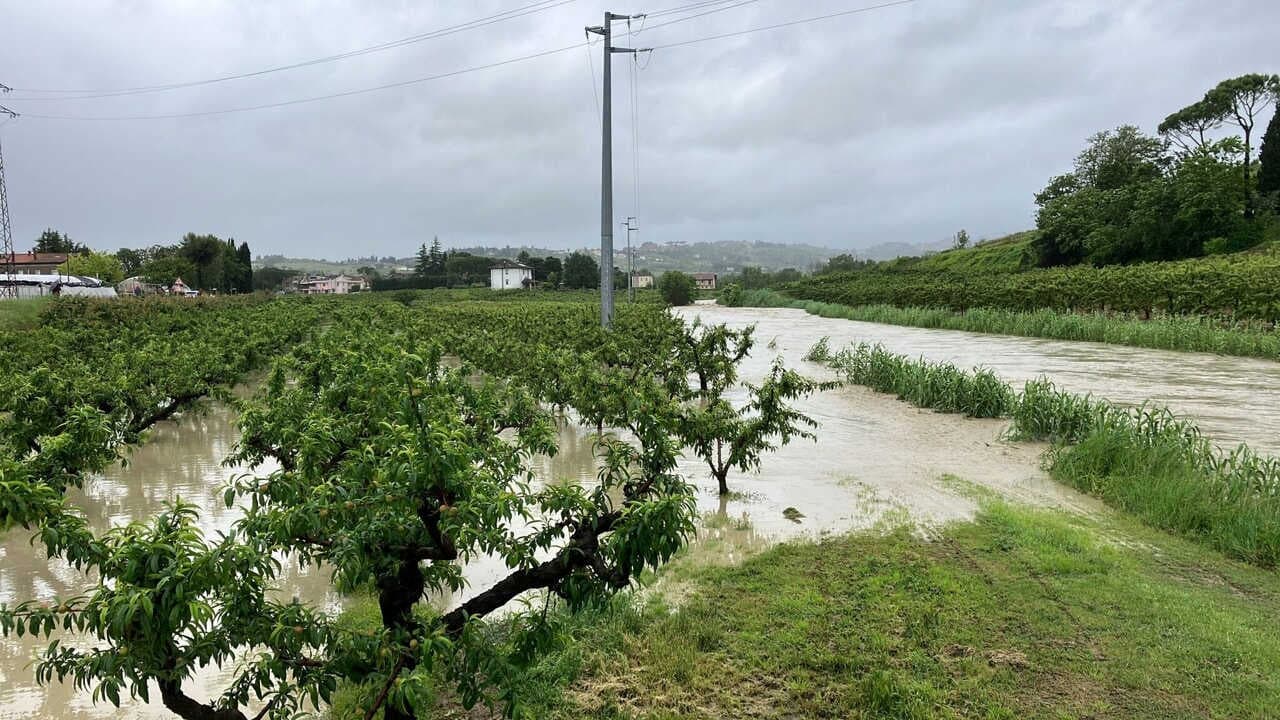
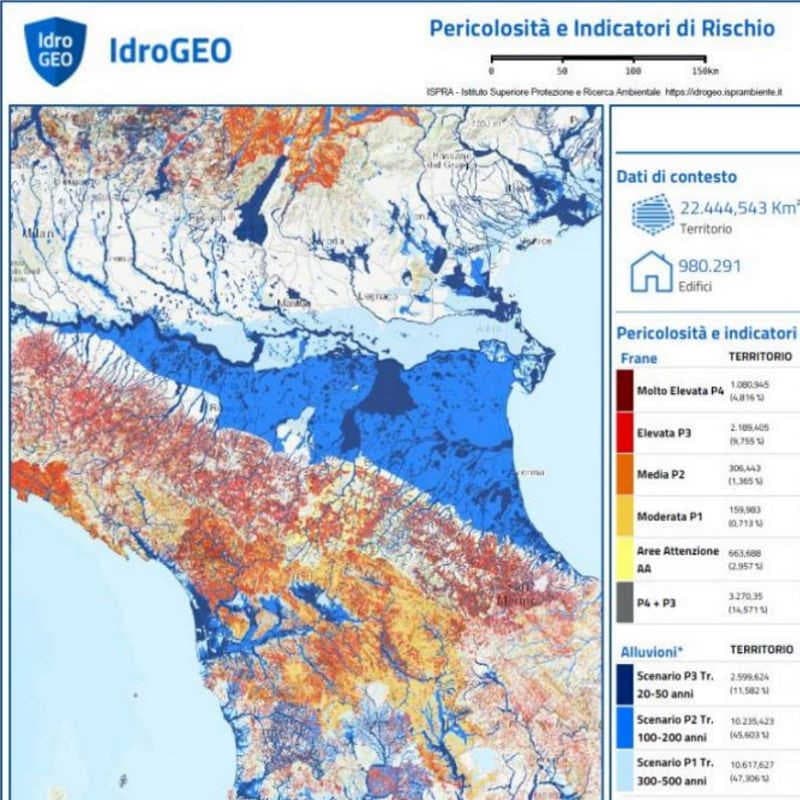
    The vast region of Emilia Romagna, from Faenza to Cesenatico, from Bologna to Imola, from Rimini to Riccione and Cesena, witnessed an unceasing cascade of water falling from the sky. Situated at the base of the Apennines, these municipalities are in a delicate position: a natural boundary between mountains and plains, and the point of confluence of numerous rivers, in several cases altered by man and, fed by heavy rains, have seen as many as 14 of them overflow. The water, instead of being drained towards the sea, poured into the Po Valley, turning it into an inner sea. The flood of mid-May thus submerged this vast floodplain, causing great damage.
    Geology
    XNatura

    But how does this relate to biodiversity?

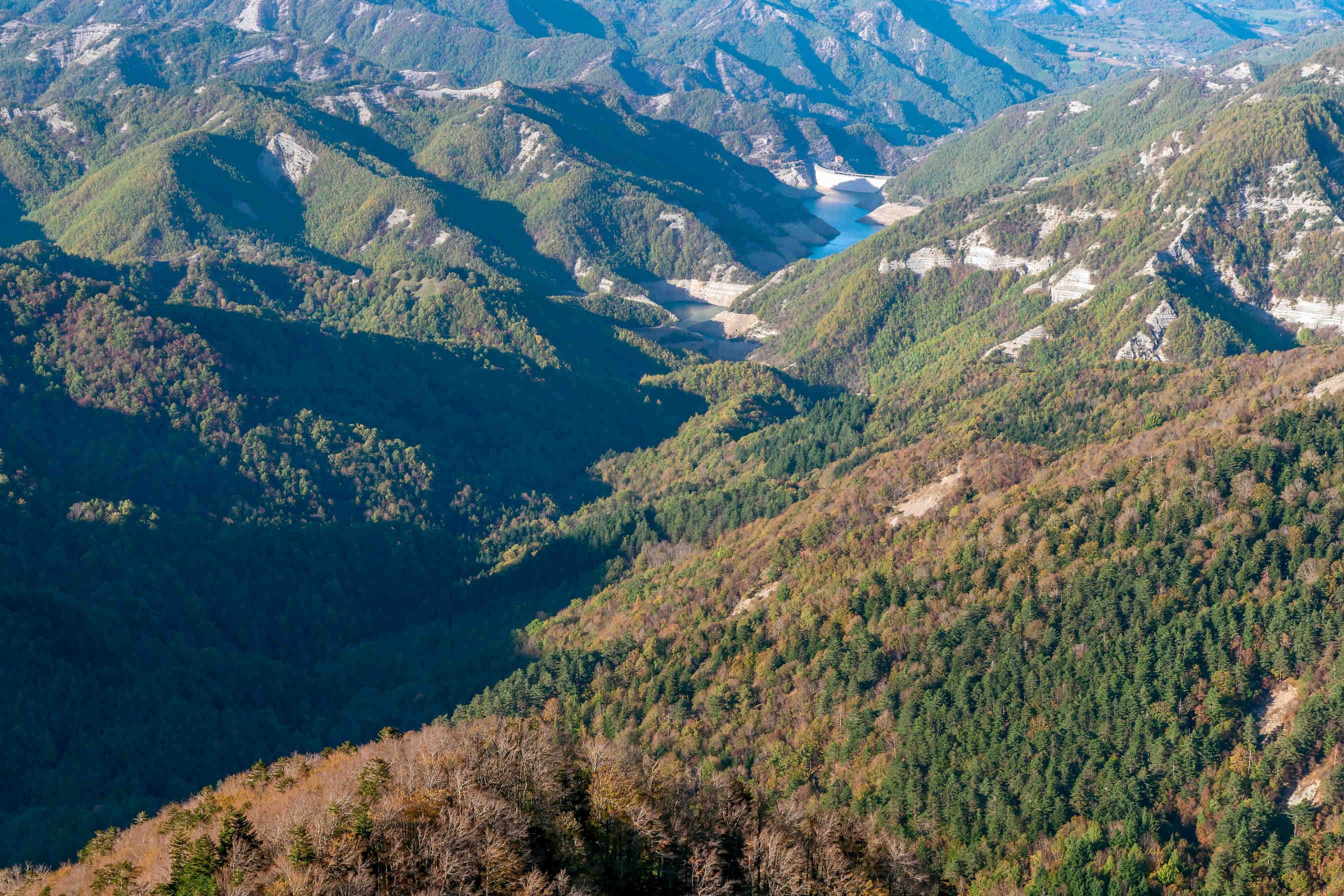
    The answer lies in soils and natural ecosystems. At the beginning of May,the soils became saturated with water. When the next rain came, they no longer had the capacity to absorb it, leaving the water to stagnate on the surface. This is largely due to the fact that much of this land is agricultural, not forested. Without forest ecosystems, there is no significant mass of water absorption. Floodplain soils, such as the Po Valley, are mainly composed of sand and clay, materials known for their impermeability. Without trees and natural ecosystems, there is no way to absorb excess water.

    But how does this relate to biodiversity?

    More biodiversity plus ecosystem services

    Among the 4 categories of ecosystem services identified,regulatory services are concerned here because they speak precisely of protection from hydrogeological instability. Cementification and the lack of management and maintenance of riparian vegetation are among the recognised causes. Forests, by intercepting precipitation reduce the amount of water that penetrates and remains in the soil, increasing the flow along the slopes, eroding the soil before reaching the main river, amplifying flood events.

    More biodiversity plus ecosystem services
    XNatura

    Riparian vegetation

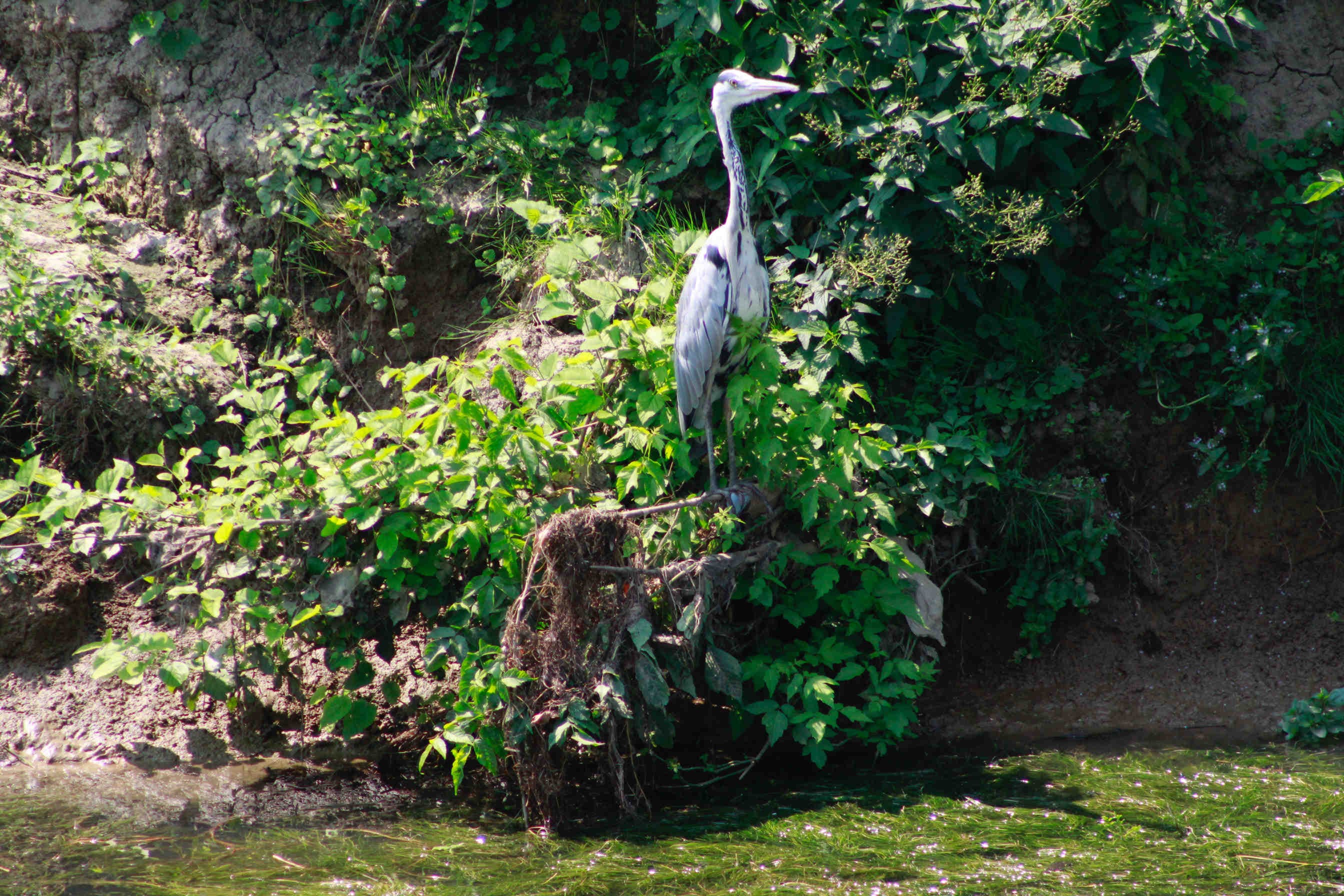
    During extreme events such as those that have occurred in recent days, the resilience of banks and embankments is a crucial component in preventing disasters. The plants present in the riverbanks and along the banks, if managed correctly, with controlled and seasonal mowing in favour ofconserving native species, in balance with the habitats that surround them, guarantee protection from erosion, slowing down the flow of water and preventing overflows. As recognised in scientific circles, riparian vegetation also provides a phitodepuration service from industrial and agricultural waste, absorbing and storing much-needed nutrients that pose a threat to human health. Finally, proper management of riparian vegetation would ensure the protection of endemic wetland species that have been reduced in large numbers due to anthropisation and land use.
    Riparian vegetation
    3Bee

    The need for radical change

    The interconnection between climate change, biodiversity and land management is now a fact. In view of climate change and its consequences, such as the devastating floods in Emilia Romagna, joint and decisive action is increasingly urgent. We are called to a paradigm shift: it is necessary to recognise ourselves as an integral part and guardian of the ecosystem in which we live. This implies sustainable land management, the mitigation of the effect of human activities on the climate, and the adoption of policies aimed at the conservation of biodiversity and the safeguarding of ecosystem services. Only through an integrated approach can we mitigate the effects of climate change and protect our planet. It is a commitment that requires the effort of all of us - individuals, communities, governments and international bodies. The challenges are enormous, but so are the opportunities that nature offers us.
    The need for radical change
    18/05/2023Of 3Bee, Elena Fraccaro
    966 Views
    Newsletter
    newsletter
    Subscribe to the Blog about bees and biodiversity