European Union: the 5 sustainability goals expiring in 2025
    WasteRecyclingPlasticCarbon

    European Union: the 5 sustainability goals expiring in 2025

    The EU has set a series of environmental goals for 2025, aimed at promoting sustainability and environmental protection. However, concerns are emerging regarding the ability to achieve these goals. This article analyzes five goals that may not be reached.

    Read the article
    04/02/2025Of 3Bee, Angelina Tortora
    279 Views
    04/02/2025Of 3Bee, Angelina Tortora
    279 Views

    Reducing the harmful effects of waste on the environment

    Disclaimer: this is an automated translation from Italian. Go to the original article.

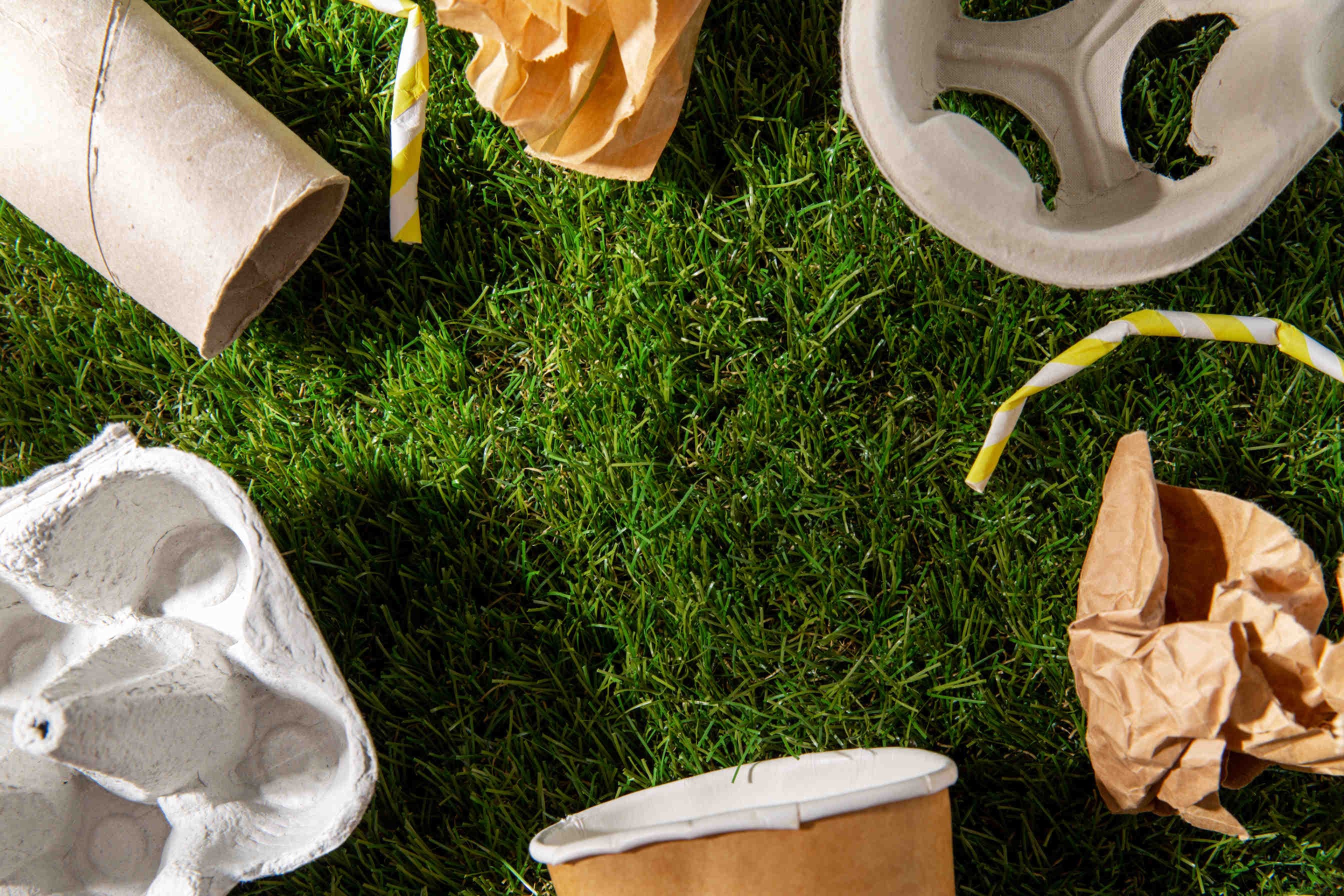
    Waste management is one of the priorities to limit the environmental impact of human activities. From January 1, 2025, EU member states are required to implement separate collection systems for clothing and textiles. This goal is essential to reduce textile waste, one of the most problematic categories due to their slow degradation and high CO2 emissions during production. However, current data reveals an uneven situation: only 11 member states have already introduced mandatory separate collection systems for textiles, while others rely on voluntary initiatives, often limited and insufficient. Countries like Germany and France are an example, as they have implemented comprehensive programs involving partnerships between local administrations, private companies, and non-profit organizations.

    rifiuti ambiente

    Recycle at least 55% of urban waste

    One of the most challenging goals for the EU is to recycle at least 55% of municipal waste by 2025. This is a key step towards a circular economy that aims to reduce waste and reuse valuable resources. Currently, progress is highly uneven among the various member states. According to a 2023 report by the European Commission, only countries like Germany, Austria, Slovenia, and the Netherlands have already reached the target, thanks to advanced waste management systems and active citizen participation. In Italy, the recycling rate is close to 55%, but significant differences remain between regions: those in the North have better infrastructure than those in the South, where separate collection is struggling to take off. Countries like Romania and Bulgaria, on the other hand, are still far from the goal.

    rifiuti urbani
    XNatura

    Reducing single-use plastic

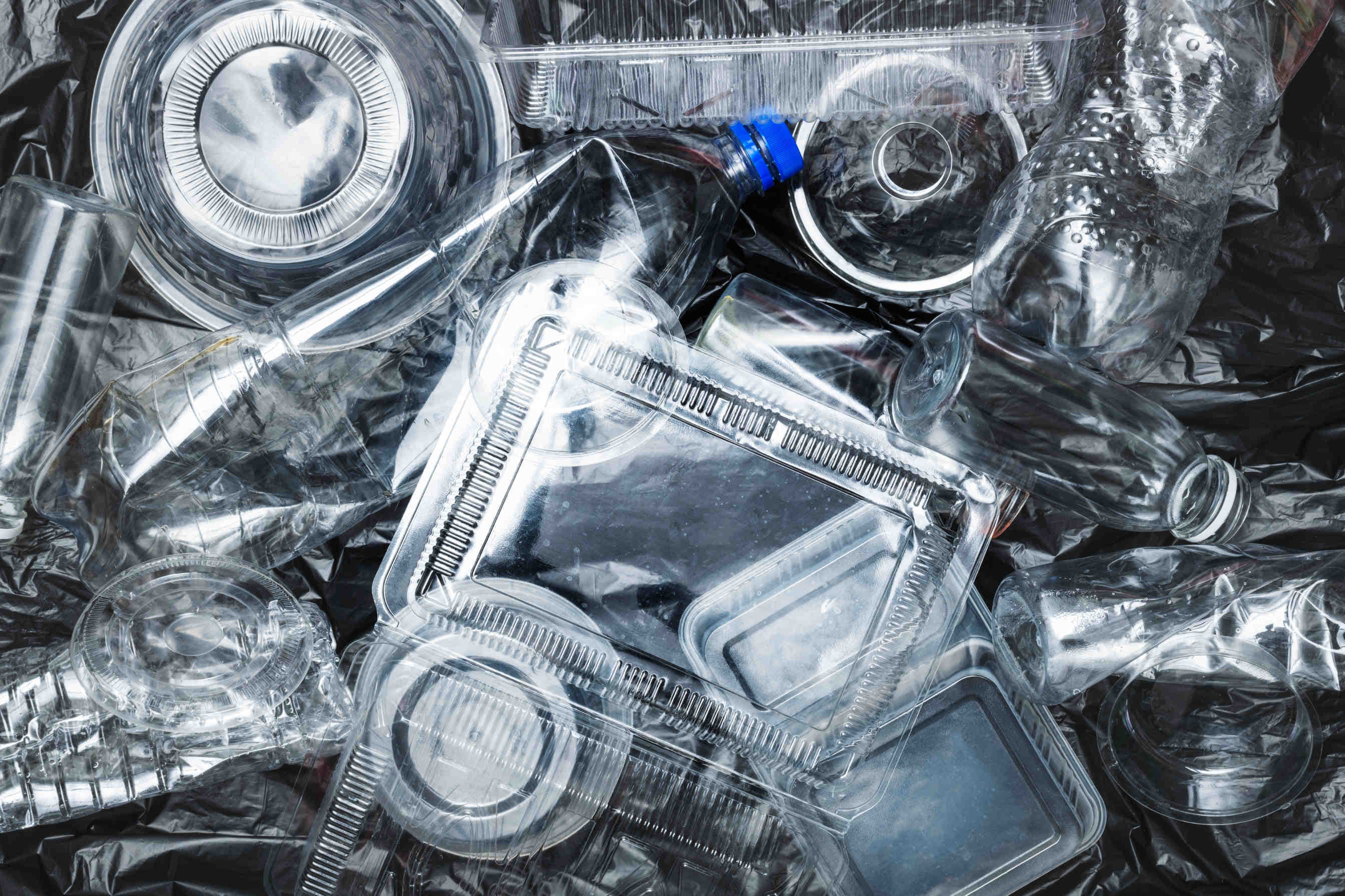
    Plastic pollution represents one of the main global environmental emergencies. To address this issue, the EU has set the goal of collecting 77% of single-use plastic bottles by 2025, with the ambition of reaching 90% by 2029. This target is part of a broader strategy that aims not only to reduce plastic pollution in the environment but also to promote the use of recycled materials in the production of new bottles. Countries like Norway and Sweden are virtuous examples, thanks to deposit refund systems that encourage citizens to return used bottles in exchange for financial reimbursement. Other countries, including Italy and Spain, are adopting similar measures, but large-scale implementation is still ongoing and faces significant obstacles, such as resistance from some industrial sectors and a lack of a widespread network of collection points.

    Ridurre la plastica monouso

    Maintaining current levels of carbon sinks

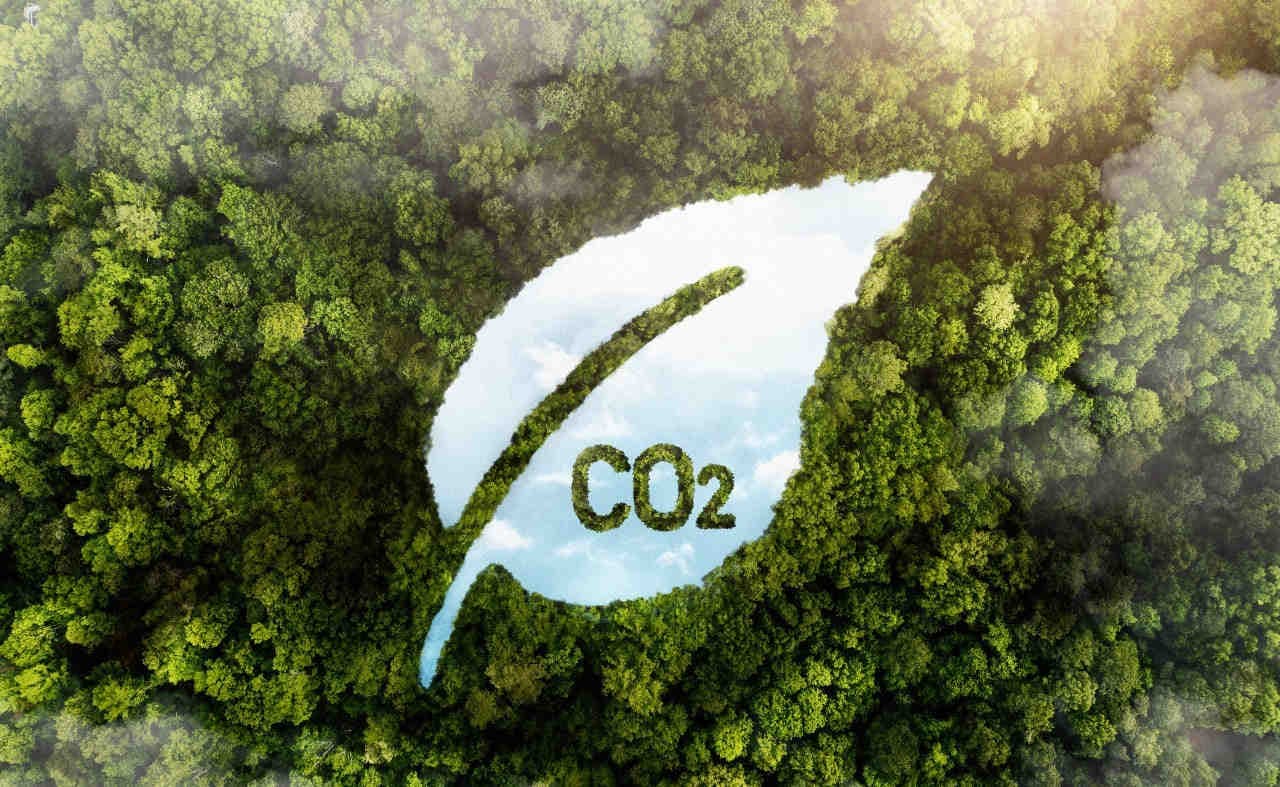
    Natural carbon sinks, such as forests, soils, and oceans, play a fundamental role in combating climate change by absorbing large amounts of CO2 from the atmosphere. However, the ability of these ecosystems to function as the planet's "green lungs" is increasingly compromised by phenomena such as deforestation, urbanization, and soil degradation. Maintaining current levels of carbon sinks is a priority goal for the EU, but it requires coordinated actions among all member states. Agricultural policies need to be reformed to incentivize sustainable practices, such as regenerative grazing and reforestation, which help preserve soil and increase its capacity to store carbon. For more insight into the importance of carbon sinks and the current crises related to their ability to absorb CO2, you can read this article.

    serbatoi di carbonio
    XNatura

    Cars: generate 15% less CO2 compared to 2021

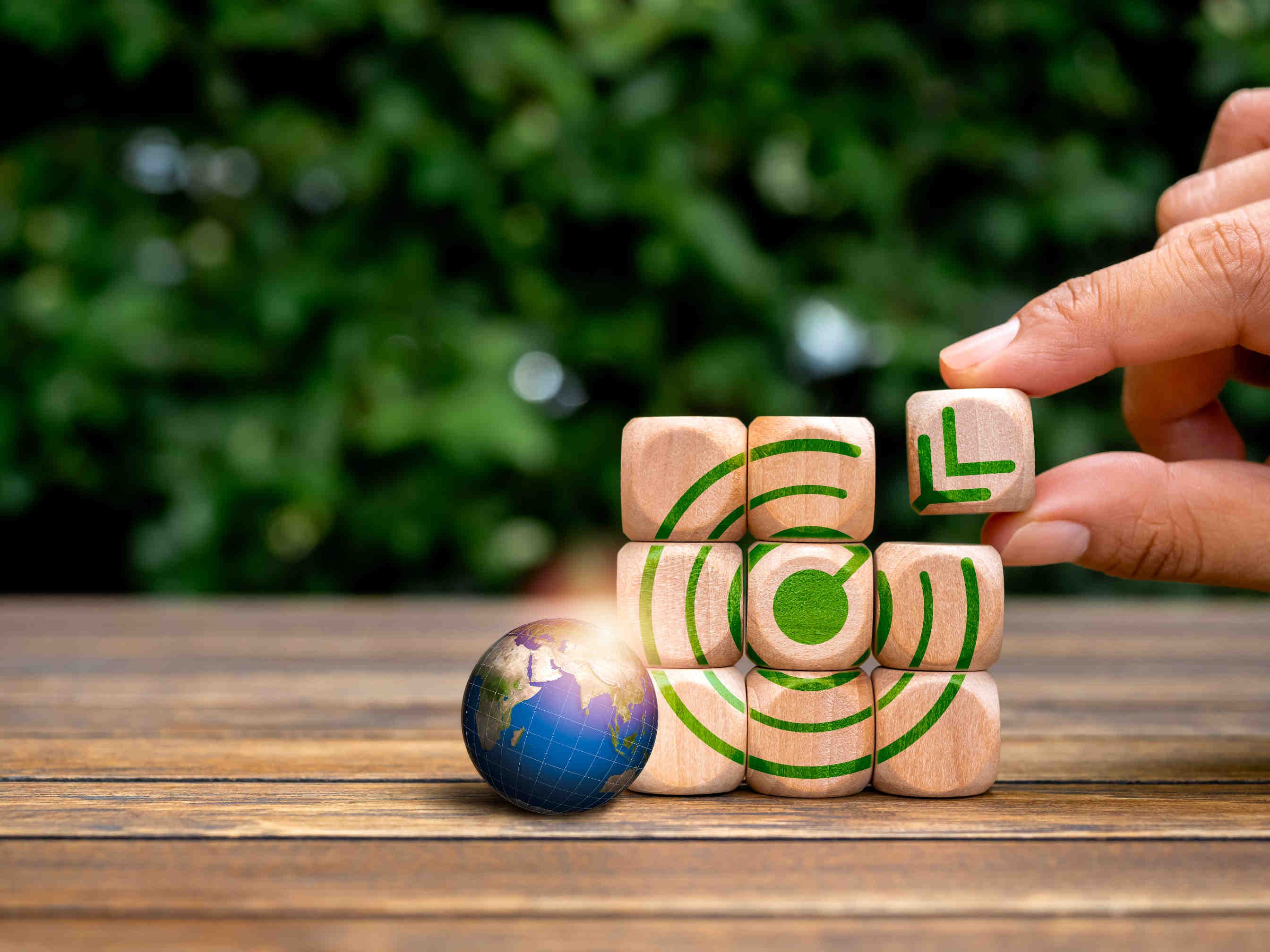
    The transport sector is one of the main sources of greenhouse gas emissions in Europe. To reduce the environmental impact, the EU has established that by 2025 cars must emit 15% less CO2 compared to 2021 levels. This goal is closely linked to the spread of electric and hybrid vehicles, as well as the development of charging infrastructure. Despite the growing interest in electric vehicles, many countries are struggling to reach the goal. In Italy, for example, the transition is hampered by the high costs of electric cars and the lack of charging stations, especially in rural areas. Countries like Germany and Norway, on the other hand, have made significant progress thanks to tax incentives, subsidies for the purchase of low-emission vehicles, and a well-developed charging network.
    Automobili: generare il 15% in meno di CO2 rispetto al 2021
    3Bee

    The expansion of 3Bee in international markets

    This article was created within the project "Biodiversity services EU expansion" (CUP: E43D22000480009) under the call of Regione Lombardia "PR FESR 2021-2027 – LINEA INTERNAZIONALIZZAZIONE 21-27", aimed at supporting the internationalization of Italian companies. 3Bee is the naturetech company that develops innovative technologies for monitoring, protecting, and regenerating biodiversity, supporting companies in defining customized climate strategies based on the analysis of their impacts and dependencies on nature. With a consolidated portfolio in Italy, Germany, and France and noteworthy partnerships, 3Bee continues its expansion in international markets to create a tangible impact through technology

    04/02/2025Of 3Bee, Angelina Tortora
    279 Views
    Newsletter
    newsletter
    Subscribe to the Blog about bees and biodiversity

    Frequently Asked Questions

    Do you have any doubts or other curiosities about this article? Here you will find some insights