European Banks and Climate Risk: The Impact on Credit Losses
    BanksLossesRisksFinance

    European Banks and Climate Risk: The Impact on Credit Losses

    Climate change is becoming an increasingly real threat for European banks, which see the risk of credit losses rising significantly in the coming decades. This jeopardizes their profitability, presenting new challenges in credit risk management.

    Read the article
    06/02/2025Of 3Bee, Angelina Tortora
    97 Views
    06/02/2025Of 3Bee, Angelina Tortora
    97 Views

    The impact of climate change on banks

    Disclaimer: this is an automated translation from Italian. Go to the original article.

    European banks face both physical and transition risks. On one hand, extreme weather events – such as floods, fires, and droughts – can undermine asset values and borrowers' ability to repay loans. On the other hand, compliance with stricter environmental regulations and the shift towards a sustainable economy introduce additional challenges that negatively affect credit portfolios. According to the analysis by the Network of Central Banks and Supervisors for Greening the Financial System (NGFS), credit losses could triple in the coming decades, endangering the financial stability of institutions. This situation is particularly critical for banks with assets over 500 billion euros, which risk seeing the returns of their portfolios wiped out in the long term.
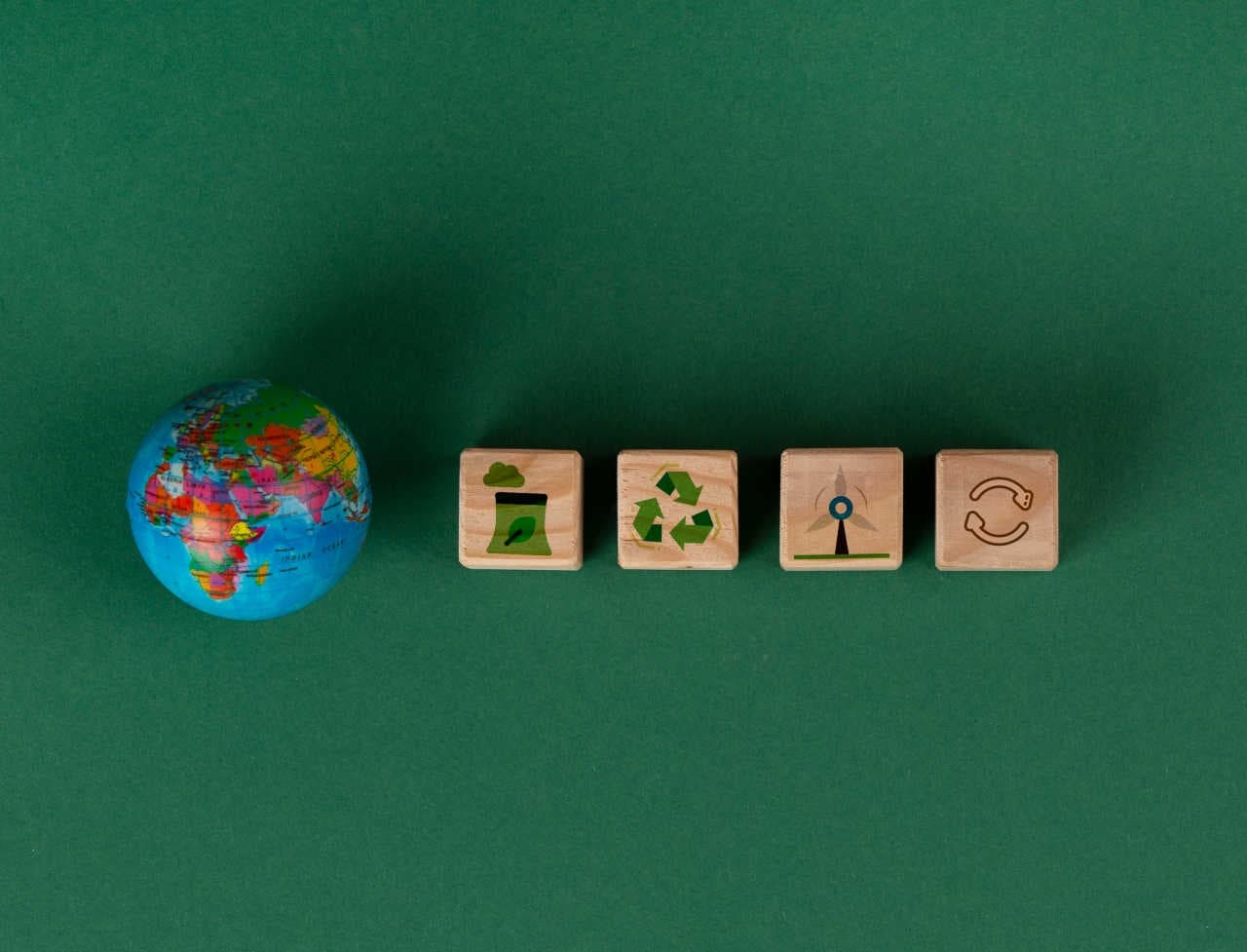
    L'impatto del cambiamento climatico sulle banche

    The analysis of credit losses

    The analysis involved 73 banks in the European Economic Area and is based on the climate scenarios developed by the Network of Central Banks and Supervisors for Greening the Financial System (NGFS). Banks with assets exceeding 500 billion euros are particularly exposed, with credit portfolio returns potentially being wiped out in the long term. The most critical scenarios, called "disorderly" and "hot-house", indicate a surge in credit losses, especially for the most vulnerable banks in Southern and Eastern Europe. Even the European Central Bank (ECB) in 2024 had expressed concern about the slowness with which financial institutions were not meeting the disclosure and management expectations of climate risks.

    L’analisi delle perdite creditizie
    XNatura

    Banks and climate change: who is at greater risk?

    Not all banks are equally vulnerable to the impacts of climate change. Losses will not hit uniformly: the most sensitive sectors will be unsecured consumer credit and small and medium-sized enterprises, while secured loans and those to governments will suffer less impact. Banks located in hotter regions, such as Southern Europe, are at risk of greater losses due to the higher incidence of extreme weather events. Additionally, smaller banks, with assets below 100 billion euros, will find themselves in greater difficulties due to less diversification and higher risk concentration.

    Banche e cambiamento climatico: chi rischia di più?

    Climate finance: three scenarios for credit risk

    Scope Ratings has outlined three future scenarios regarding bank credit risk: orderly, disorderly, and hot-house. In the first scenario, climate policies are gradually implemented, mitigating losses. In the second scenario, delays and divergences between countries and sectors increase transition risk, resulting in greater financial losses. Finally, in the hot-house scenario, the absence of new climate policies reduces transition risk but increases physical risk, with increasingly frequent and damaging extreme weather events. Forecasts suggest that in the short term, losses will be contained, but in the long term, they could triple, reaching 63 basis points in the disorderly scenario and 58 in the hot-house scenario between 2045 and 2050. Climate scenarios and forecasts on financial risks are crucial for banks facing climate change.

    Finanza climatica: tre scenari per il rischio del credito
    XNatura

    How banks can manage climate risk

    In the face of climate risks, banks must adopt mitigation strategies to protect themselves from future losses. Climate risk management involves increased awareness, the use of advanced mapping and risk measurement tools, and the implementation of more rigorous regulations. Banks that manage to adapt to new challenges will determine their sustainability in the long term, reducing the impact of climate change on global financial stability. A targeted financial strategy is necessary to address the risks associated with climate change and ensure the resilience of the banking system in the future.
    Come le banche possono gestire il rischio climatico
    3Bee

    3Bee's expansion in international markets

    This article was created as part of the project "Biodiversity services EU expansion" (CUP: E43D22000480009) under the "PR FESR 2021-2027 – LINEA INTERNAZIONALIZZAZIONE 21-27" call by Regione Lombardia, aimed at supporting the internationalization of Italian companies. 3Bee is the naturetech company that develops innovative technologies for the monitoring, protection, and regeneration of biodiversity, supporting companies in defining personalized climate strategies based on the analysis of their impacts and dependencies on nature. With a consolidated portfolio in Italy, Germany, and France and significant partnerships, 3Bee continues its expansion in international markets to create a tangible impact through technology.

    06/02/2025Of 3Bee, Angelina Tortora
    97 Views
    Newsletter
    newsletter
    Subscribe to the Blog about bees and biodiversity

    Frequently Asked Questions

    Do you have any doubts or other curiosities about this article? Here you will find some insights