Edelweiss: how biodiversity creates value for companies
    EdelweissResilienceIndicatorProtection

    Edelweiss: how biodiversity creates value for companies

    The trend "edelweiss meaning" has brought attention back to this protected alpine flower. Beyond its cultural symbolism, the edelweiss represents a concrete example of how biodiversity conservation generates tangible value for corporate sustainability strategies.

    Read the article
    09/10/2025Of 3Bee, 3Bee
    110 Views
    09/10/2025Of 3Bee, 3Bee
    110 Views

    The Origin of the Name and Its Deep Meaning

    Disclaimer: this is an automated translation from Italian. Go to the original article.

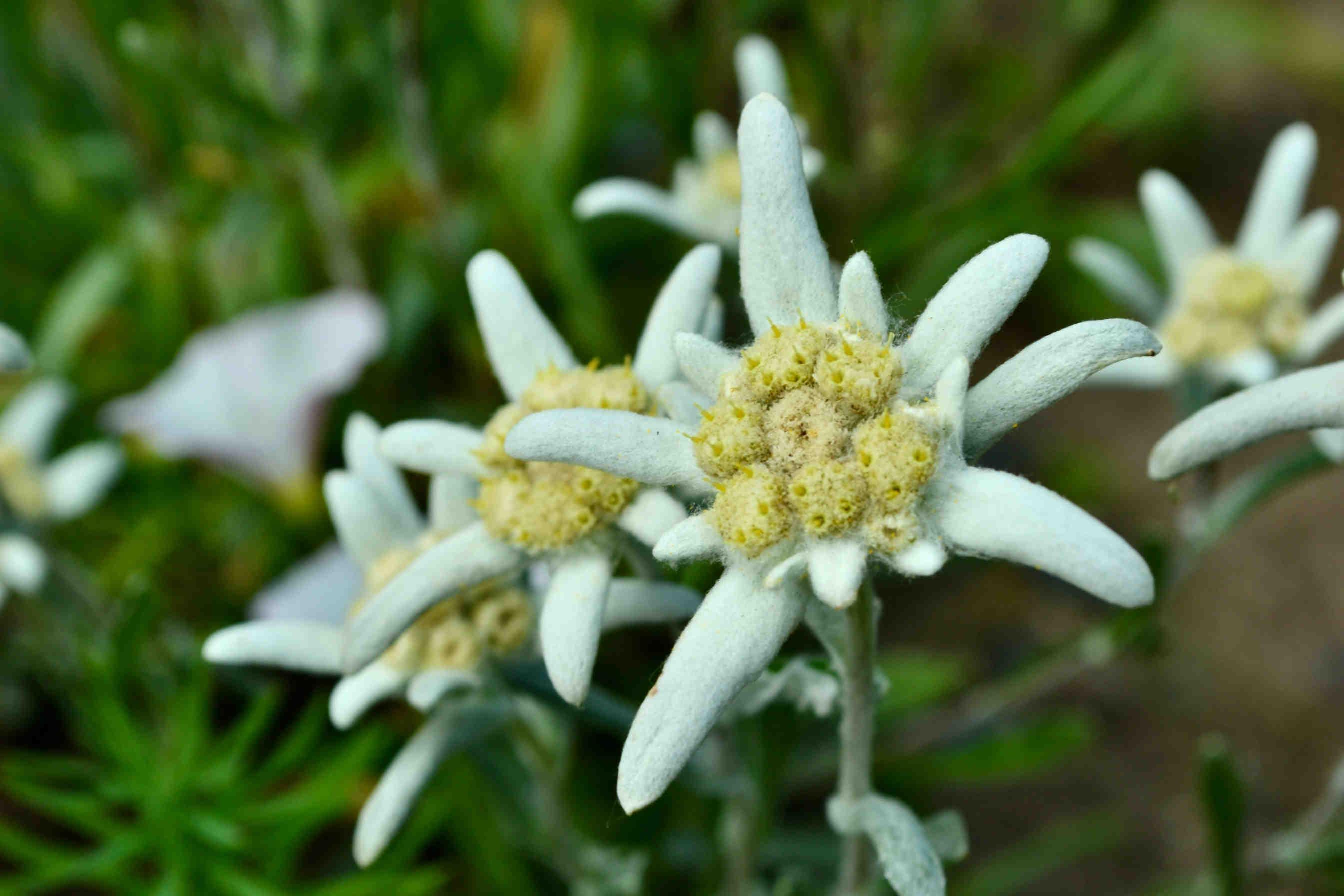
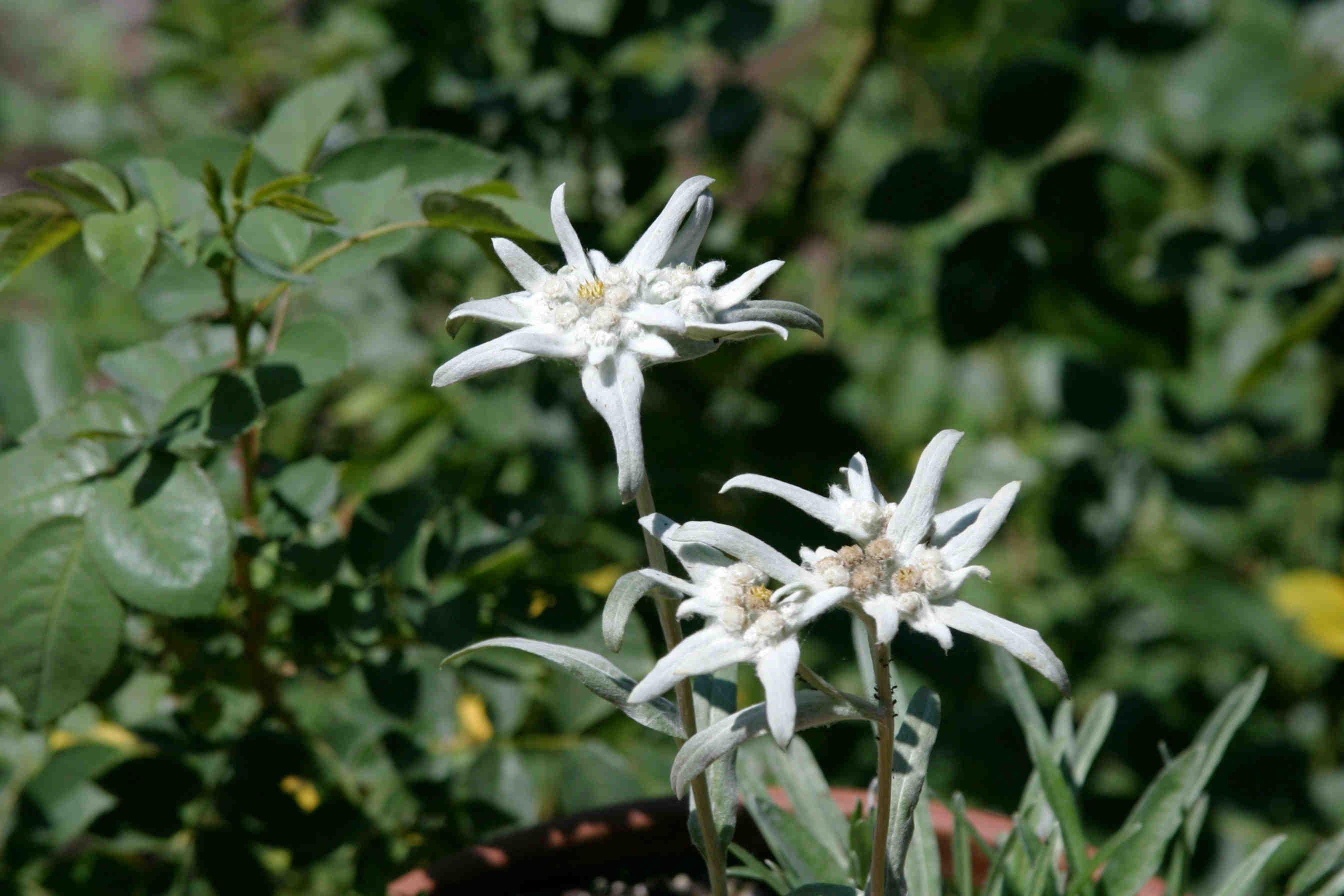
    The name edelweiss derives from the German "edel" (noble) and "weiss" (white), translatable as "noble white". This designation reflects both the purity of its appearance and the difficulty in reaching it, as it grows between 1500 and 3200 metres in altitude. The scientific name Leontopodium alpinum means "lion's foot", referring to the characteristic shape of its velvety leaves. What appears to be a single flower is actually a complex structure: the true flowers are tiny yellow-green heads in the centre, surrounded by woolly white leaves arranged in a star shape. The hair covering the plant not only serves for the cold but also protects it from UV rays and prevents water loss, a perfect example of evolutionary adaptation.

    3bee-blog-origine-del-nome-e-il-significato-profondo

    Resilience and Adaptation as a Model for Businesses

    The edelweiss (in German, edelweiss) has traversed history as a symbol of values that are now central to sustainable companies. During the First World War, it represented the courage of alpine soldiers, while in the post-war period it became an emblem of rebirth and resilience. Protected since 1886, it was among the first examples of preventive conservation, anticipating modern ESG principles by over a century. Its ability to thrive in extreme conditions - sub-zero temperatures, intense UV rays, poor soils - offers a model of adaptation that companies can draw inspiration from. The most effective corporate sustainability programmes, in fact, are inspired by these natural principles: diversification of strategies, efficient use of resources, creation of value even in challenging contexts. This biomimetic approach is driving the most innovative ESG initiatives.

    3bee-blog-resilienza-e-adattamento-come-modello-per-le-imprese
    XNatura

    An indicator of the health of mountain biodiversity

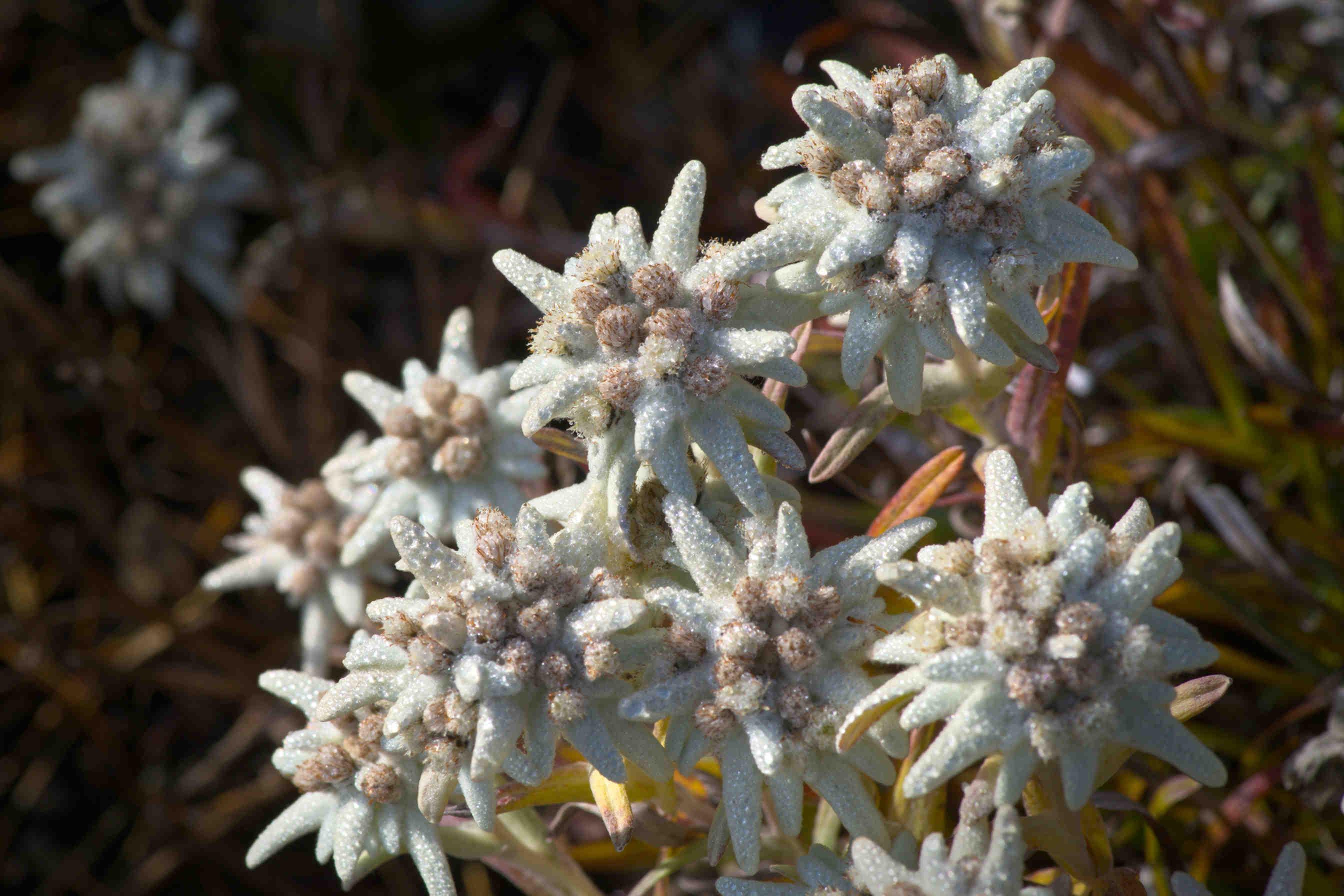
    According to recent scientific studies published in peer-reviewed journals, the edelweiss is an important ecological indicator of Alpine biodiversity. The Alps are home to over 4,500 species of vascular plants, 8% of which are endemic, representing 39% of the total European flora. The edelweiss primarily grows on calcareous and ultramafic soils, in extreme environmental conditions that have led to the development of unique adaptations. Research conducted in the Romanian Carpathians shows that the plant's method of reproduction and propagation is crucial for maintaining the genetic variability necessary to tackle climate change. Its pollination mainly occurs through dipterans (flies), with over 29 families of insects visiting the flowers, contributing to the complex Alpine ecological network.
    3bee-blog-un-indicatore-della-salute-della-biodiversita-montana

    Why protecting the edelweiss safeguards the Alps

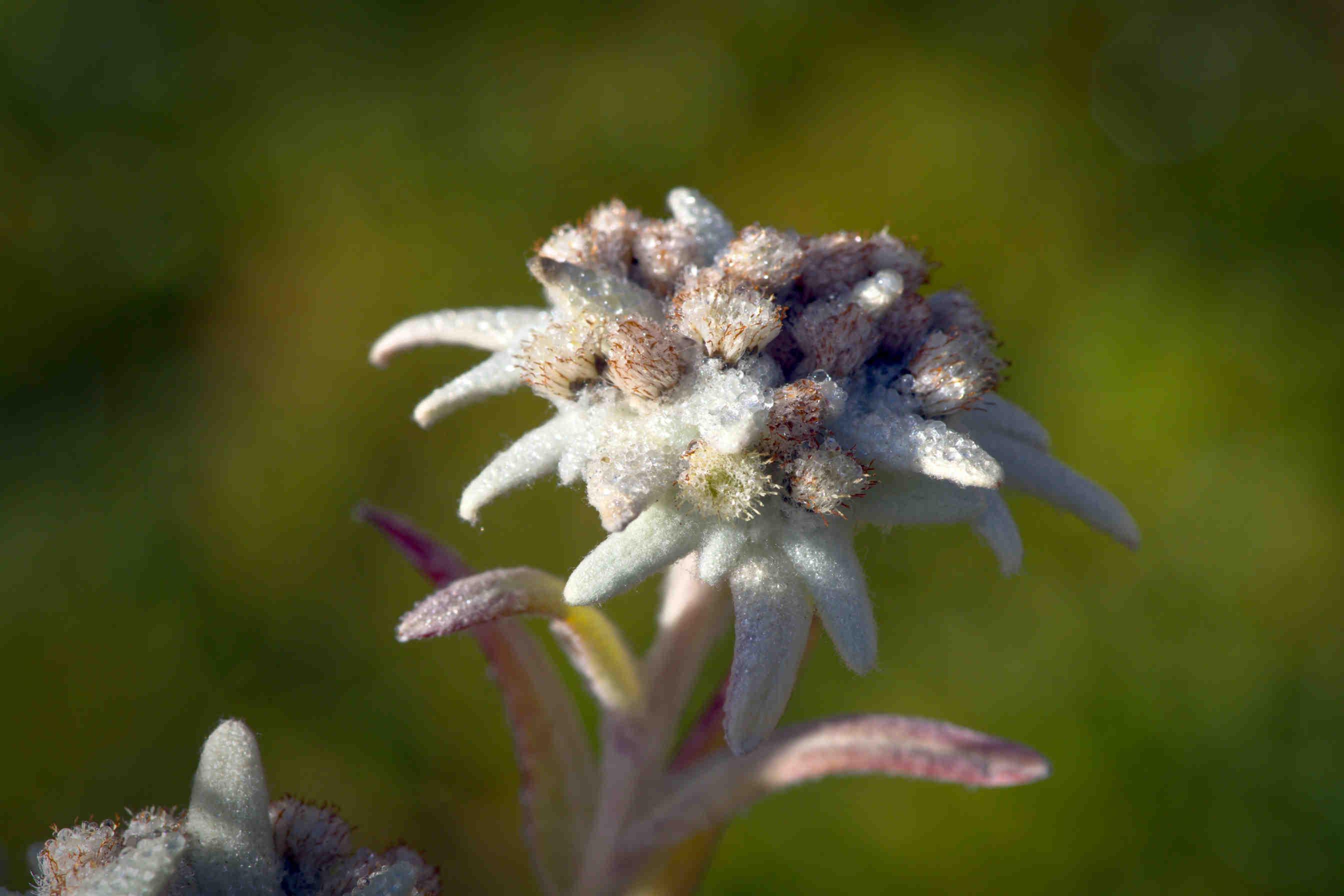
    According to the IPCC, alpine temperatures increased by 2°C in the 20th century, double the global average. Predictive models indicate that the habitat of the edelweiss could drastically reduce: the increase in the average temperature of the coldest quarter from -5.16°C to -2.37°C will push the species to higher altitudes where available space decreases. A 2023 study in PNAS reveals that IUCN Red List species in the Alps are contracting their altitudinal range faster than common species. The edelweiss faces multiple threats: habitat fragmentation, illegal collection, and competition with lower altitude species. Environmental monitoring projects like the XNatura platform allow for monitoring the state of biodiversity in specific areas thanks to satellite and field technology, essential for the sustainability balance of companies committed to environmental protection.
    3bee-blog-perche-proteggere-la-stella-alpina-tutela-le-alpi
    XNatura

    Environmental partnership for biodiversity

    Companies can play a crucial role in biodiversity protection through targeted environmental partnerships. Investing in CSR projects for companies that support habitat conservation creates shared value. Sustainable team building programmes raise awareness among employees about the importance of biodiversity, as do sustainable corporate gift initiatives. The 3Bee Biodiversity Oases, although not home to edelweiss, represent a concrete model of active conservation that companies can replicate. Through sustainability reporting, businesses can account for the positive impact of their environmental protection actions, turning their commitment to biodiversity into a strategic asset.

    3Bee
    09/10/2025Of 3Bee, 3Bee
    110 Views
    Newsletter
    newsletter
    Subscribe to the Blog about bees and biodiversity

    Frequently Asked Questions

    Do you have any doubts or other curiosities about this article? Here you will find some insights