Duchesnea indica: ecological impacts and management of the 'mad strawberry' in Europe
    DuchesneaInvasivenessManagementThreat

    Duchesnea indica: ecological impacts and management of the 'mad strawberry' in Europe

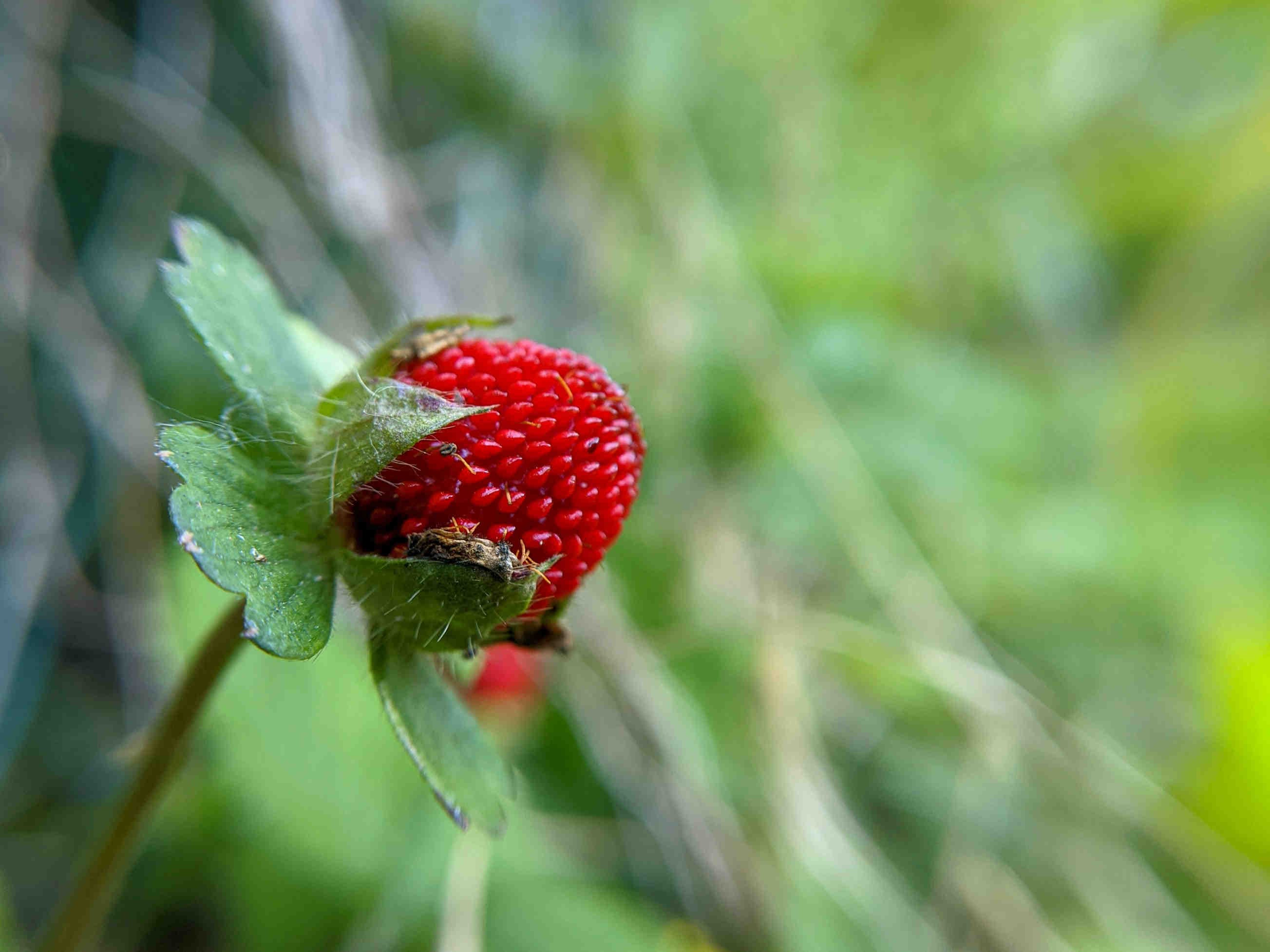
    Duchesnea indica, known as 'mad strawberry', is a herbaceous perennial plant native to Asia, introduced to Europe in the 19th century as an ornamental plant. In recent decades, it has shown significant expansion, becoming an invasive species in several European regions.

    Read the article
    27/06/2025Of 3Bee, 3Bee
    168 Views
    27/06/2025Of 3Bee, 3Bee
    168 Views

    Botanical characteristics and distribution

    The Duchesnea indica belongs to the Rosaceae family and the genus Potentilla. It is distinguished by its trifoliate leaves, yellow flowers and red fruits that are reminiscent of strawberries, but tasteless. Native to East Asia, it was introduced to Europe as an ornamental plant and rapidly naturalised in urban environments, gardens and forests. Its ability to propagate via stolons and its tolerance of different environmental conditions have enabled it to establish itself in a wide range of habitats.
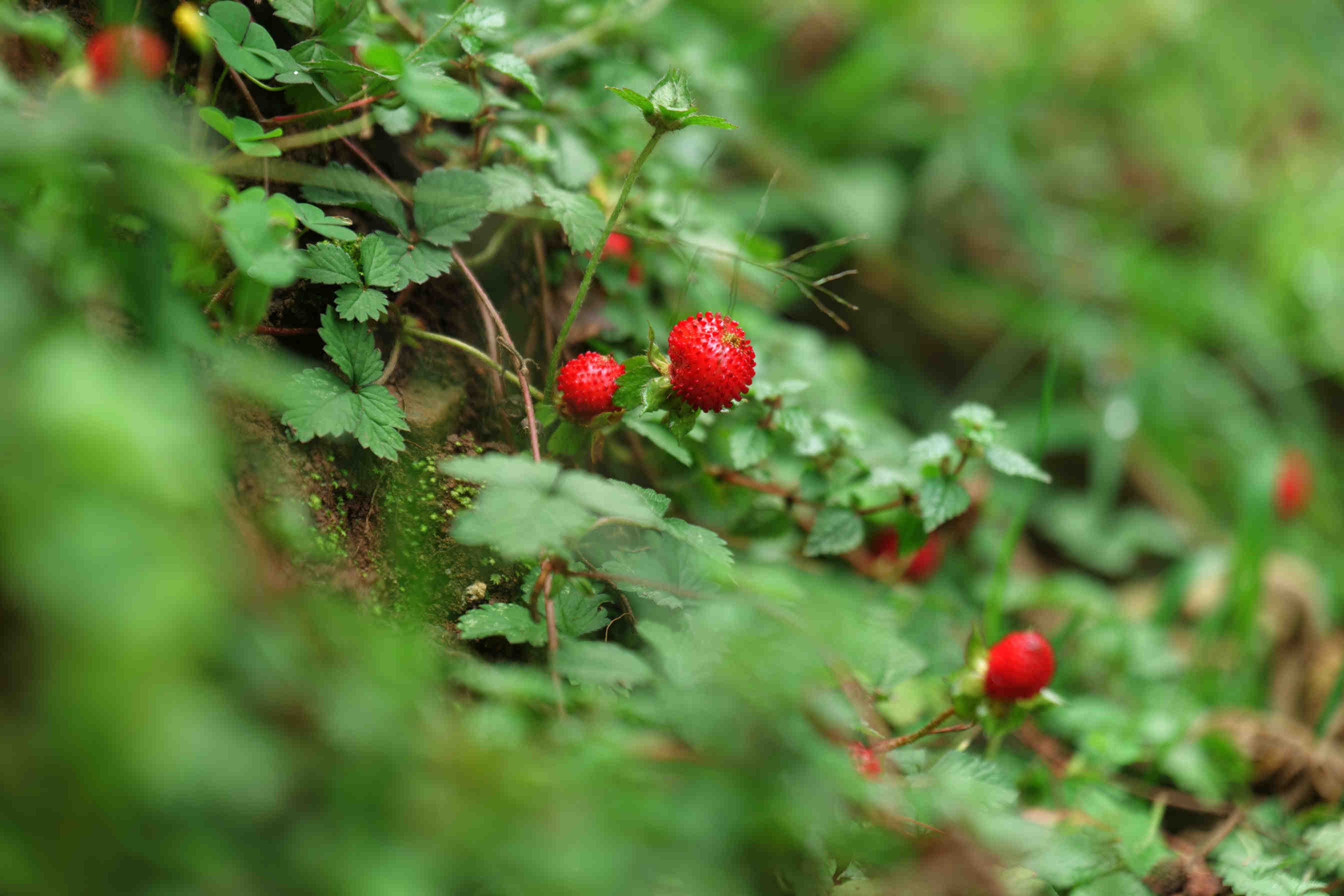
    Caratteristiche botaniche e distribuzione di Duchesnea indica

    Ecological impact and competition with native species

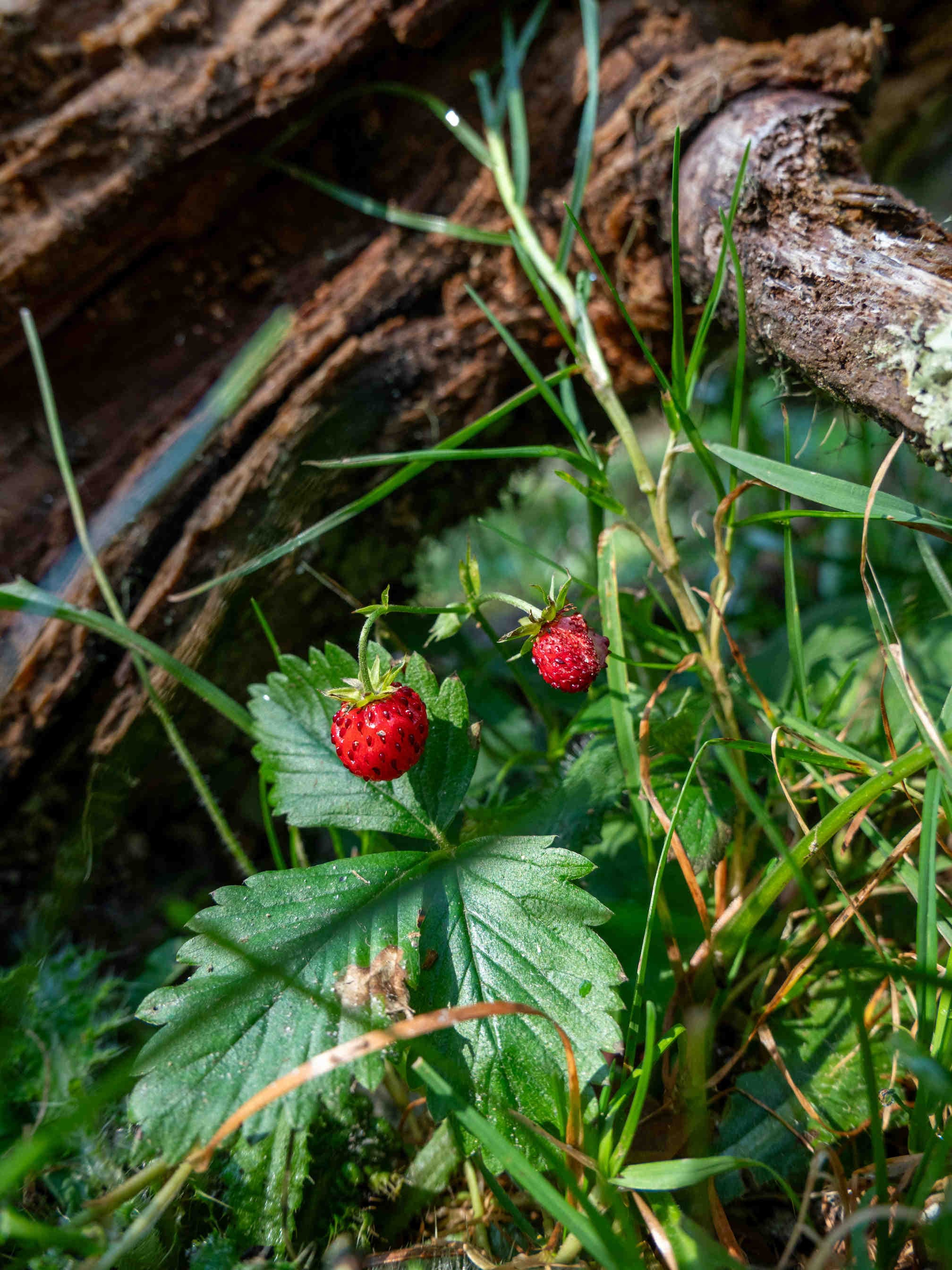
    Recent studies have highlighted the invasiveness of Duchesnea indica in Europe. An experiment conducted in Slovenia showed that this species can become dominant in plant communities, outcompeting native species in terms of biomass and stolon production. Its adaptability to different light and nutrient conditions gives it a competitive advantage, especially in disturbed environments. In addition, Duchesnea indica showed greater efficiency in nitrogen uptake than Fragaria vesca, a native species, suggesting more intense competition for resources in the soil.

    Fragaria vesca
    XNatura

    Management and monitoring strategies

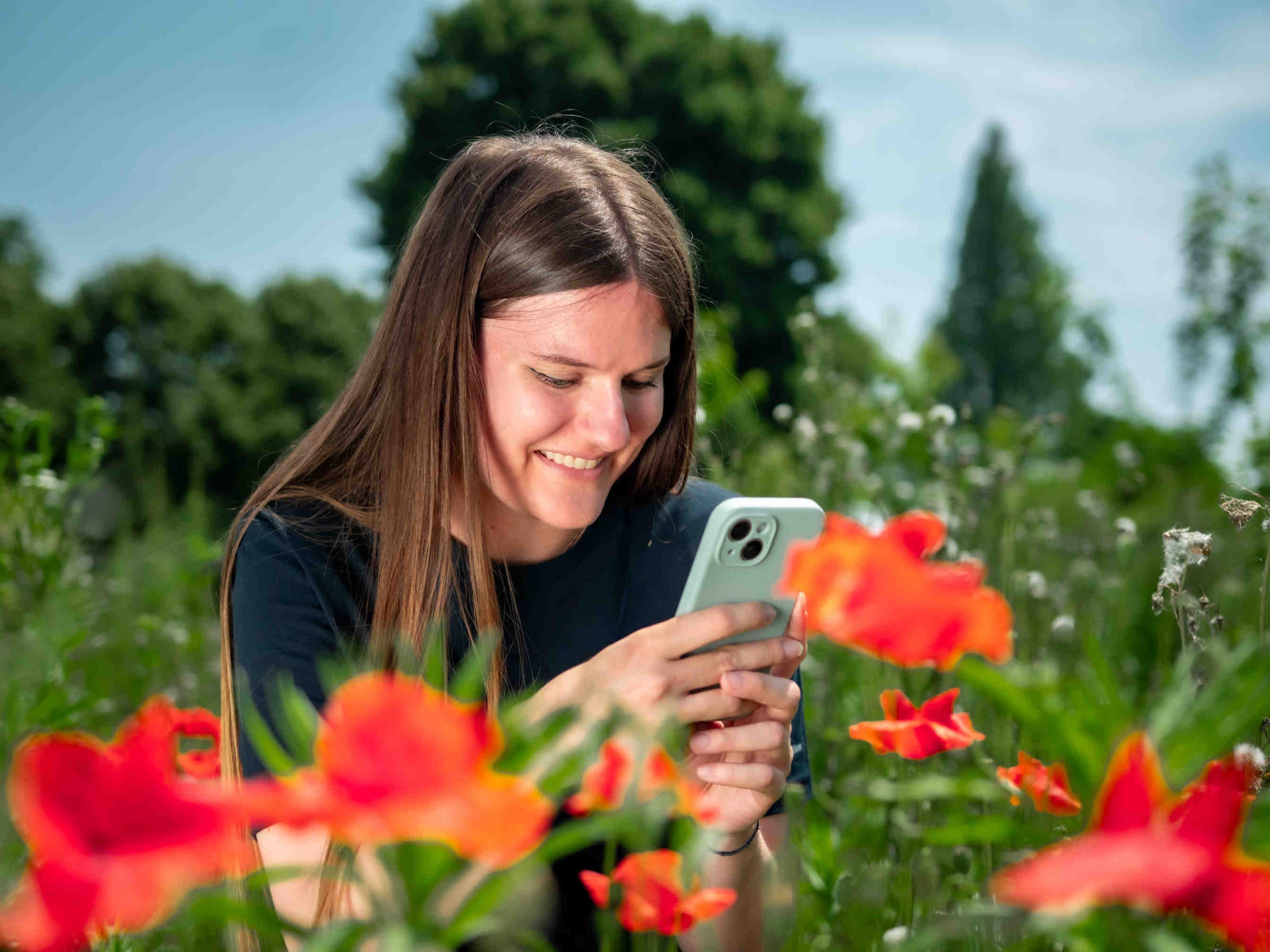
    The management of Duchesnea indica requires an integrated approach that includes the monitoring, control and prevention of its spread. Monitoring can be done through citizen science platforms such as Biodiverse, which allow citizens to report the presence of the species and contribute to the collection of data useful for scientific studies. Control strategies include manual removal, the use of mulches to suppress growth, and the management of environmental resources to reduce the competitiveness of the invasive species.

    Biodiversa, l'app gioco gratuita di 3Bee

    Conclusions

    Duchesnea indica, known as the 'crazy strawberry', represents a threat to biodiversity in Europe due to its invasive nature and competition with native species. Understanding its ecological characteristics and implementing effective management strategies are essential to mitigate its impacts on ecosystems. Community involvement through participatory monitoring can provide valuable data to inform conservation and management policies for invasive species.

    Monitoraggio partecipativo con Biodiversa
    XNatura
    27/06/2025Of 3Bee, 3Bee
    168 Views
    Newsletter
    newsletter
    Subscribe to the Blog about bees and biodiversity

    Frequently Asked Questions

    Do you have any doubts or other curiosities about this article? Here you will find some insights