Do Animals Have Personalities? The Case of Buffalo Friendships
    PersonalityAnimalsStudyHomophily

    Do Animals Have Personalities? The Case of Buffalo Friendships

    For years, it was believed that only humans chose friendships based on personality. However, a recent discovery shows that buffalo select their social companions based on behavioral traits, challenging traditional ideas about animal behavior.

    Read the article
    31/12/2024Of 3Bee, Chiara Pertile
    368 Views
    31/12/2024Of 3Bee, Chiara Pertile
    368 Views

    Animal Personalities

    Disclaimer: this is an automated translation from Italian. Go to the original article.

    Animals, just like us humans, possess behavioral traits that differentiate them from other individuals. Beginning in the 1930s, the concept of personality as applied to the animal world has sparked increasing scientific interest. Animal personality, defined as consistent behavioral differences between individuals, has been documented in a wide range of species. Initially attributed only to vertebrates, where it is now widely accepted, today various studies show personality differences even among individuals of invertebrate species. The study of animal personality has opened new horizons in the analysis of animal social behavior, highlighting how traits such as dominance, sociability, and reactivity can influence interactions between individuals and, why not, even the decis

    gioco relazioni animali

    Why Study Animal Friendships?

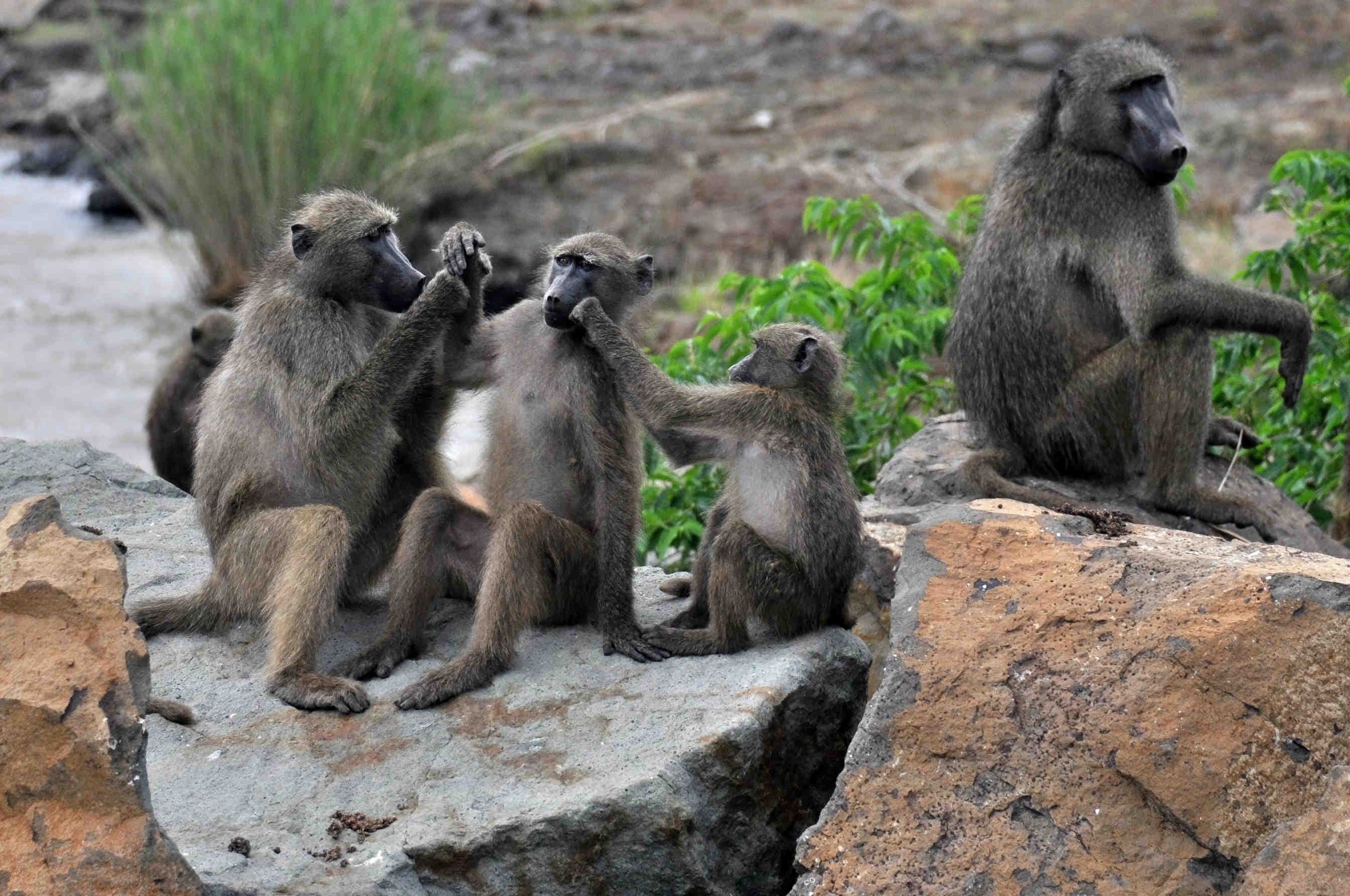
    Friendships among non-human animals represent an emerging field of study with deep evolutionary implications. Unlike kinship relationships, animal friendships are based on mutual preferences and can offer advantages such as support, cooperation, and protection from predators over the long term. But what are the mechanisms that guide such social interactions? In humans, homophily — the tendency to bond with individuals similar in characteristics such as personality, attitude, or age — is an established principle. But is this “law of friendship” applicable to animals as well? It would seem so; non-human primates, like chimpanzees, have shown that the law of homophily can explain the emergence and maintenance of friendships, yet important data are missing on other animal species.

    gatti gioco
    XNatura

    The Study on Water Buffalo

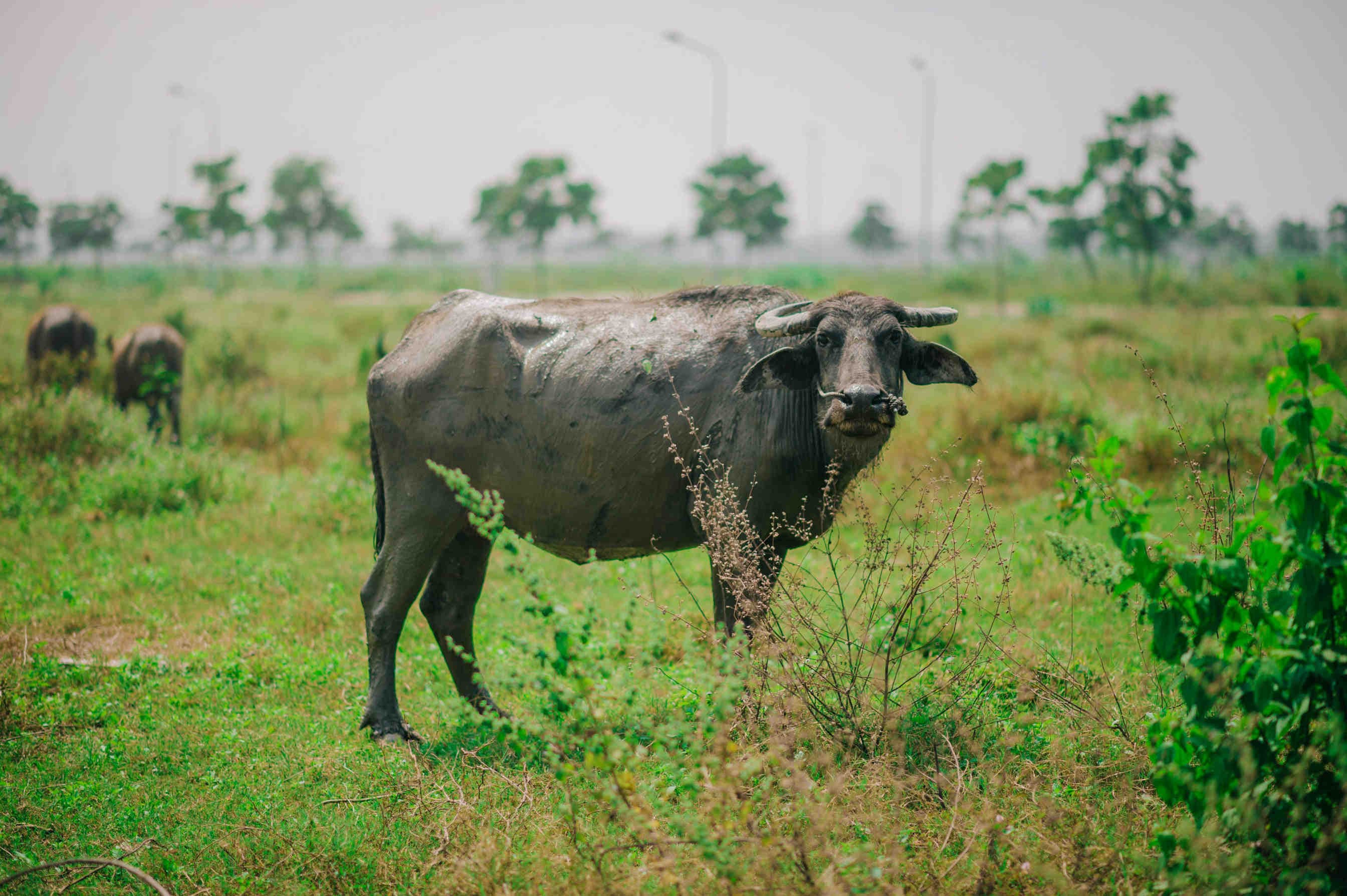
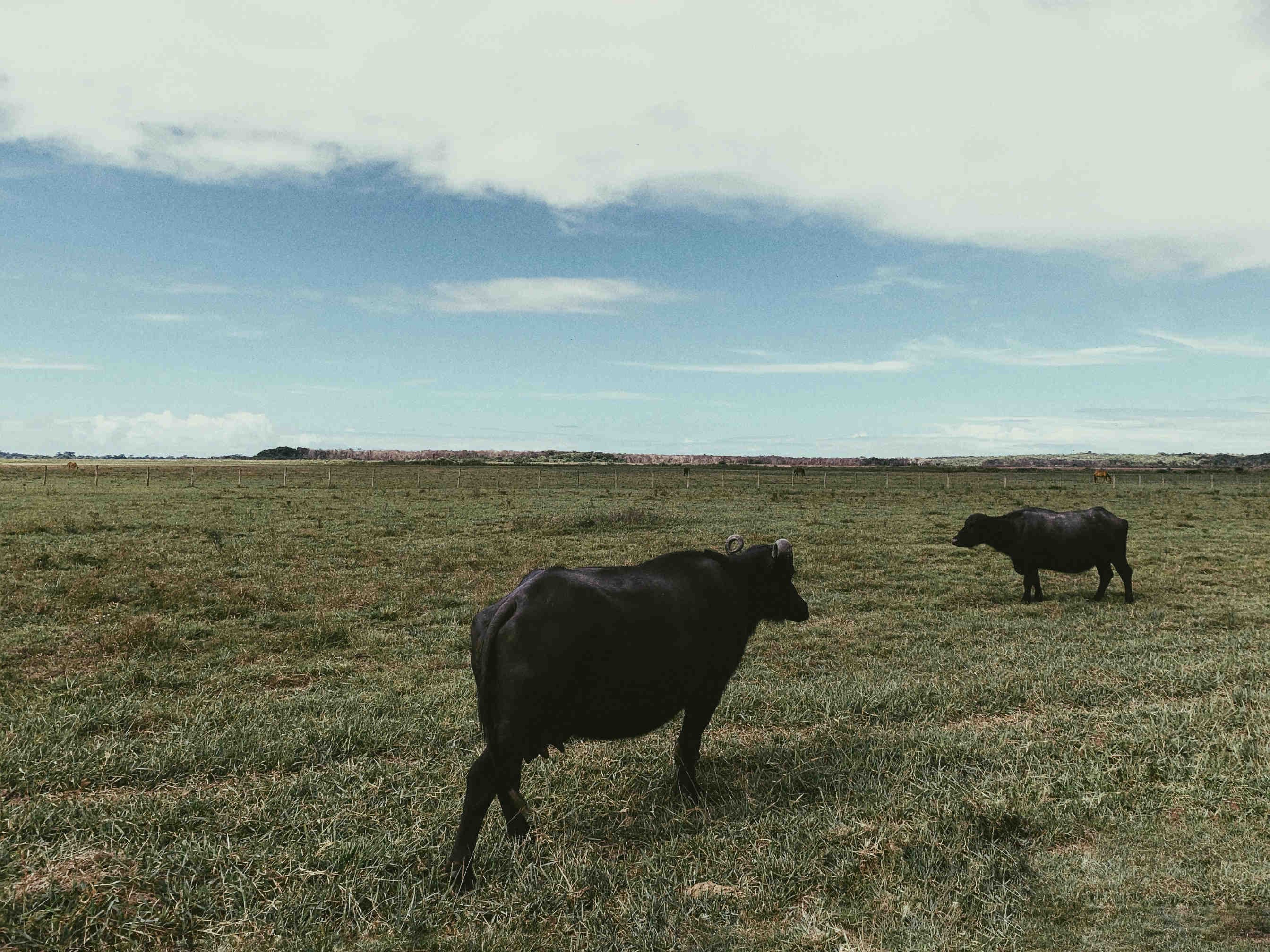
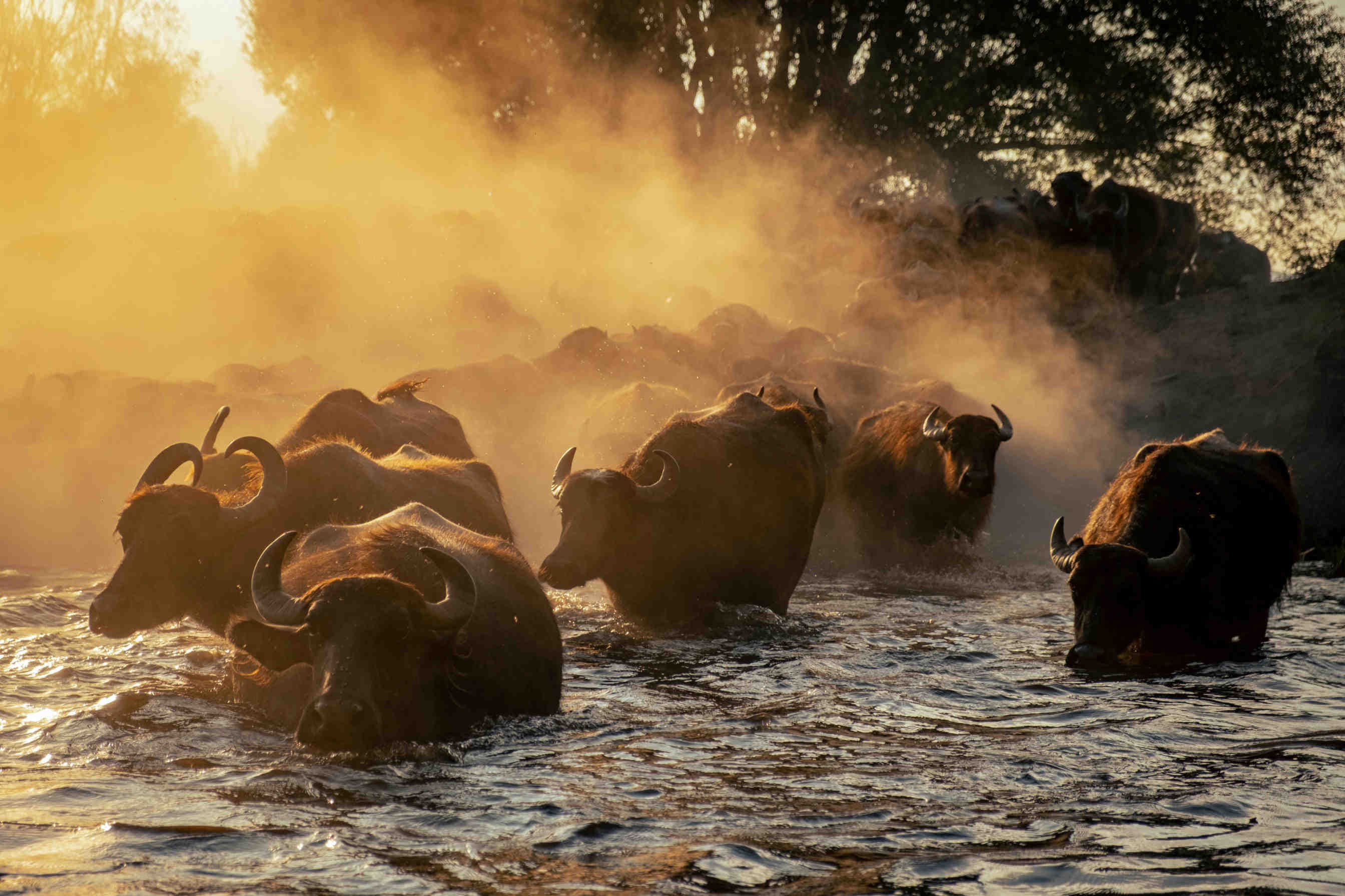
    A recent study published in iScience, however, suggests that other species, such as water buffalo (Bubalus bubalis), also choose their friendships based on common traits. The study, conducted by the University of Hong Kong, specifically examined friendships among female water buffalo in a semi-wild population on Lantau Island. Using detailed behavioral observations particularly focused on the female buffalo, and considering physical proximity and body contact as indicators and parameters to calculate the level of friendship, the researchers revealed a surprising result: buffalo with similar personalities showed stronger social associations.

    bufalo d'acqua

    Homophilies Among Buffalo

    According to the study, buffalo with similar personalities tend to spend more time together, exhibiting greater spatial proximity during activities such as foraging, collective movement, and resting. This suggests that, as in humans, personality homophily in buffalo may be a key behavioral rule for friendship formation. According to the researchers, this discovery not only represents a major step in the study of animal social dynamics. Dr. Debottam Bhattacharjee, the research's author, states that studying “personality and social relationships might be important to understand how buffalo utilize their habitats during different seasons” and hence comprehend how they respond to changing food availability.

    bufalo acqua
    XNatura

    Personality, Animal Welfare, and Conservation

    The implications of this study go beyond mere academic interest. It has been shown that strong social bonds are correlated with better health conditions, greater well-being, and higher chances of survival in animals. This paves the way for a new research area on animal consciousness, focusing on the influence that social relationships — including stable and enduring friendships — can have on the quality of life of species. Furthermore, understanding these dynamics is essential for developing sustainable management strategies for social animals. As noted by Professor Kate Flay, deepening the study of friendships among gregarious animals could not only enhance individual welfare but also contribute to population balance, increasing the effectiveness of conservation initiatives. These findings provide valuable tools for more mindful and sustainable ecosystem management.

    bufali
    3Bee
    31/12/2024Of 3Bee, Chiara Pertile
    368 Views
    Newsletter
    newsletter
    Subscribe to the Blog about bees and biodiversity

    Frequently Asked Questions

    Do you have any doubts or other curiosities about this article? Here you will find some insights