Disposable Bees: The Truth Behind Almond Milk
    TruthInchiestaCommitment

    Disposable Bees: The Truth Behind Almond Milk

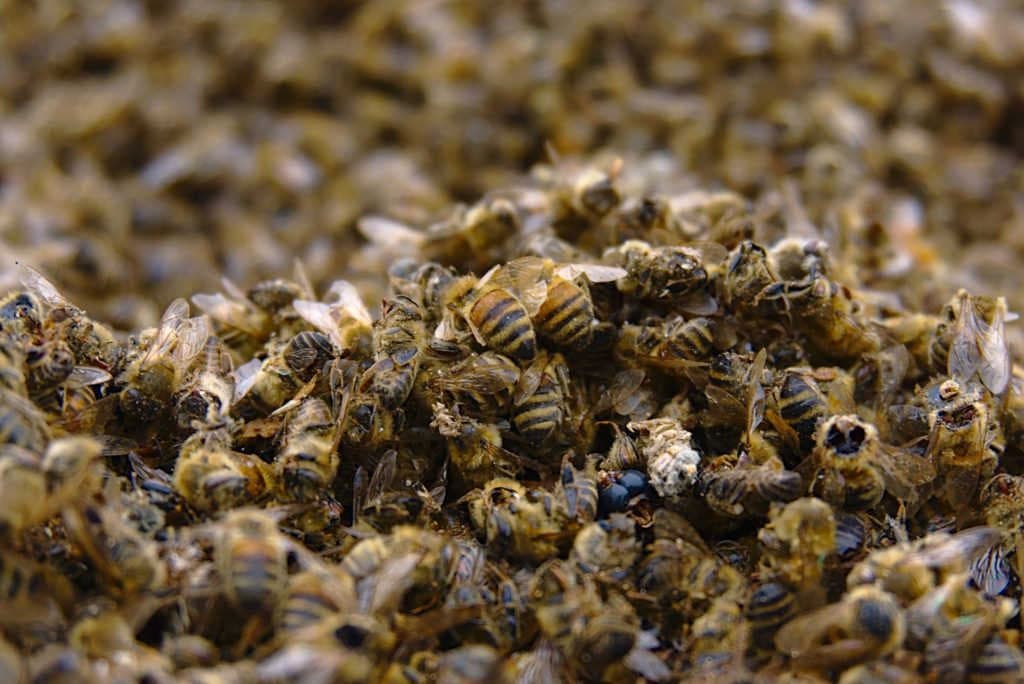
    The alarm comes from the United States and specifically from California, where intensive almond cultivation has killed more than 50 billion bees in a single year, a third of the entire population of commercially bred bees.

    Read the article
    03/06/2022Of 3Bee, Elena Fraccaro
    7567 Views
    03/06/2022Of 3Bee, Elena Fraccaro
    7567 Views

    The Truth Behind the Almond Milk Business!

    The alarm comes from the United States, and specifically from California, where intensive almond cultivation has killed more than 50 billion bees in a single year, a third of the entire population of commercially bred bees. According to 'The Cut', the consumption of almond milk in the United States has increased by 250% in the last five years, generating $1.2 billion a year. The reasons for this sudden growth are: Very low calorie index of the beverage Presence of fibre, magnesium, zinc, iron, calcium, phosphorus, potassium and vitamin E, making it a nutritious and easy-to-digest food. The drink keeps for quite a long time and has no contraindications. The cost of this productive and commercial growth? A devastating environmental impact, especially for our bee friends, guardians of biodiversity and ecosystems on the planet.

    ....

    The consequence of this increase is the growth in the number of beekeepers who, attracted by the profits, rent their hives to the owners of almond plantations in California's fertile Central Valley, home to 80% of the world's almond supply. The Guardian's investigation reveals how bee mortality is mainly due to the massive and irresponsible use of pesticides in industrial almond plantations, necessary for the large-scale marketing of the product. In particular, the widespread use of 'roundup', a glysophate-based pesticide that could also be carcinogenic to humans, weakens the bees' bacterial defences, debilitating them to the point of death. The investigation also underlines how, in addition to this deadly enemy, there is an extra stress for the precious insects because they have to give up one or two months of their winter rest period in order to pollinate the almonds.

    XNatura

    .....

    An immense effort that weakens them and exposes them to a greater risk of diseases and epidemics such as Varroa Destructor that spread more easily due to the massive number of colonies concentrated in limited geographical areas. While reducing the consumption of products from industrial and intensive livestock farms is good for the environment, biodiversity, animals and health, falling back on industrial, albeit plant-based, products certainly does not solve the situation. According to American producers, the phenomenon should be curbed with the use of lower pesticide use programmes and higher biodiversity environments.

    03/06/2022Of 3Bee, Elena Fraccaro
    7567 Views
    Newsletter
    newsletter
    Subscribe to the Blog about bees and biodiversity
