Deforestation in Colombia: Current Situation and Future Prospects
    DeforestationPolitical roleChallengesClima

    Deforestation in Colombia: Current Situation and Future Prospects

    Colombia reduced deforestation by 36% in 2023 due to government policies and peace agreements. Despite the progress, illegal activities, climate change, and intensive farming continue to threaten forests. With COP16 approaching, Colombia seeks further international support.

    Read the article
    22/10/2024Of 3Bee, Alessia Mircoli
    360 Views
    22/10/2024Of 3Bee, Alessia Mircoli
    360 Views

    Deforestation in Colombia in 2023: A Remarkable Achievement

    Disclaimer: this is an automated translation from Italian. Go to the original article.

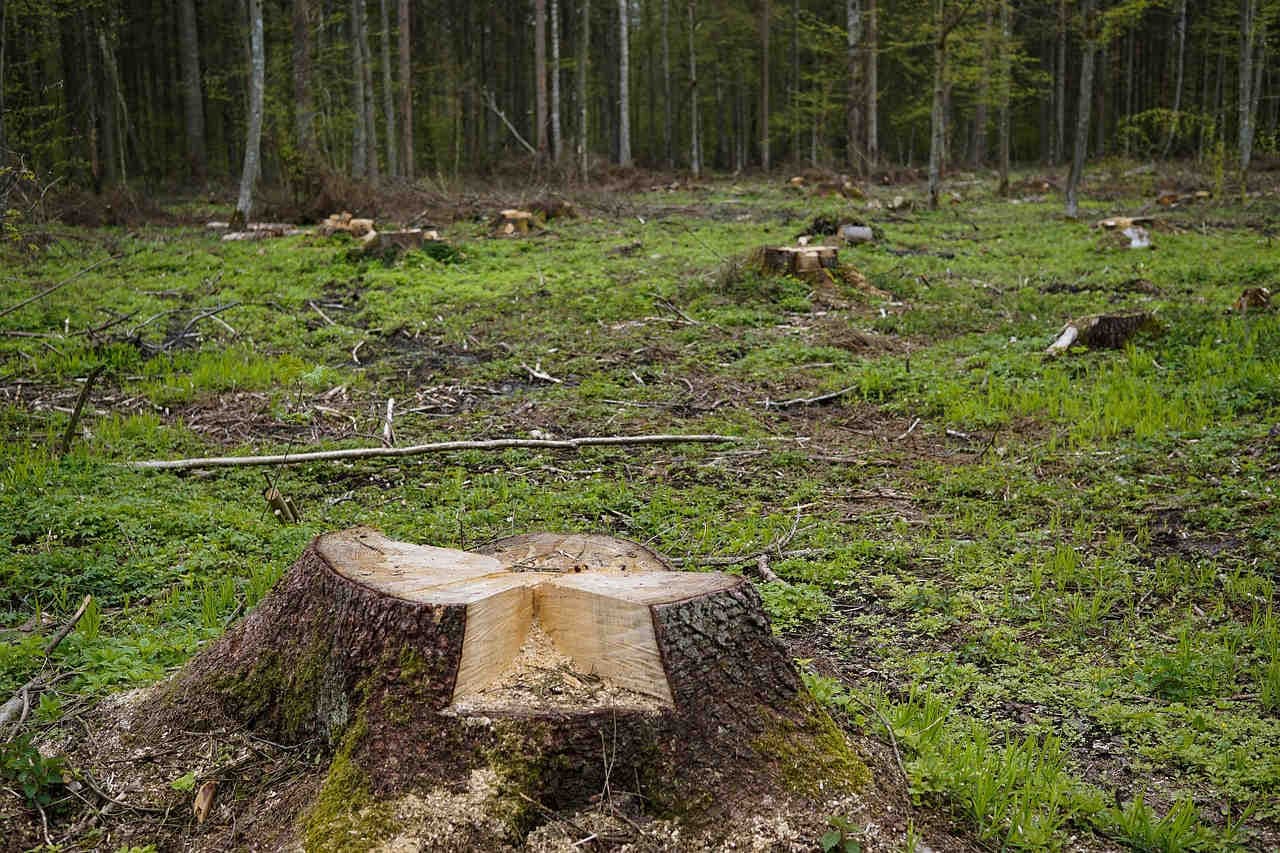
    In 2023, Colombia recorded a significant reduction in deforestation, reaching its lowest level in 23 years. According to government data, forest loss fell by 36% compared to 2022, from 1,235 km² to 792 km². This improvement is particularly remarkable in the Amazonian region, where deforestation has decreased by 38%. An achievement that reflects the commitment of President Gustavo Petro and his government, which has implemented measures to protect the rainforest and support local communities with conservation projects, after record levels of deforestation were reached in 2017.

    Foresta

    Government Policies and Peace Agreements: Key Drivers

    The reduction of deforestation in Colombia did not happen by chance, but is the result of a series of targeted government policies. Petro's election in 2022 initiated a series of initiatives to counter the expansion of intensive agriculture and illegal activities in the forest. First and foremost, the politician made the preservation of the Amazon a key priority through increased surveillance and the launching of new sustainable projects, asking rich nations to cancel their foreign debt. Indigenous reserves and other programmes for the sustainable management of natural resources, such as the harvesting of non-timber forest products, have helped reduce pressure on forests. In addition, progress in peace negotiations with guerrilla groups, many of whom had imposed a ban on deforestation in areas under their control, helped reduce deforestation.

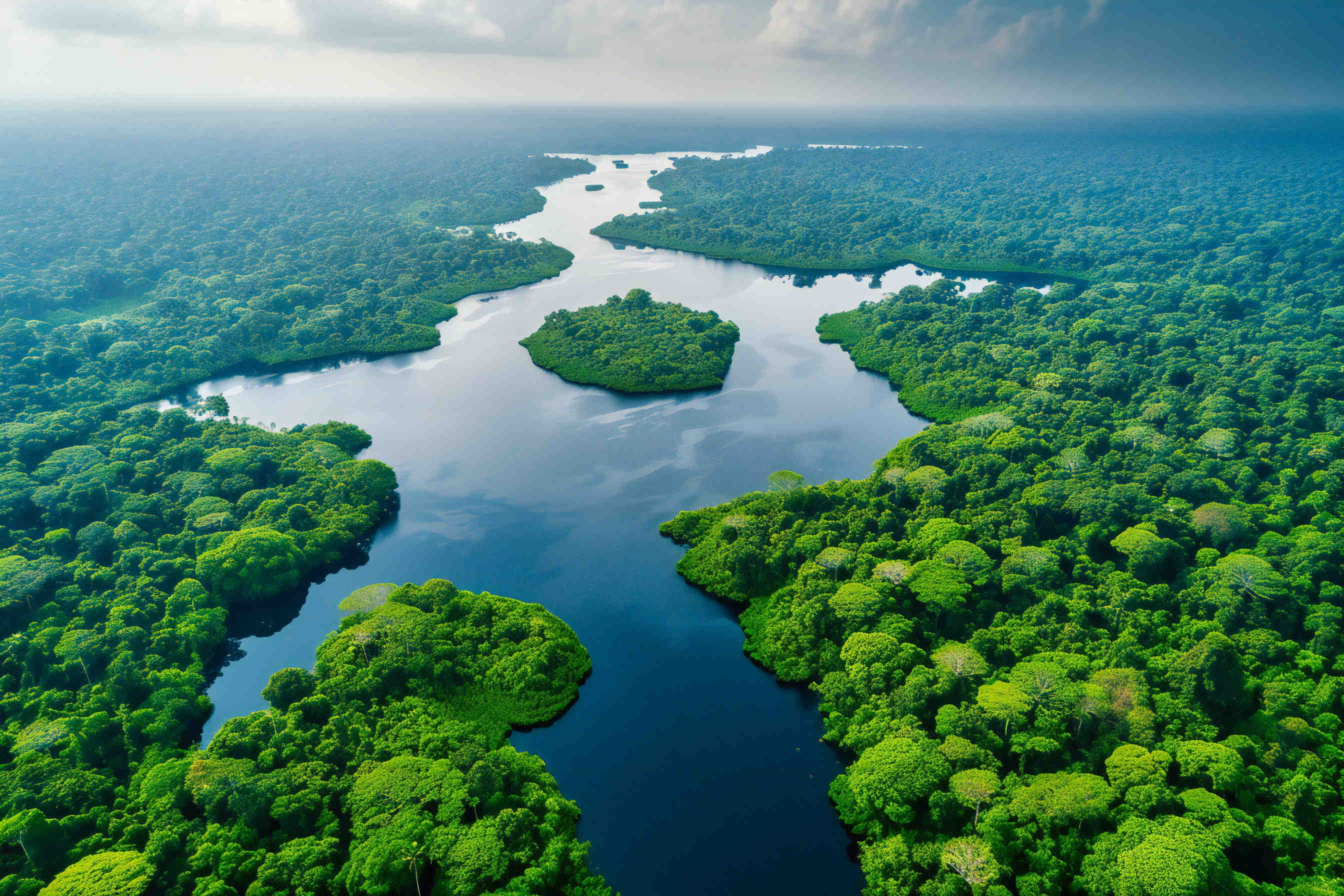
    Foresta amazzonica
    XNatura

    Ongoing Challenges

    Despite progress, the challenges remain significant. Illegal activities, such as narcotics trafficking, mining and logging for drug cultivation, continue to threaten Colombia's forests. The illegal gold mining is also playing a key role in the loss of Colombian Amazon forest. In particular, protected areas are often targeted by these activities, causing serious damage not only to biodiversity, but also to local communities. Satellite data collected by the University of Maryland and displayed on the Global Forest Watch (GFW) monitoring platform, in fact, show a surge in deforestation in protected areas in central Colombia during 2024.

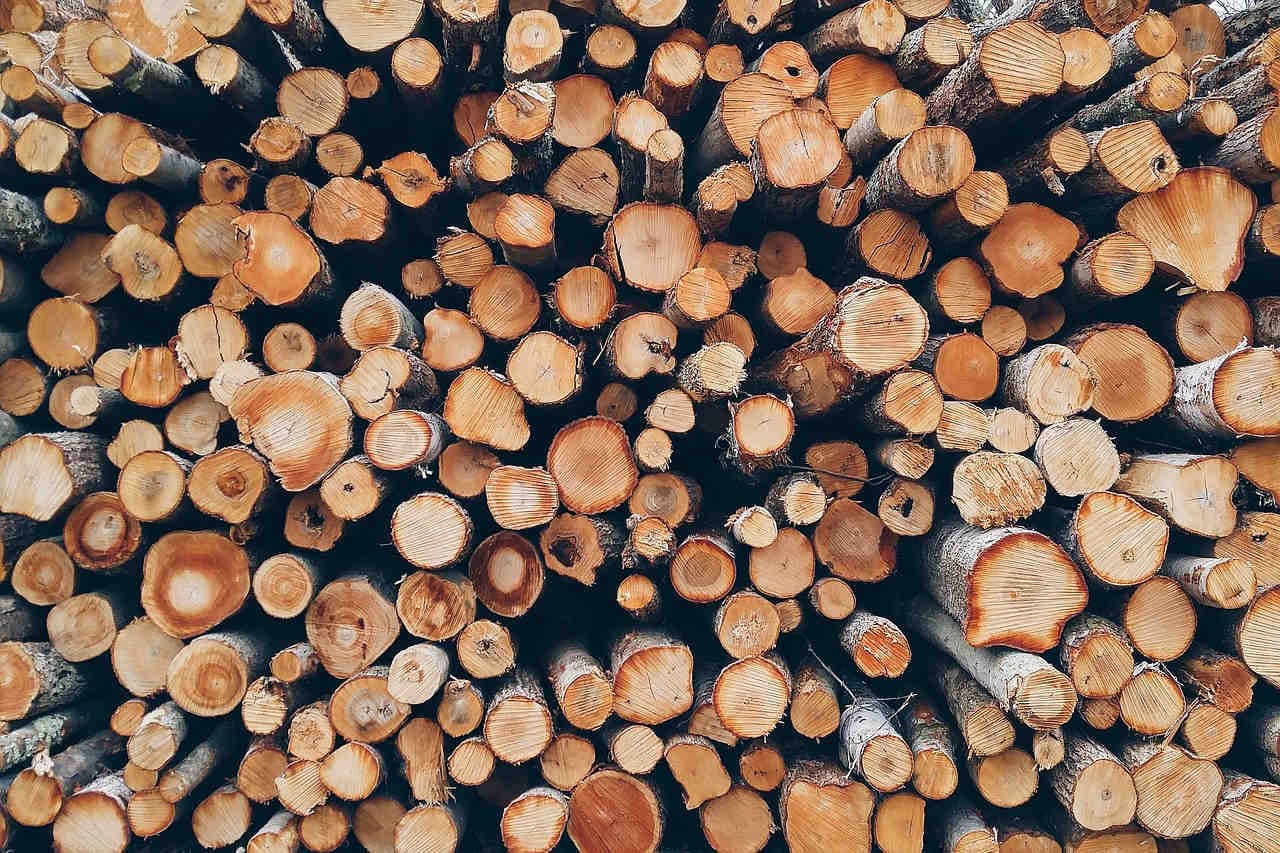
    Alberi ammassati

    Climate Change and Intensive Livestock Farming: Key Threats

    Another factor that complicates the fight against deforestation is the climate change. Extreme weather events, such as El Niño, which causes warmer and drier conditions in the Amazon, have exacerbated drought conditions, leading to increased risks of fires and uncontrolled deforestation. So-called land-grabbing is also associated with deforestation, as it encourages the change of land use to create space for intensive cattle ranching. The consumption of beef and veal in Colombia is increasing to meet the country's growing demand for red meat. Due to the limited availability of space, people have started to clear land in protected areas such as the Chiribiquete National Park, a UNESCO World Heritage site comprising more than 4 million hectares of land in the Colombian Amazon.

    Mucche
    XNatura

    Towards COP16: what prospects for the future?

    With COP16 just around the corner, to be held in Colombia between 21 October and 1 November 2024, the country is preparing to showcase its achievements but also to call for greater international support to address environmental challenges. COP16 will be an opportunity to discuss concrete measures that can help Colombia maintain a direction towards reduced deforestation, despite internal and external pressures. It will be crucial to strengthen partnerships between governments, NGOs and local communities to ensure the protection of the country's forests and biodiversity.

    Collaborazione
    3Bee
    22/10/2024Of 3Bee, Alessia Mircoli
    360 Views
    Newsletter
    newsletter
    Subscribe to the Blog about bees and biodiversity

    Frequently Asked Questions

    Do you have any doubts or other curiosities about this article? Here you will find some insights